Laser Tube Cutting Machines, Small Laser Tube Cutting Mac...



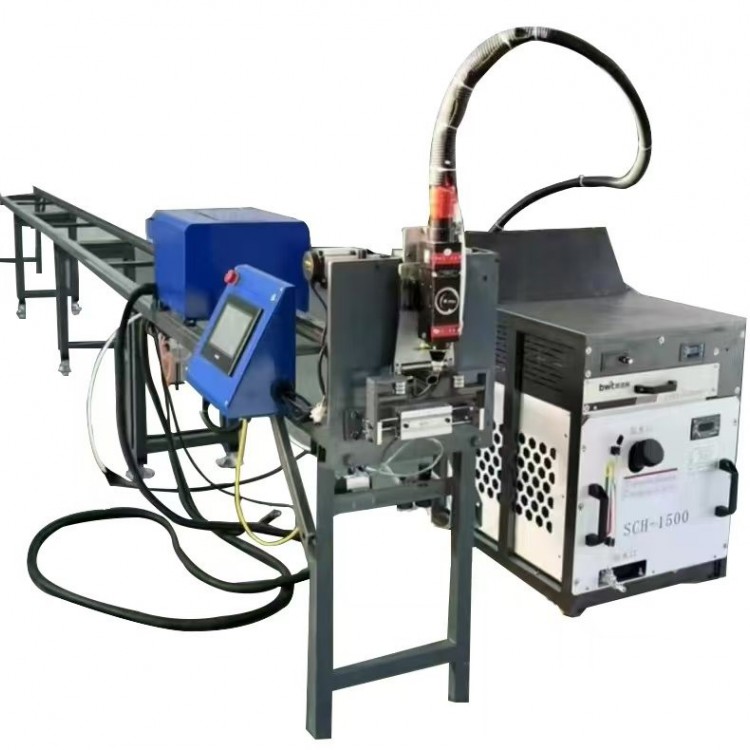
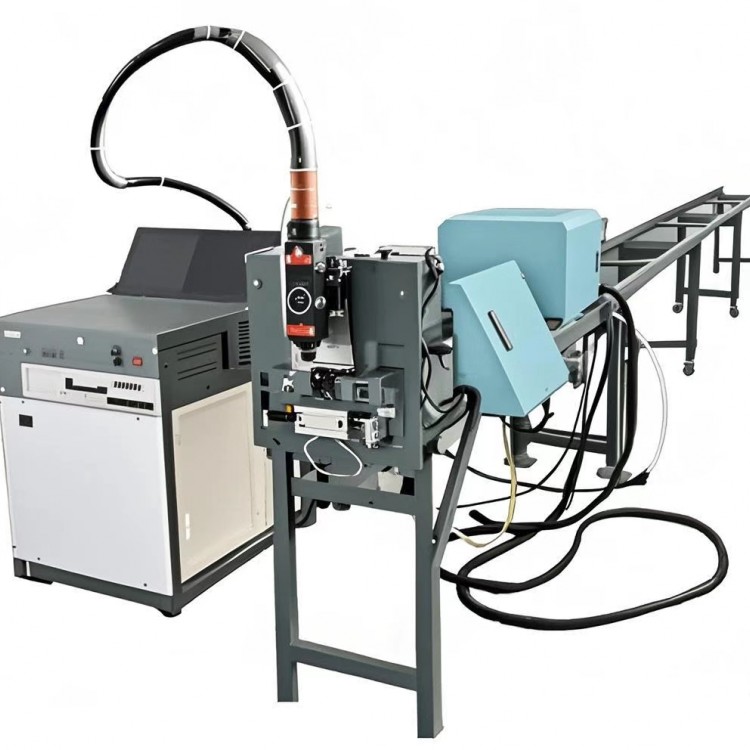
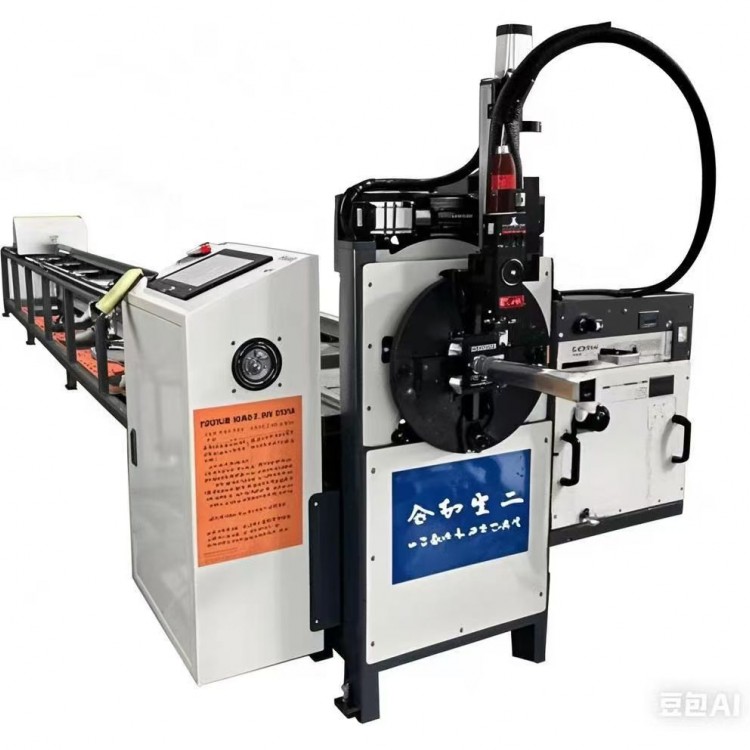
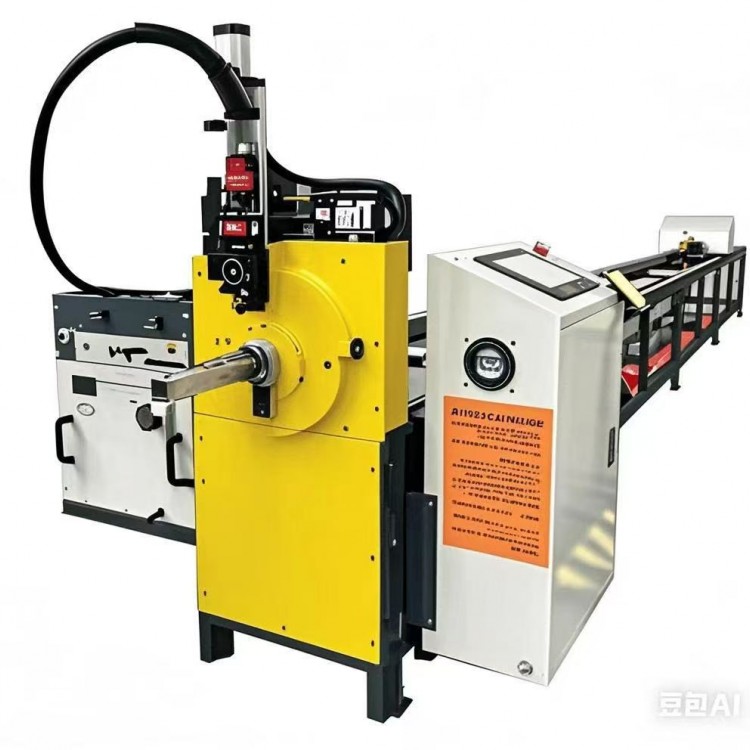
Metal tube materials are extensively used in industries such as aircraft manufacturing, construction machinery, automotive, petrochemical, and agricultural machinery. Due to the varying application scenarios, they need to be processed into different shapes and sizes to meet the needs of various industries. Laser processing technology is particularly suitable for the processing of various metal tubes. The laser tube cutting system boasts high flexibility and automation, enabling the production of small batches and a variety of materials.
What are the key technologies of the pipe laser cutting system?
Guidance Light Focusing System
The guiding light system's function is to direct the laser beam output from the laser generator to the cutting head of the focusing optical path. To achieve high-quality cuts in laser tube cutting, a small diameter of the focused light spot and high power are required. This necessitates the laser generator to produce low-order mode outputs. During tube laser cutting, to obtain a relatively small beam focusing diameter, the transverse mode order of the laser should be low, ideally the fundamental mode. The cutting head of the laser cutting equipment features a focusing lens, through which the laser beam is focused to create a smaller focused spot. This allows for high-quality tube cutting.
Trajectory Control for Cutting Heads
In tube cutting, the processed tubes are spatial surfaces with complex shapes. Programming for conventional methods can present certain difficulties. This necessitates operators to select the correct machining path and appropriate reference points based on the processing requirements. They should utilize the CNC system to record the feed rates of each axis and the coordinates of the reference points. Subsequently, by employing the spatial linear and circular interpolation functions of the laser cutting system, they should record the coordinates during the machining process and generate the machining program.
Automatic Control of Laser Cutting Focal Position
How to control the focal position of laser cutting is a crucial factor affecting cutting quality. Maintaining the vertical direction of the focus relative to the workpiece surface through automatic measurement and control devices is one of the key technologies for laser tube cutting. Integrating the control of the laser focus position with the linear axis (X-Y-Z) of the laser processing system makes the movement of the laser cutting head more agile and flexible, and allows for precise knowledge of the focus position, thus avoiding collisions with the cutting tube or other objects during the processing.
The Impact of Key Process Parameters
The Impact of Optical Power
For continuous wave laser generators, the size of the laser power significantly impacts laser cutting. Theoretically, the higher the laser power of the laser cutting tube equipment, the greater the achievable cutting speed. However, considering the characteristics of the tube material, the highest cutting power is not necessarily the best choice. As the cutting power increases, the laser's own mode also changes, which affects the focusing of the laser beam. In actual processing, we often opt for the highest power density at the focal point, below the maximum power, to ensure the efficiency and quality of the entire laser cutting process.
Impact of cutting speed.
When laser cutting tube materials, it is crucial to maintain a certain cutting speed for optimal quality. If the cutting speed is too slow, excessive heat accumulates on the surface of the tube, expanding the heat-affected zone, widening the cut seam, and burning the surface of the melted material, resulting in a rough cut edge. As the cutting speed increases, the average cut seam width around the tube circumference decreases, and this effect is more pronounced with smaller tube diameters. With the increase in cutting speed, the laser's acting time shortens, the total energy absorbed by the tube decreases, and the temperature at the front end of the tube drops, reducing the width of the cut seam. If the cutting speed is too fast, it may not pierce or cut through the tube, affecting the overall cutting quality.
③ Influence of pipe diameter size.
When laser cutting tubing, the inherent characteristics of the material greatly influence the processing. For instance, the diameter of round tubing significantly affects the quality of the cut. Research on laser cutting thin-walled seamless steel tubes reveals that, with all other process parameters constant, as the tube diameter increases, so does the width of the cut seam.
Types and pressures of auxiliary gases.
When cutting non-metallic and certain metallic pipe materials, compressed air or inert gases (such as nitrogen) can be used as auxiliary gases. For most metallic pipes, active gases (like oxygen) are suitable. It is crucial to determine the pressure of the auxiliary gas after selecting its type. When cutting thinner-walled pipes at higher speeds, increase the pressure of the auxiliary gas to prevent slagging at the cut. When cutting thicker-walled pipes or at slower speeds, reduce the pressure of the auxiliary gas to avoid issues like not cutting through the pipe material or inability to cut through.
During laser tube cutting, the position of the focal point of the beam is also crucial. The focal position during cutting is generally on the surface of the tube being cut. When the focal point is well-positioned, the cut seam is the smallest, the cutting efficiency is higher, and the cutting quality is also superior.


www.114global.com © Zhongshang 114 Hebei Network Technology Co., Ltd.Address: Room 6009, Oriental New World Center, No.118 East Zhongshan Road, Qiaoxi District, Shijiazhuang City, Hebei ProvincePlatform Service Hotline: 4006299930