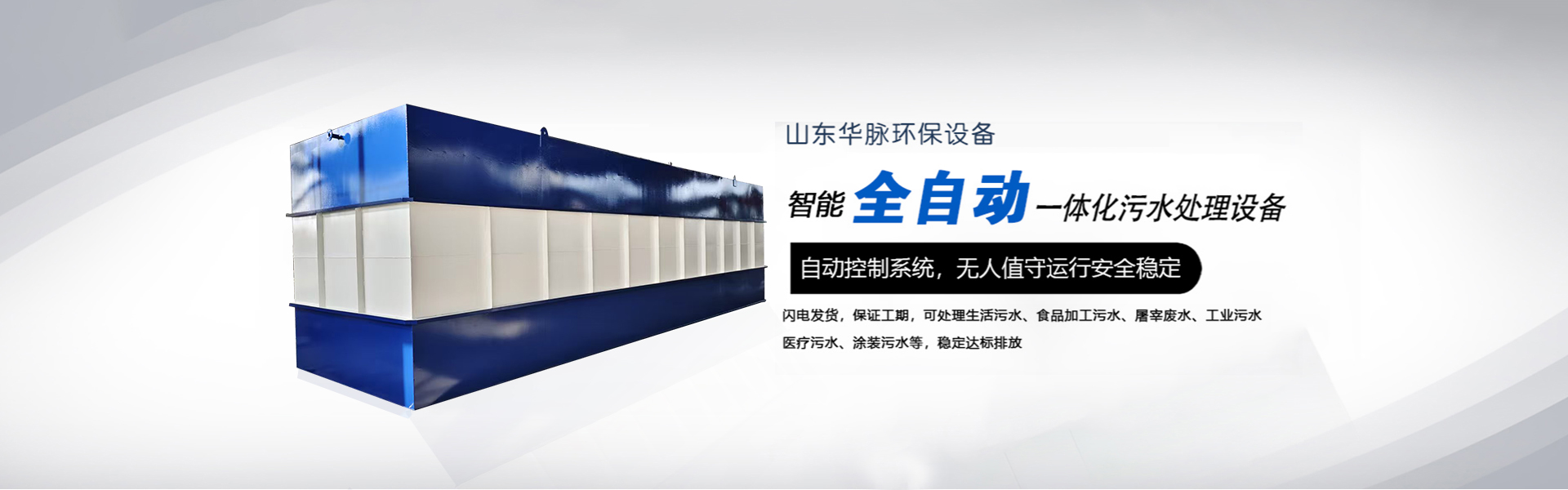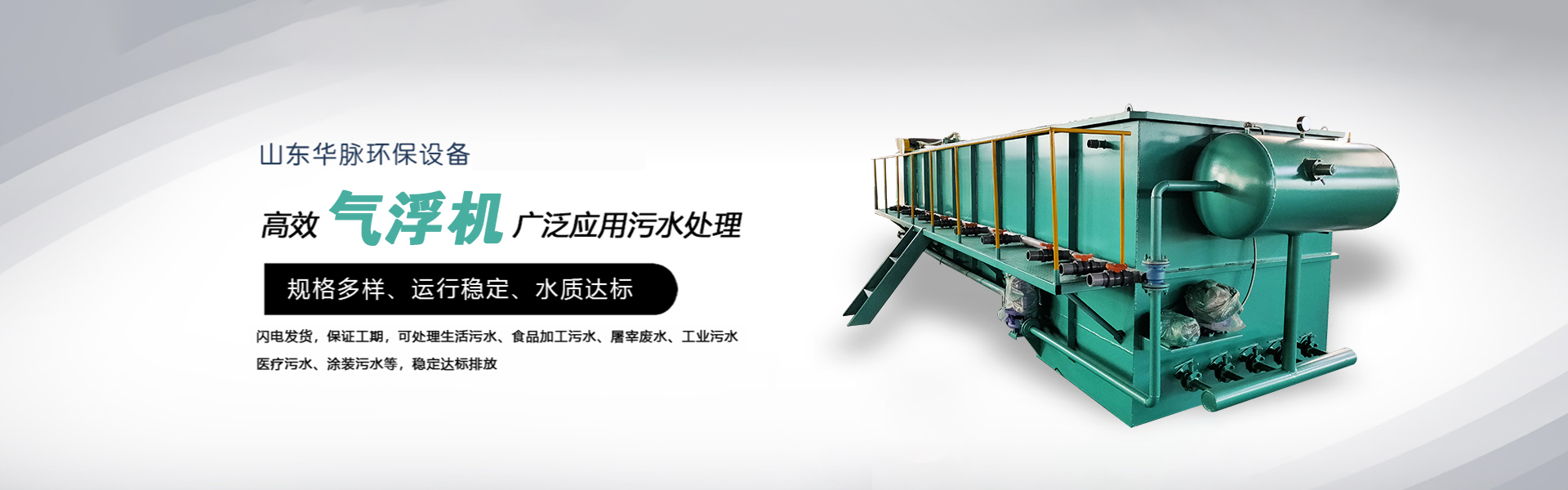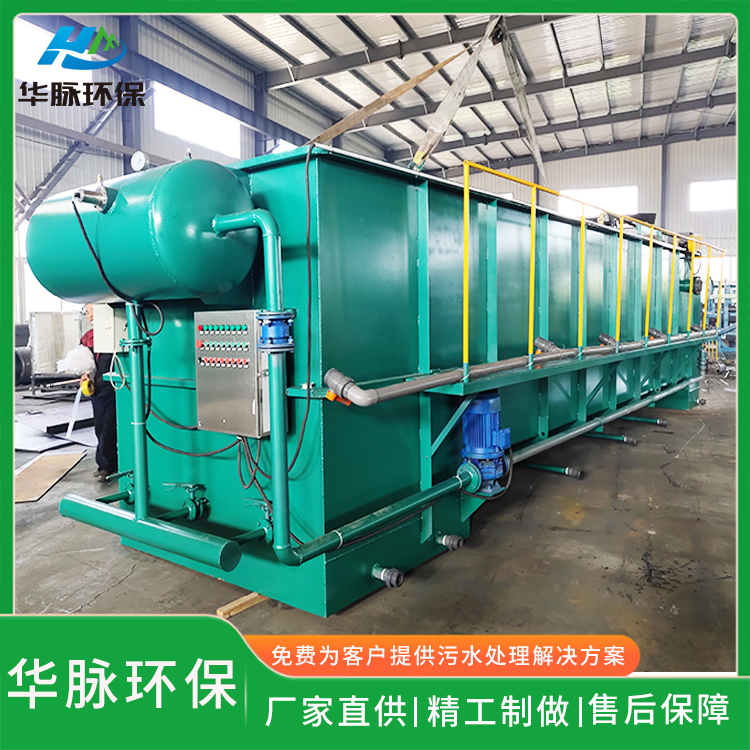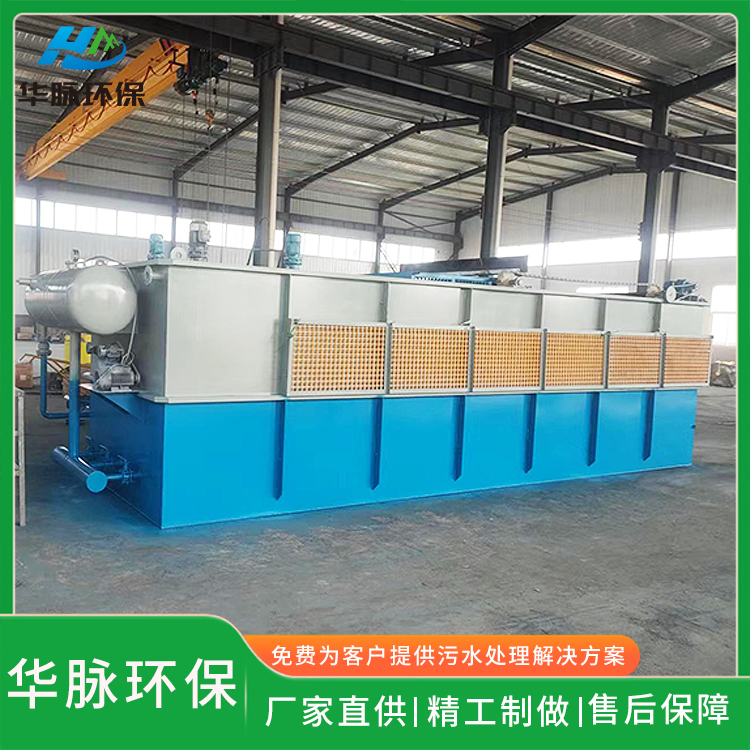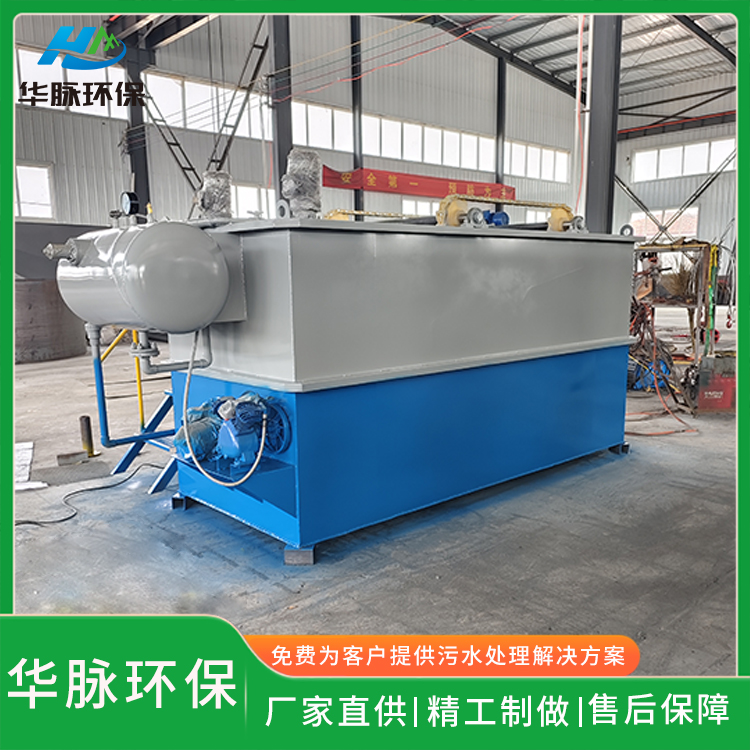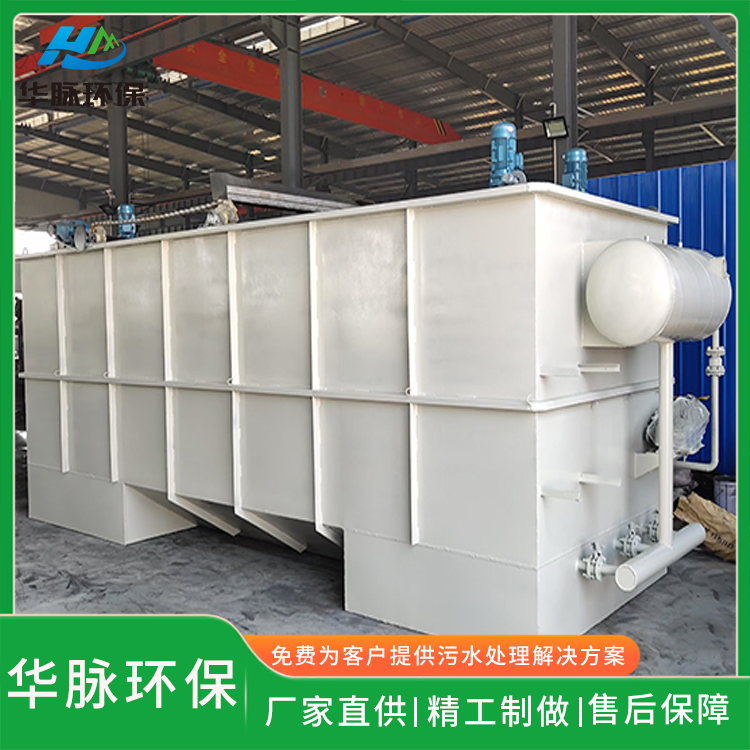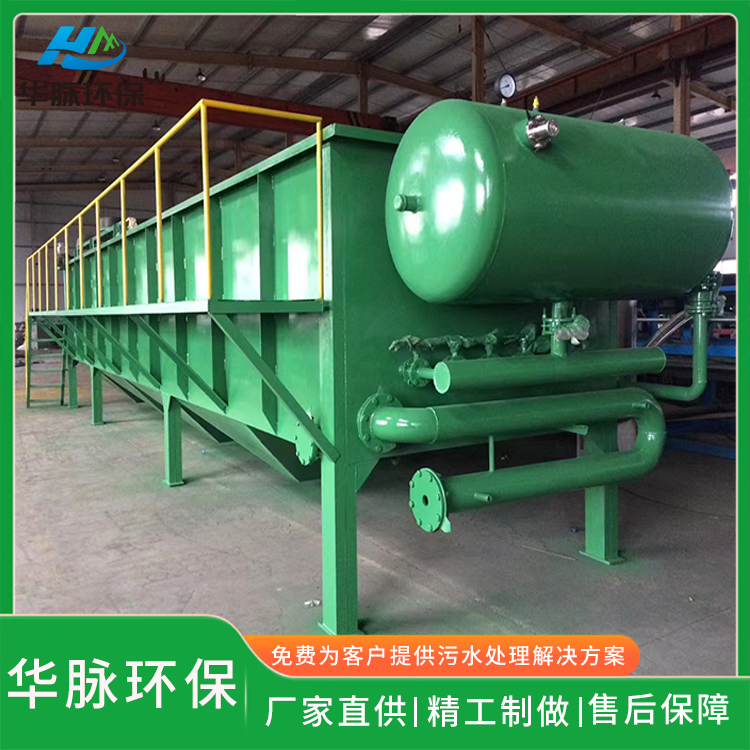

An air flotation machine is a device that uses small or minute bubbles to float impurities to the surface of the medium, widely applied in various wastewater treatment fields. Below is a detailed analysis of the types and characteristics of air flotation machines:
Floating Decanters come in various types, differentiated by their working principles and structural forms. Here are some common types of floating decanters:
Aeration Gas Floating Machine:
Operation PrincipleDissolve air into wastewater and release bubbles by reducing pressure.
FeaturesHigh efficiency, stable operation, short processing time, widely used in papermaking, dyeing, food, chemical industries, and many other fields. The aeration method is pressure jet, with a relatively simple structure, easy on-site operation and installation, suitable for pretreatment and some subsequent treatment of industrial and municipal wastewater.
Aeration Flotation Machine:
Operation PrincipleBy dispersing air into wastewater through an aeration device, tiny bubbles are formed.
FeaturesBubble formation through aeration facilitates solid-liquid separation; specific characteristics may vary depending on the design.
Vortex Induced Gas Floating Machine:
Working PrincipleBy utilizing high-speed rotating impellers, air is dispersed into the wastewater, creating tiny bubbles.
FeaturesTypically used when high processing efficiency is not required, achieving approximately an 80% COD removal rate.
Pressure-Enhanced Air Flotation Machine:
Operation PrinciplePressurizing air into wastewater for dissolution, suitable for high-concentration sewage treatment.
FeatureUnder pressurized conditions, the solubility of air is higher, resulting in a greater number of bubbles for aeration, ensuring effective aeration.
Electrolytic Air Flotation Machine:
Principle of OperationHydrogen and oxygen are produced through the electrolysis of water, which then combine with suspended particles in wastewater.
FeaturesThis treatment process and equipment are simple, cost-effective, and easy to manage and maintain, making them suitable for smaller-scale wastewater treatment.
Ultra-Efficient Shallow Flotation Machine:
Working PrincipleOur company has adopted a unique, world-class patented technology—the Equilibrium Energy Dissipation Device—which replaces the traditional release mechanism, creating tiny bubbles.
FeaturesMicro-bubble diameters are small, exhibiting a strong tendency to adsorb suspended particles, resulting in excellent treatment performance and suitability for projects with high water volumes.
EfficiencyThe flotation machine efficiently removes suspended solids, oils, colloids, and other impurities from wastewater, improving water quality.
High degree of automationAfter partial aeration machine equipment debugging, they can achieve automated operation, reducing manual operation.
Small land areaThe aeration flotation equipment is compact and occupies minimal space, making it suitable for places with limited space.
Operational StabilityThe flotation machine maintains a stable operating state during the processing, ensuring effective treatment.
User-friendly operation and managementThe aeration flotation equipment is easy to operate, convenient to maintain, and reduces operating costs.
Wide Application ScopeThe Air Flotation Machine is suitable for wastewater treatment in various industries and fields, such as chemical, pharmaceutical, electroplating, papermaking, dyeing and printing, and food processing.
In summary, there are various types and characteristics of flotation machines. Choosing the appropriate type of flotation machine is crucial for enhancing wastewater treatment efficiency and reducing operational costs.
www.114global.com © Zhongshang 114 Hebei Network Technology Co., Ltd.Address: Room 6009, Oriental New World Center, No.118 East Zhongshan Road, Qiaoxi District, Shijiazhuang City, Hebei ProvincePlatform Service Hotline: 4006299930