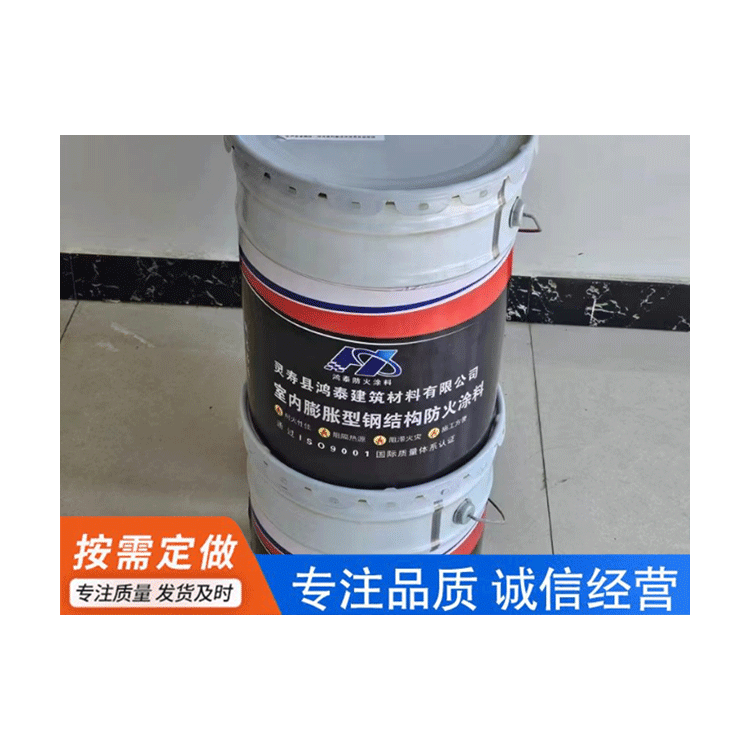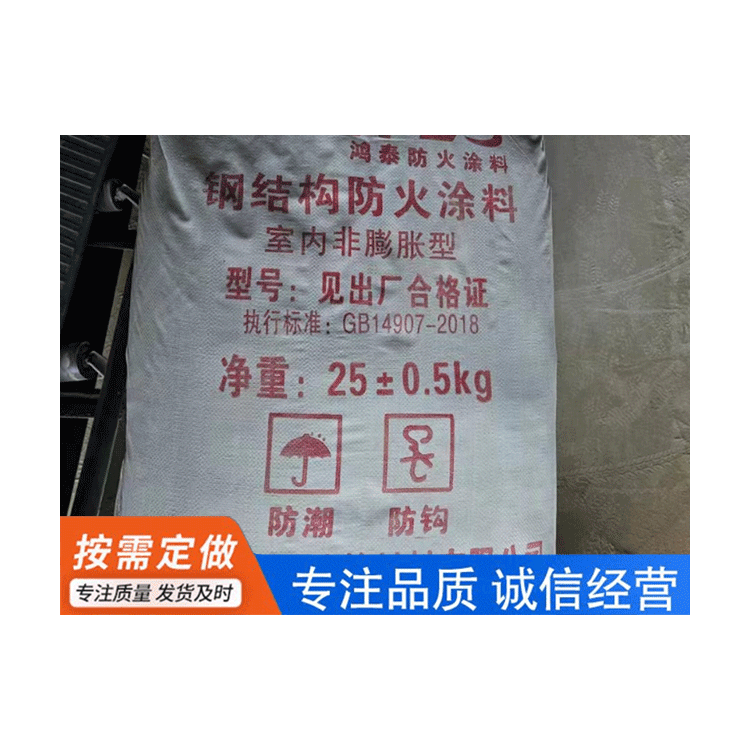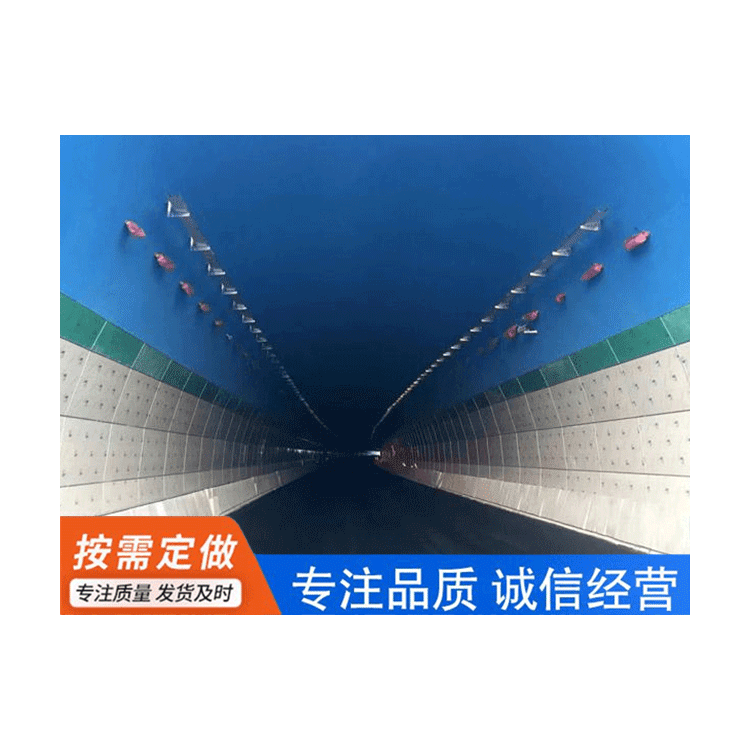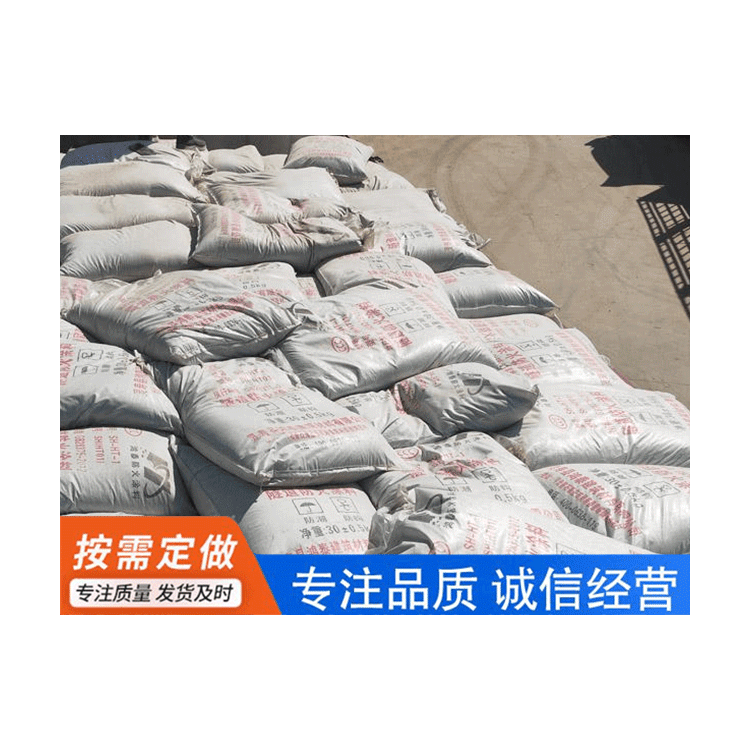
Fire-resistant coatings,钢结构 fire-resistant coatings, intumescent fire-resistant coatings, tunnel fire-resistant coatings, tunnel fire-resistant coatings application, etc.
13931197119
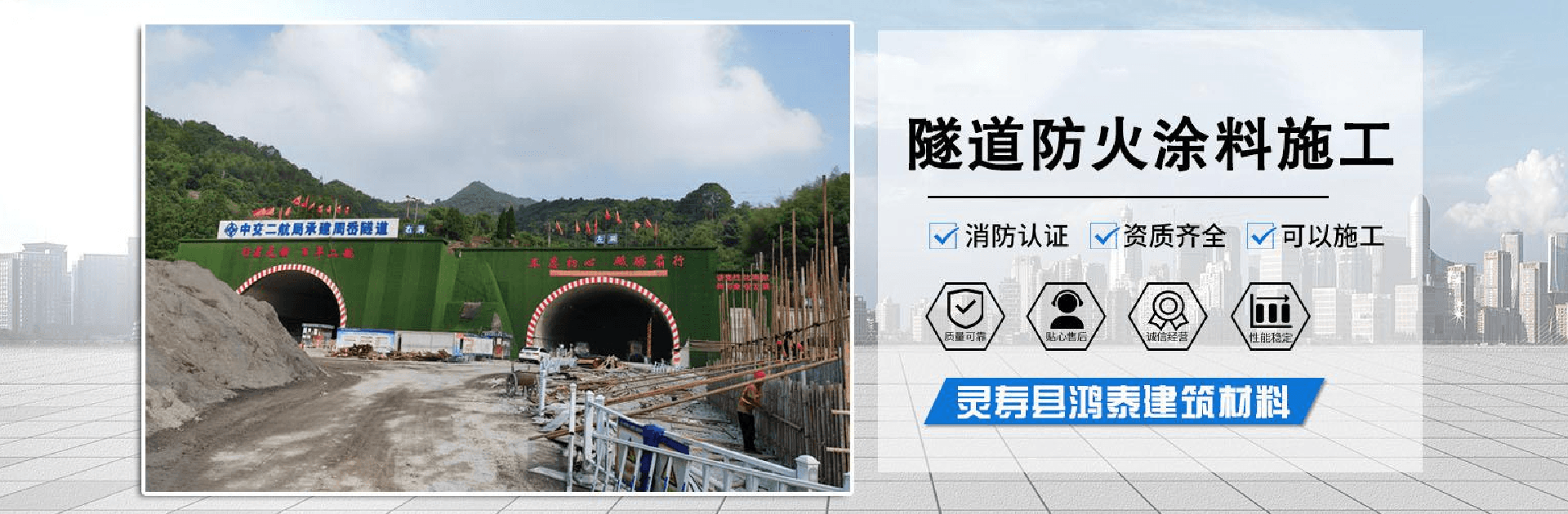
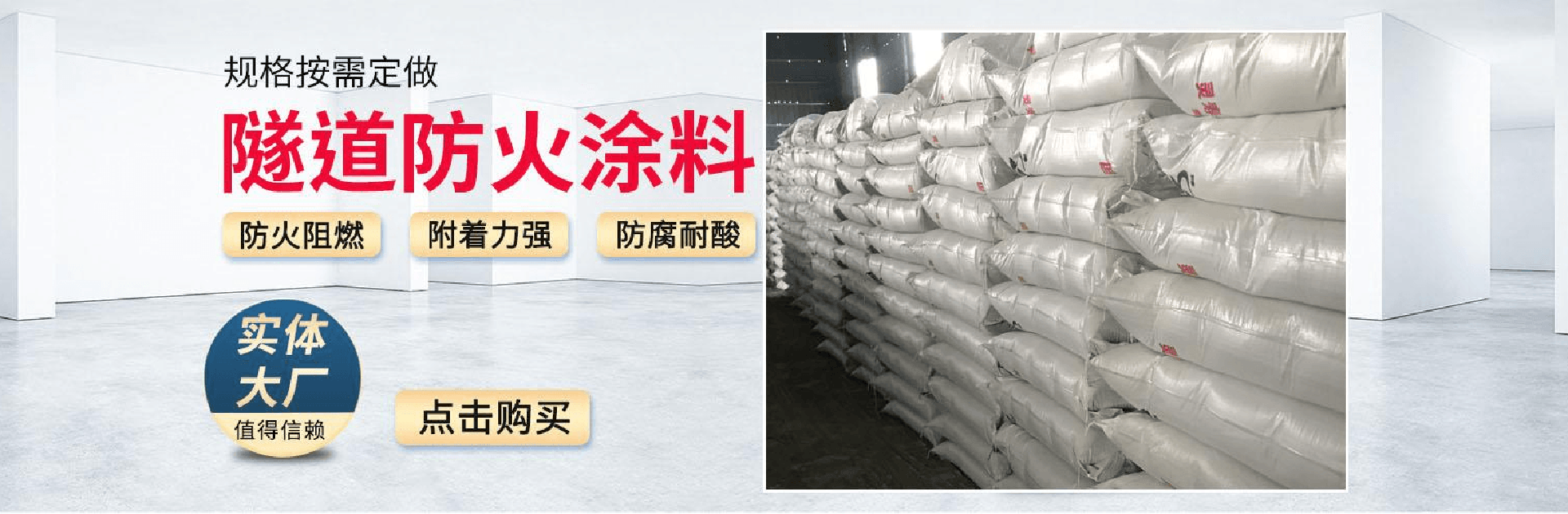
Extensive research has been conducted on tunnel fire-resistant coatings both domestically and internationally. For instance, Chinese scholars have proposed a tunnel fire-resistant coating that primarily uses silicate as the binder, with aluminum hydroxide, expanded vermiculite, magnesium silicate, and sodium metaborate as fillers and fire-retardant additives. In response to the characteristic of tunnel masonry that is not resistant to high temperatures, a hydraulically binding tunnel fire-resistant coating that is moisture-resistant and mainly composed of inorganic cementitious materials has been developed. This coating can be used for fire protection of both steel and concrete structures. A new type of physical expansion flame retardant, mainly using expandable graphite, has been developed, producing a halogen-free, environmentally friendly, and excellent fire-resistant physical expansion-type fire-resistant coating.
Foreign scholars have developed an inorganic fire-resistant coating for building surfaces, composed of hydraulic white cement, water glass, vermiculite, expanded perlite, and inorganic glass fiber. They have also introduced a fire-resistant coating primarily made of sepiolite, calcium silicate, reinforced fibers, high-alumina cement, and amorphous silica, which boasts excellent thermal insulation and crack resistance, suitable for use on building facades and tunnels. Another type of fire-resistant coating for metal and concrete surfaces is made up of bentonite, aluminum silicate, wollastonite, magnesium silicate, glass microspheres, and various porous fillers, with binders including water glass, Portland cement, gypsum, and various phosphate compounds.
The tunnel fire-resistant coating mentioned in the aforementioned report is manufactured using inorganic binders such as water glass, cement, white cement, high-alumina cement, and phosphate compounds. The filling aggregates include perlite, expanded vermiculite, micro-porous calcium silicate, diatomite, fly ash glass microspheres, palygorskite powder, and talc powder. The reinforcing materials consist of glass fibers, steel fibers, and polypropylene fibers, while the flame retardants are oxides of aluminum, magnesium, boron, and zinc containing crystalline water. These products are primarily composed of inorganic materials. Literature and patents from both domestic and international sources indicate that fire-resistant coatings for protecting non-combustible building structures are categorized into two types: organic expansive thick coatings and lightweight inorganic fire-resistant coatings. Under fire conditions, the carbon foam layer of organic expansive coatings tends to dissipate gradually, reducing their fire insulation effectiveness. Even when the coating thickness reaches 4 mm, the耐火limit is only 1 hour. In contrast, inorganic fire-resistant coatings, due to their low density and thermal conductivity, offer excellent fire resistance. Depending on the coating thickness, they can meet耐火requirements of 1 to 2 hours or even longer. However, fire-resistant coatings composed solely of inorganic materials are prone to becoming hard and brittle, leading to cracking and delamination. Therefore, in the research of tunnel fire-resistant coatings, it is generally advisable to adopt research and development techniques for non-expansive, non-polluting water-based organic-inorganic composite coatings.
Contact us

Service Hotline
13931197119
Company Telephone
13931197119

Address
Xiliuzhuang Village, Ciyu Town, Lingxiang County, Shijiazhuang City
www.114global.com © Zhongshang 114 Hebei Network Technology Co., Ltd.Address: Room 6009, Oriental New World Center, No.118 East Zhongshan Road, Qiaoxi District, Shijiazhuang City, Hebei ProvincePlatform Service Hotline: 4006299930