

 High-frequency experimental furna
 High-frequency Quenching Machine
Product Details
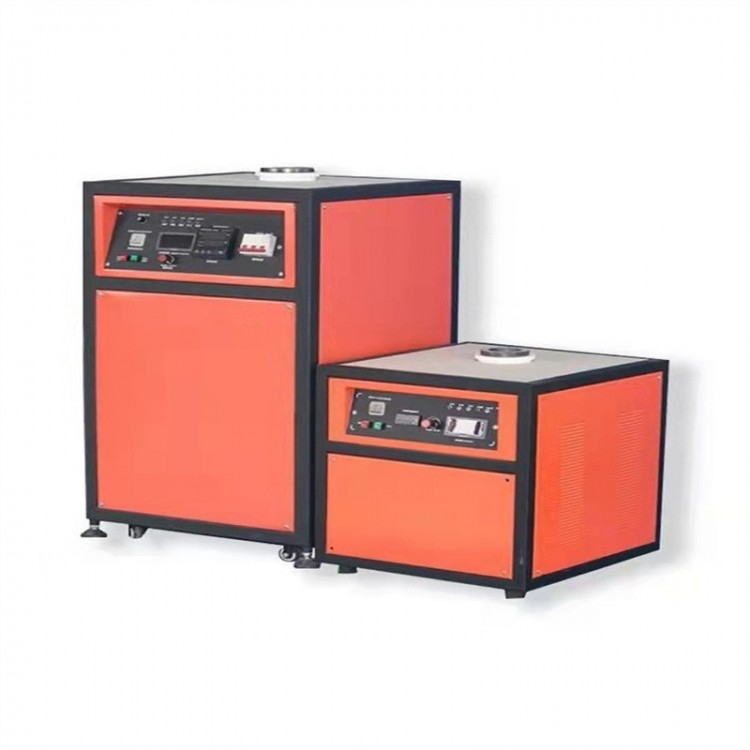
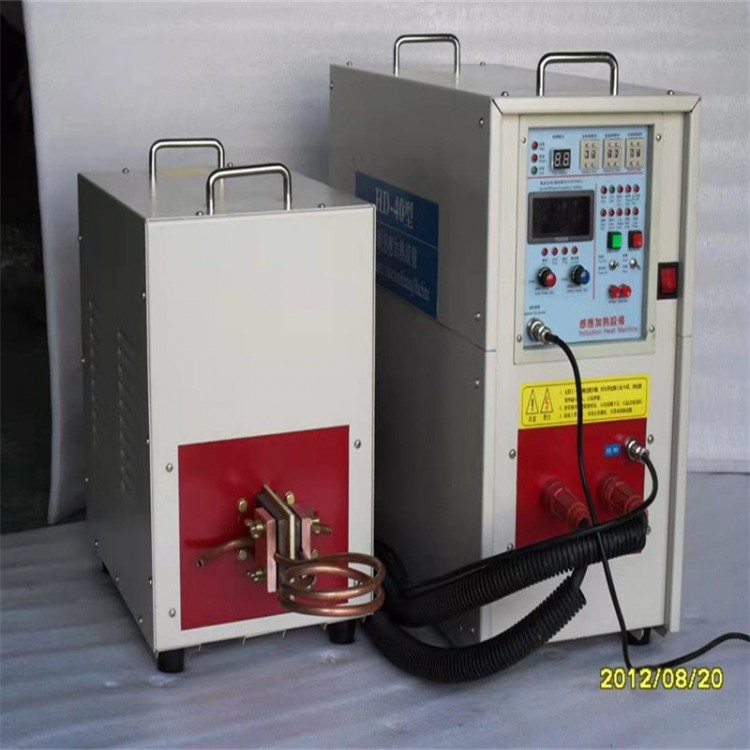
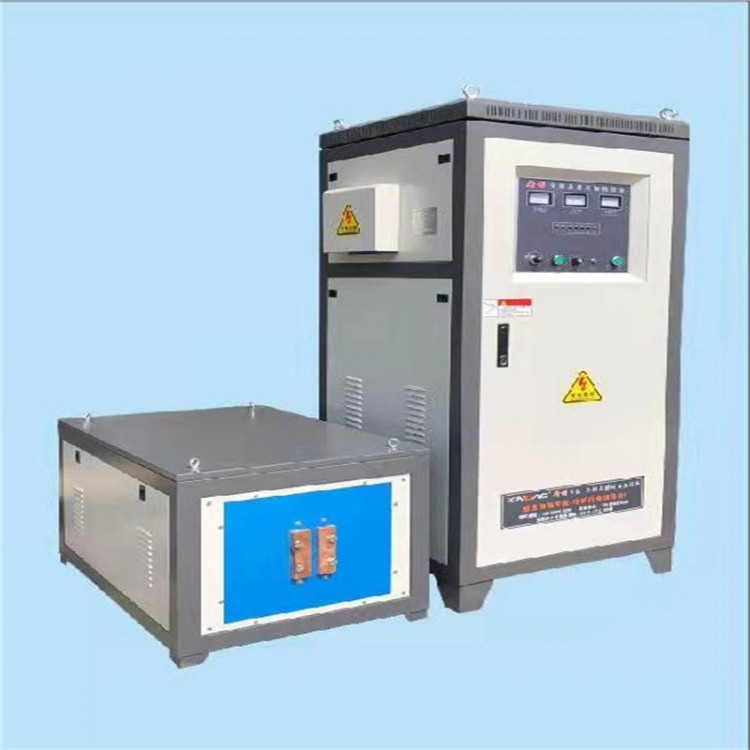
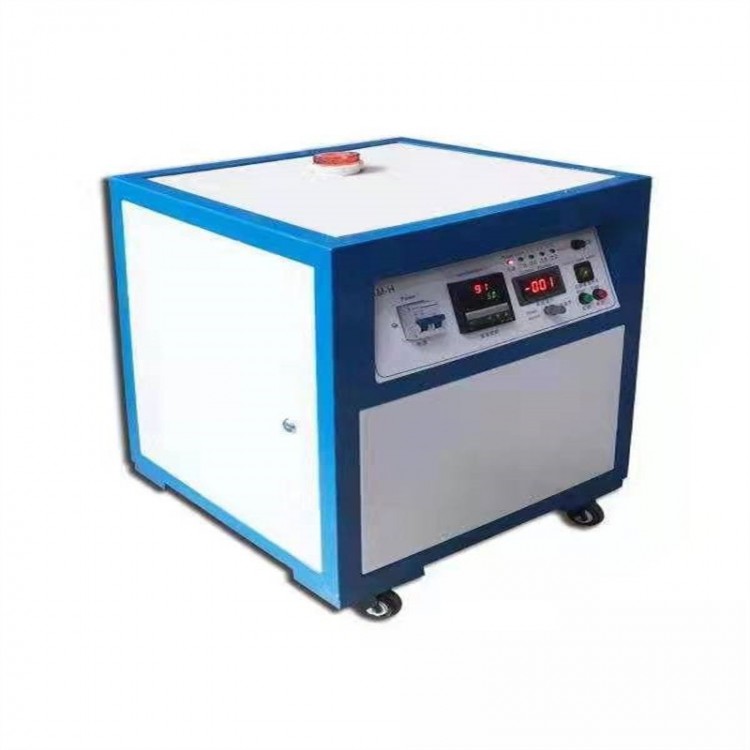
Precision Electromechanical Equipment High-frequency Quenching Machine High-frequency Laboratory Furnace High-frequency Heating Machine Medium-frequency Penetrating Furnace Medium-frequency Melting Furnace Melting Gold Furnace Melting Copper Furnace




价 格Negotiable
最小起订0 Piece库存0 Piece
 Business Card
Negotiable

Negotiable
Negotiable
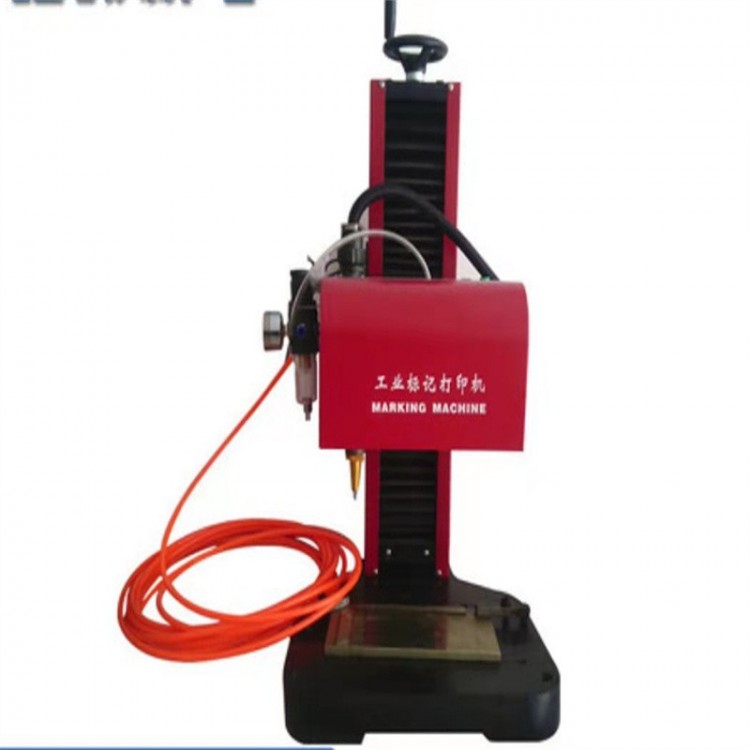
Negotiable
Wuxi Precision Machinery and Equipment Wholesale Prices
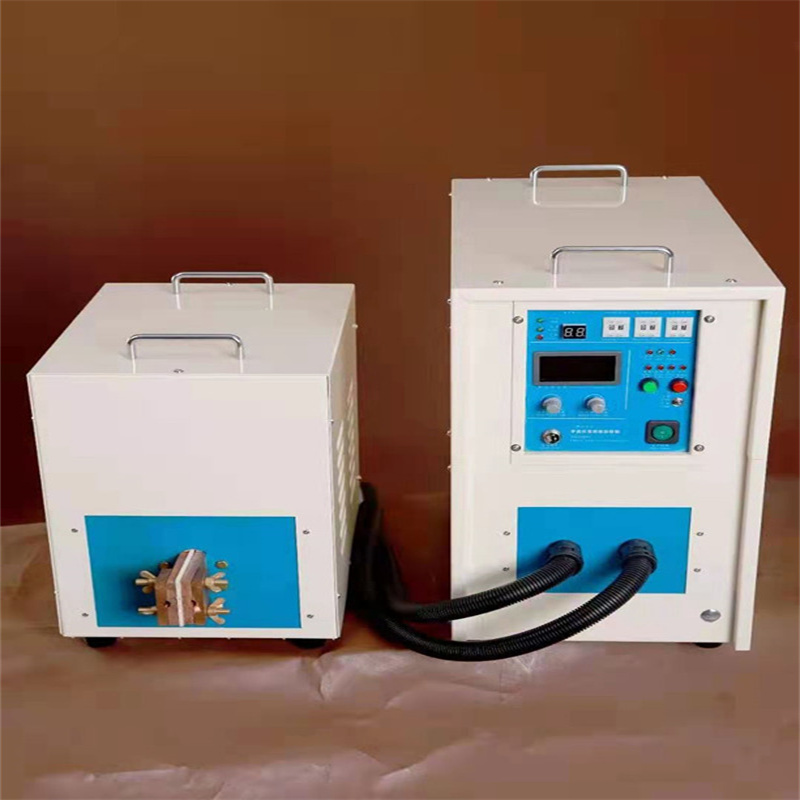
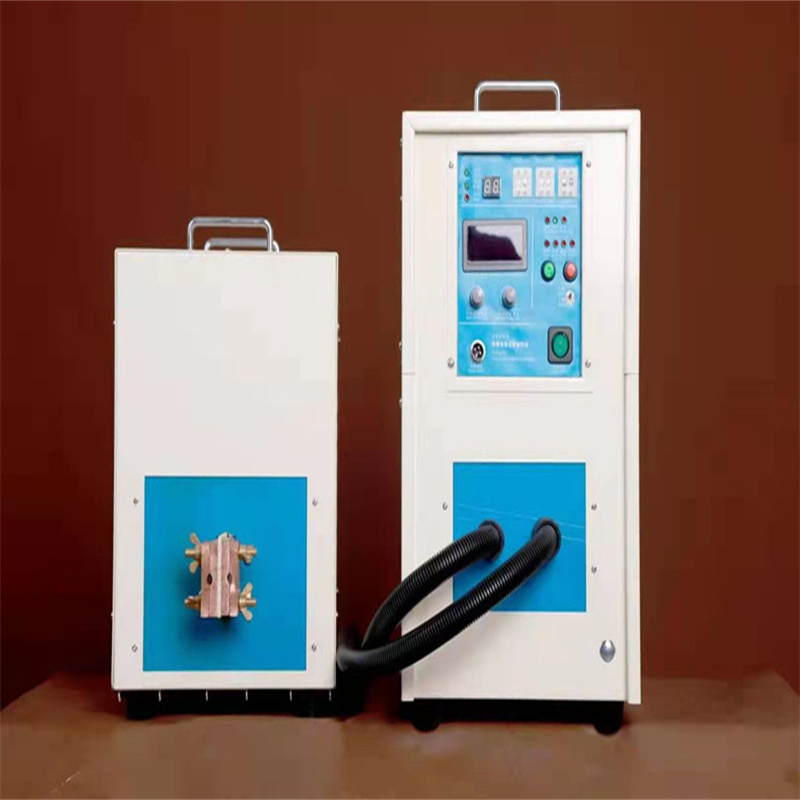
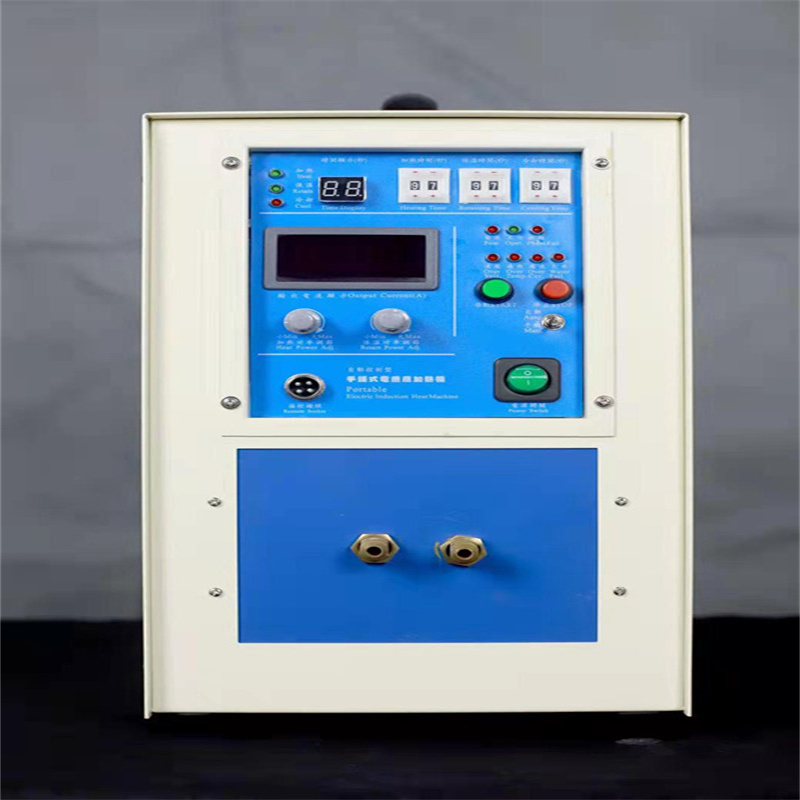
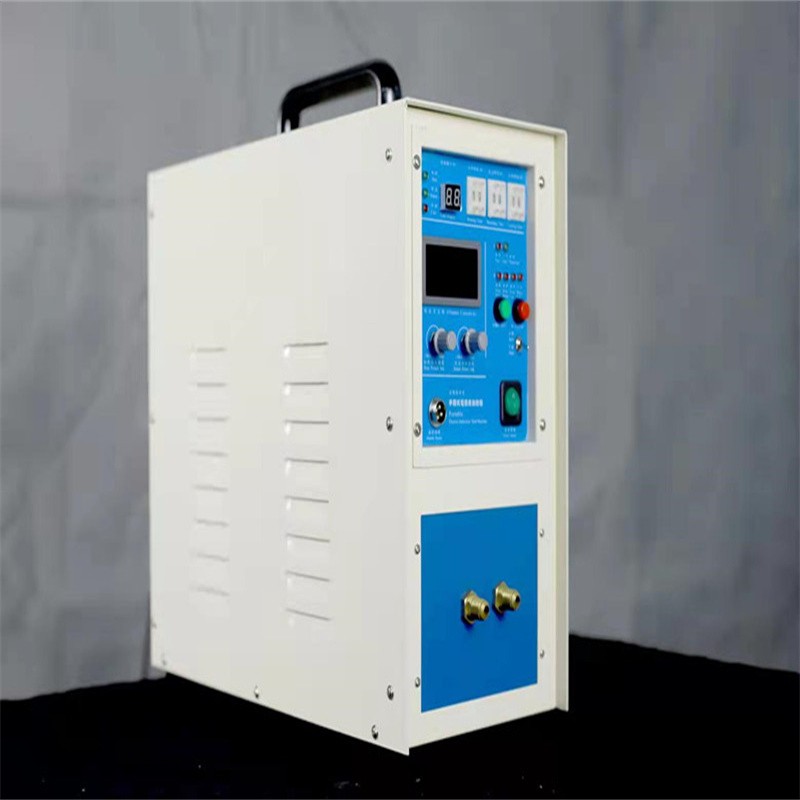
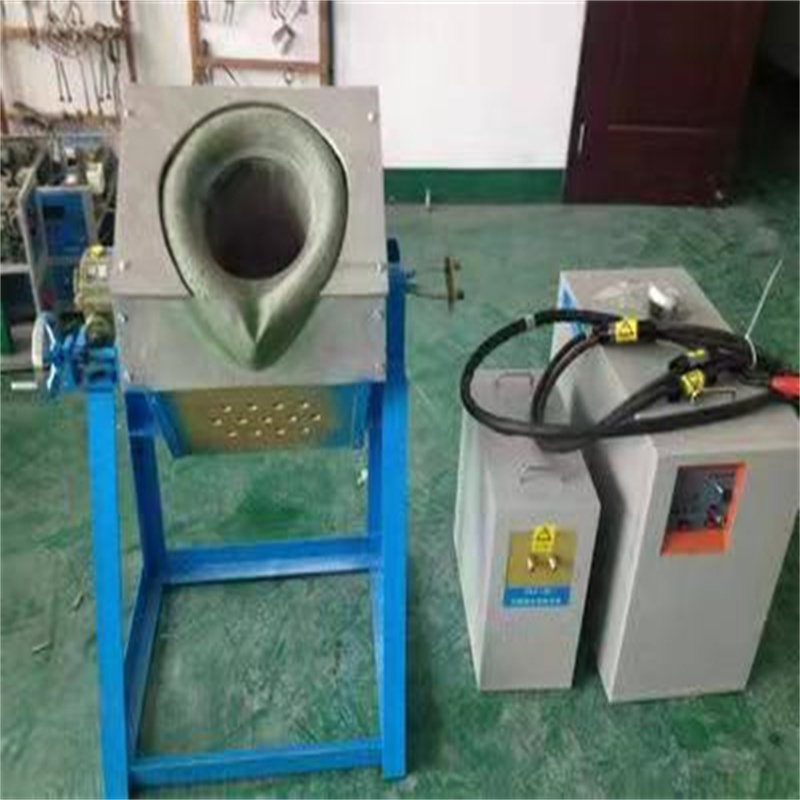
The working principle of precision electromechanical equipment primarily relies on the knowledge from various disciplines, including physics, electronics, mechanics, and control theory.
Precision electromechanical equipment typically consists of an electronic control system, a mechanical transmission system, and sensors. The electronic control system is the core of the precision electromechanical equipment, including components such as microprocessors, circuit boards, drivers, and displays. The microprocessor, acting as the equipment's brain, is responsible for receiving and processing various signals. The circuits on the circuit board convert the microprocessor's instructions into current or voltage signals to control the movement and operation of the equipment.
The mechanical transmission system serves as the power source for precision electromechanical equipment, consisting of components such as motors, gears, belts, and sliders. The motor drives the equipment's movement through the transmission of gears and belts. Sliders enable the equipment to translate and rotate in various directions.
Sensors, acting as the sensory organs of precision electromechanical equipment, are used to sense the environment and monitor the equipment's status. They convert physical quantities into electrical signals, and upon detecting changes in these quantities, transmit them as electrical signals to the control system for processing and judgment.
The control system plays a decisive role, capable of receiving signals from sensors and issuing corresponding commands to control the operation of electromechanical equipment based on pre-set control strategies. Typically, the control system consists of a controller, an actuator, and a feedback device. The controller is responsible for processing and judging sensor signals, the actuator for executing control commands, and the feedback device for relaying the actuator's execution results back to the controller.
Electric motors, as common actuators, convert electrical energy into mechanical energy. They do this through the principle of electromagnetic induction, transforming electrical energy into rotational torque to drive the movement of mechanical equipment. The transmission system is an important component of precision electromechanical equipment, capable of converting the rotational motion of the motor into the required linear or rotational motion. Common transmission methods include gear transmission, belt transmission, and chain transmission.

Phone Consultation