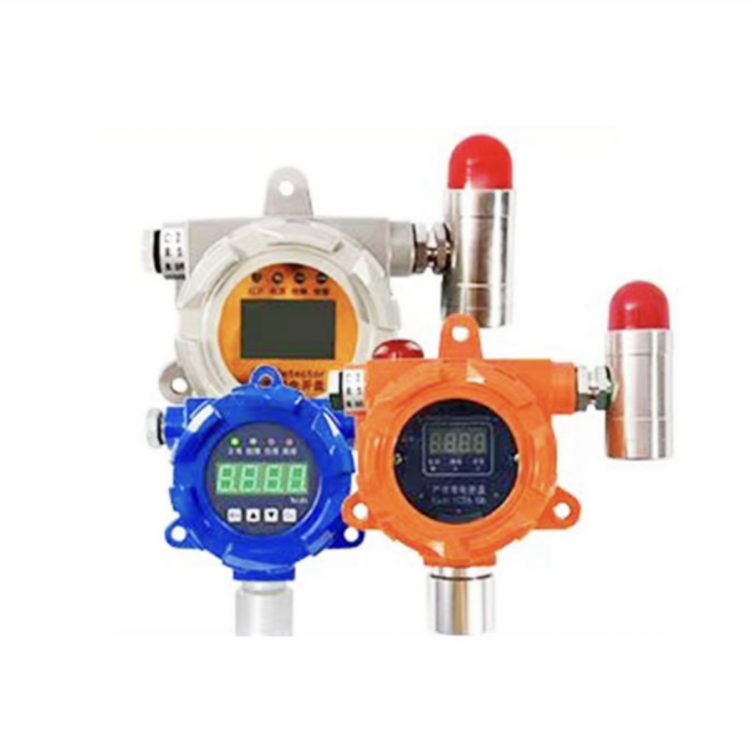

Gas Detectors, Gas Sensors, Gas Alarms, Gas Controllers

The detection accuracy of the Guizhou gas detectors is influenced by various factors, primarily including the following aspects:
Sensor Factors
High Sensitivity: High-sensitivity sensors can more accurately detect changes in gas concentrations and output precise electrical signals. For instance, highly sensitive electrochemical sensors can detect gas concentrations as low as ppm levels, even ppb levels.
Selective sensors respond only to specific gases, offering strong anti-interference capabilities. For instance, certain infrared sensors absorb reactions to only a few types of hydrocarbons, allowing for accurate detection of the target gas.
Stability: High-stability sensors maintain consistent performance over extended periods, ensuring reliable measurement results with minimal impact from environmental factors and usage duration. They also reduce zero-point drift and sensitivity changes.
Sensor Lifespan: Over time, sensors may experience aging, resulting in decreased performance and reduced detection accuracy. It is necessary to replace them in a timely manner. Guizhou Gas Detector Manufacturer
Environmental Factors
Temperature variations affect the rate of chemical reactions, physical properties, and the movement of gas molecules in sensors, leading to measurement errors. For example, in catalytic combustion sensors, excessively high temperatures can accelerate the reaction, resulting in higher measured values.
High humidity can dilute the electrolyte, affect gas diffusion and adsorption, and degrade the sensor's performance. For electrochemical sensors, dilution of the electrolyte alters the electrode reaction equilibrium, impacting detection accuracy.
Pressure variations alter gas concentration and molecular movement speed, affecting sensor readings. Sudden pressure changes may also damage the internal structure of the sensor.
Interfering Gases: Other gases in the environment that have similar chemical properties to the target gas or can react with the sensor, generating interfering signals that affect measurement accuracy. For instance, catalytic combustion detectors can be interfered with by other flammable gases.
Dust and Oil污:Dust, smoke, and oil may clog the probe of the detector, preventing the sensitive element from contacting the target gas, resulting in unresponsive or non-responsive sensor reactions.
Instrumental factors
Calibration Status: Regular calibration is crucial for ensuring measurement accuracy. Adjusting the instrument's sensitivity and zero point by comparing with standard gases prevents measurement errors from increasing. Guizhou Four-in-One Gas Detector
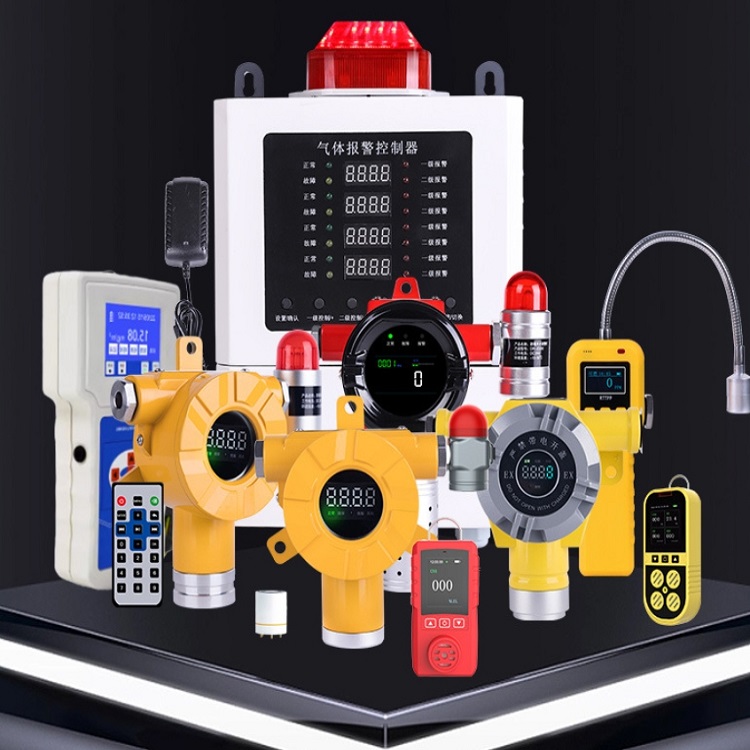
Circuit Systems: The stability and anti-interference capability of circuit systems affect signal transmission and processing. If there are faults, noise, or interference in the circuit, it can lead to inaccurate measurement results.
Sample System: The performance of the sampling system affects the collection and transmission of gas samples. Issues such as clogged sampling tubes, gas leaks, or uneven sampling speed can cause the gas entering the sensor to differ from the actual environment, leading to detection errors.
Operational factors
Installation Location: Improper installation can lead to inaccurate measurement of the target gas concentration by the detector. For instance, if installed in a well-ventilated area, the gas diffuses quickly, resulting in potentially lower readings. Conversely, if installed in a corner or a concealed location, gas can accumulate, leading to potentially higher readings.
Operating Instructions: Improper operation can affect detection accuracy, such as not preheating according to the instructions, short measurement time, and instrument movement during measurement.
Maintenance and Service: Timely maintenance ensures that equipment remains in good working condition, including cleaning probes, replacing parts, and replenishing electrolytes. Delayed maintenance can lead to a decline in equipment performance. Which Guizhou four-in-one gas detector is the best?
Gas Property Factors
Gas Concentration: In high concentration gas environments, the detector may experience measurement errors due to sensor saturation and other reasons; in low concentration gas environments, the signal is weak, which may also lead to a decrease in accuracy.
Gas Adsorption: Certain adsorbent gases may be adsorbed onto pipelines or other materials, resulting in measured gas concentrations being lower than actual concentrations.


www.114global.com © Zhongshang 114 Hebei Network Technology Co., Ltd.Address: Room 6009, Oriental New World Center, No.118 East Zhongshan Road, Qiaoxi District, Shijiazhuang City, Hebei ProvincePlatform Service Hotline: 4006299930