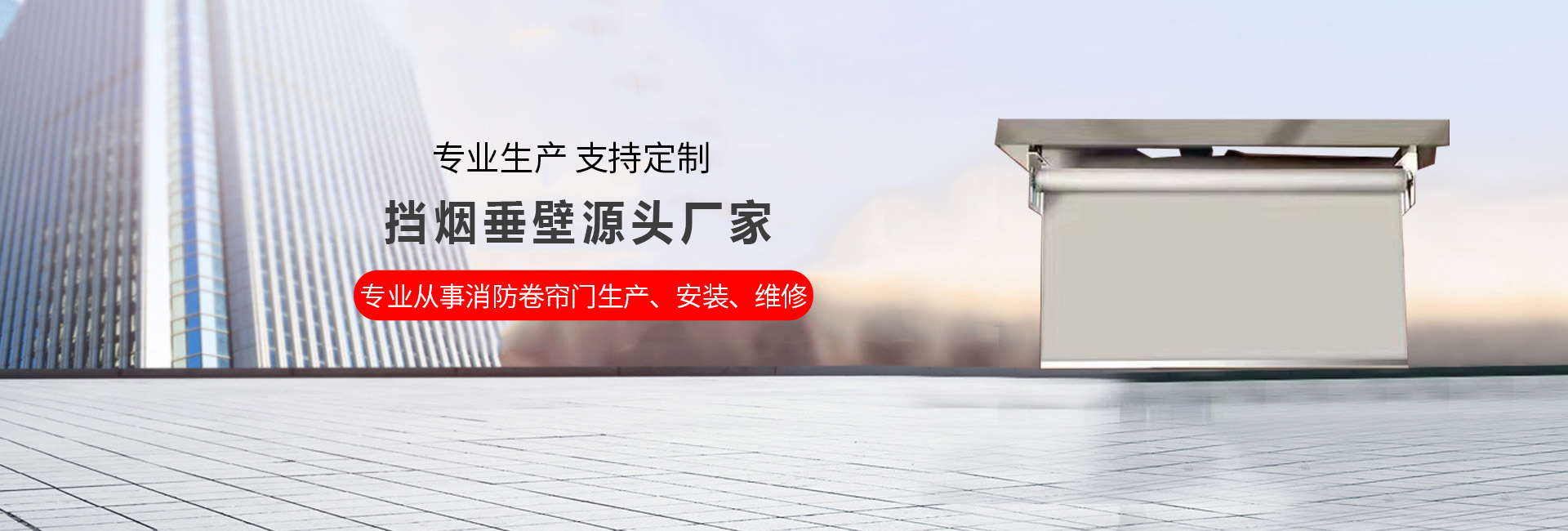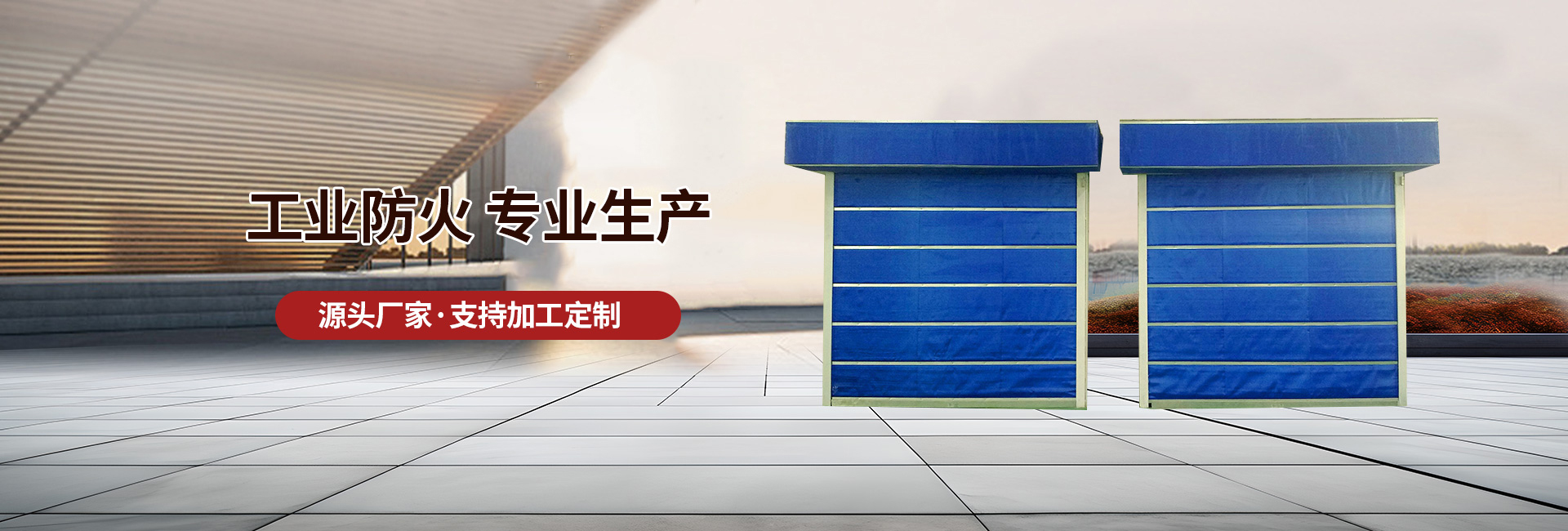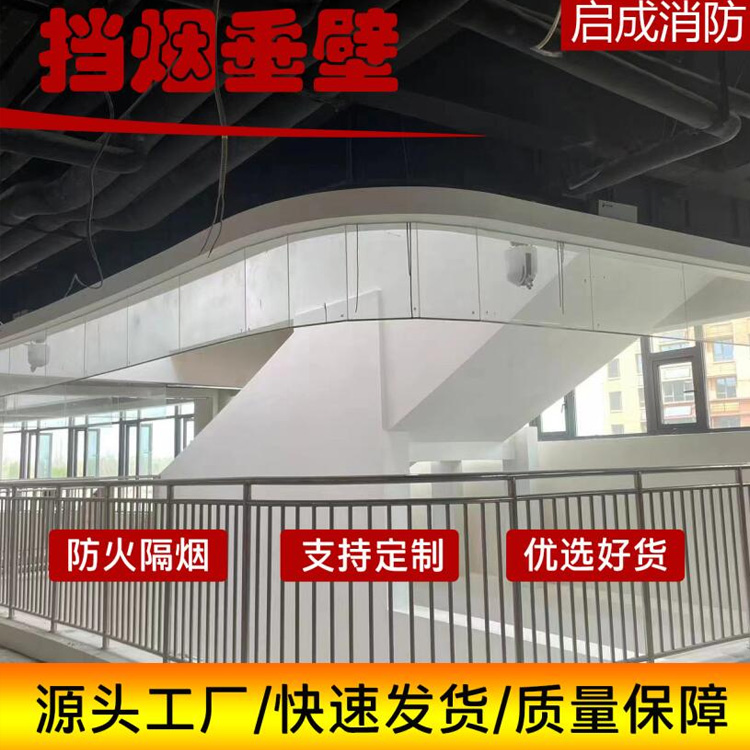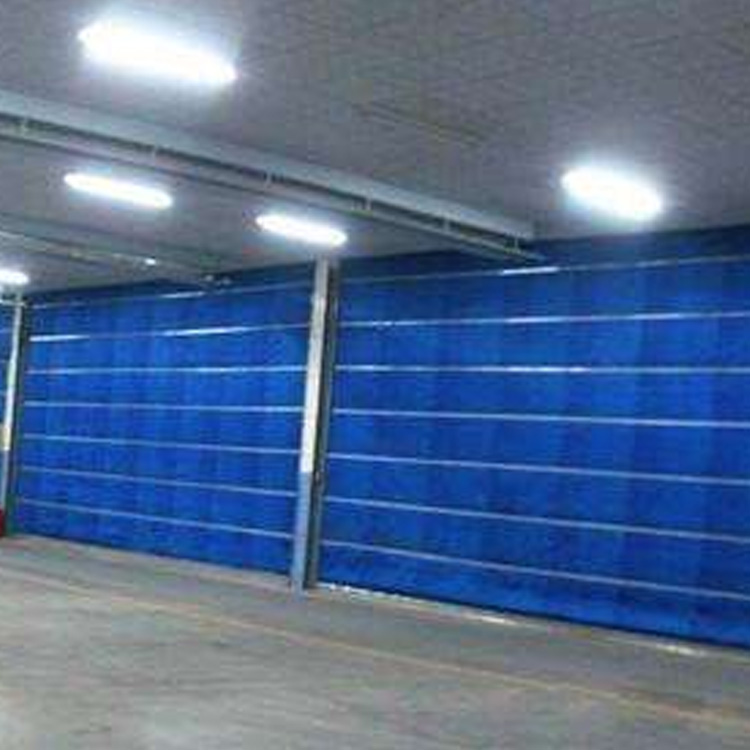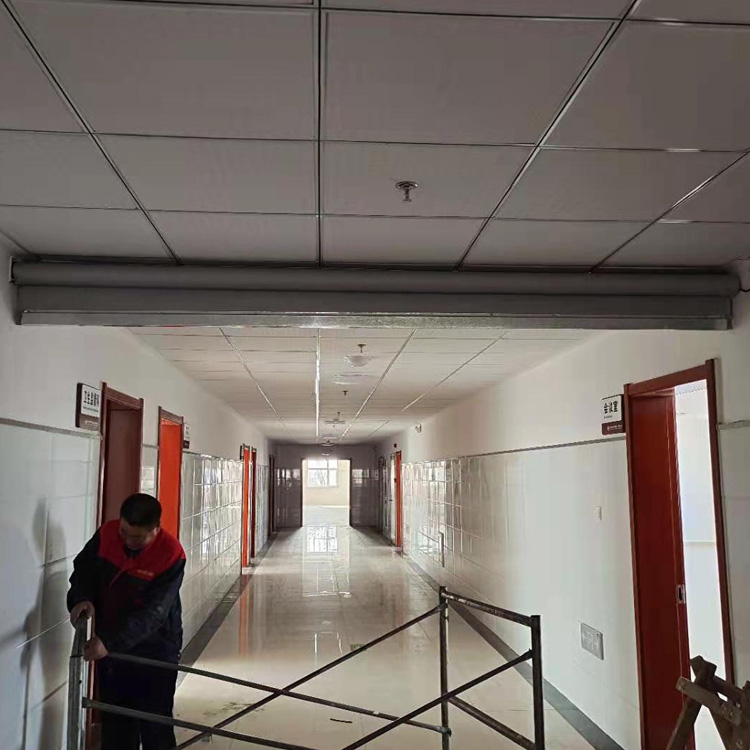

A variety of electric smoke dampers, roller shutter smoke...

Fire-resistant performance: This is a key indicator for fire curtain. According to relevant standards, such as GB14102-2005 "Fire curtain," it should meet the requirements of fire integrity and insulation, among others, within a certain period, along with the frame. Through fire-resistant tests simulating fire environments, its ability to block the spread of fire at high temperatures is assessed, ensuring the safety of personnel and property.
Surface Inspection: The fire curtain door body should be smooth and even, free of scratches, dents, or corrosion. The curtain fabric color must comply with regulations and the markings should be clear and prominent for easy identification during use.
Dimension and Thickness Deviation Detection: Dimensions must ensure a match with the openings of the building to effectively play a fire separation role. At the same time, thickness deviations must be detected, as this indicator can reflect the structural strength and fire-resistant performance of the roller shutter to some extent.
Aesthetic Quality Inspection: Conducts meticulous checks for surface issues such as bubbles and cracks on roller shutter surfaces. Good aesthetic quality not only enhances its appearance but also ensures stability and reliability during use.
Curvature Detection: Excessive bending can obstruct the operation of the curtain fabric, affecting its normal lifting and lowering. Therefore, rigorous inspections are necessary to ensure the curvature meets standard requirements.
Operation Speed Test: The operating speed of the electric opening and closing should be between 2m/min and 7.5m/min, with the self-weight descent speed not exceeding 9.5m/min to ensure quick and stable closure during emergencies.
Average Noise Detection: The average noise generated during operation should not exceed 85dB to avoid excessive noise that could impact the surrounding environment.
Transmittance Ratio Testing for Visible Light: For special locations with daylighting requirements, visible light transmittance ratio testing is necessary to ensure compliance with daylighting standards while maintaining fire performance.
Fragment State Detection: High-quality fire curtains should maintain good integrity after exposure to high temperatures, preventing excessive fragmentation to avoid hindering evacuation and rescue efforts.
Thermal, Cold Resistance, and UV Radiation Resistance Testing: These tests ensure that fire curtains maintain stable performance under various environmental conditions, unaffected by external temperatures and UV factors.
Impact Resistance Testing: Simulates its performance under external force impact, ensuring it can withstand certain levels of shock in emergency situations without damage or failure.
Fire curtain installation requirements: Inspect the gaps between the fire curtain and the floor, beams, walls, and columns. Use fire-resistant sealing materials for sealing, ensuring the fire resistance of the sealed areas is not less than that of the fire curtain. The installation of the fire curtain controller and manual button box should be firm and reliable, with the bottom edge positioned at 1.3m to 1.5m from the ground. The controller and manual button box should be separately installed on the inner and outer walls of the fire curtain. If one side of the curtain is unoccupied, it can be installed on one wall, but must meet design specifications. Additionally, each fire curtain and its accessories, including the rolling door motor, controller, manual button box, and temperature control release device, should have a label clearly indicating the product name, model, specifications, fire resistance, trademark, manufacturer's name, address, manufacturing date, product number or batch number, and execution standards.


www.114global.com © Zhongshang 114 Hebei Network Technology Co., Ltd.Address: Room 6009, Oriental New World Center, No.118 East Zhongshan Road, Qiaoxi District, Shijiazhuang City, Hebei ProvincePlatform Service Hotline: 4006299930