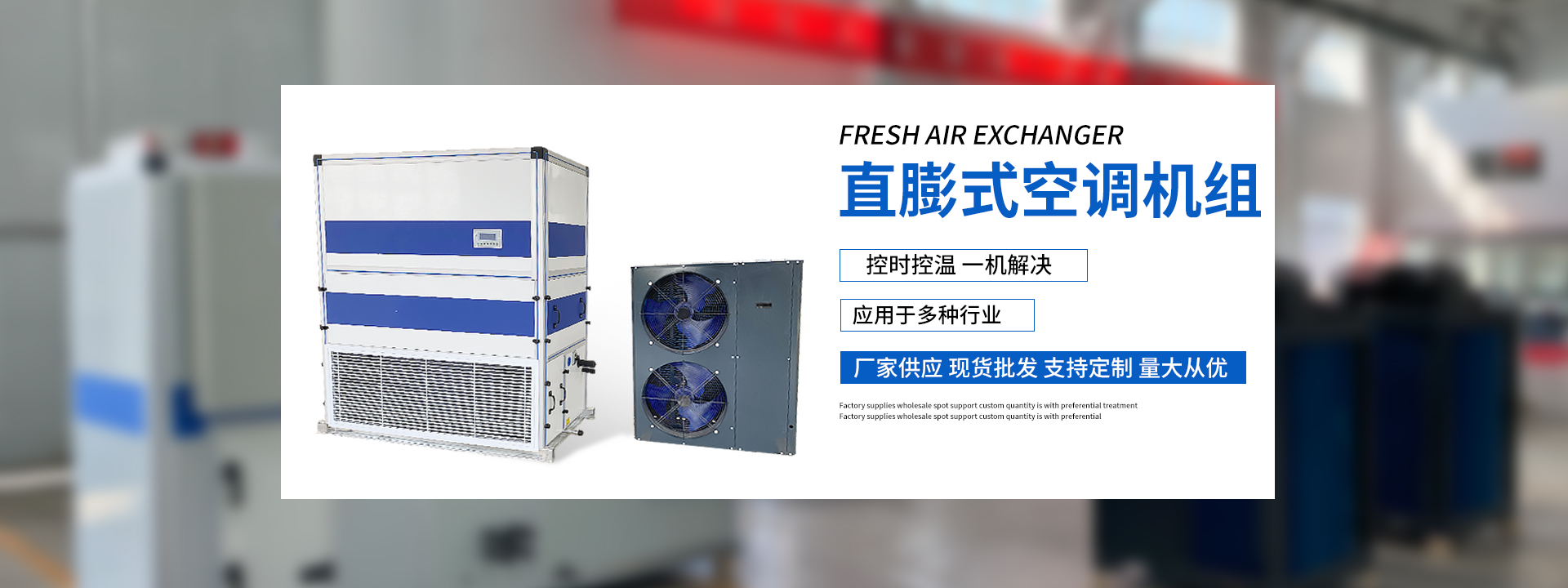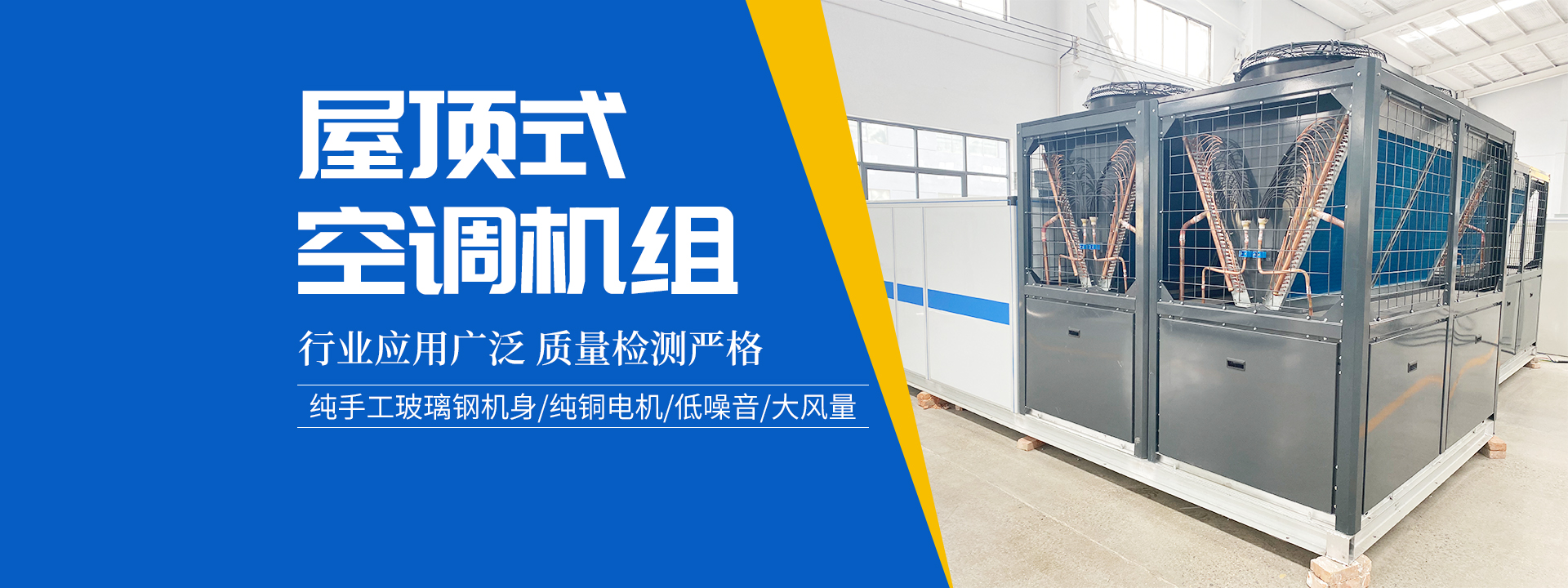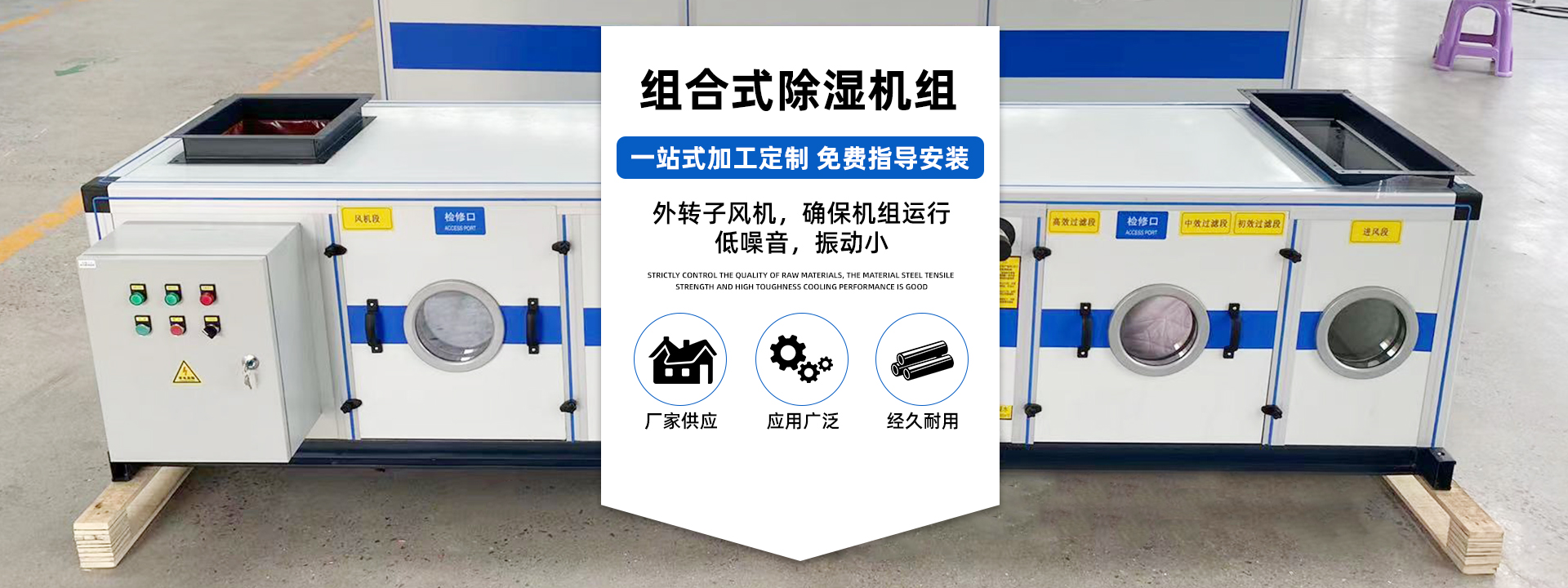

Direct expansion air conditioning units, Constant tempera...



Product Recommendation
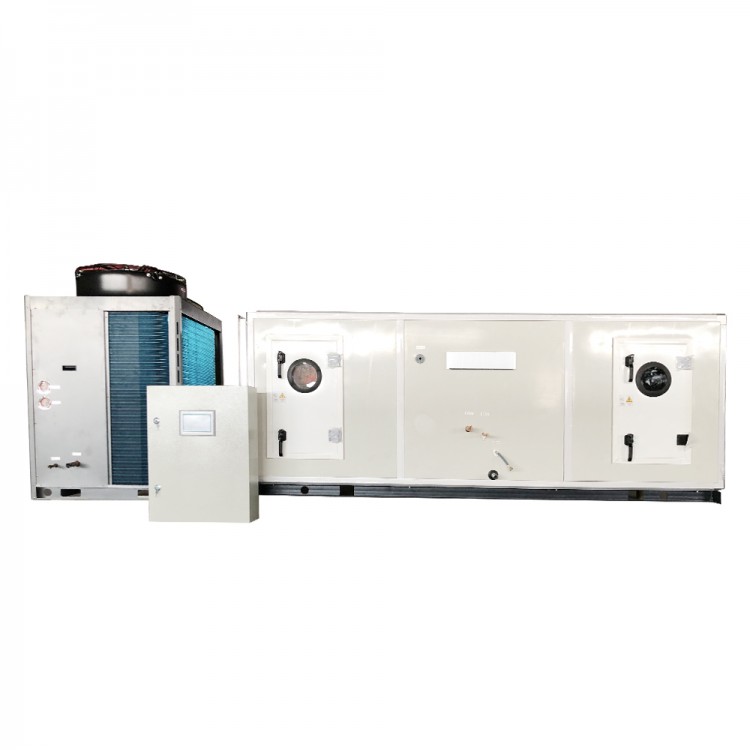
Direct expansion fresh air purification unit, modular air conditioning unit, all-in-one air conditioner for both heating and cooling
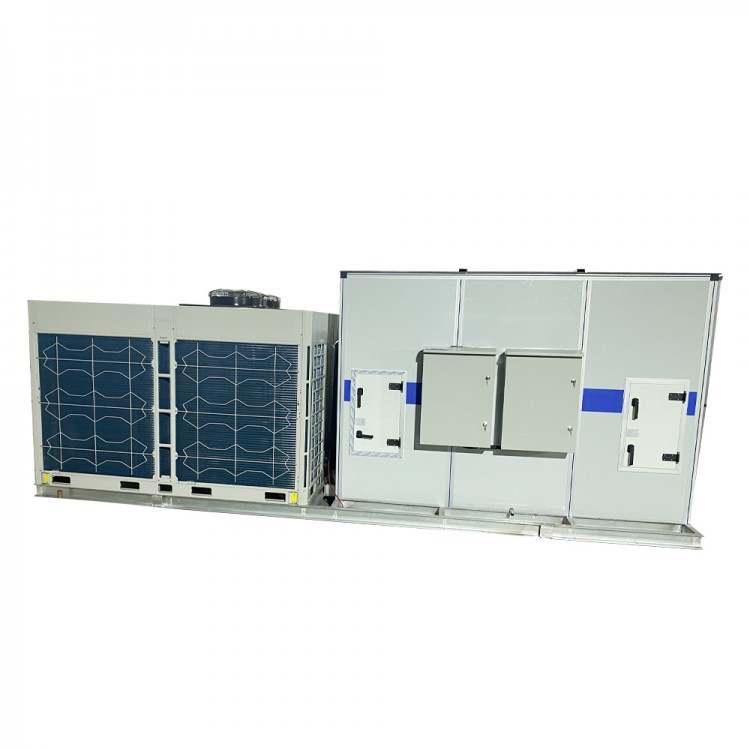
Reneisen Water-Cooled Direct Expansion Constant Temperature and Humidity Purification Air Conditioning Unit, Custom-Made Non-Standard
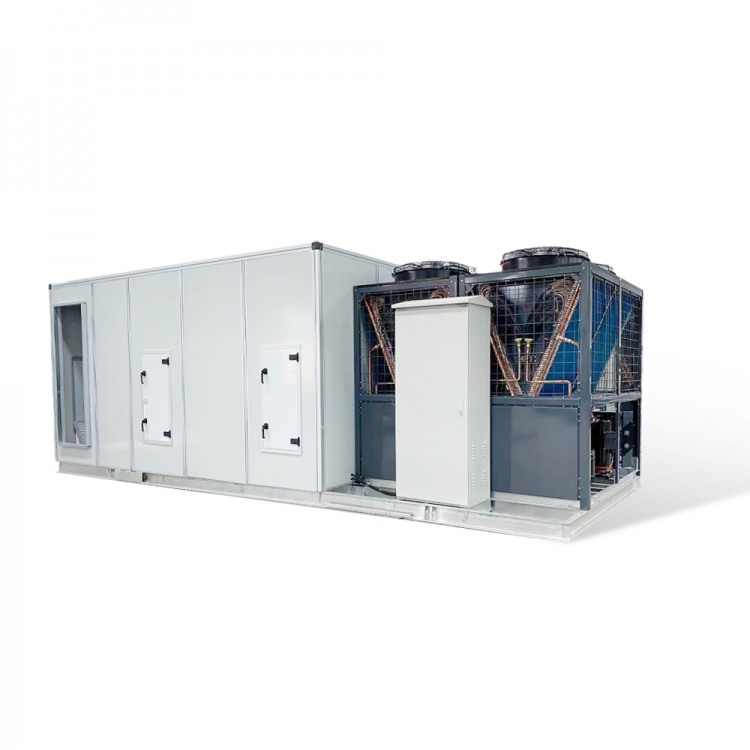
Durable energy-saving roof-mounted air conditioning units for space-saving multi-story residential and hotel buildings
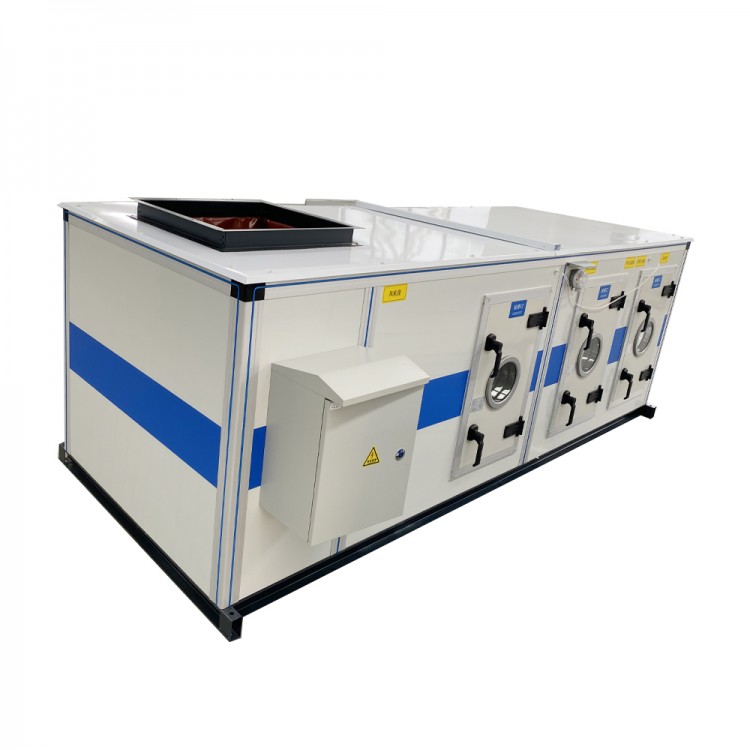
Horizontal modular air conditioning units - Enterprise cooling and heating - Durable - RENISON - Widely used
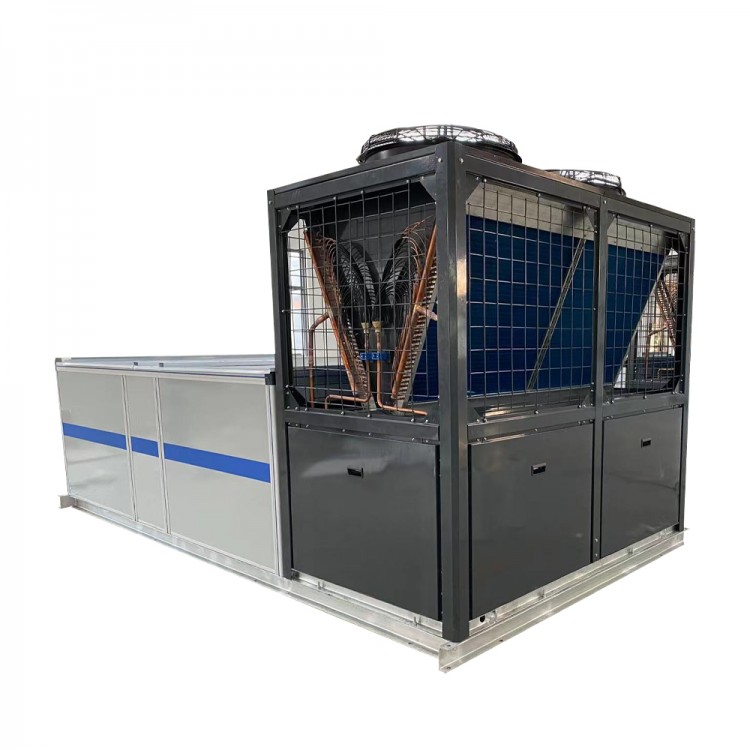
Reneisen custom-made, wind-cooled direct expansion roof-mounted air conditioning unit for commercial buildings, features convenient maintenance against sun and rain exposure.
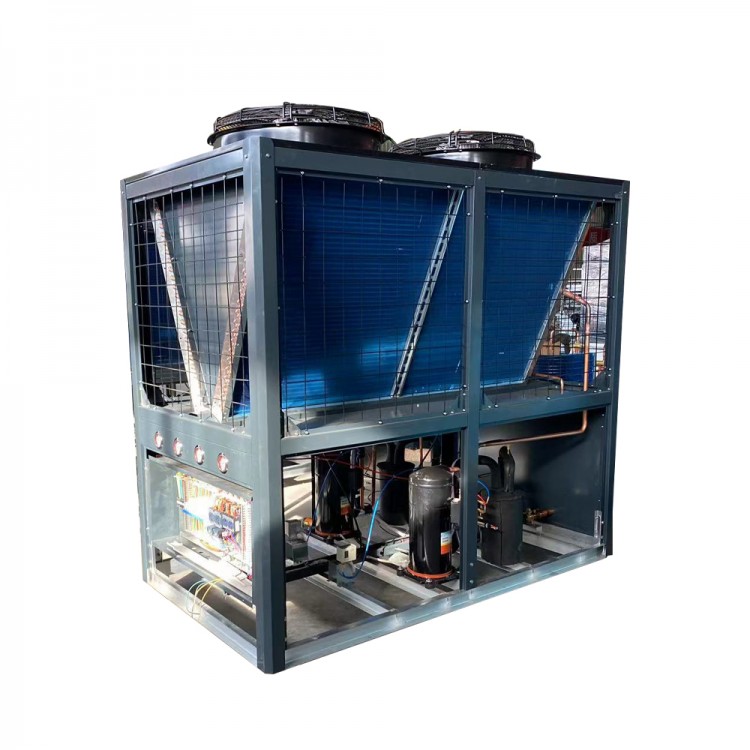
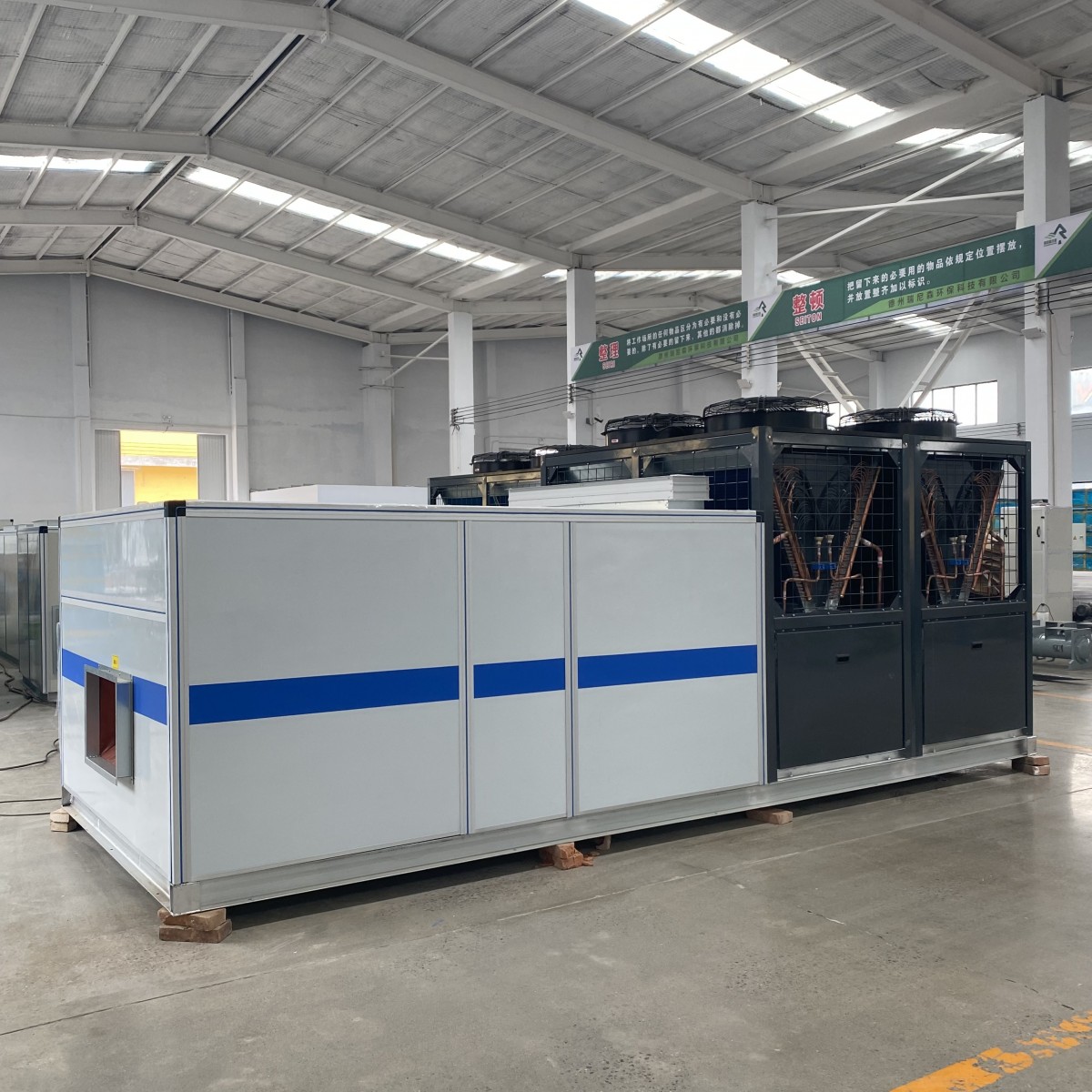
Reneisen custom industrial building roof-top air-cooled direct expansion units in stock, space-saving design
Direct Expansion Air Conditioning Units' Cooling and Heating Modes
The Direct Expansion (DX) air conditioning unit system is a full-air system, consisting solely of an outdoor unit and an indoor unit, eliminating the need for additional equipment such as pumps, cooling towers, and fan coils. It also doesn't require condensate drainage pipes, making installation and operation extremely convenient. The system features no moving mechanical parts or water pipes indoors, ensuring no worries about noise or leaks, and is easy to maintain. The unit can be placed on rooftops or outdoor open spaces, eliminating the need for a dedicated machine room, thus saving on initial investment. The system does not require secondary refrigerant, resulting in high efficiency. The DX air conditioning unit is versatile, offering convenient functions such as air purification, dehumidification, humidification, cooling, heating, and fresh air volume regulation. It is suitable for a variety of locations including shopping malls, restaurants, entertainment venues, office buildings, clubs, and general industrial workshops. Additionally, it is ideal for clean rooms in industries such as food, electronics, chemicals, research, and machinery.
Direct Expansion Air Conditioning Unit Working Principle:
Refrigeration Mode:
The outdoor finned heat exchanger serves as the condenser, while the indoor finned heat exchanger acts as the evaporator. The high-temperature refrigerant gas discharged from the compressor condenses into a liquid in the outdoor finned heat exchanger, then throttled and pressure-reduced by the expansion valve to become a low-temperature gas-liquid mixture. This mixture then flows into the indoor finned heat exchanger, absorbs heat, evaporates, and returns to the compressor, completing a refrigeration cycle. At the same time, the return air (or fresh air) from the indoor environment, after passing through the indoor finned heat exchanger (which acts as the evaporator at this point), is cooled and dehumidified. The chilled air is then recirculated into the room by the indoor fan.
Heating Mode:
The outdoor finned heat exchanger serves as the evaporator, while the indoor finned heat exchanger acts as the condenser. The high-temperature refrigerant gas discharged by the compressor condenses into a liquid within the indoor finned heat exchanger and then throttles through an expansion valve to reduce pressure and become a low-temperature gas mixture. This mixture then flows into the outdoor finned heat exchanger to absorb heat, evaporate, and return to the compressor, completing one refrigeration cycle for the direct expansion air conditioning unit. At the same time, the return air (or fresh air) from the indoor environment passes through the indoor finned heat exchanger (acting as a condenser at this point) and is heated and warmed. The treated warm air is then blown back into the room by the indoor fan.
Here's the introduction to the direct expansion air conditioning units provided by the editor! I believe you all should have a good understanding by now. That's all the editor has to share for now. If you have any further questions, the editor will be happy to clarify at any time!


www.114global.com © Zhongshang 114 Hebei Network Technology Co., Ltd.Address: Room 6009, Oriental New World Center, No.118 East Zhongshan Road, Qiaoxi District, Shijiazhuang City, Hebei ProvincePlatform Service Hotline: 4006299930