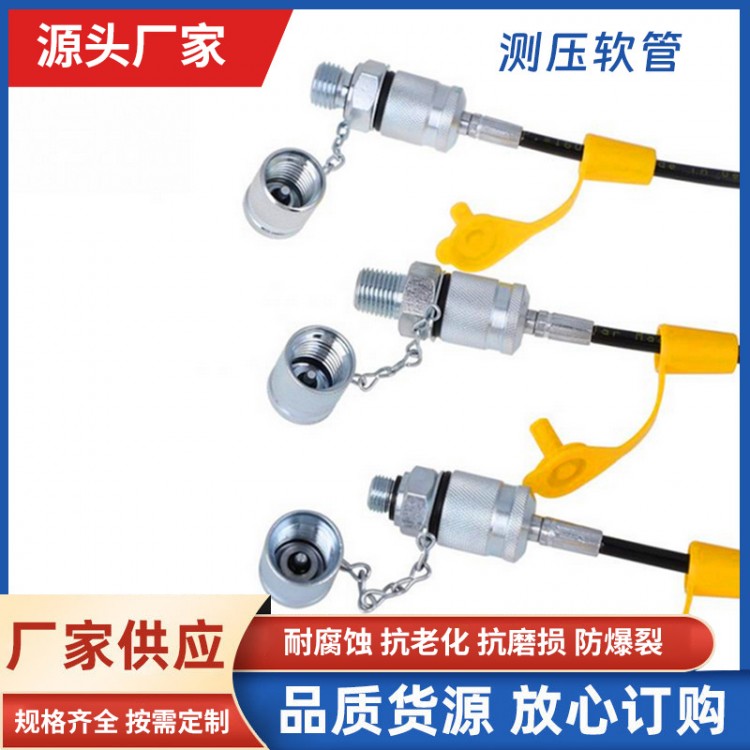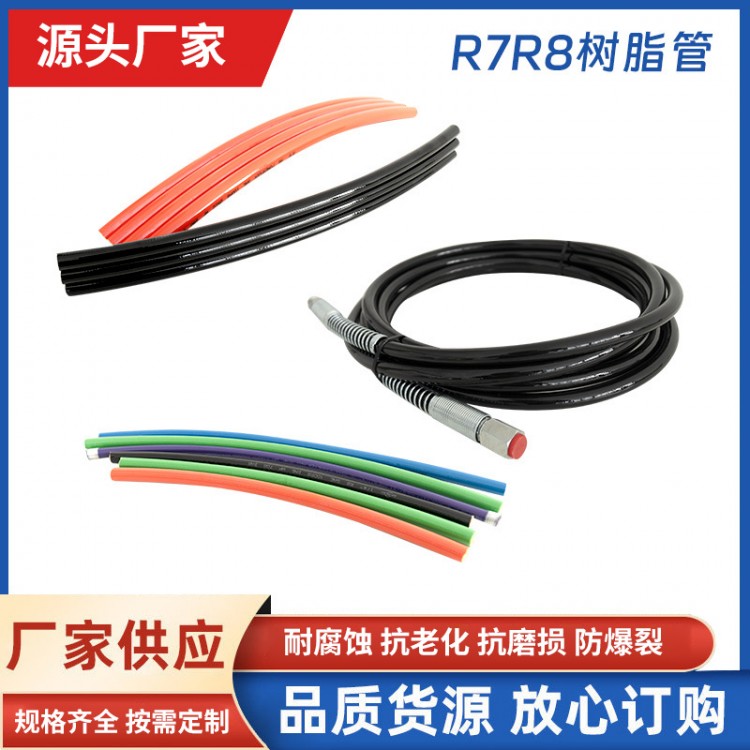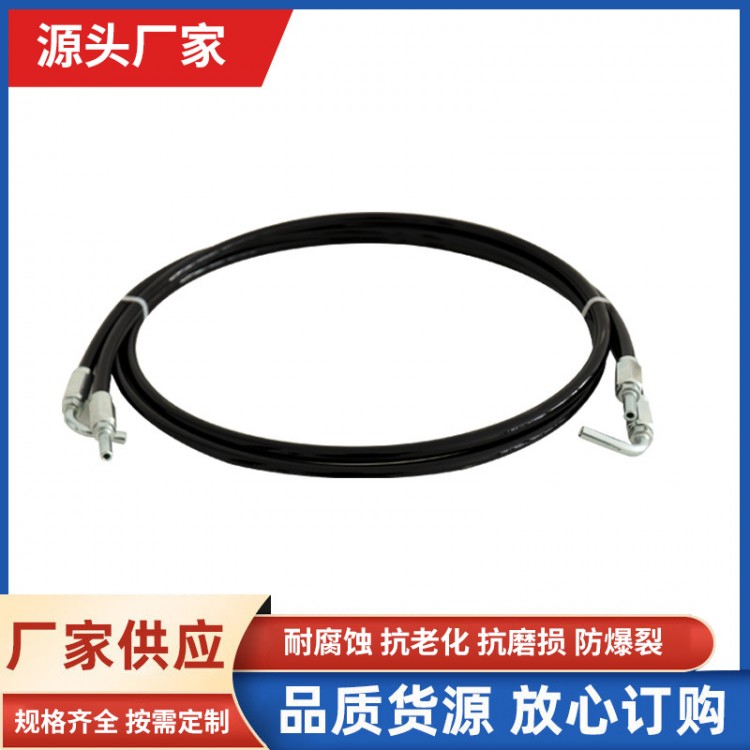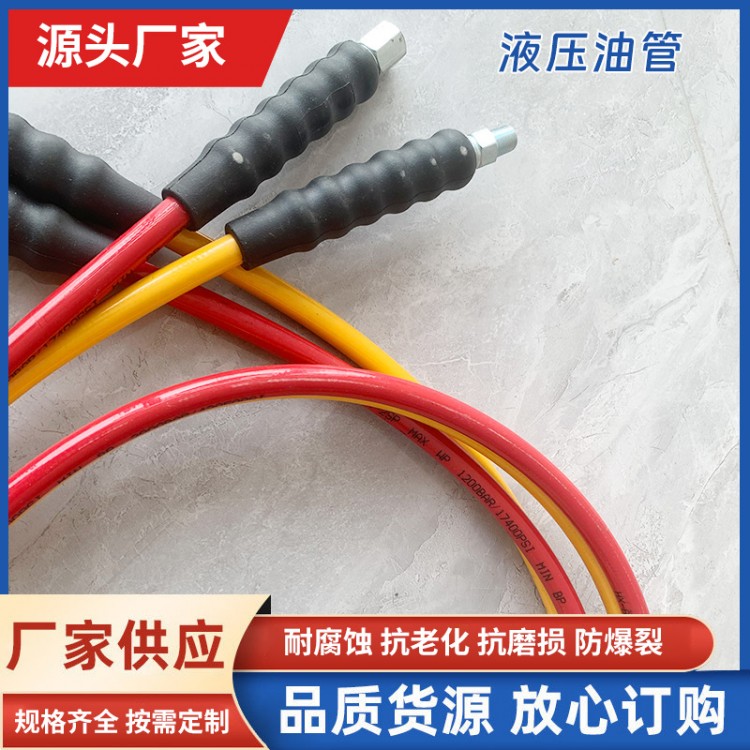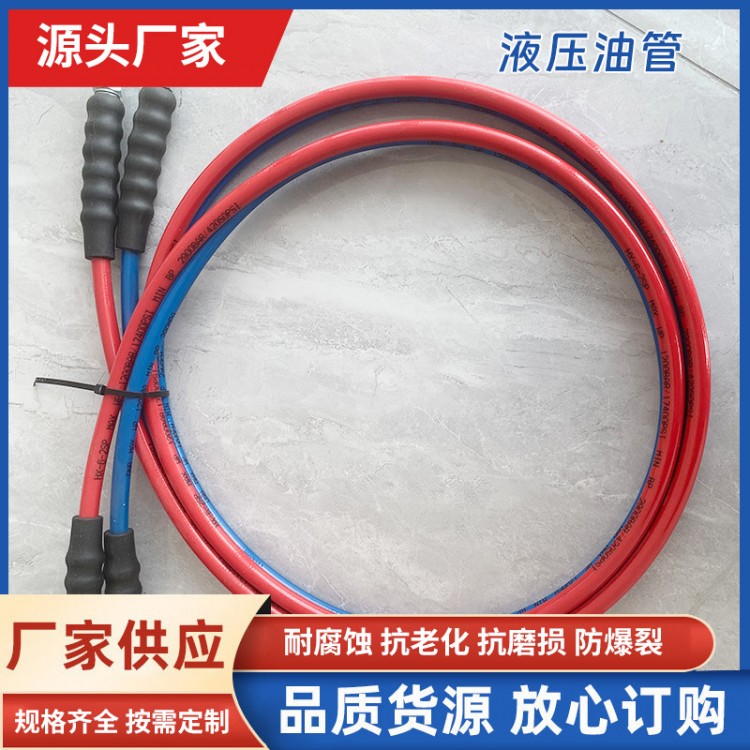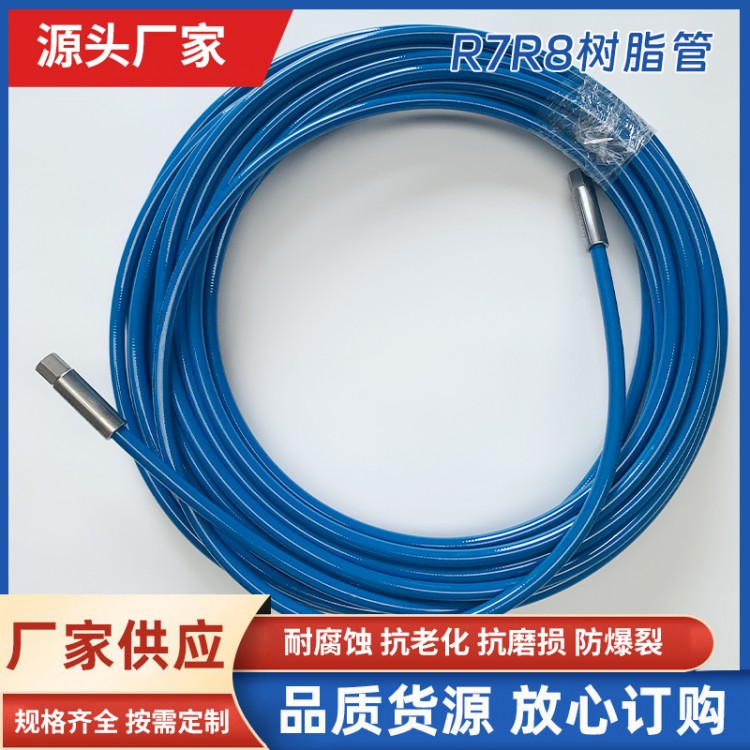
High-pressure hoses, nylon resin tubes, nylon hoses, pres...

Hose coupling is a critical task, involving various aspects of industrial fields such as hydraulic systems, pneumatic systems, and high-pressure liquid conveyance. Proper connections ensure system safety and smooth operation. Below are some basic steps and practical tips for hose coupling.
Preparation: Before engaging in high-pressure hose connections, some preparation is required. Firstly, confirm the necessary hoses and fittings, including their sizes, materials, and pressure ratings. Secondly, clean the surfaces of the hoses and fittings to ensure there is no dirt or grease.
2. Cut Hoses: Depending on actual needs, use the appropriate tools to cut the hoses to the required length. Pay attention to use dedicated hose cutting tools to ensure the cut ends are flat and perpendicular.
3. Install Fittings: Select the appropriate fitting based on the type of hose and connection method. Insert the fitting into the hose port, ensuring it is fully seated.
4. Reset Collars: For certain connection methods, such as threaded connections, a reset collar is required to ensure the tightness of the connecting parts. Place the reset collar on the exterior of the connecting part, and gradually rotate it to achieve a tight fit with the connecting part.
5. Fasteners: Secure fasteners using appropriate tools, such as a wrench or socket. Be cautious not to over-tighten to avoid damaging the hose or fastener. Additionally, ensure that the hose is not loose or detached after the fastener is secured.
6. Conduct Testing: After the connection is completed, perform a system pressure test to ensure the reliability and safety of the high-pressure hose connections. When conducting the test, safety should be a priority, make sure the work area is clear of other personnel, and follow the relevant operational procedures.
When making high-pressure hose connections, there are some practical tips to keep in mind:
1. Standard Components Used: The selected hoses and fittings are ensured to meet relevant standards and specifications. Using products that comply with standards provides a more reliable and secure connection.
Avoid kinking and twisting: When installing hoses, be sure to avoid kinking and twisting them. This practice prevents wear and damage to the hoses, ensuring the reliability of the connections.
Regular inspections and maintenance: Conduct regular inspections and maintenance of high-pressure hose connections, including checking the tightness of the fittings and the wear on the hoses. In case of any issues, replace or repair promptly.
Hose coupling is a task that requires skill and experience. By following the correct steps and practicing proper techniques, reliability and safety can be ensured. Additionally, regular inspections and maintenance are crucial; only by keeping the hose connections in good condition can the risk of safety accidents be minimized to the fullest extent.


www.114global.com © Zhongshang 114 Hebei Network Technology Co., Ltd.Address: Room 6009, Oriental New World Center, No.118 East Zhongshan Road, Qiaoxi District, Shijiazhuang City, Hebei ProvincePlatform Service Hotline: 4006299930