

Product Overview
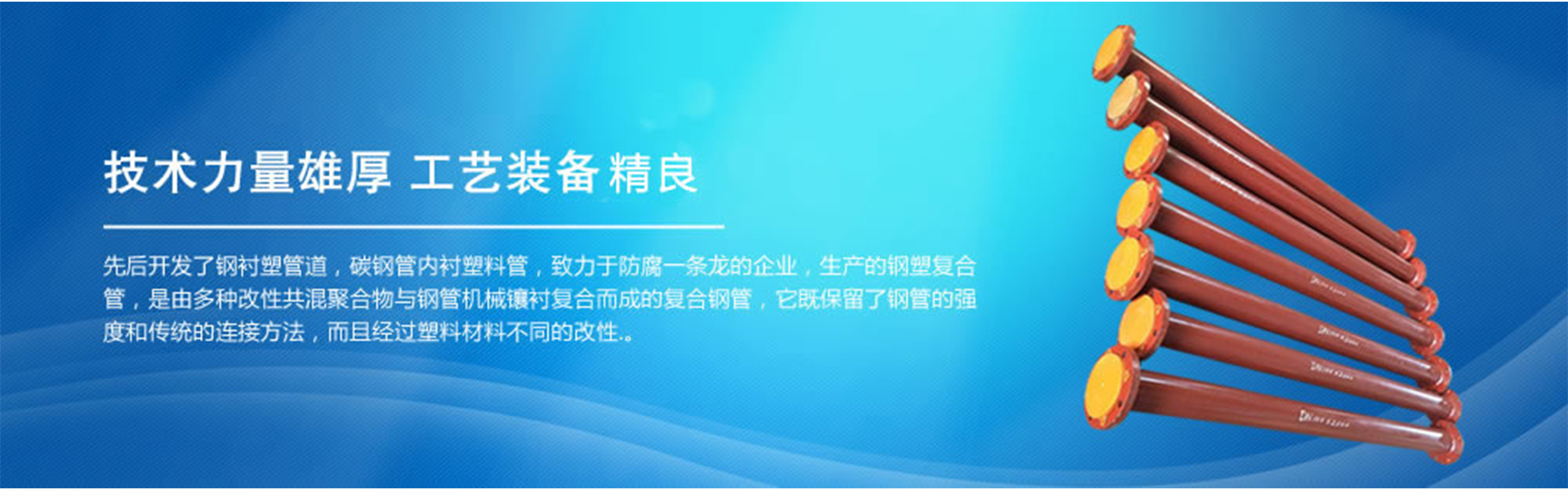
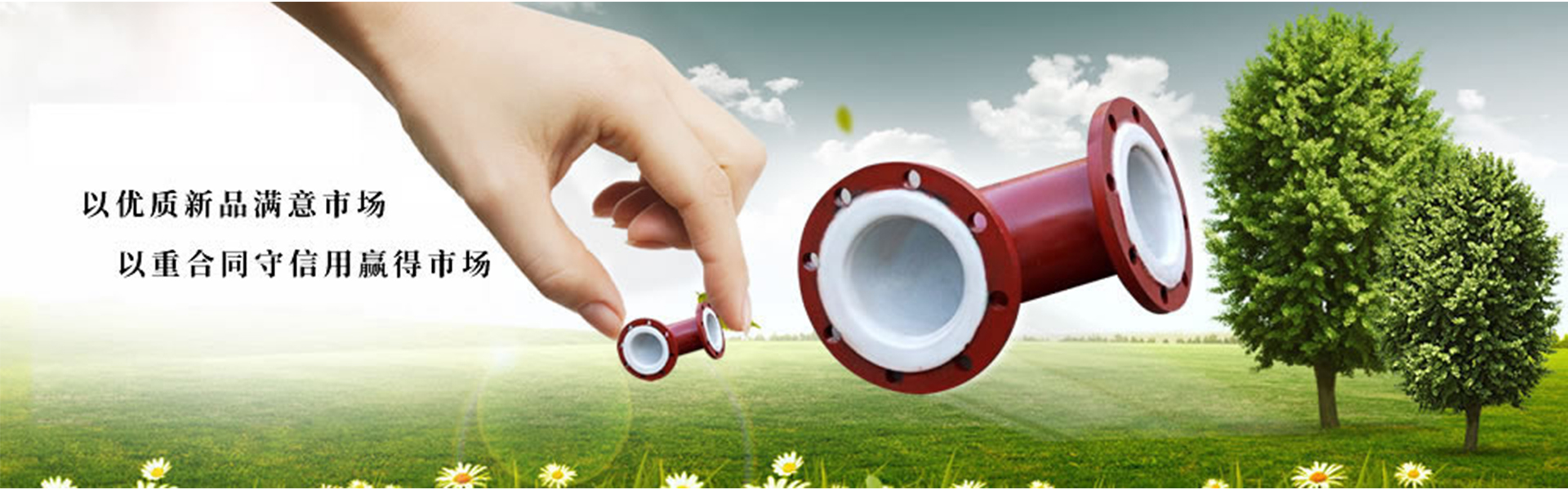
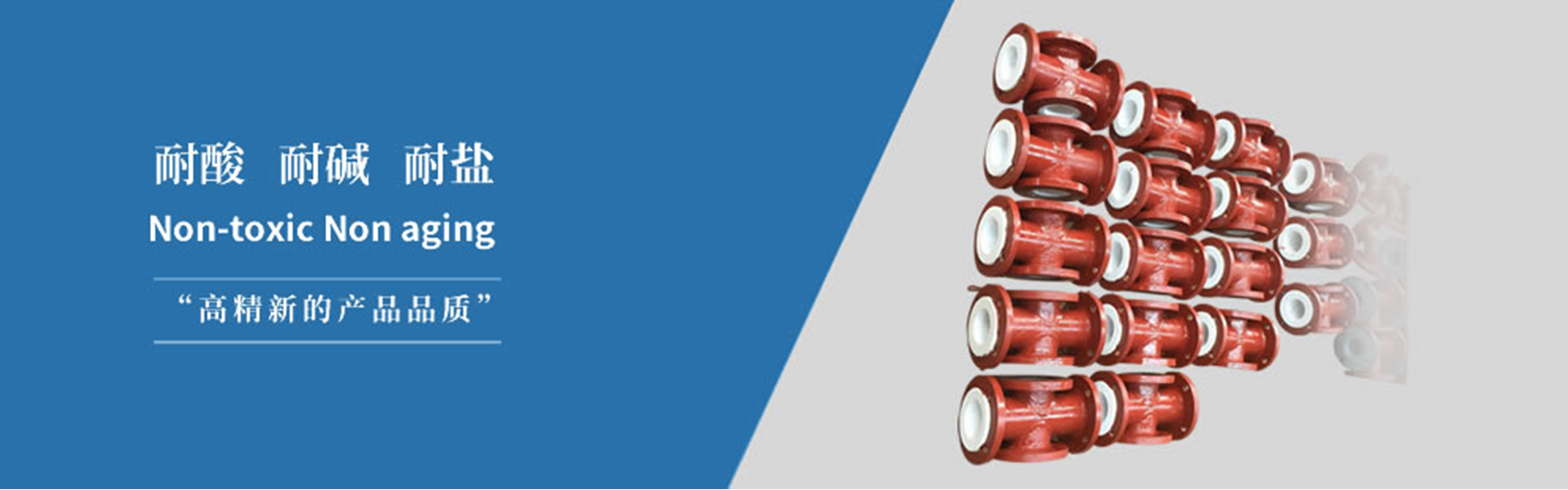
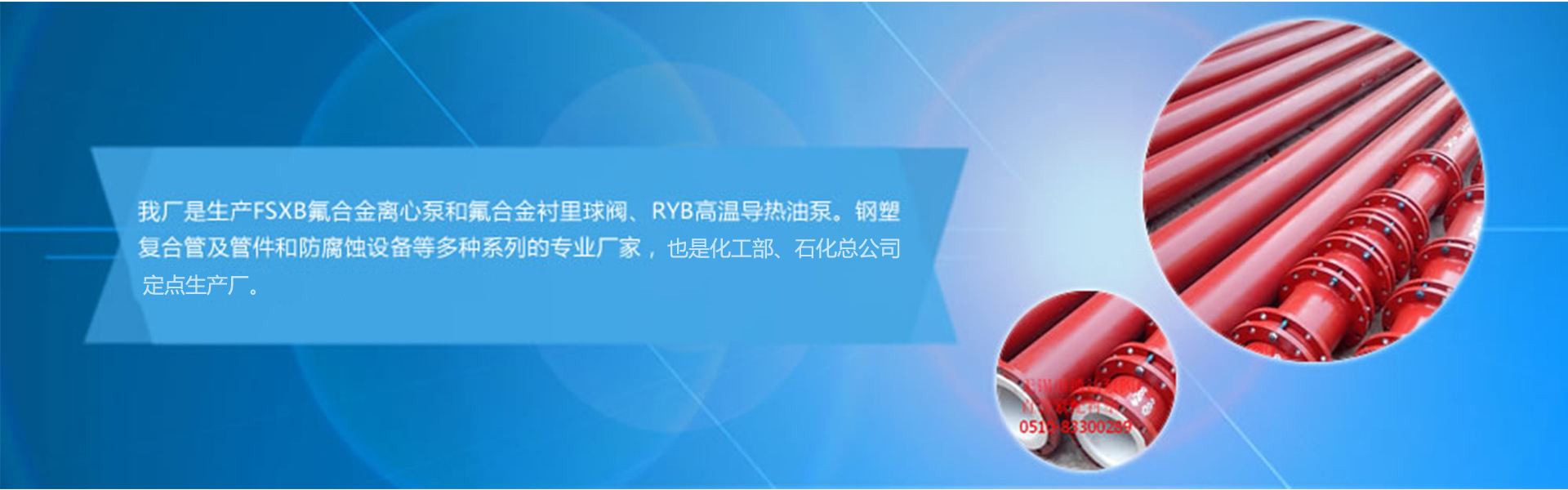
Steel-lined PO pipe fittings, with the shell made of seamless steel pipe and the inner lining of PO (polyolefin) material. Polyolefin (PO) is a general term for a class of polymer compounds, including polyethylene, polypropylene, butene, and other olefinic polymers.
Steel-lined PO pipe, utilizing seamless steel pipe as the base material, with the inner lining PO made by a thermoplastic spinning process for one-time forming. Due to the strong adhesion between steel and plastic, it combines the strength of metal with the corrosion resistance, high and low temperature resistance, vacuum resistance, and aging resistance of PO. The inner lining of PO in channels, tanks, reactors, and other lining equipment can be used for secondary repairs.
PO Parameters Performance
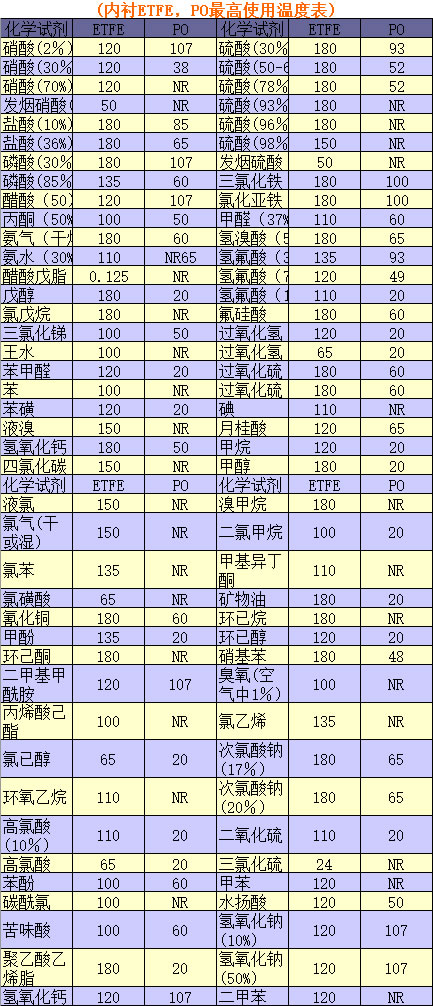
Excellent corrosion resistance to hydrochloric acid, dilute sulfuric acid, hydrofluoric acid, alkalis, and salt solutions; not resistant to concentrated nitric acid, 70% sulfuric acid, 50% nitric acid, and 85% phosphoric acid; good corrosion resistance to general acids, alkalis, salts, and organic solvents.
Application Range: Suitable for conveying corrosive gases, liquids, slurry, and solid-liquid mixtures.
Temperature Range: -20℃ to 100℃
Operating Pressure: Positive pressure is 1.0 MPa; negative pressure is 65 KPa.
Physical and Mechanical Properties: Density: 1.73~1.75 g/cm³, Tensile Strength: 241 MPa, Tensile Strength: 11.7 MPa, Hardness: 52D
Standard of Execution:
HG/T 20538-92 "Plastic Coated PE, PP/PVC Steel Pipes and Tubes"
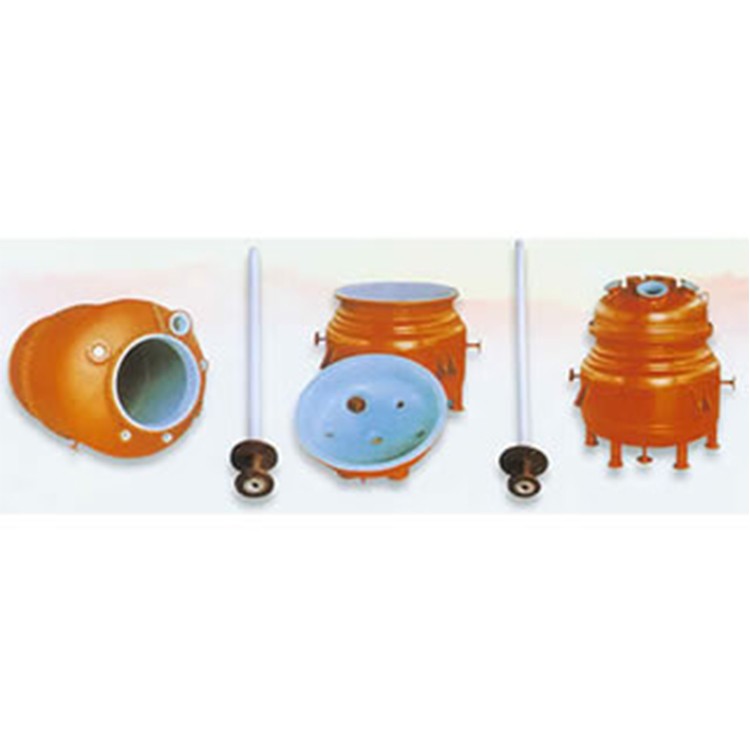
Polyolefins (PO) are scientifically formulated and processed using a special thermal melting and rotational molding technique. After being treated for rust removal on large pipelines, storage tanks, storage bins, reactors, vessels, tower sections, and other equipment, they are heated and then evenly rolled onto the inner surfaces of the workpieces or equipment through N and S rotations. This results in a cohesive, heat-fused layer that solidifies upon cooling, providing excellent overall strength without delamination and is suitable for long-term use under low vacuum conditions. It exhibits resistance to corrosion from various concentrations of acids, alkalis, salts, and certain organic solvents, as well as impact resistance, static dissipation, and is non-toxic. The operational temperature range is -15°C to 90°C, making it a cost-effective alternative to stainless steel, lead-lined, titanium, enameled, and rubber products. It is easy to shape and widely used on large equipment and complex, non-standard components.
Special process requirements or resistance to significant negative pressure can be met by spot welding a steel wire mesh on the inner wall of the workpiece, which is then formed through PO hot forming. The process can handle sizes from DNC25 to 3000mm, and can also fabricate linings for various non-standard pieces, including pipes of different specifications and various chemical equipment.