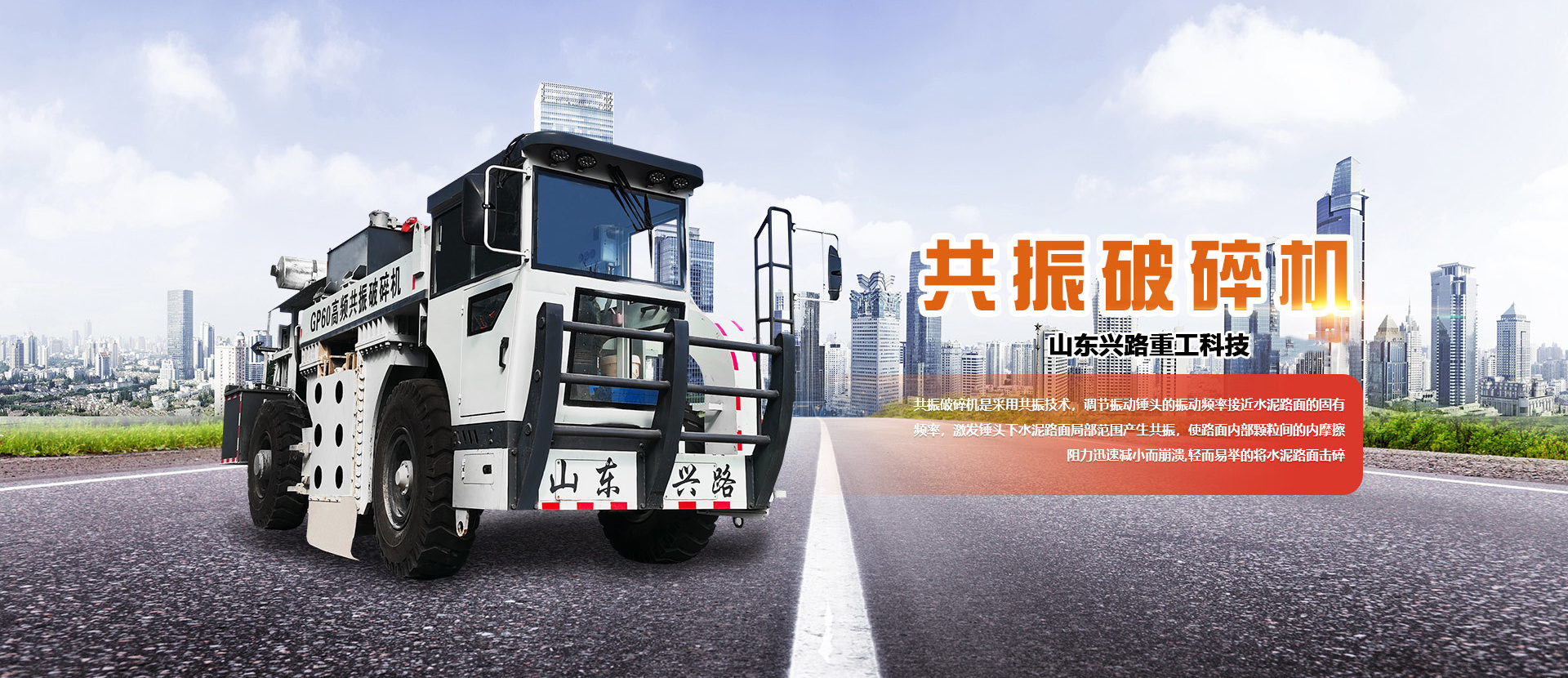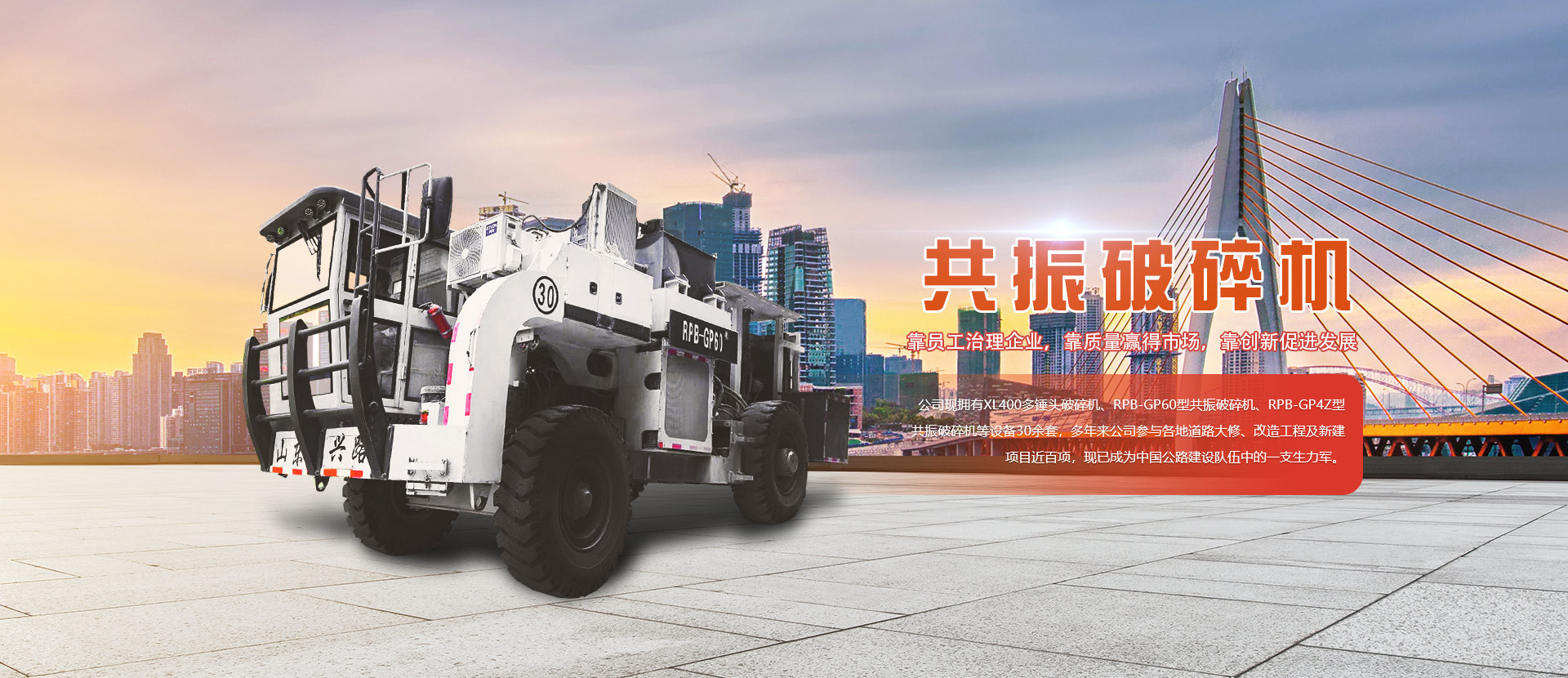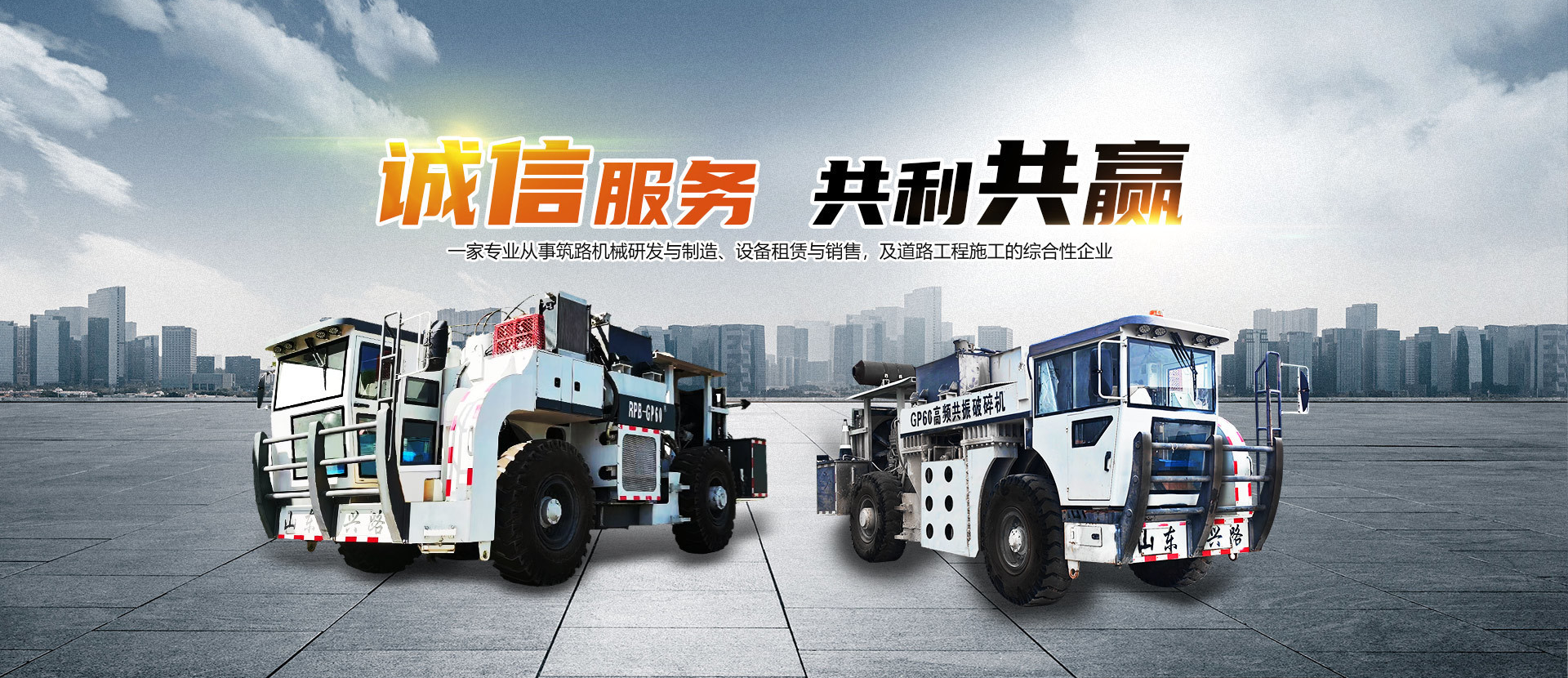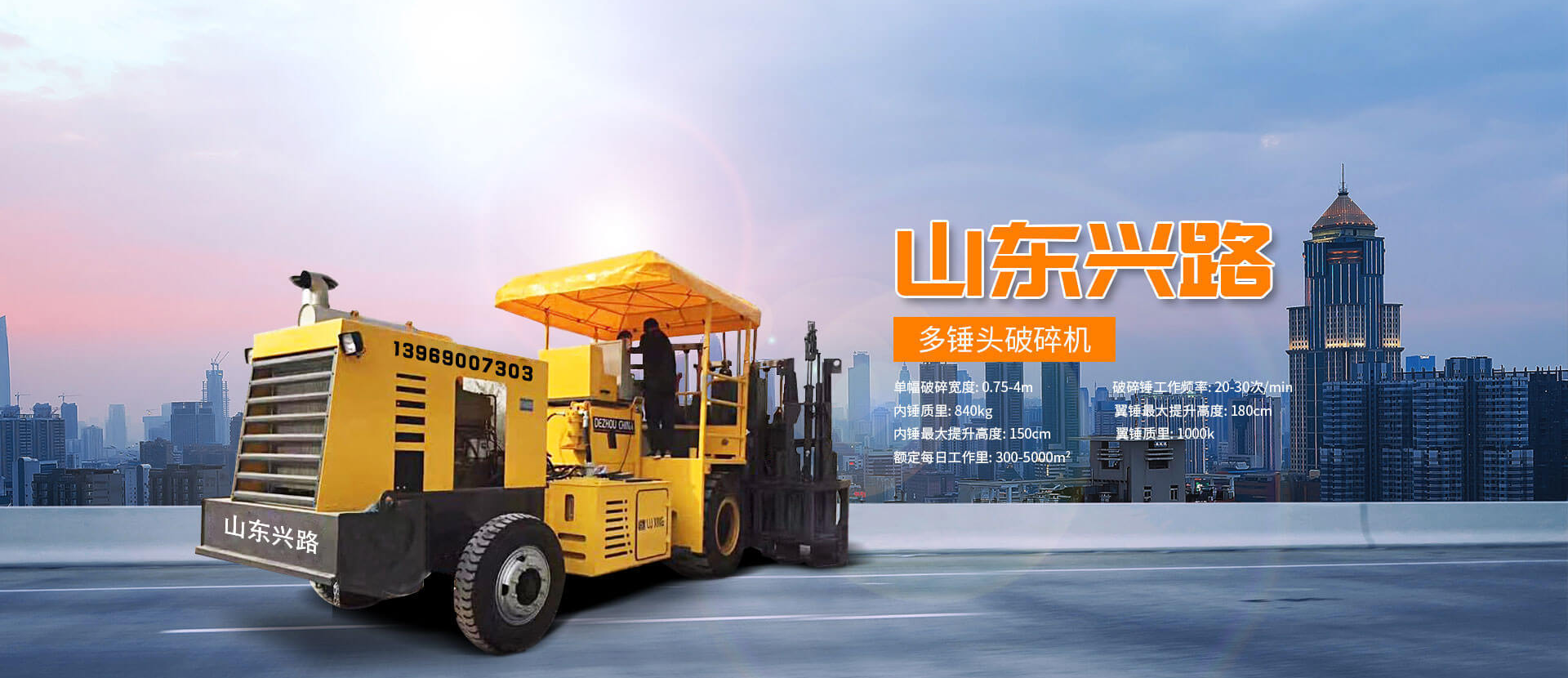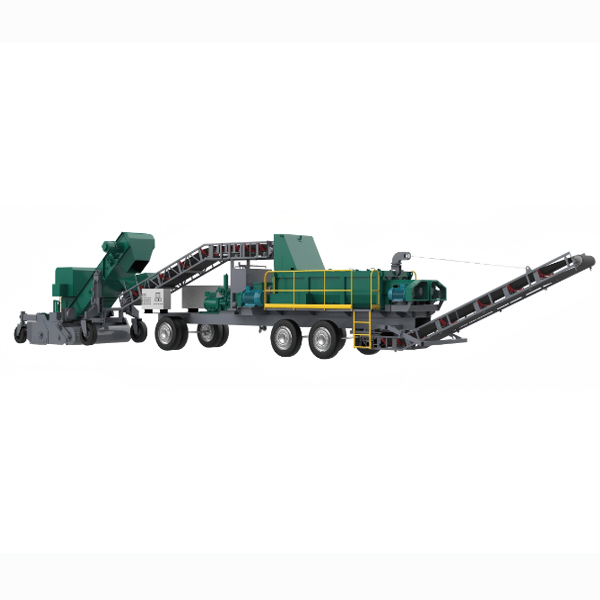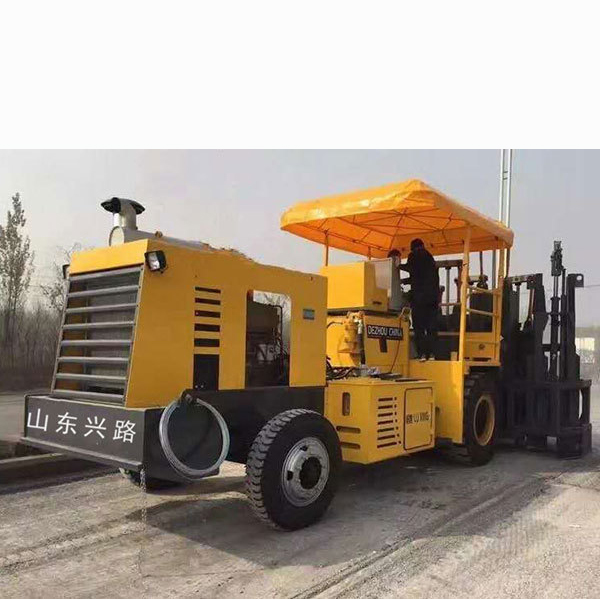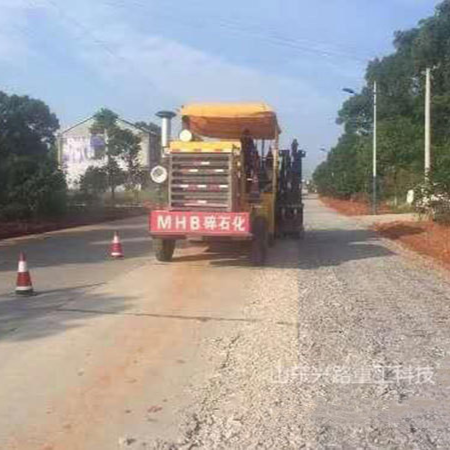
Resonant Crusher, Resonant Crushing Machine

Currently, most of the cement concrete road surfaces on our provincial roads were constructed around the year 2000. How to renovate these roads to achieve the "white to black" transformation of cement road surfaces has become a practical issue that the highway construction sector faces and must resolve. In recent years, various explorations have been made in many renovation projects. With the development of our city's transportation infrastructure, these concrete road surfaces have suffered severe damage and have entered their normal renovation cycle. However, the reflection of cracks in cement concrete road surfaces is the fundamental cause affecting the lifespan and performance of the paving. The application of cement concrete pavement破碎化 technology has accelerated the road construction process. Let's take a look at how this technology is used in maintenance and repair of cement road surfaces!
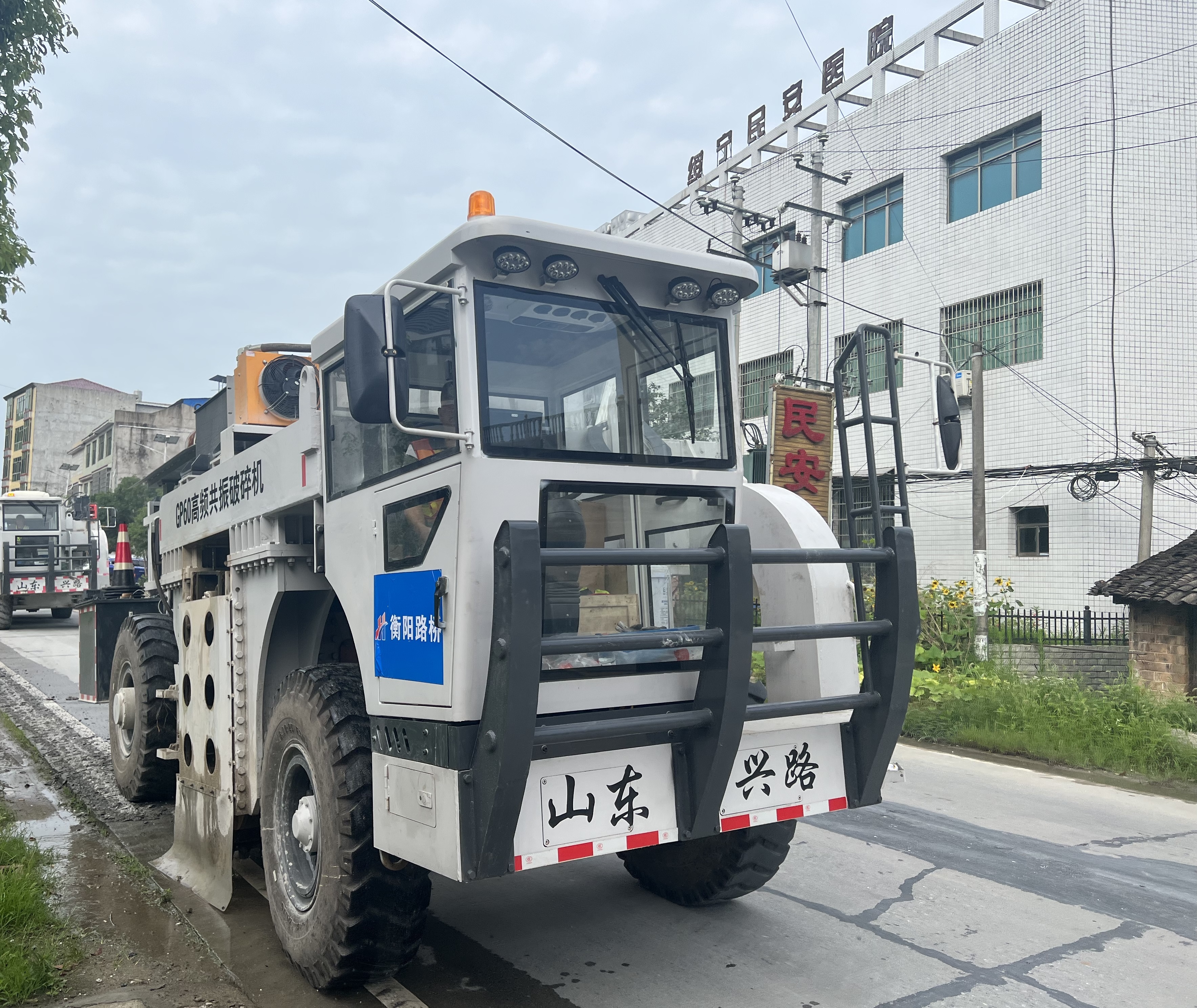
Advantages and Disadvantages of Cement Road Crushing Technology
1) The technology for converting cement road surfaces into gravel involves breaking up and removing concrete slabs, which is challenging due to transportation difficulties. Furthermore, the original structure layers and subgrade are severely damaged after the removal of concrete slabs, making the process difficult. The original structure layers fail to meet the requirements for social and construction vehicle traffic, significantly restricting and impacting the construction progress.
2) The cost of replacing cement slabs and deep-drawn plates is high, and deep-drawn plates do not fundamentally resolve the issue of hollows at the bottom of cement slabs. Since the cement slabs are not in a suspended state, the plum blossom-shaped deep-drawn holes on the slabs allow the cavities at the bottom to be connected, thus cannot guarantee the deep-drawing effect. Moreover, the construction vehicles and machinery must pass through, making it difficult to close traffic and ensure the sufficient curing period of the cement slurry, especially as cement roads are typically upgrades of old roads.
3) Fracturing stabilization is suitable for road reconstruction with mild concrete slab diseases, but it is difficult to fundamentally resolve asphalt pavement cracks caused by the reflection of cracks in concrete pavements.
4) The cement road surface crushing technology is a new technique for the maintenance, repair, and regeneration of cement road surfaces. It aims to minimize environmental impact, maximize the remaining strength of existing concrete slabs, and crush old concrete road surfaces using specialized equipment. These crushed materials are then used as subgrade or base layers, fully utilizing the existing paving structure materials. A cement-stabilized crushed stone pavement and structural layer are laid on top of this, followed by asphalt paving.
Principle of Crushing and Screening
The primary issues to address when converting old concrete road surfaces to asphalt are to prevent thermal and moisture deformation of the old concrete panels, which can lead to warping stresses transmitted to the asphalt layer, causing cracking and shortening the lifespan of the asphalt road. Crushing refers to the process of completely breaking up the existing old concrete road surface using specialized construction equipment. It enhances the compactness of the subgrade, with the crushed concrete panels used directly as the subbase or base, followed by the laying of a new asphalt surface layer, thereby eliminating all existing road defects. Points to note during crushed concrete road construction: the particle size of the crushed road surface increases gradually from top to bottom, forming an interlocking structure between the upper and lower particles. Repair treatments are conducted for road sections with severe defects that occurred before the road was crushed.
When severe potholes, subsidence, and other diseases occur, the small size should not be less than the full lane width and 1.2 meters in length to ensure compaction effectiveness. The concrete pavement in the damaged area should be broken up and excavated, and the fill material filled with cement-stabilized aggregate must be properly spread and compacted.
Mark and protect existing road surface structures and pipelines, particularly concealed culverts and hard-to-detect structures and pipelines.
Structures or pipelines buried more than 1 meter deep are less susceptible to damage from road aggregates and can be easily broken with a reduced hammer height. Structures or pipelines, as well as bridges and culverts, buried less than 0.5 meters deep are prohibited from being broken but can be normally crushed. Structures or pipelines buried between 0.5 and 1 meter deep may be affected by road aggregate breakdown, with a clearance area of 3 meters beyond the outer end line of the structure.
2) Buildings located 10 meters from the shoulder are less prone to damage from road debris; during construction, reduce the hammer height to cause minor cracking on the road surface. For linkages with buildings within 5 meters of the shoulder, normal crushing is permissible. For sections with buildings between 5 to 10 meters from the shoulder, crushing is prohibited.
3) Structures, underground pipelines, houses, etc., embedded at different depths, must be clearly marked with red paint using different symbols to distinguish destruction and ensure safety.
4) Traffic Management: In accordance with the traffic organization design plan during the road resurfacing construction, it is recommended to close the construction area once, if conditions permit, or at least implement a semi-closed construction. Traffic diversions will be carried out based on the actual construction progress schedule of the project to ensure smooth traffic flow and construction safety.
The above introduction details the application of asphalt concrete pavement crushing technology in maintenance and repair. For more information, please feel free to contact us at any time!


www.114global.com © Zhongshang 114 Hebei Network Technology Co., Ltd.Address: Room 6009, Oriental New World Center, No.118 East Zhongshan Road, Qiaoxi District, Shijiazhuang City, Hebei ProvincePlatform Service Hotline: 4006299930