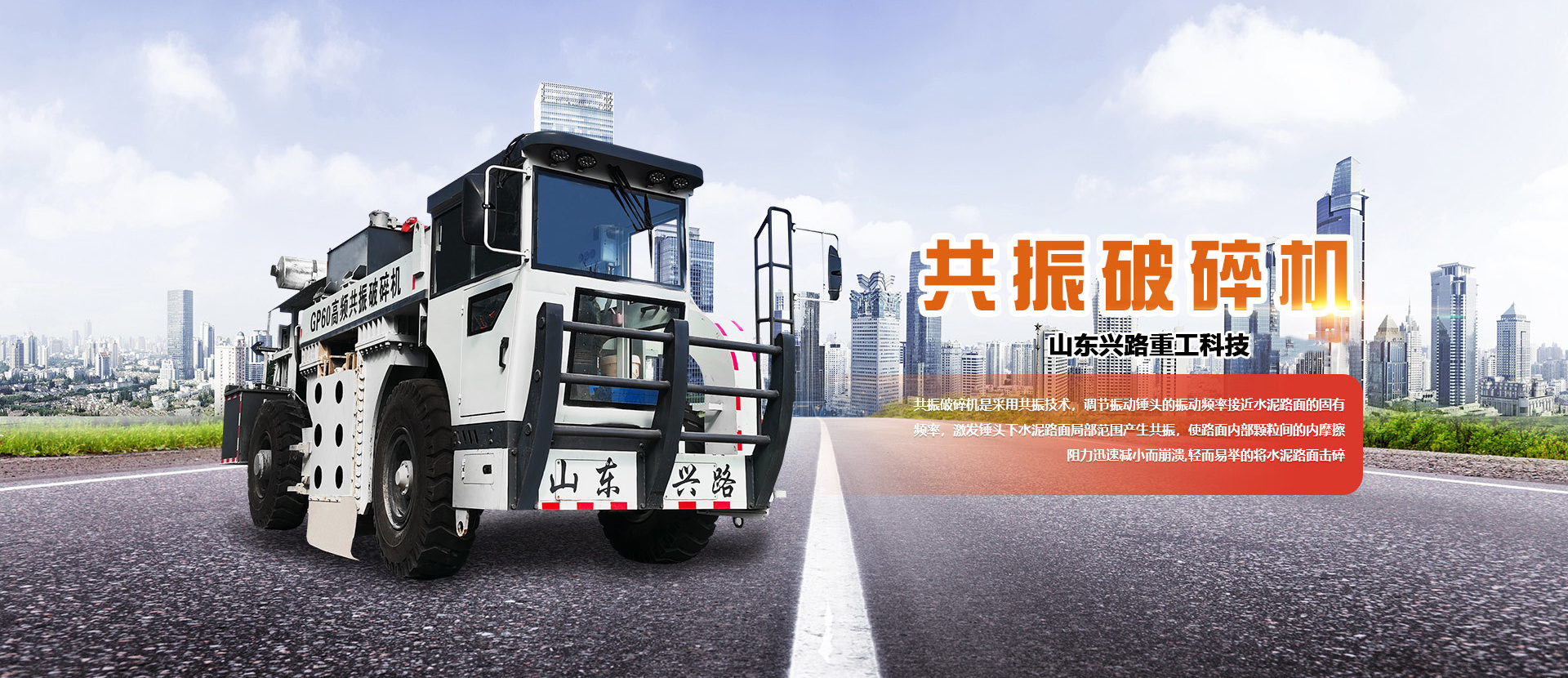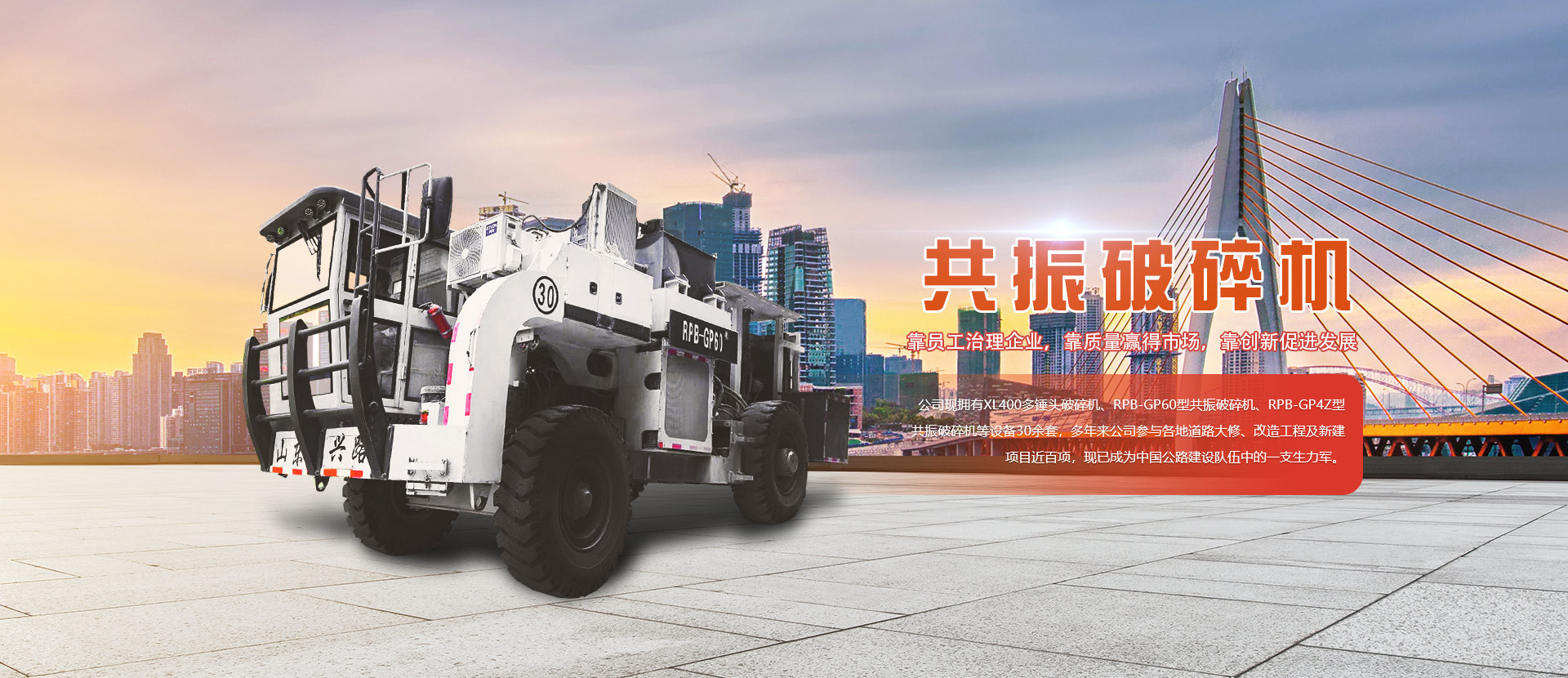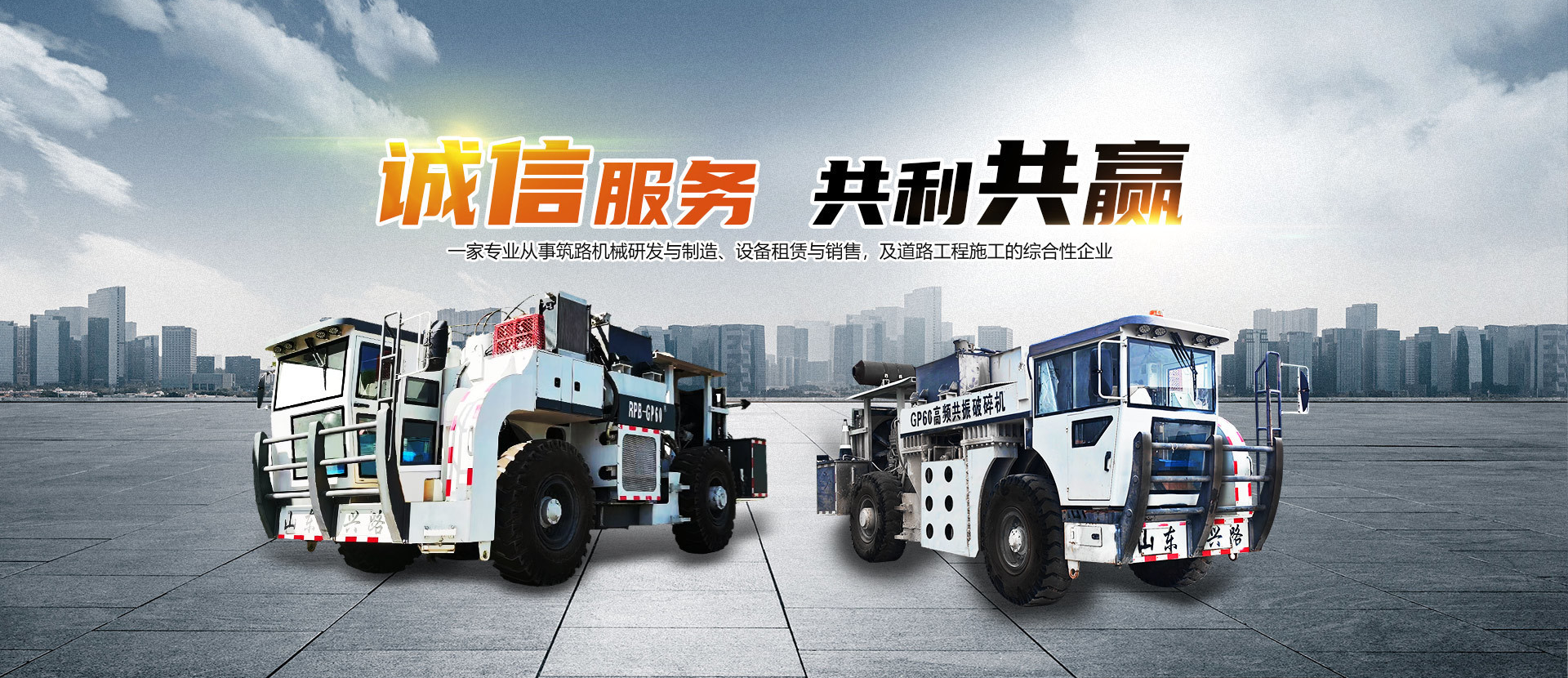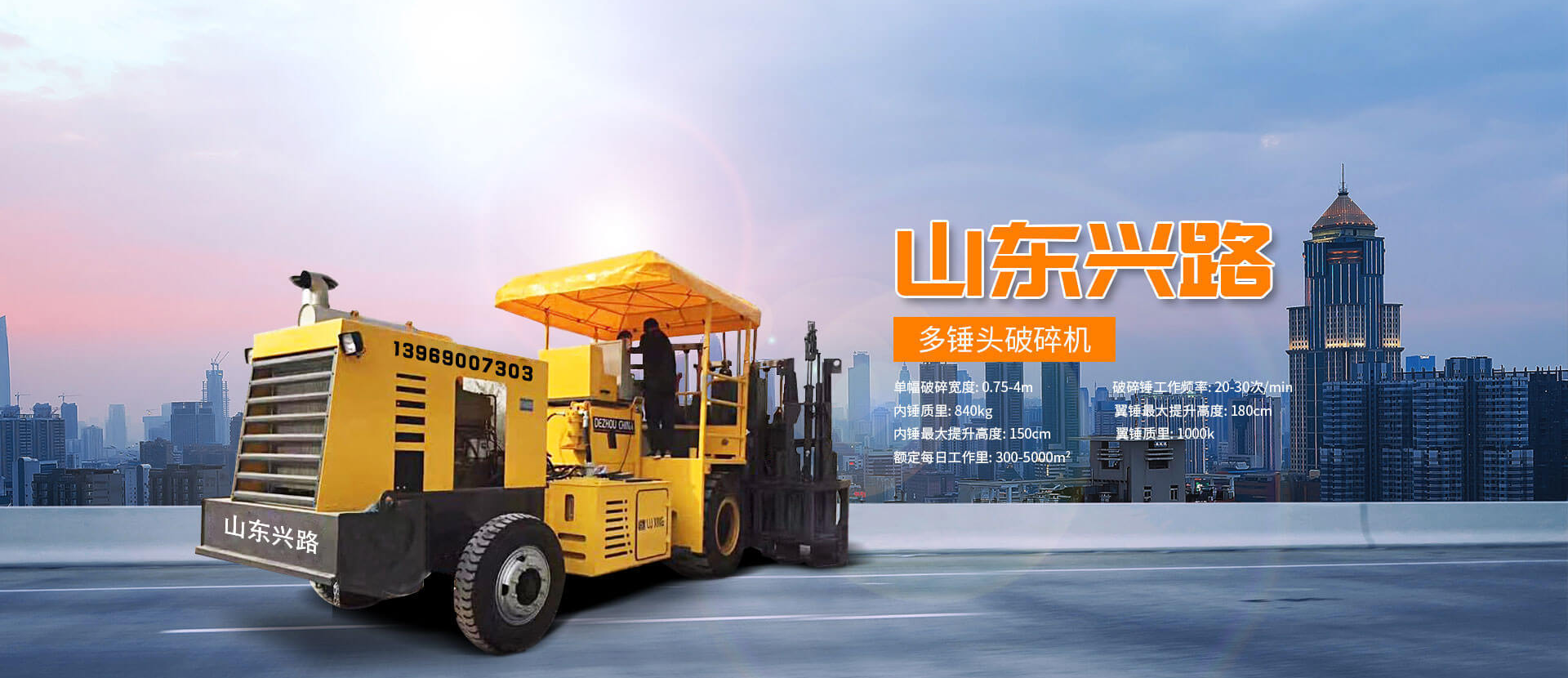
Resonant Crusher, Resonant Crushing Machine

As the national economy continues to develop, higher demands are placed on urban road infrastructure. Particularly in some large and medium-sized cities as well as economically advanced regions, the existing cement concrete road surfaces have been experiencing severe quality issues due to inherent defects, making the entire urban road network outdated. Against this backdrop, the "white to black" technology has been proposed, offering technical guidance for road reconstruction projects. In recent years, our company has participated in nearly a hundred urban road reconstruction projects across the country, further familiarizing ourselves with and understanding the concept of "white to black" road surface conversion.
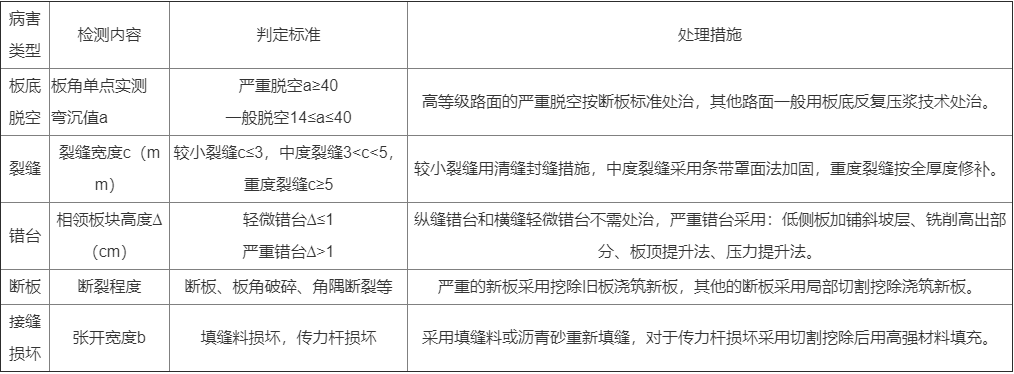
The primary issues with old concrete pavement include cracking, broken slabs, hollowing beneath the slab, misalignment, and reduced load transfer at joints. Since the quality of treatment for the old slabs directly affects the rate of crack expansion and the timing of reflection cracks after the asphalt overlay is applied, the comprehensive treatment of the old road is a key factor influencing whether the "white to black" pavement can achieve the expected goals. A simple summary of the main types of concrete pavement defects, assessment criteria, and treatment measures is provided in Table 1.
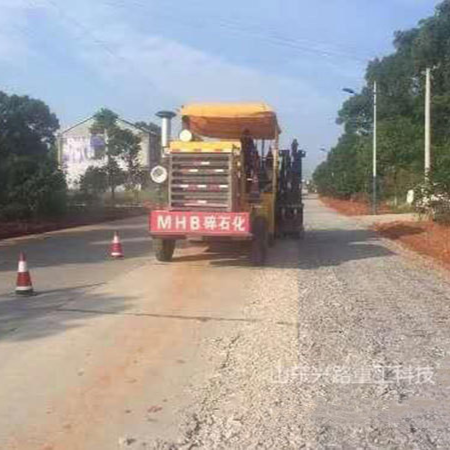
Currently, the "white to black" transformation of old cement concrete road surfaces predominantly employs the process of crushing the old road. This involves first assessing the extent of damage to the original road panels and designing construction and renovation plans section by section. If the original road panels are severely cracked, they can be completely crushed.
If the overall condition of the existing road surface is good, cracks can be intentionally created in the type of road panels. Then, a heavy roller compactor can be used to stabilize and compact the cracked or broken panels, making them suitable as the base layer for reconstructing asphalt pavements. After being crushed, this process can significantly eliminate the impact of severe panel cracks and bottom voids on the asphalt overlay.
The treatment technology for broken old road surfaces can be divided into three types: (For details, see the link)
1) Fracturing and Stabilization (See: http://www.sddaolu.com/news/32.html)
2) Compaction Impact (See: http://www.sddaolu.com/news/32.html)
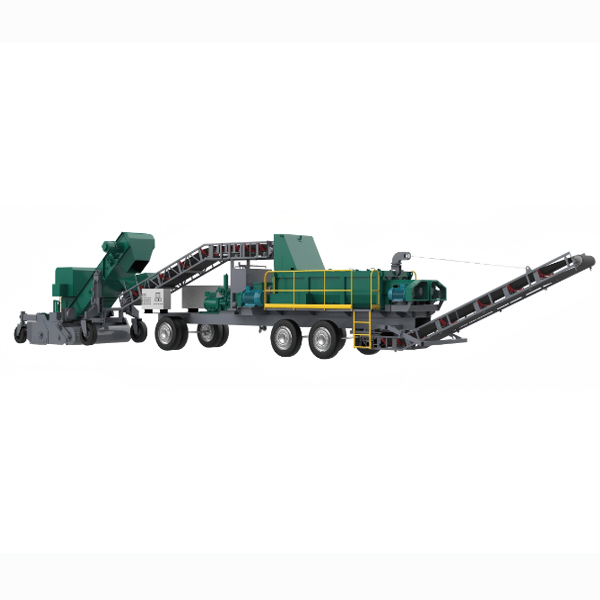
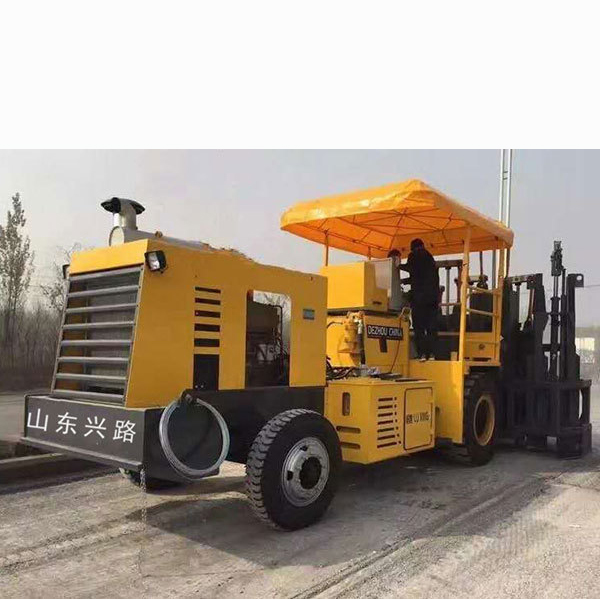
3) Resonant Crushing and Screening (see:http://www.sddaolu.com/news/24.html)
Reflective cracking issues in the "white to black" concrete pavement project have long been present, and each project employs different reflective cracking prevention technologies to address the problem, with varying effectiveness. Currently, several common measures for preventing reflective cracking in engineering practice can be summarized as follows:
1) Increased asphalt overlay thickness
This method was relatively common in early engineering practices due to its simplicity and directness. Practical application in engineering projects has shown that an increase in asphalt pavement thickness directly leads to a significant rise in construction costs. Simply increasing the thickness of the asphalt pavement does not yield high economic benefits and does not effectively prevent reflection cracking. Therefore, this technology is no longer the first choice for preventing reflection cracks in engineering applications.
2) Set up various thin laminates
The technology of setting a thin interlayer before laying the asphalt surface to delay or prevent reflective cracking after comprehensive treatment of old concrete pavements has gradually developed in engineering practice. The main types of thin interlayers include waterproof membranes, stress-absorbing materials (SAMI, STRATA, synchronous aggregate seals, asphalt sand mortars), geotextiles, modified asphalt felt, and glass fiber mats. Practice has shown that although this method does not significantly increase the cost, its effectiveness in preventing reflective cracking is not very pronounced, or in other words, it only delays the occurrence of reflective cracks without a complete solution.
3) Laying Flexible Subbase Overlay
Flexible subgrades include two types: one is large-sized open-graded asphalt aggregate, and the other is graded aggregate. The main role of laying such flexible subgrades is to act as a crack mitigation layer. For instance, large-sized open-graded asphalt aggregate with maximum particle sizes of 75mm, 63mm, and 50mm is laid on the old concrete pavement as a flexible foundation. This asphalt concrete has a specific porous structure (25%~35%), which can block the expansion path of cracks from the old concrete pavement to the asphalt pavement layer, significantly reducing the transmission capacity of relative displacement of the original pavement. The mitigation layer can also absorb and dissipate temperature stresses and vehicle load stresses caused by the coupled effects of temperature and vehicle loads.
4) Crushing of old pavement slabs
The碎石化 treatment of old concrete road surfaces can effectively prevent, and even fundamentally eliminate, the occurrence of reflective cracks. This technology is relatively mature and is currently widely applied in engineering practice. The main methods include resonance碎石化, impact compaction, and crack splitting and stabilization.
5) Sawn End Sealing Technology
This method involves sawing new transverse joints in the asphalt pavement at the locations corresponding to the original pavement joints before opening traffic after the construction of the new pavement layer. The joints are sealed with filling material to ensure the tightness of the newly sawn joints and prevent water seepage. This technique is particularly suitable for the rehabilitation of old pavements where the pavement plate structure is in good condition and the difference in deflection on both sides of the joints is minimal.
Enhance the crack resistance of the overlay layer
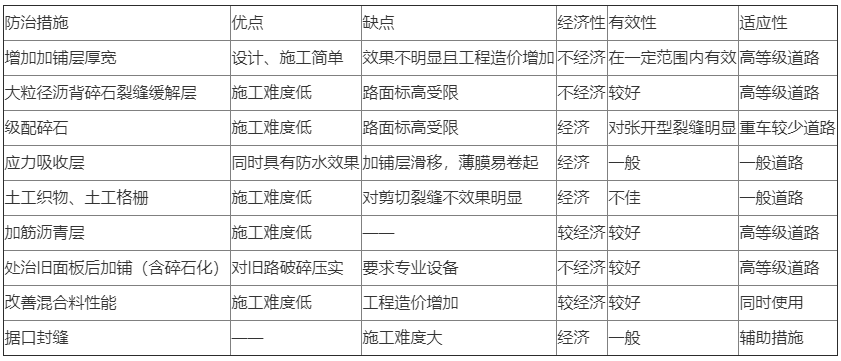
This technology refers to asphalt mixtures with high resistance to reflective cracking, produced from modified asphalt with high viscosity and elasticity. In engineering practice, the rich-laden mixtures known as FAC are commonly used. Table 2 summarizes the comparisons of different reflective cracking prevention technologies and the typical characteristics of representative reflective cracking prevention techniques. By comparing these, each project can select the most suitable reflective cracking prevention measures according to its specific needs.
Preventive Measures


www.114global.com © Zhongshang 114 Hebei Network Technology Co., Ltd.Address: Room 6009, Oriental New World Center, No.118 East Zhongshan Road, Qiaoxi District, Shijiazhuang City, Hebei ProvincePlatform Service Hotline: 4006299930