
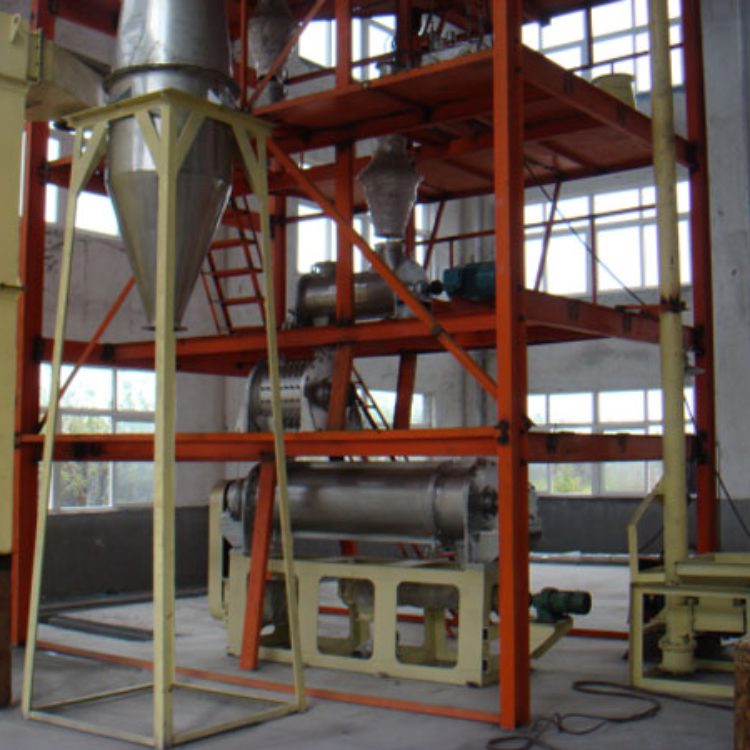
 Powder Surface Modification Machine Manufacturer | Modification Machine | Powder Modification Machine Manufacturer
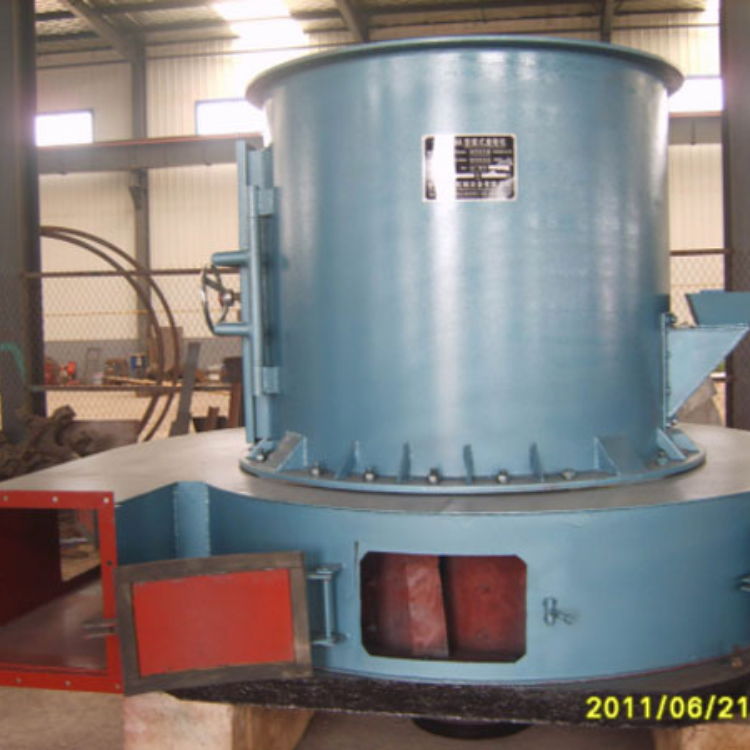 R-type Raymond Mill, Raymond Mill Manufacturer
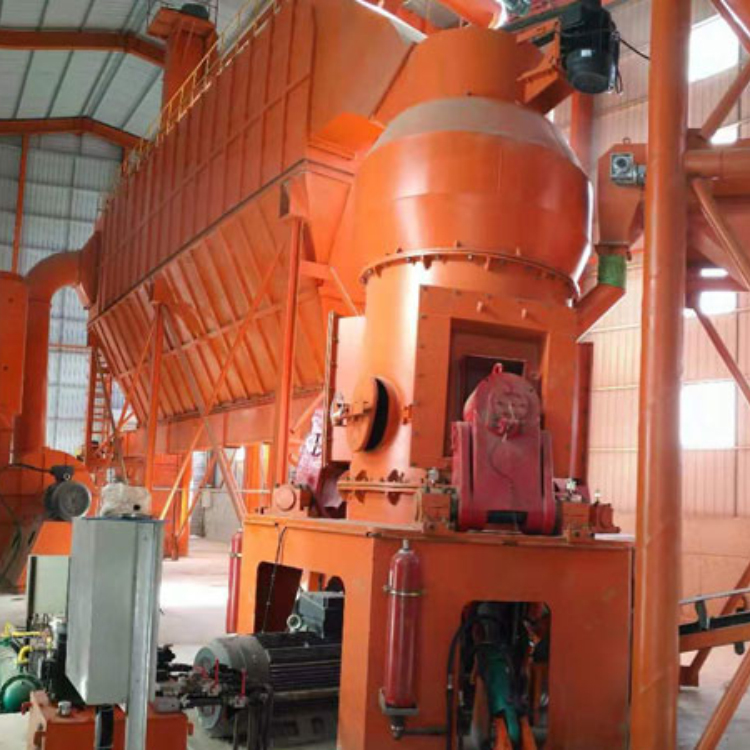 Vertical Grinding Mill Manufacturer
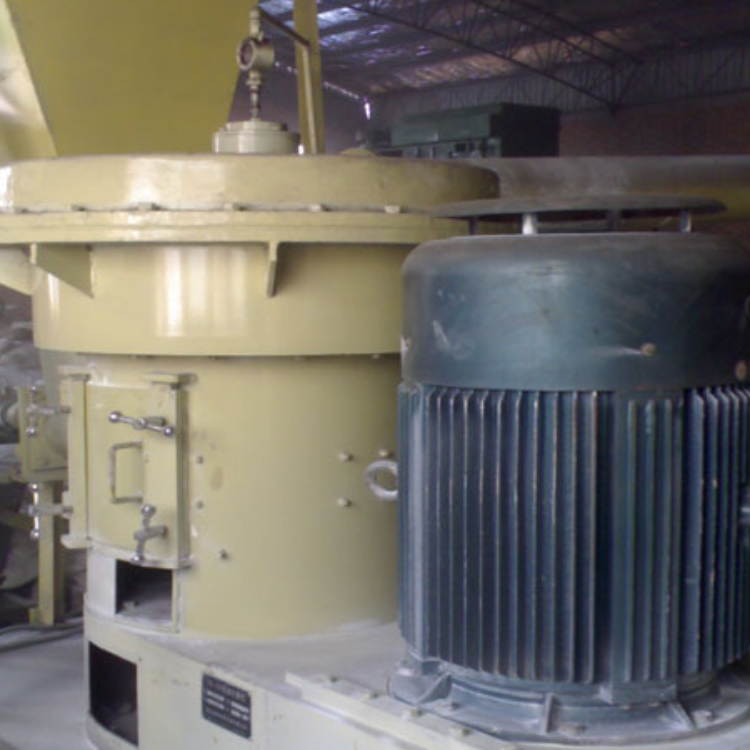 Disintegrator Price | Disintegrator Manufacturer | Agglomeration Disintegrator
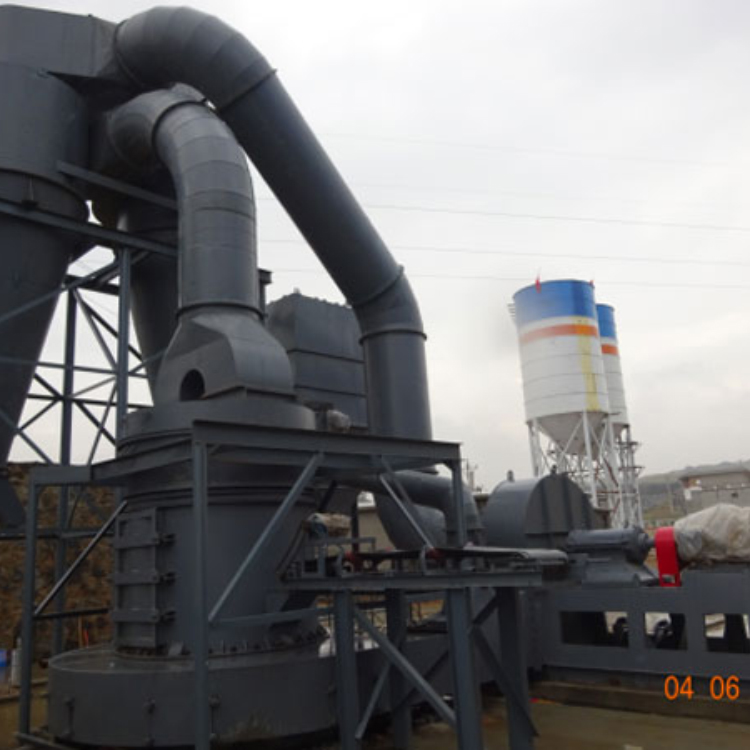 Super Large Raymond Mill, Large Raymond Mill
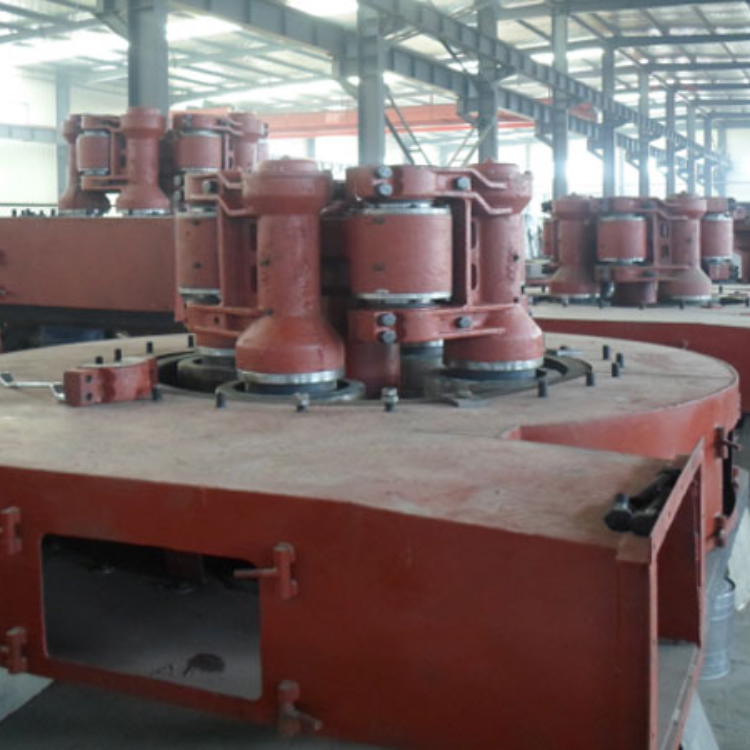 ZY Oscillating Raymond Mill
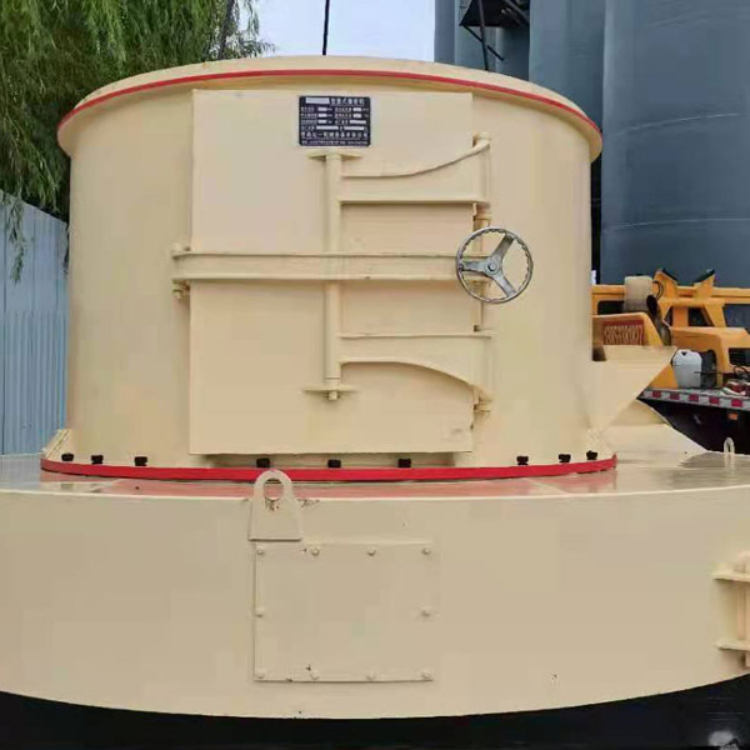 Extra-large Grinding Mill
Product Details




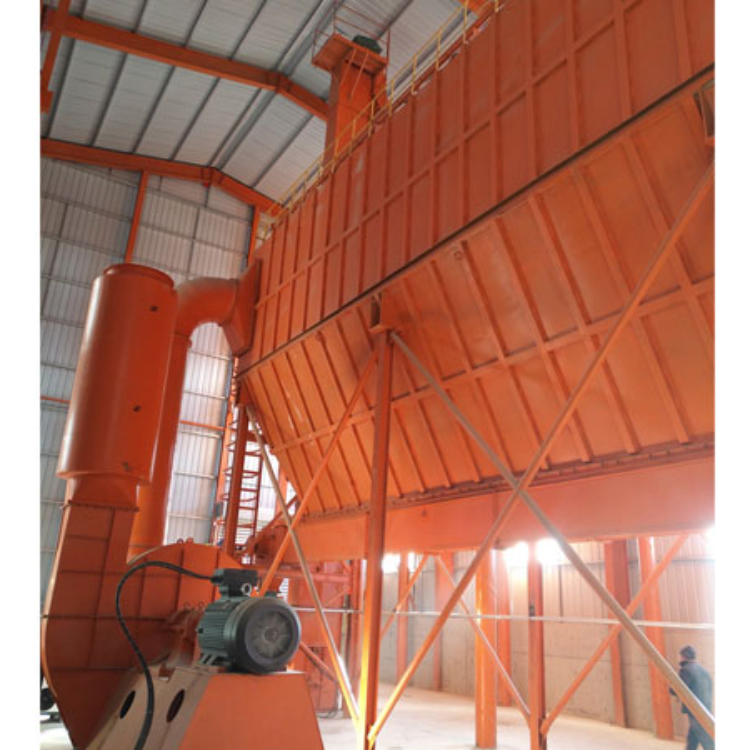


产品Price Negotiable
最小起订Quantity: 供货总Quantity:


Does customization support? |
|
Specs |
Comprehensive |
Available in stock? |
Is |
Pulse Dust Collector Working Principle Pulse dust collectors utilize offline pulse cleaning technology with separate chambers, overcoming the individual drawbacks of reverse blowing and general pulse cleaning. They exhibit strong cleaning power, high dust removal efficiency, low emission concentration, minimal air leakage rate, low energy consumption, and require less floor space, ensuring reliable and stable operation. This series of dust collectors is particularly suitable for: dust removal in calcium carbide furnaces, various electric furnaces in iron alloy plants; flue gas purification in steel mills; dust removal in coal-fired boilers and small-scale power plant boilers; dust removal in waste incineration plants; high-temperature flue gas dust removal in smelting plants; flue gas purification in aluminum plants; dust removal at the tail and head of cement kilns; and flue gas purification in carbon black plants, among others. Their application is characterized by high temperatures and large volumes of flue gas.
Pulse dust collectors refer to the method of removing dust attached to the filter medium (bags or cartridges) by blowing compressed air; depending on the size of the dust collector, there may be several groups of pulse valves, controlled by a pulse controller orPLC control is used to open a set of pulse valves each time to remove dust from the portion of the bag or filter element it controls, while the other bags or elements continue to operate normally. After a period, the next set of pulse valves opens to clean the next section of the dust collector, which consists of parts such as the dust hopper, upper, middle, and lower cabinets, with the upper, middle, and lower cabinets structured as separate compartments. During operation, the dusty gas enters the dust hopper through the inlet duct, with coarse dust particles falling directly to the bottom of the hopper. Fine dust particles, following the gas flow, bend upwards and enter the middle and lower cabinets, where dust accumulates on the outer surface of the filter bags. The filtered gas then enters the upper cabinet to the clean gas manifold-duct and is exhausted to the atmosphere by the exhaust fan. The cleaning process involves first cutting off the clean gas outlet duct of the compartment, causing the bags in that compartment to be in a state without gas flow (separate compartment stop-air cleaning). Then, the pulse valves are opened to use compressed air for pulse jet cleaning, with the valve closure time sufficient to ensure that the dust detached from the filter bags after the jetting settles in the hopper, preventing the dust from reattaching to the adjacent filter bag surfaces. This ensures thorough cleaning of the filter bags and is controlled automatically by a programmable controller for the exhaust valve, pulse valve, and ash discharge valve, etc. The dusty gas enters through the inlet, and as it passes through the dust hopper, some large particles are separated out due to inertial force and gravity, falling directly to the bottom of the hopper. After passing through the dust hopper, the dusty gas enters the filter bag filtration area of the middle cabinet, where the gas passes through the bags, and the dust is trapped on the outer surface. The purified gas then enters the upper cabinet through the filter bag mouth before being exhausted out through the outlet.
Pulse Dust Collector Features
1. Utilizing the pulse-jet cleaning technology with separated room stop wind, this system overcomes the drawbacks of conventional pulse dust collectors and separated room reverse air blow collectors. It boasts strong cleaning power, high dust removal efficiency, low emission concentration, minimal air leakage, low energy and steel consumption, small land occupation, stable and reliable operation, and good economic benefits. Suitable for the purification of dusty gases and material recovery in industries such as metallurgy, building materials, cement, machinery, chemicals, power, and light industry.
2. Due to the use of individual chamber pulse-jet cleaning, a single spray cycle is sufficient for thorough cleaning. This extends the cleaning cycle, reduces the energy consumption for cleaning, and significantly lowers the air consumption. Additionally, the fatigue level of the filter bags and pulse valves is correspondingly reduced, thereby exponentially increasing the lifespan of both the bags and the valve blades.
3. Bag replacement and maintenance can be performed in individual compartments while the system fans are running and the system operates normally. The filter bag mouths feature elastic expanding rings for good sealing and are sturdy and reliable. The filter bag skeletons are in a multiangular design, reducing friction between the bag and the skeleton, extending the bag's lifespan, and making bag removal easier.
4. Utilizing an upper-drawer system, after removing the frame for bag replacement, the soiled bag is dropped into the lower ash bin of the unit, and then retrieved through the manhole, improving the bag replacement conditions.
5. The cabinet features a gas-tight design with excellent sealing properties. The inspection door is made with high-quality sealing materials, and leaks are checked during the manufacturing process using kerosene, resulting in a very low wind leakage rate.
6. The inlet and outlet duct layout is compact with minimal air flow resistance.
Pulse Dust Collector Application

Phone Consultation