Valve manufacturing and sales, along with accessories

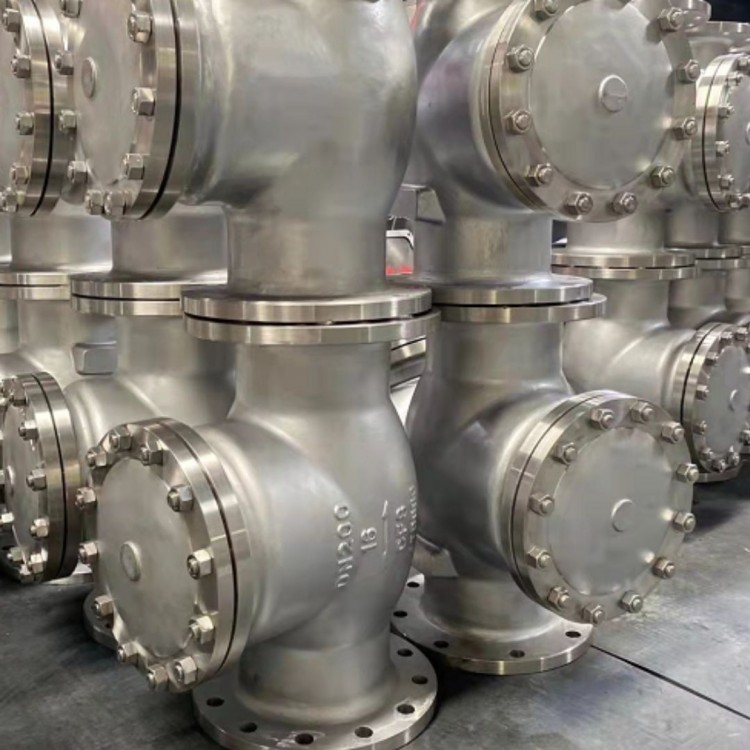
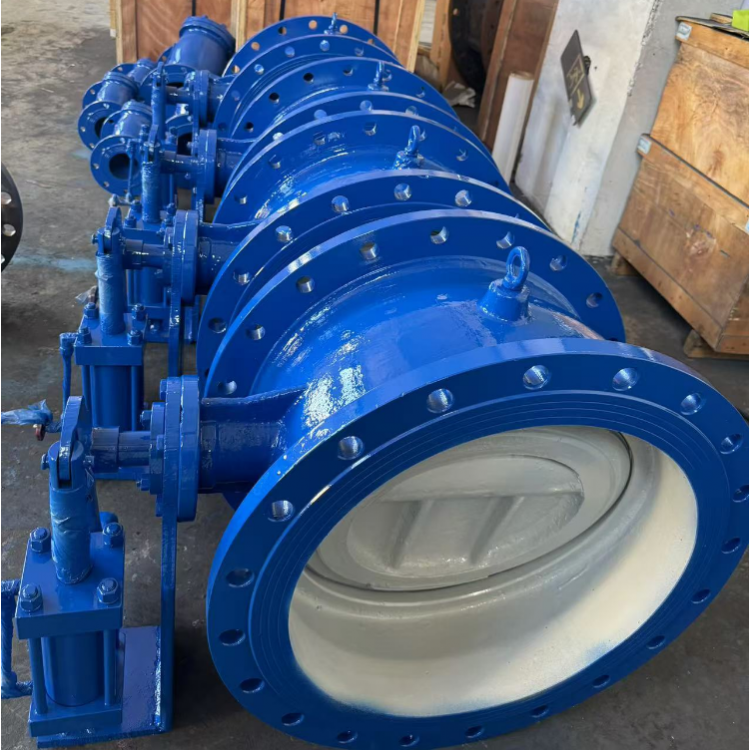
Wavy pipe check valves typically experience two types of leaks: internal and external, with numerous causes for leakage. Internal leakage usually occurs due to solid impurities in the fluid medium that damage the sealing surface, leading to failure. Analyzing the field usage, the main cause of external leakage in the valve rod is related to the valve structure, working environment, and operational methods.
1 Structure:
The valve rod features a dual sealing structure with a bellows and packing. The bellows are welded to both the inner and outer sleeve rings to form a bellows assembly, which is then welded to the valve rod and guide body, effectively blocking any medium leakage through the valve rod. The upward movement of the flat key I stops when the upper surface of flat key I contacts the lower surface of the lower packing. Due to the PTFE material used for the lower packing, excessive valve opening can cause flat key I to be embedded into the packing, rendering the valve inoperable for opening and closing, and potentially damaging the bellows assembly, leading to leakage along the valve rod. The elongation and compression of the bellows are determined by the valve's stroke. Exceeding the limits of elongation or compression may damage the bellows, causing the small pipe to burst and the seal to fail. Therefore, a limit switch for valve opening and closing is necessary to ensure that the bellows remains within the designed range of expansion and contraction during the valve operation.
Office Environment:
The harsh working environment of the bellows check valve is also a cause of its failure. Due to the bellows check valve installed within the ship's hull operating continuously in a salt fog environment, with condensation often dripping onto the top, it leads to corrosion of the upper thrust ball bearing. In severe cases, this can result in contact corrosion with the valve stem.
Step 3:
Over-activating or deactivating the bellows check valve during use may result in the valve failing to meet certain performance requirements. Over-closing the valve may damage the sealing surface, leading to a failure in the seal upon subsequent use. Over-activating the valve may operate the bellows component, causing external leakage from the valve.
Analysis and Improvement of the Fault Causes of the Baffle Valve in the Dished End Valve
After analyzing the issues with the valves, improvements were made to their structure, operation, and environment. Firstly, the limiting benefits of flat key I were enhanced, and a 3mm thick stainless steel filler pad was added to the lower filling material made of PTFE to prevent contamination of the packing and to limit the movement of the valve rod.
When closing valves, if the valve fails to stop the flow, do not force it shut with excessive force. Instead, open the valve and flush it with fluid for a period of time before closing it again. Repeat this process. If the valve still cannot be closed, inspect the grinding sealing surface. When opening valves, avoid continuing to force the valve open once it encounters slight resistance at a certain height, to extend the lifespan of the valve stem and its sealing components.
A check valve equipped with thrust ball bearings at the top, during installation, it should be avoided to have condensate dripping directly onto the valve stem, which could lead to rusting.


www.114global.com © Zhongshang 114 Hebei Network Technology Co., Ltd.Address: Room 6009, Oriental New World Center, No.118 East Zhongshan Road, Qiaoxi District, Shijiazhuang City, Hebei ProvincePlatform Service Hotline: 4006299930