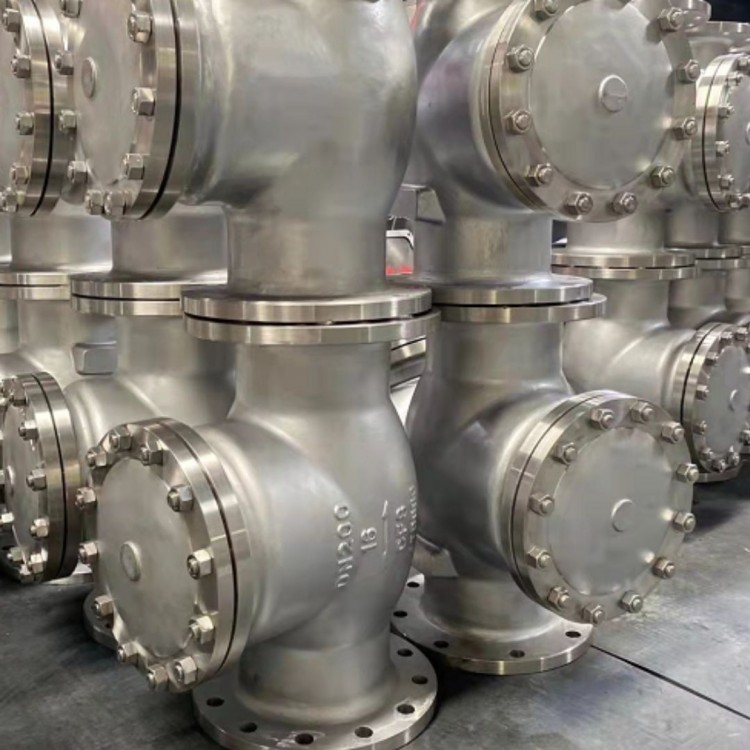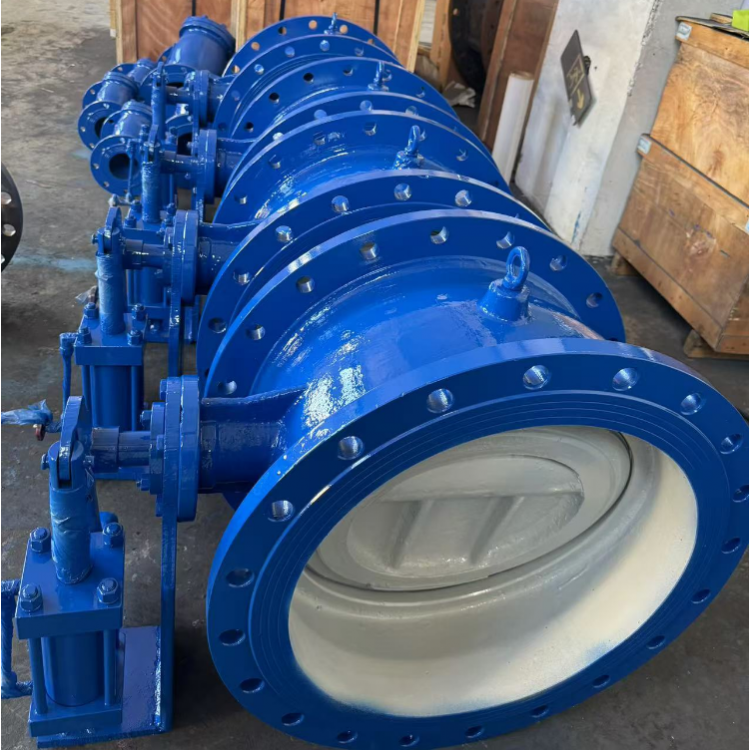
Valve manufacturing and sales, along with accessories

Ball valves and gate valves are both types of valves within the same category. The difference lies in their closure mechanism, which is a sphere that rotates around the centerline of the valve body to achieve opening and closing.
Ball valves are primarily used in pipelines for cutting off, distributing, and altering the flow direction of media.
The working principle of the track hard-sealed ball valve:
The cam principle allows the valve ball to disengage from the valve seat sealing surface during rotation, and then pushes the valve ball back into the valve seat to achieve sealing once it reaches the correct position. When the valve is fully open, a quick turn of the handwheel is sufficient.
Under the配合 of the valve stem nut and thrust bearing, the valve stem begins to descend,带动 the ball to start rotating. Connecting the handwheel, the precise spiral groove track on the valve stem interacts with the guide pin embedded within it.
Drive the ball to rotate continuously around the valve stem in a clockwise direction. As the valve approaches closure, the valve stem rotates the ball 90° with no friction against the sealing surface of the valve seat. Keep turning the handwheel.
The valve rod, which has decreased again, mechanically compresses the ball by the cam structure at the bottom of the rod, causing the sealing surface of the ball to tightly contact the sealing surface of the valve seat, thereby achieving the purpose of sealing. The hard-sealed ball valve in the track
Fully close the position and turn the handwheel counterclockwise. With the fit of the valve stem nut and thrust bearing, the valve stem begins to rise, pulling the ball into rotation. Continuously turning the handwheel, the valve stem will rise while...
Drive the ball towards the valve seat. As the track hard-seated ball valve is about to open, the precise helical groove track on the valve stem interacts with the guide pin embedded within it, propelling the ball towards the valve seat seal surface with zero friction.
In this scenario, the handwheel is continuously turned in a counterclockwise direction. Continue turning the handwheel until the valve rod reaches its full travel position. At this point, the ball has also reversed 90° with the valve rod, indicating the valve is fully open.
Track hard-sealed ball valve structural features:Traditional ball valves, whether floating or fixed, always have the ball in contact with the valve seat, resulting in high switching torque and prone to damage to the sealing surface. When using the track ball theory, the opening and closing...
The sphere first deflects by angle δ, then rotates. Throughout the entire switching process, the sphere is separated from the valve seat, thus preventing any scratching of the valve seat and ensuring a low torque for opening and closing.
The advantages of ball valves on tracks mainly include the following points:
Seamless Opening and ClosingThe design of the ball valve solves the issue of traditional valves being affected by friction between sealing surfaces, ensuring the stability and reliability of the valve.
2. Upper assembly structureThis structure enables direct online inspection and maintenance of valves, reducing downtime for the equipment and thereby lowering production costs.
3. Single Valve Seat DesignThis design eliminates the issue of the medium within the valve chamber being affected by abnormal pressure increase, thereby enhancing the safety performance of the valve.
4. Low-torque designThe specially designed structural valve stem allows for easy opening and closing of the valve with just a small handwheel, offering simple operation.
5.楔形密封结构:楔seal structureValves rely on the mechanical force provided by the valve stem to press the ball wedge onto the valve seat, ensuring that the sealing performance is unaffected by changes in pipeline pressure difference, thereby guaranteeing reliable sealing under various operating conditions.
6. Self-cleaning structure of the sealing coverWhen the ball valve is disengaged from the seat, the fluid in the pipeline flows uniformly across the ball's sealing surface, washing away any accumulated debris, thereby achieving self-cleaning.
The application scenarios of the ball valve are very extensive, mainly including the following aspects:
Urban Water Supply and Drainage ProjectBall valves can be used in urban water supply and drainage projects to control the direction and flow of water, ensuring the normal operation of the project.
2. Petrochemical Industry:Ball valves play a crucial role in the petrochemical industry, widely used in the control of valves for conveying liquids, gases, and steam.
3. Food Industry:Due to their excellent sealing performance and ease of operation, track ball valves are also widely used in fluid control for industries such as food and beverage.
4. Energy Industry:In the energy industry, track ball valves are widely used in hydraulic control systems across sectors such as power and metallurgy.
Paper Industry:Ball valves are suitable for all stages of the papermaking industry, including slurry conveyance, pulp making, bleaching, and banknote production.
6. Other Industrial Sectors:Track ball valves are widely used in industries such as electricity, oil, metallurgy, and aerospace.
The maintenance and care of ball valves on tracks primarily includes the following aspects:
Regular InspectionsInspect valves and all sealing points for internal and external leaks, ensuring zero leakage in the valves.Activity Valve, verify ease of operation.
If the valve is equipped with an actuator, inspect the actuator and related components according to the actuator-related procedures.
2. Lubrication:The track ball valve should be lubricated at least once a year.If operations exceed 10 times per day, lubricate every 1000 switches.If valves are used in corrosive and special operating conditions,
When operating more than 10 times per day, lubricate every 500 switches.Lubrication positions include lubrication nozzles above the valve rod and bearing, as well as the bottom lubrication nozzle located beneath the valve diameter.
3. Leak Detection and ManagementBy inspecting the internal leakage through changes in pressure in the downstream pipeline or the drain and injection valve group at the valve seat.If there is an internal leak in the valve, check whether the valve is fully closed.
After establishing a pressure differential, open the valve and repeat the process several times to check for any internal leaks.If internal leakage cannot be eliminated, it may be necessary to repair or replace the valve seat or ball sealing surface.
4. Valve Stem Packing Addition and ReplacementWhen the upper part of the valve stem leaks, it is necessary to add or replace the stuffing box gasket.Tighten the bolt on the gland packing with a wrench in a clockwise direction.
Observe the leakage, and stop the rotation once the leakage ceases.
5. Actuator and valve body inspection and maintenance:Regularly clean the internal components of the pneumatic actuator, replenish hydraulic oil, lubricate sliding parts such as the piston, inspect the piston seal rings and the inner wall of the piston cylinder, and replace any damaged parts.
Inspect valve bodies, regularly disassemble to check valve stems, guide pins, valve ball set screws, and valve seat wear, and promptly replace damaged parts.
6. Cleaning and Tightening:Maintain the external cleanliness of the valve by removing dust and oil stains.Regularly clean valve balls and seats to prevent accumulation of impurities.Inspect all fasteners to ensure they are not loose.


www.114global.com © Zhongshang 114 Hebei Network Technology Co., Ltd.Address: Room 6009, Oriental New World Center, No.118 East Zhongshan Road, Qiaoxi District, Shijiazhuang City, Hebei ProvincePlatform Service Hotline: 4006299930