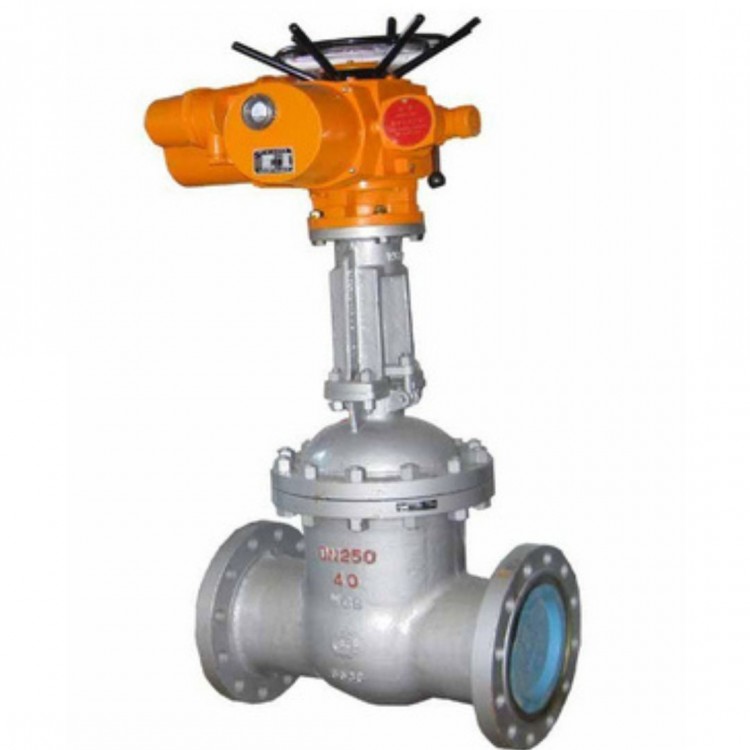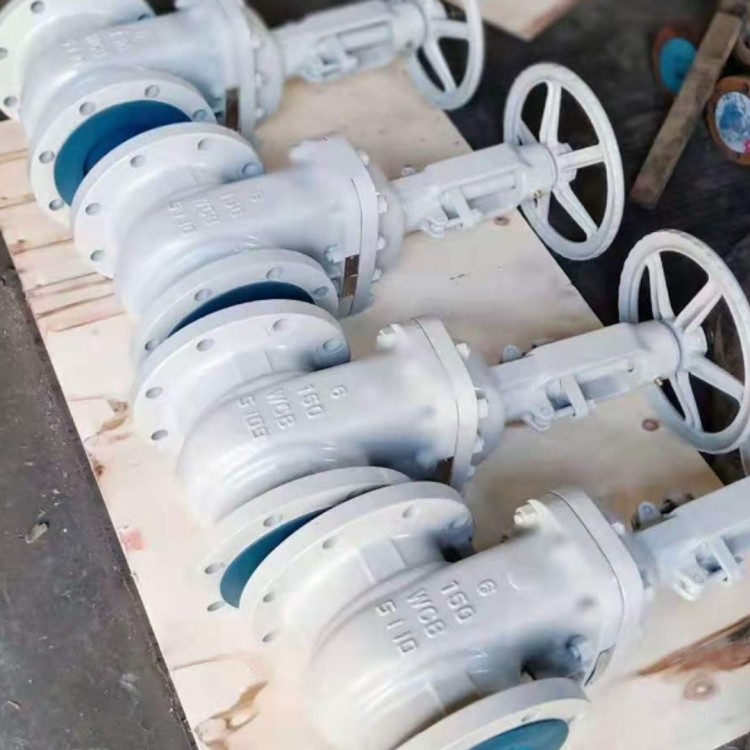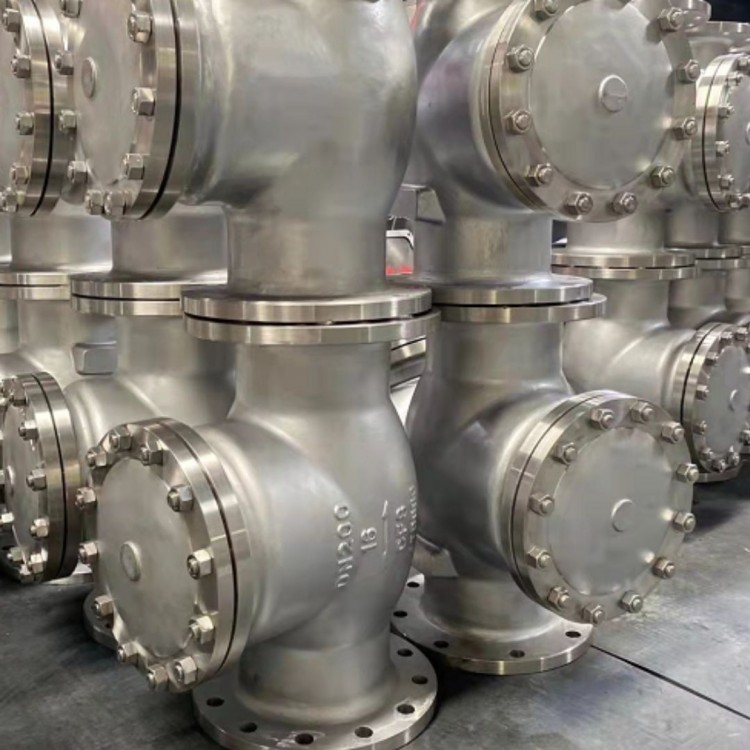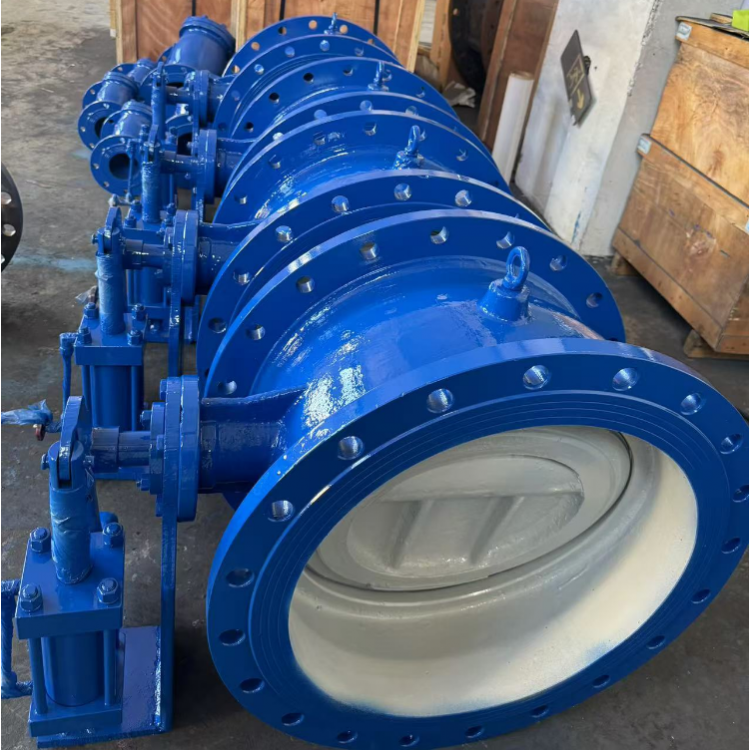

Valve manufacturing and sales, along with accessories

Check valves, specifically swing check valves and lift check valves, are two common types of check valves. The differences between them are as follows:
I. Structural Differences:
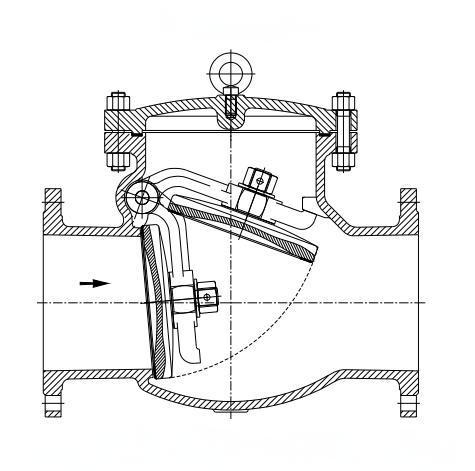
Check Valve: The swing check valve controls the flow of fluids by rotating the valve core, which is typically spherical or cylindrical, to open or close the valve.
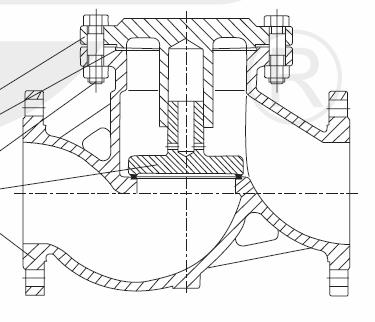
Vertical Check Valves: Vertical check valves control the flow of fluids through their up and down movement, typically featuring a rising and falling mechanism.
II. Difference in Working Principles:
Swing Check Valve: The swing check valve operates by rotating the valve core to achieve the check function. When the fluid flow reverses, the valve core is struck by the fluid, causing it to close the valve and prevent backflow.
Check Valve with Rising and Falling Seat: The check valve achieves the check function through the rising and falling of the valve seat. When the fluid flow reverses, the valve seat is struck by the fluid, causing it to close the valve and prevent backflow.
Section III: Scope Distinctions:
Swing Check Valves: Swing check valves are suitable for lower flow rates and pressure environments, commonly found in residential and small pipeline systems.
Vertical Swing Check Valves: Vertical swing check valves are suitable for high flow rates and high-pressure environments, commonly found in industrial and large pipeline systems.
In summary, swing-check valves and lift-check valves differ in structure, working principles, and application scope. The choice of valve type should be determined based on specific requirements and usage environments.


Vertical Check Valves Swing Check Valves
www.114global.com © Zhongshang 114 Hebei Network Technology Co., Ltd.Address: Room 6009, Oriental New World Center, No.118 East Zhongshan Road, Qiaoxi District, Shijiazhuang City, Hebei ProvincePlatform Service Hotline: 4006299930