
Valve manufacturing and sales, along with accessories

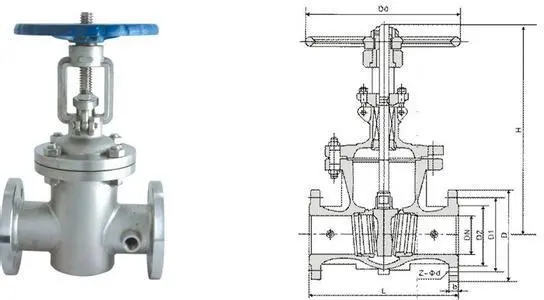
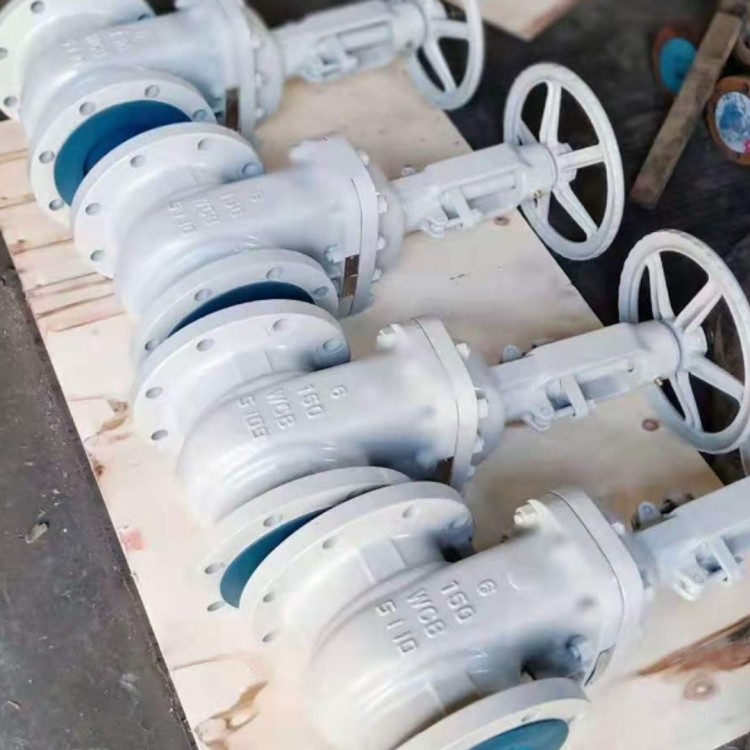
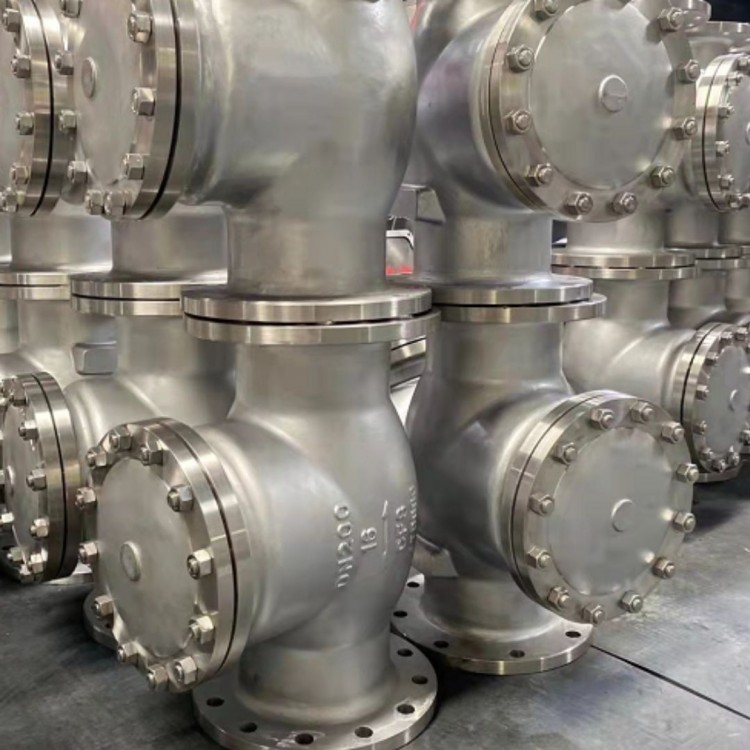
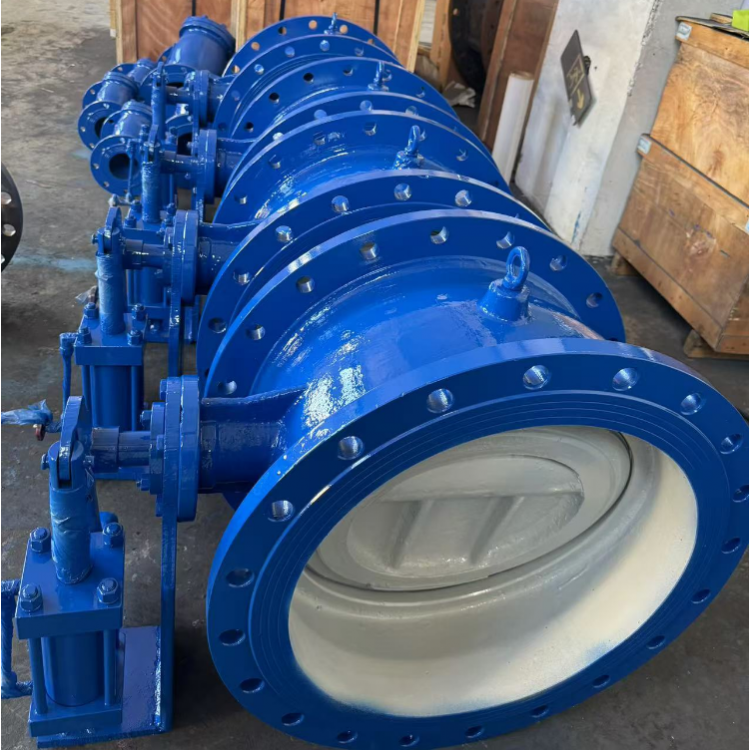
Thermal insulation gate valves are specially designed to maintain the stable temperature of the medium in both low and high-temperature environments. They are widely used in various systems such as oil, chemical, metallurgical, and more, ensuring that thick media can flow smoothly through the valves.
Features of Insulating Butterfly Valves:
Low fluid resistance:The design optimization of the thermal insulation gate valve has refined the fluid flow path, reducing flow resistance, thereby lowering energy consumption.
Sealed Performance ExcellenceBy utilizing high-quality sealing materials, we ensure that valves maintain excellent sealing performance under high pressure or high-temperature conditions, preventing the leakage of medium.
Excellent corrosion resistance propertiesThe use of stainless steel materials ensures that valves can operate stably and long-lasting under harsh conditions, extending their lifespan.
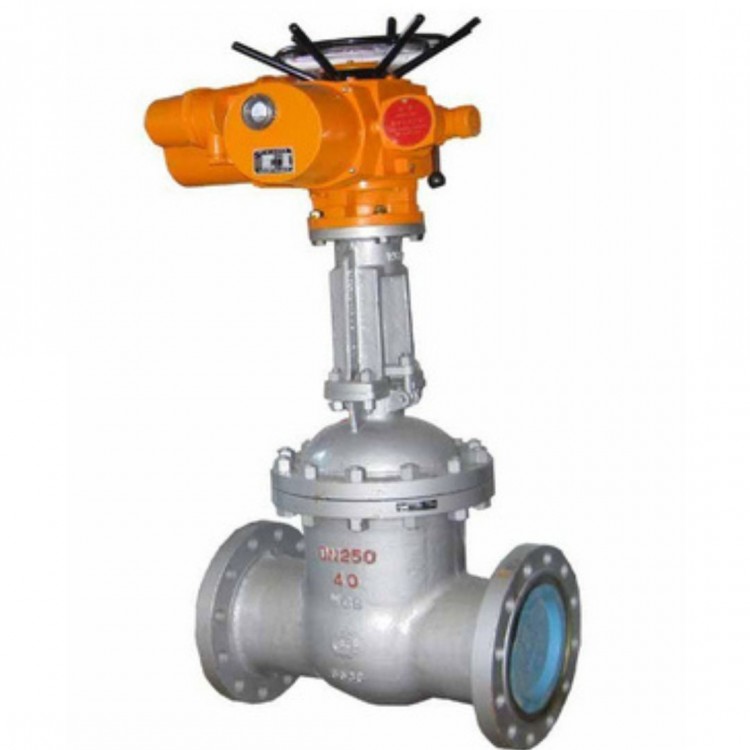
4. User-friendly operationManual or electric operation methods make valve operation more convenient, enhancing work efficiency.
5. Simple structure:A simple structural design not only reduces manufacturing complexity but also facilitates later maintenance and upkeep.
Excellent thermal insulation properties:By enveloping the valve with insulation materials, it can effectively maintain the medium's temperature, preventing it from solidifying or deteriorating due to cooling during transportation.
Installation precautions for insulation gate valves mainly include the following aspects:
Preparation Before Installation:Prior to installing the insulation gate valve, thorough preparation is essential. This involves verifying the accuracy and completeness of the construction drawings and relevant technical documents, and preparing the required installation tools and materials.Hand tools such as wrenches, screwdrivers, bolts, washers, and nuts, and inspect the model and specifications of the gate valves to ensure they meet design requirements, as well as check for any damage to the valve discs and seats.
2. Installation Steps:
Remove the protective caps on both sides of the flange, and flush clean while the valve is fully open.
Before installation, the entire machine should be tested according to the specified signals (electric or gas) to prevent any vibration caused during transportation from affecting the performance.
Before connecting to the pipeline, it is necessary to flush and clean out any remaining debris from within the pipeline.
During installation, please do not use the actuator part of the valve as a lifting point to avoid damaging the actuator and its accessories.
Pipe lines near installation points must not sag or bear external forces; pipeline supports or bracing can be used to eliminate deviations in the pipeline.
After connecting to the pipeline, tighten the flange bolts to the specified torque using a cross-locking wrench.
3. Selection of Installation Location:Thermal insulation gate valves should be installed horizontally or vertically on the pipeline, avoiding overhead operation, especially when dealing with acidic, alkaline, or toxic media, to ensure the safety of the operators.
4. Avoid Common Mistakes
During installation, avoid impacting valves made of brittle materials.
When installing threaded ball valves, wrap the sealing gasket around the pipe threads, but do not let it enter the valve body to avoid accumulation inside and affect the flow of the medium.
When installing flanged valves, ensure that the bolts are tightened symmetrically and evenly. The flange of the valve must be parallel to the flange of the pipe, with a reasonable gap, to prevent excessive pressure on the valve, which could lead to cracking.

www.114global.com © Zhongshang 114 Hebei Network Technology Co., Ltd.Address: Room 6009, Oriental New World Center, No.118 East Zhongshan Road, Qiaoxi District, Shijiazhuang City, Hebei ProvincePlatform Service Hotline: 4006299930