Valve manufacturing and sales, along with accessories

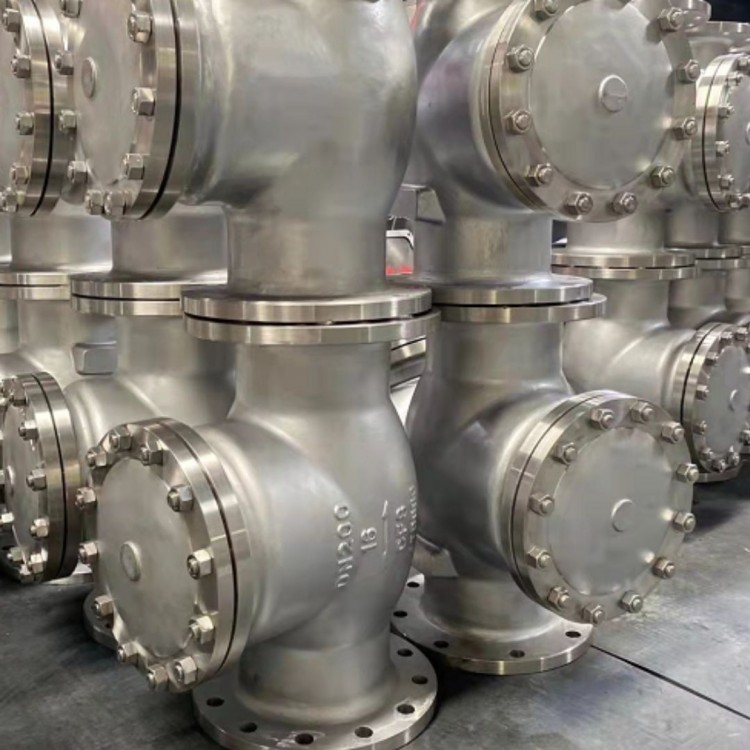
The Angle Stop Valve is a forced-sealed type valve suitable for full open and full close positions, and is not allowed for adjustment or throttling. Its closure element is a plug-shaped valve disc, with a sealing surface that is either flat or conical. The valve disc moves in a straight line along the centerline of the fluid.
The angle seat stop valve controls the flow and flow rate of fluids by rotating the valve stem to move the valve core (plug valve disc) up and down.
The advantages of the angle stop valve are that it allows for installation at the bend of the pipeline system, thereby saving a 90° elbow and facilitating operation.
The structural features of the angular stop valve include the following aspects:
1. The shut-off piece is a plug-shaped valve disc, with a sealing surface that is either flat or conical. The valve disc moves in a straight line along the centerline of the fluid.
2. There are two types of rod movement: the lifting rod type (where the rod lifts and the handwheel does not) and the lifting and rotating rod type (where the handwheel rotates with the rod as they lift together, with the nut set on the valve body).
3. Simple structure, easy to manufacture and maintain, with a small working stroke and short opening and closing time.
4. Excellent sealing properties, low friction between sealing surfaces, and a longer service life.
5. The flow path is simple with minimal dead zones and vortex areas. Leveraging the self-cleaning action of the medium itself, it effectively prevents medium clogging and boasts excellent self-cleaning capabilities.
6. Suitable for applications involving high viscosity, suspended solids, and granular fluids, or where right-angle piping is required.
Installation precautions for angle stop valves primarily include the following aspects:
Ensure Clean Connections: Before installation, make sure the connection areas are clean to prevent sand and debris from entering, which could cause blockages in ceramic chips and lead to leaks.
2. Utilize appropriate sealing materials: While typically using plumber's tape for sealing, be cautious not to use it where rubber washers are sealing, as this may lead to leaks.
3. Proper Wrapping Method: The wrapping direction of the raw material tape should be opposite to the threading rotation direction, i.e., wrapped counterclockwise, to ensure that the angle valve will not loosen after being tightened.
4. Recommended number of twists: Generally, it is suggested to wrap around ten or more times to ensure a good seal, but there is no strict rule for the number of twists. As long as it can be tightened securely without leakage, it is acceptable.
5. Avoid Over-Tightening: When tightening the angle valve, do not apply excessive force; maintain a moderate tension to prevent over-tightening and potential damage to the sealing surface or leakage.
6. Professional Installation: It is recommended that installation be carried out by a qualified professional to ensure quality and safety.
7. Pre-installation Preparation: Ensure the pipeline system's pressure is released and other valves connected to the shut-off valve are closed. Prepare the necessary tools and materials, such as wrenches, sealant, etc.
8. Addressing the Inlet: If the inlet is quite deep, it is recommended to seal it with silicone or leak-proofing agent before installation to prevent unnoticed internal leaks.
By following these precautions, you can ensure the correct installation of the angle stop valve, preventing leaks and other potential issues.


www.114global.com © Zhongshang 114 Hebei Network Technology Co., Ltd.Address: Room 6009, Oriental New World Center, No.118 East Zhongshan Road, Qiaoxi District, Shijiazhuang City, Hebei ProvincePlatform Service Hotline: 4006299930