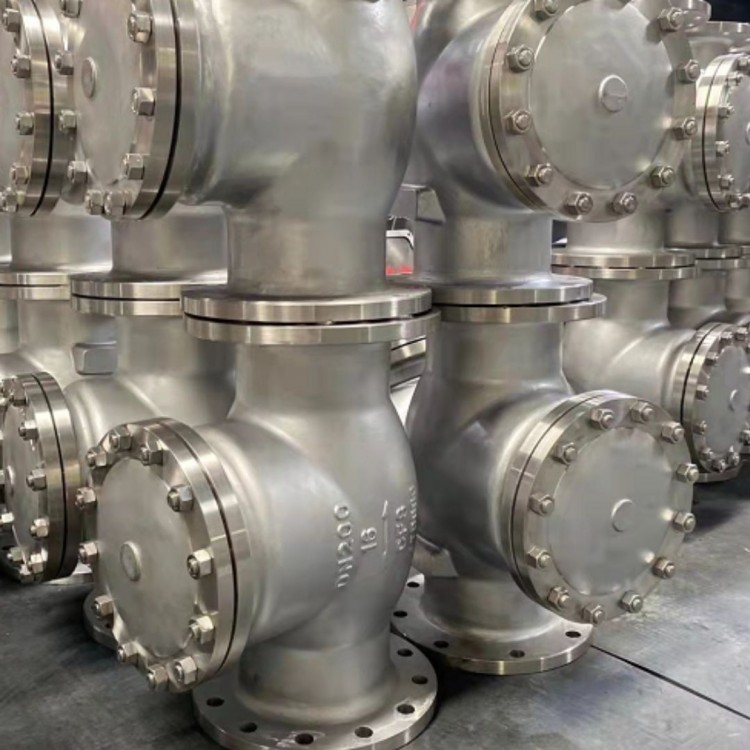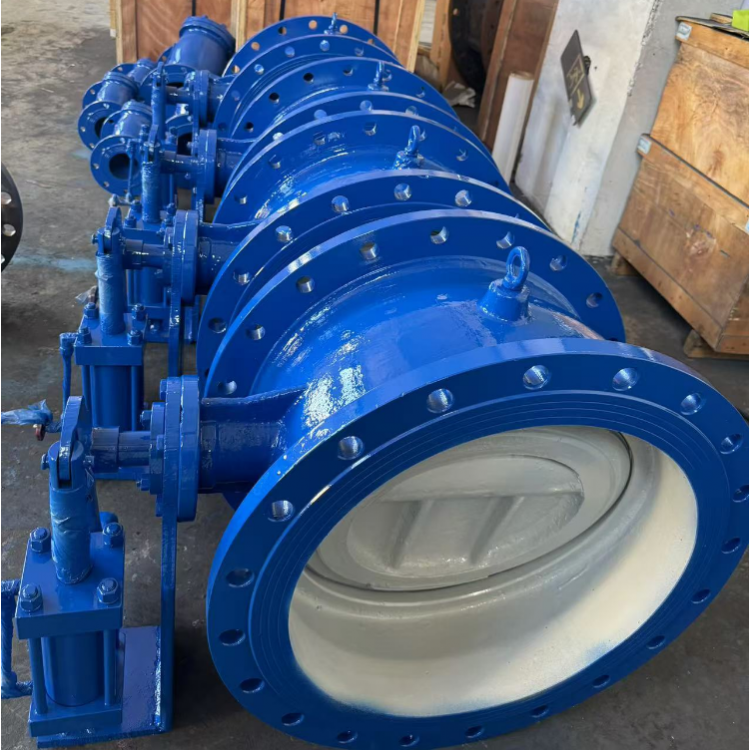
Valve manufacturing and sales, along with accessories

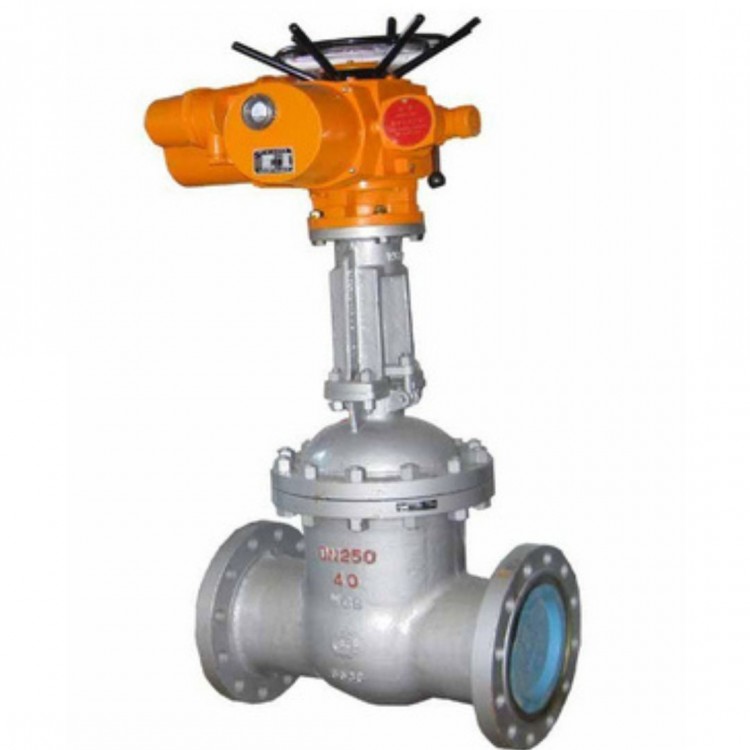
A blind valve is a hand, electric, or pneumatic/liquid-powered gate valve used for cutting off gas mediums, typically categorized into electric blind valves, hydraulic blind valves, pneumatic blind valves, sealed gate valves, and electric open blind valves.
The blind valve features three driving mechanisms, including two manual clamping or releasing devices, and one electric device for opening or closing the gate plate. During the operation of opening or closing the gate plate, first release the two manual devices.
Then, activate the electric device to open or close the gate (note: the electric device must not be activated unless the two manual devices are not released), and after the gate is opened or closed, re-tighten the two manual devices.
The pipeline can now proceed with operations. The blind valve is composed of left and right valve bodies, an expansion mechanism, a sector valve plate, and an electric push rod I for driving the valve plate as well as an electric push rod II for clamping and releasing.
The advantages of blind flange valves include:
Discontinuation of Gas MediumBlind flanges can effectively cut off the gas medium, ensuring the safe operation of the system.
2. Multiple Drive ModesCheck valves can be operated manually, electrically, pneumatically, or hydraulically, catering to various usage scenarios.
3. Compact and lightweight design:The valve body features a three-point structure, offering excellent rigidity, light weight, and ease of installation and maintenance.
4. Excellent sealing performanceThe valve bodies and valve plate seals are made of a flexible sealing pair composed of stainless steel and rubber, ensuring reliable sealing, high-temperature resistance, and a long service life.
5. Flexible OperationsThe clamping mechanism features a screw and nut design, allowing for quick clamping and release actions, excellent self-locking properties, and flexible operation.
6. Secure and ReliableEquipped with explosion-proof motors, the valves ensure safe and reliable transportation actions, both indoors and outdoors.
7. Easy MaintenanceThe sealing rings are positioned on the valve plate, making it convenient to replace them during maintenance.
8. Wide Application Range:For various pipeline systems, particularly in large equipment, it can quickly cut off the gas to ensure safe operation.
Application scenarios of blind flange valves mainly include the following aspects:
Pipeline MaintenanceDuring maintenance of a pipeline, a blind flange can be used to shut off the pipeline, preventing fluid leakage and reducing the workload during maintenance.
2. Pipeline Testing:During pipeline testing, it is necessary to measure parameters such as flow and pressure for a specific pipeline. At this point, a blind flange can seal the pipeline, facilitating the testing process.
3. Pipeline Renovation:During the pipeline renovation process, if a section of pipeline needs to be removed or a component replaced, the blind flange valve can seal off the pipeline to ensure the safety of the renovation.
4. Gas Pipeline SystemThe gas blanking valve is widely used in gas pipeline systems, serving to isolate, cut off, or connect gas pipelines. It effectively ensures the isolation and cutoff of pipelines, guaranteeing safe and smooth operations.
5. Other Industrial Sectors:Blind flanges are widely used in industries such as oil, chemical, power, and metallurgy, primarily for controlling the flow and discharge of media in pipelines.
The maintenance and care of blind flange valves primarily includes the following aspects:
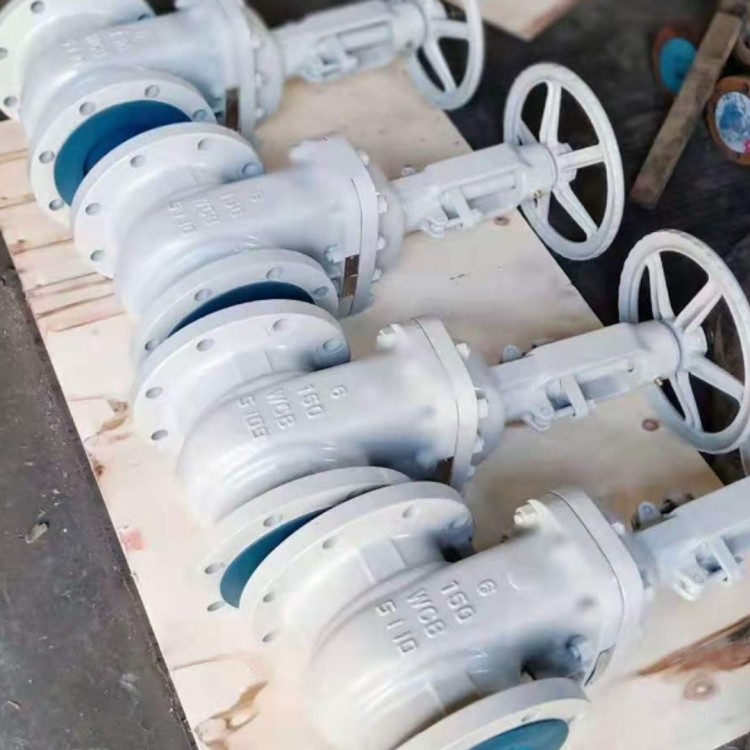
Regular inspections and cleaning:Valves stored for extended periods should be inspected regularly, ensuring the exposed machined surfaces remain clean and free of debris. They should be stored indoors in a well-ventilated and dry area, and are strictly prohibited from being stacked or left outdoors.
Pre-installation InspectionPrior to installation, it is essential to carefully check that the valve's markings, pressure, and bore diameter meet the usage requirements, and to eliminate any defects or dirt caused during transportation.
3. Operational Standards:When manually operating, observe the position indicator or scale disk. Turn clockwise to close and counterclockwise to open. After electrical wiring is installed, first manually open the valve to half-open position.
Then, after power-on debugging, the effectiveness of travel and torque control was confirmed.
4. Seal Performance InspectionRegularly inspect the valve's sealing area to ensure there is no damage or aging in the stainless steel and rubber sealing rings. Clean any debris and dust from the sealing groove to avoid affecting the sealing performance.
5. Electric Device InspectionInspect the operation of the electric drive and clamping devices to ensure smooth motor operation without abnormal noise. Regularly check the motor's lubrication and apply lubricant as necessary.
6. Structural InspectionInspect the three-point locking fan-shaped gate structure of the valve body for integrity, ensuring there are no deformations or cracks. Check that the connecting bolts are securely fastened with no looseness.
7. Clamping Mechanism InspectionEnsure the clamping mechanism is secured using screw threads and nuts, and check for self-locking performance. Regularly inspect the lubrication of the clamping mechanism and apply necessary lubrication as required.
8. Fault Management:In the event of a valve failure or abnormal condition, immediate shutdown for inspection and appropriate measures should be taken. Common issues include motor stoppage and overheating.
Methods include increasing the torque controller's set value and cleaning the valve rod with lubricant.


www.114global.com © Zhongshang 114 Hebei Network Technology Co., Ltd.Address: Room 6009, Oriental New World Center, No.118 East Zhongshan Road, Qiaoxi District, Shijiazhuang City, Hebei ProvincePlatform Service Hotline: 4006299930