

Product Details

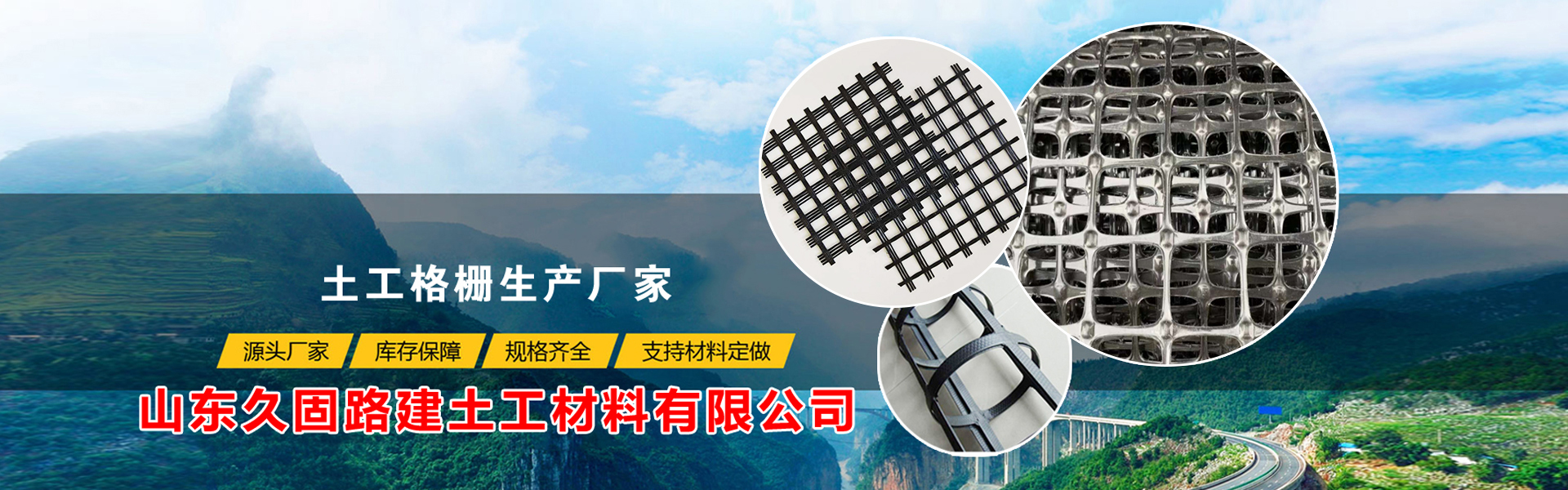
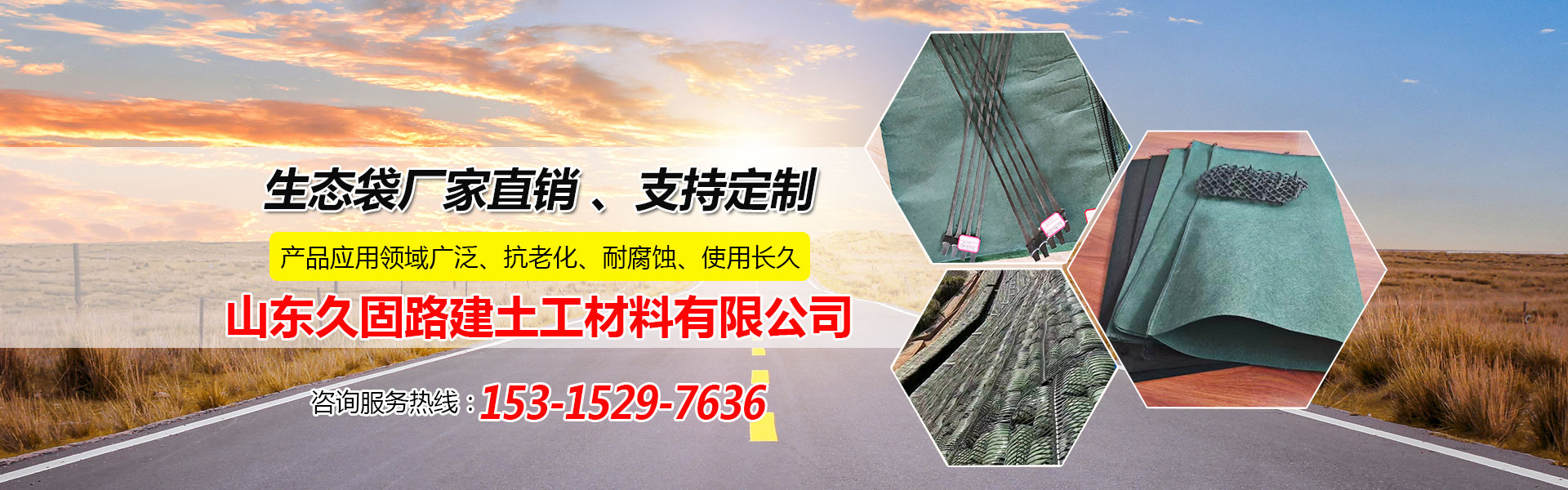
Ecological bags, glass fiber geogrids, steel-plastic geogrids, bidirectional plastic geogrids, unidirectional plastic geogrids, crack-resistant strips, etc.


价 格Negotiable
最小起订0 piece库存0 piece
 Business Card
Negotiable

Negotiable

Negotiable

Negotiable
 Flexible Perforated Drainage Pipe
Negotiable
Flexible Perforated Drainage Pipe
Negotiable
 Grille composite geotextile
Negotiable
Grille composite geotextile
Negotiable
 Bentonite Waterproof Mat
Negotiable
Bentonite Waterproof Mat
Negotiable
 Flood control ecological bags
Negotiable
Fujian Quanzhou Ecological Slope
Negotiable
Flood control ecological bags
Negotiable
Fujian Quanzhou Ecological Slope
Negotiable
 Geotextile membrane
Negotiable
Geotextile membrane
Negotiable
 Short-fiber geotextile
Negotiable
Short-fiber geotextile
Negotiable
 Crack-Resistant Tape
Negotiable
Crack-Resistant Tape
Negotiable
 Double-sided stretch plastic supp
Negotiable
Double-sided stretch plastic supp
Negotiable
 Geotextile Cellular Confinement S
Negotiable
Geotextile Cellular Confinement S
Negotiable
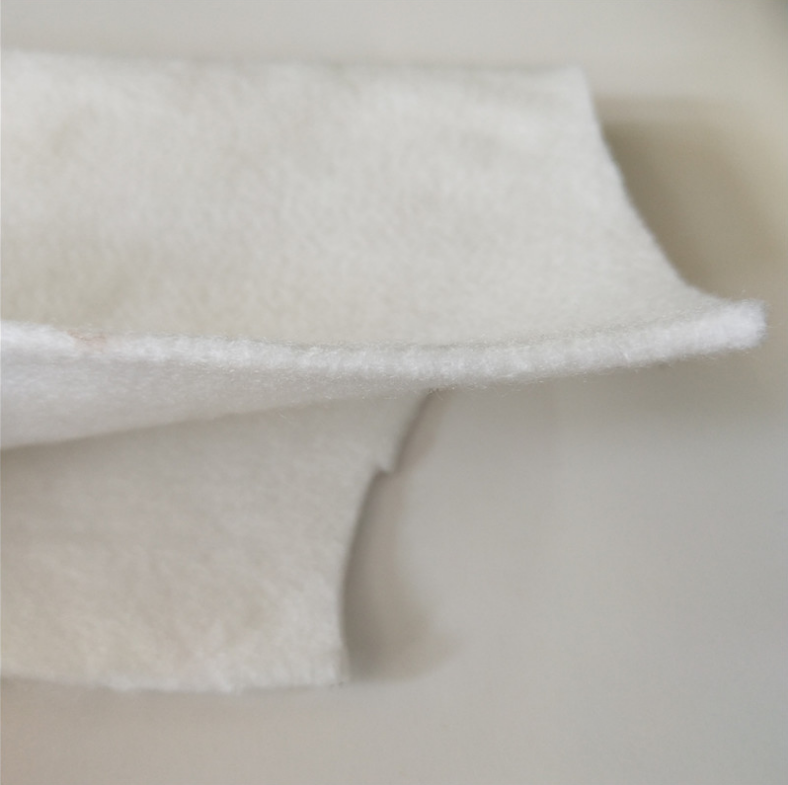
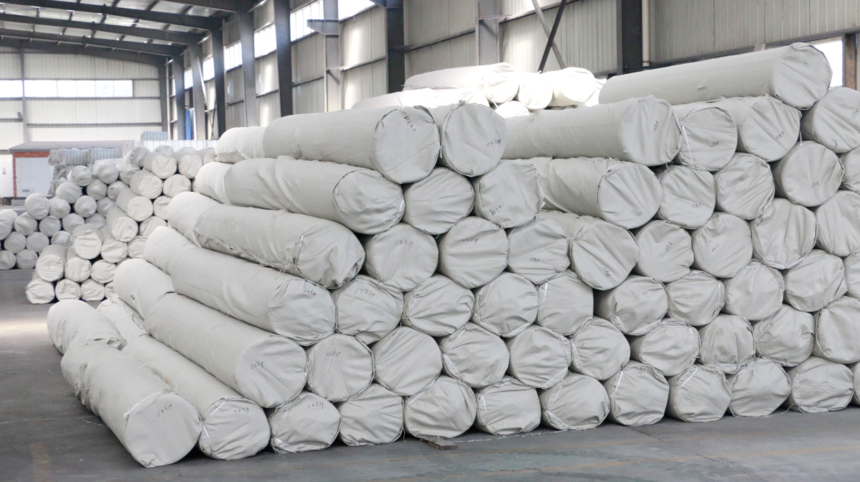

Earthwork Fabric
Polyester monofilament geotextile is a needle-punched nonwoven geotextile without chemical additives or heat treatment, making it an environmentally friendly building material. It can replace traditional engineering materials and construction methods, offering safer construction and contributing to environmental protection. It provides a more economical, effective, and durable solution to fundamental issues in engineering projects.
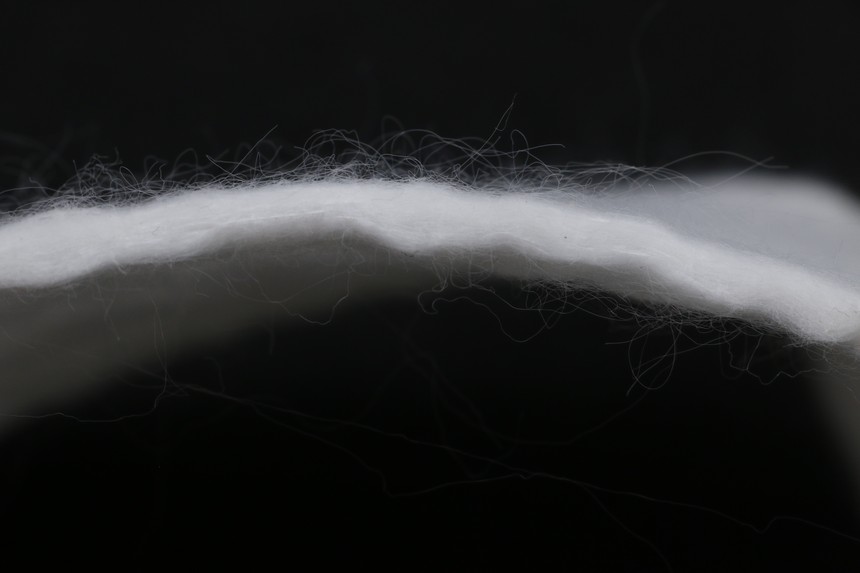
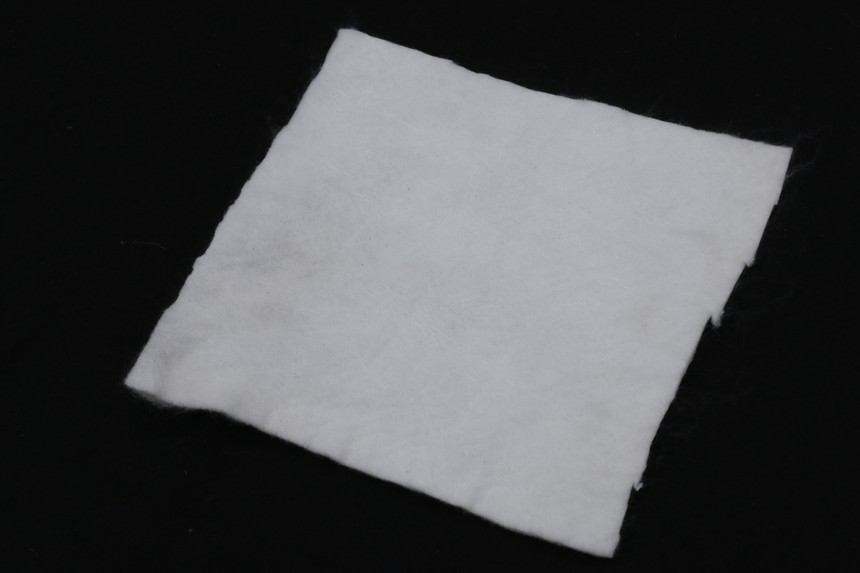
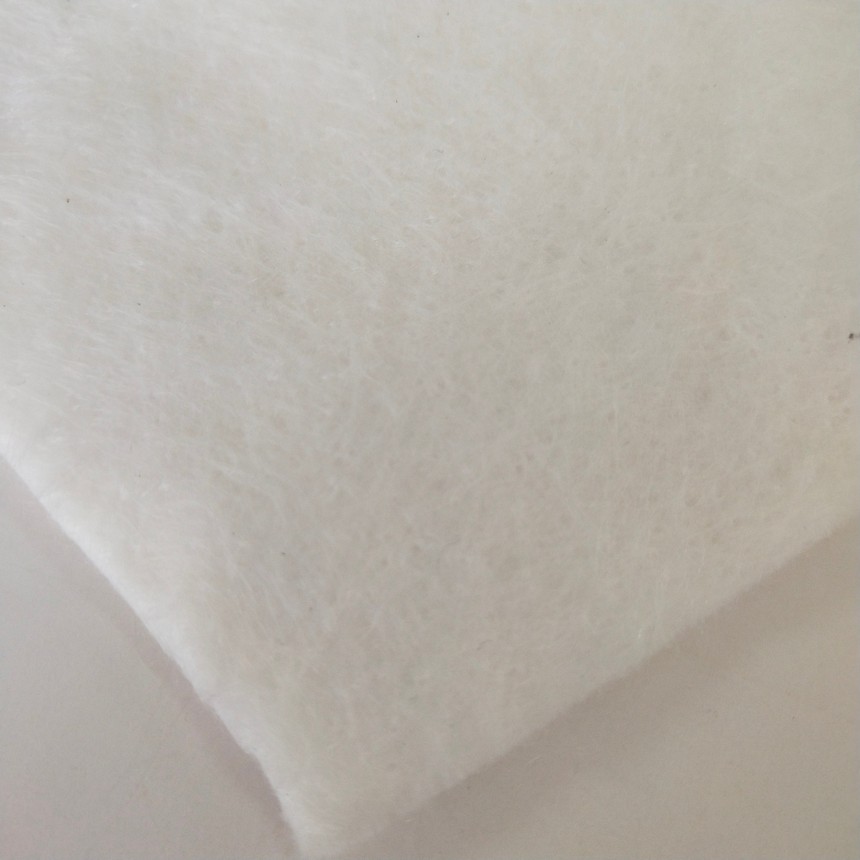
Long-fiber geotextiles offer excellent mechanical properties, good permeability, and resistance to corrosion and aging. They provide functions such as separation, reverse filtration, drainage, protection, stabilization, and reinforcement, and can adapt to uneven substrates. They can withstand external construction forces and have low creep, maintaining their original functions under long-term loads. Polyester long-fiber geotextiles are also known as non-woven long-fiber geotextiles, polyester non-woven geotextiles, long-fiber spunbond needlepunched geotextiles, long-fiber permeable geotextiles, and can also be called permeable geotextiles depending on their use. When combined with polyethylene for waterproofing, they are referred to as waterproof geotextiles. The technical specifications for waterproof geotextiles generally only calculate the strength of the fabric, with the strength of the film being overlooked!
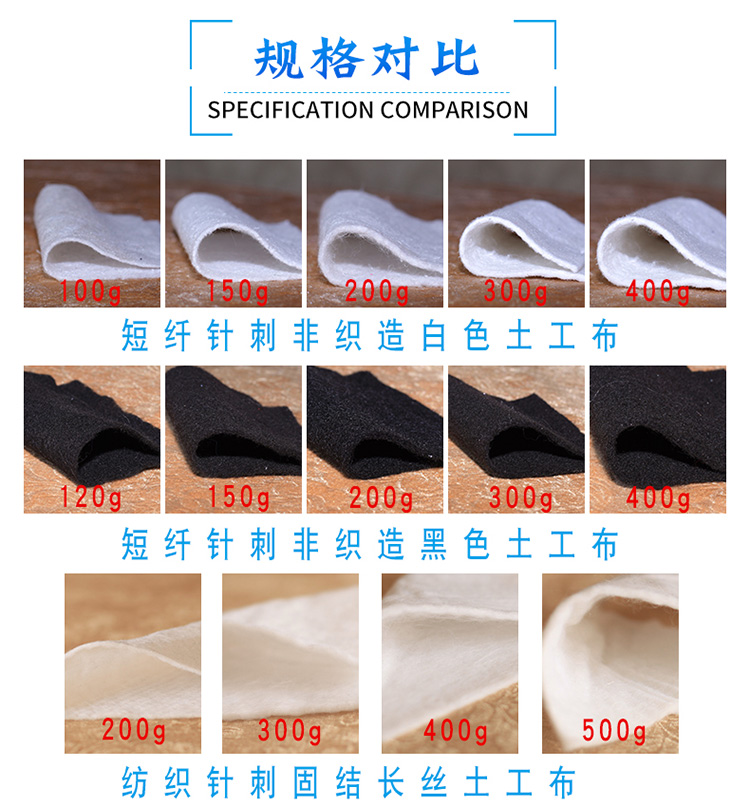
Long-fiber Geotextile Specifications: 100g/㎡-600g/㎡
Long Fiber Geotextile Characteristics:
High tensile strength; under the same gram weight specifications, the tensile strength in all directions is higher than that of other needle-punched non-woven fabrics.
2. Offers functional isolation benefits;
Can isolate soil layers composed of different components and properties for extended periods and prevent mixing.
Freezing tolerance and required load-bearing capacity for construction.
3. Features excellent anti-backwater and corrosion resistance.
Moisture can penetrate in all directions without building pressure. It also helps prevent soil erosion, enhancing stability and anti-corrosion properties.
4. Features reliable drainage capabilities.
Due to its fluffy structure, it can effectively control the drainage properties of the surface in geotechnical engineering.
5. Excellent protective performance
Due to its excellent puncture resistance, elongation, and loft, it effectively protects the waterproof layer from potential mechanical damage.
6. Reinforcement capability
The improved bulkiness and high strength enhance the overall stability and strength of the engineering.
7. Features excellent mechanical properties, good permeability, and resistance to corrosion and aging. It offers functions such as isolation, anti-filtration, drainage, protection, stabilization, and reinforcement. It can adapt to uneven subgrades and withstand external construction forces, with minimal creep and maintains its original functionality under long-term loads.
8. UV-resistant; High UV resistance.
9. High-temperature resistance; withstands temperatures up to 230°C, maintaining structural integrity and original physical properties under high heat.
10. Permeability and planar drainage; the geotextile is thicker and needle-punched, offering excellent planar drainage and vertical permeability, which can maintain these properties for many years.
11. Tensile property; the geotextile has excellent elongation under certain stresses, allowing it to adapt to irregular, uneven substrates.
Long-fiber Geotextile Applications:
(1) Reinforcement for soil-retaining wall backfill or for anchoring retaining wall panels. Construct encasement-type retaining walls or bridge abutments.
(2) Reinforce flexible road surfaces, repair cracks in the road, and prevent reflective cracking of the pavement.
(3) Enhance the stability of crushed rock slopes and reinforced soil, prevent soil and water erosion, and guard against frost damage to soil bodies during low temperatures.
(4) Separation layer between the roadbed and the subgrade, or between the subgrade and the soft subgrade.
(5) Soil backfilling, rock or material pile isolation layers from foundations, isolation between different frozen soil layers, filter and reinforcement functions.
(6) Filter layers in the initial upstream face of a silt dam or tailings dam, and in the drainage system of the backfill soil in retaining walls.
(7) Filter layer around the drainage pipe or around the gravely drainage trench.
(8) Filter layers for wells, pressure-reducing wells, or inclined pressure pipes in hydraulic engineering projects.
(9) Geotextile separation layer between road, airport, railway ballast, and artificial mounds of stone, etc., and the foundation.
(10) Internal vertical or horizontal drainage of embankments, buried in soil to dissipate the pressure of void water.
Drainage behind or beneath the concrete facing of a soil dam or embankment, where a waterproof geomembrane is installed.
(12) Exclude seepage around tunnels to alleviate the external water pressure on the lining and seepage around all buildings.
(13) Drainage for the artificial filled land subgrade sports ground foundation.
(14) Used to reinforce soft foundations in projects such as highways (including temporary roads), railways, embankments, earth dams, airports, sports fields, etc.
Geotextile Laying Method:
1. Geotextile can be installed mechanically or manually. During installation, ensure the singed rough side faces up, then secure one end with a fastener, and tension it using machinery or labor, achieving a stretch rate of approximately 1% to 1.5%. Lay it flat and tightly against the road surface.
The fixator includes fixing nails and fixing iron strips. Fixing nails should be made of cement nails or staple guns, with a length of 8-10 cm; fixing iron strips can be made of iron strips with a thickness of 1mm and a width of 3mm.
2. The transverse overlap of geotextile is approximately 4-5 cm. Depending on the laying direction, the end should be placed underneath the previous one, and bonded with hot asphalt or emulsified asphalt. Secure it with a fixing device. The longitudinal overlap is also about 4-5 cm and can be bonded directly with adhesive oil. Overwide overlaps lead to thicker interlayers, reduced bonding strength between the surface and subgrade, and are prone to issues like surface bulging, detachment, or displacement. Therefore, the overly wide overlap sections should be trimmed off.
3. Geotextile should be laid out as straight as possible. When a turn is necessary, cut the fabric at the bend, overlap the sections, and apply a bonding oil layer. Efforts should be made to avoid wrinkles in the fabric; if creases occur during laying (with crease height > 2cm), cut the creased section and rejoin it in the laying direction using a bonding oil layer for connection.
4. Once the geotextile is laid and the second asphalt adhesive coating is sprayed and cooled for about 2 hours, it is essential to sprinkle an appropriate amount of fine yellow sand to prevent the fabric from being lifted or damaged by the vehicle wheels, as the wheels might stick to the oil. The amount of fine sand should be around 1-2 kg/m2.

Phone Consultation