价 格Negotiable
最小起订0 Piece库存0 Piece
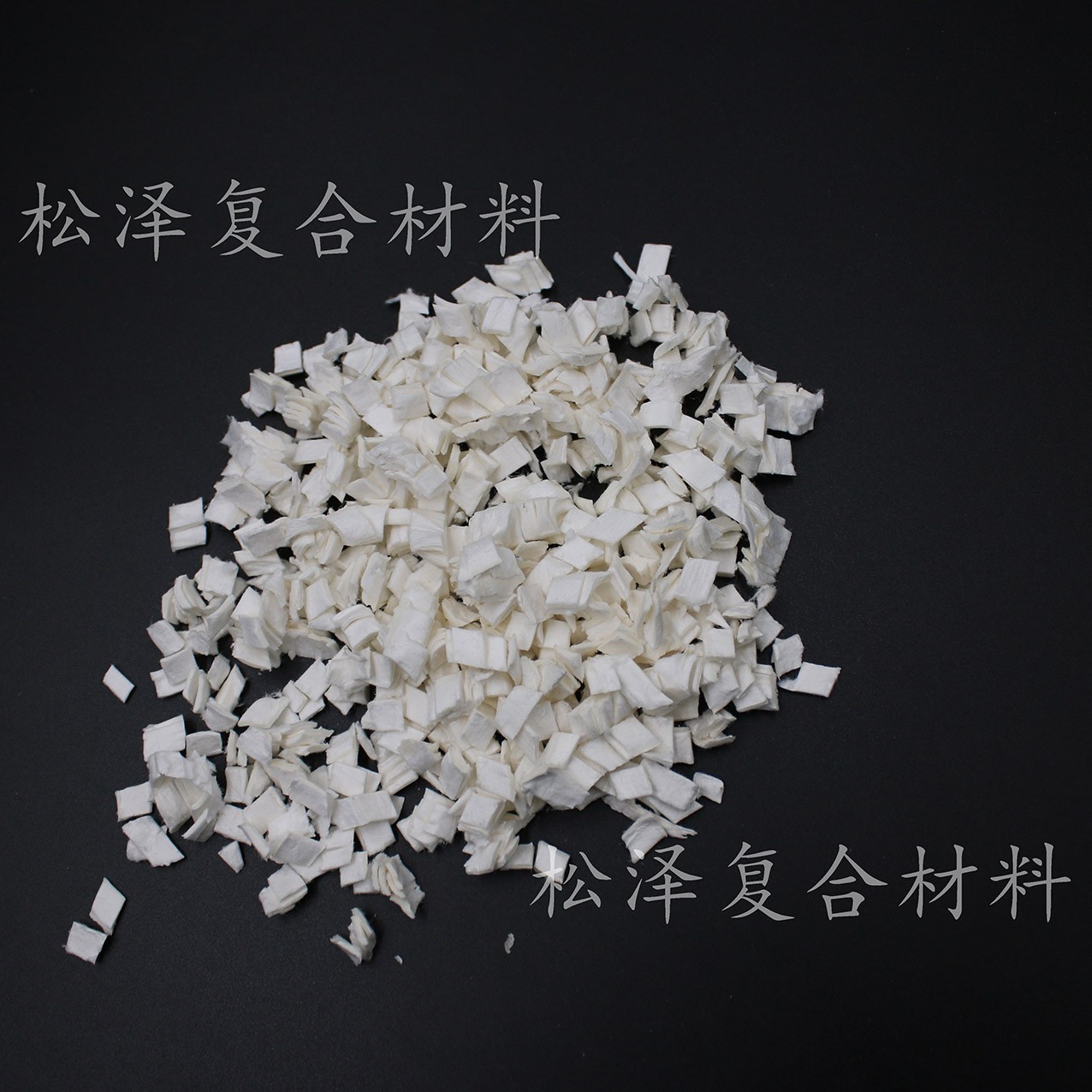
Cellulose fiber
Negotiable
Micro-fine copper-coated steel fi
Negotiable
Polypropylene mesh fiber
Negotiable
End hook monofilament steel fiber
Negotiable
Polyester fiber
Negotiable
Polypropylene mesh fiber
Negotiable
Basalt fiber
Negotiable
Jet yarn
Negotiable
Glass Fiber
Negotiable
Milled steel fiber
Negotiable
That is plant fiber, used to differentiate from synthetic fibers, animal fibers, or mineral fibers. It consists of cells that have lost their growth function in plants, primarily composed of cellulose, a polymer of glucose macromolecules with the molecular formula (C6H10O5)n, while other fibers do not belong to this category.
Cellulose fibers refer to all fibers derived from cellulose polymers, which can be categorized into natural cellulose fibers, natural regenerated cellulose fibers, and modified regenerated cellulose fibers. Natural cellulose fibers primarily include cotton, ramie, and flax. Regenerated cellulose fibers are mainly viscose, acetate, and bamboo fibers.
Cellulose fibers offer superior skin contact, wearing comfort, physiological safety, moisture absorption, ease of processing, and biodegradability in their products, a range of characteristics that synthetic fibers cannot fully possess. As a result, nonwoven fabrics made from cellulose fibers find unique applications in medical, nursing, hygiene products, cosmetics, and other industrial sectors. In developed countries like Europe, America, and Japan, cellulose fibers have become an important raw material for nonwoven fabrics and are widely utilized. Biodegradable cellulose fibers include cotton fibers, viscose fibers, acetate cellulose fibers, and Lyocell fibers.

www.114global.com © Zhongshang 114 Hebei Network Technology Co., Ltd.Address: Room 6009, Oriental New World Center, No.118 East Zhongshan Road, Qiaoxi District, Shijiazhuang City, Hebei ProvincePlatform Service Hotline: 4006299930

Phone Consultation