

Product Details

Pipe plug bladders, rubber supports, support steel plates, bowl-shaped supports, spherical supports, bridge expansion joints


价 格Negotiable
最小起订0 Piece库存0 Piece
 Business Card
Negotiable

Negotiable

Negotiable
Negotiable
 GQF-MZL120, 160, 240, and 320 mod
Negotiable
GQF-MZL120, 160, 240, and 320 mod
Negotiable
 Building Isolation Support (LRB T
Negotiable
Building Isolation Support (LRB T
Negotiable
 Rubber Water Plug (Airbag)
Negotiable
Rubber Water Plug (Airbag)
Negotiable
 QPZ Series
Negotiable
QPZ Series
Negotiable
 Sliding Support (Single-way, Bi-d
Negotiable
Sliding Support (Single-way, Bi-d
Negotiable
 Waterproofing Test Bladder withou
Negotiable
Waterproofing Test Bladder withou
Negotiable
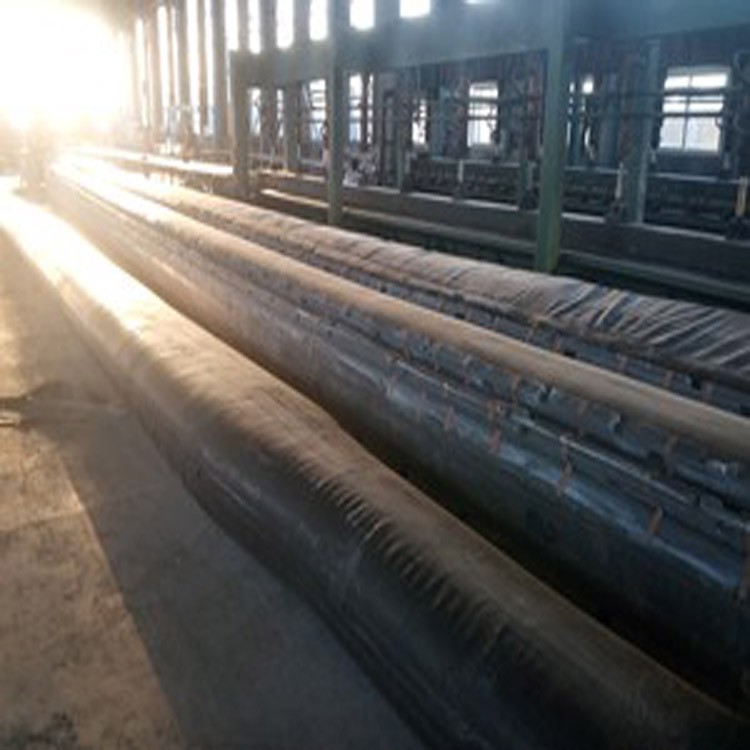 Rubber Inflatable Core Mold - 05
Negotiable
Rubber Inflatable Core Mold - 05
Negotiable
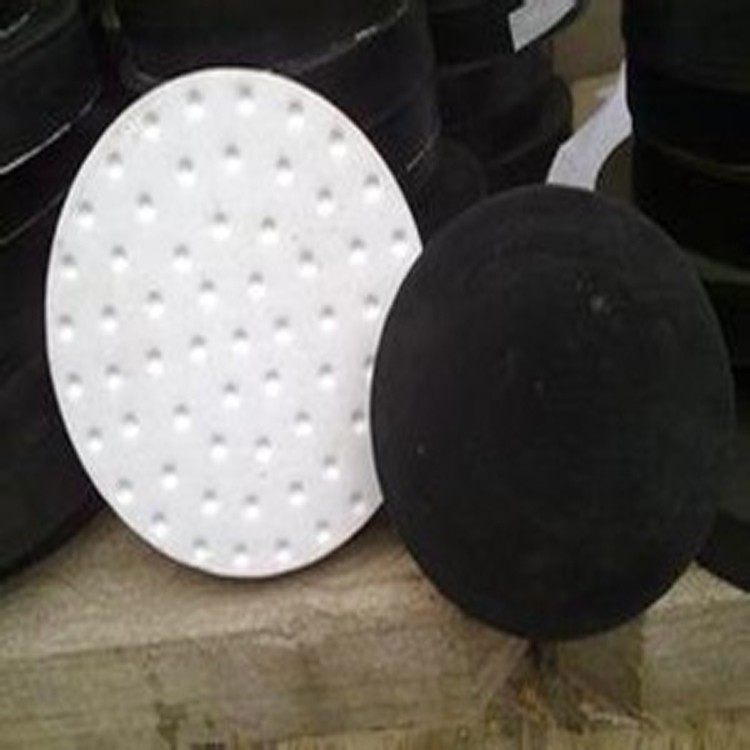 GYZf4 Circular Four Fluorine Boar
Negotiable
GYZf4 Circular Four Fluorine Boar
Negotiable
 Customizable, design drawings
Negotiable
Customizable, design drawings
Negotiable
 Bridge guardrail bracket
Negotiable
Bridge guardrail bracket
Negotiable
Rubber inflatable formers are expandable and contractible cylindrical bags made by vulcanizing rubber with a fiber-reinforced layer, offering high tensile strength, elasticity, and airtightness. They are used to form cavities in concrete components by placing them in the center and inflating with compressed air. Once inflated, they possess sufficient strength to withstand concrete pressure, replacing traditional wooden, bamboo, or steel molds. Upon valve opening, the capsules contract and can be withdrawn from the cavity. Easy to use, cost-effective, and durable, these formers can be reused multiple times. Deflated, they can be softened, folded, or curled. They are suitable for concrete component hollowing, including piles, trusses, roof deck columns, beams, civil engineering, and hydraulic engineering (docks, shipyards, piers). Construction practice has proven that the capsule hollowing technology is simple, saves materials, and features versatile shapes, such as circular, elliptical, rectangular, arched, octagonal, trapezoidal, and more. They can also create straight holes or variable cross-section holes, enabling lightweight, thin-walled hollow structures and altering concrete properties from the traditional rigid formwork methods. This is a cost-reducing and time-saving concrete product accessory.
Manufacturing Process:
Rubber inflation cores, in terms of manufacturing, the early production of inflation cores was all cold adhesive processes. Over time, through continuous practice, the cold adhesive process was gradually replaced by the one-step molding process of hot pressing and vulcanization. However, some manufacturers still use this process due to its relatively lower production costs for inflation cores. The critical drawback of the cold adhesive process is that the adhesive joints can delaminate when overheated, significantly reducing the lifespan compared to inflation cores produced by the one-step hot pressing and vulcanization process.
Utilizing a single molding process with rubber and anti-pull fabric, the surface is smooth with no seams, and it can withstand sufficient concrete heat and pressure.
Next, the same process can yield vastly different quality rubber inflation cores due to variations in raw material selection. This includes the choice between natural and synthetic rubber, as well as the tensile strength of the anti-pull fabric. These factors directly impact the quality and lifespan, or the number of cycles, of the inflation core products.
Construction Method:
1. Place the core mold inside the reinforcing cage, ensuring the longitudinal joints face up. Inflate to the specified pressure and close the valve. To prevent the concrete from floating upwards during vibration, securely fasten the top, bottom, left, and right sides according to the construction process. Apply pressure using the formwork tie screws to counteract the upward float.
2. Cast concrete using a high-frequency insert-type vibrator, vibrating from both sides simultaneously to prevent the core mold from shifting left or right. The tip of the vibrator must not touch the core mold to avoid piercing and causing air leakage.
3. Once the concrete has begun to set, you can remove the core mold and demold (open the air valve).

Phone Consultation