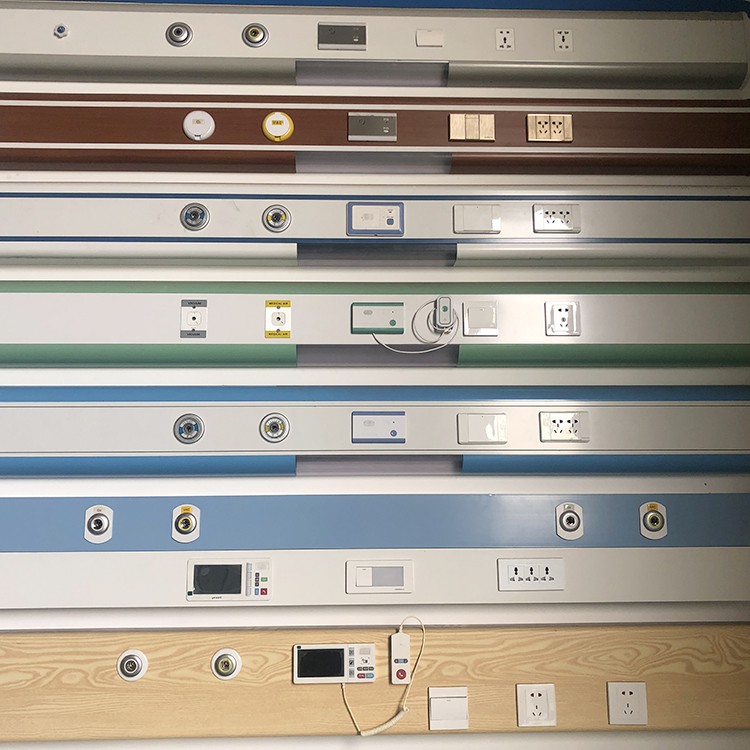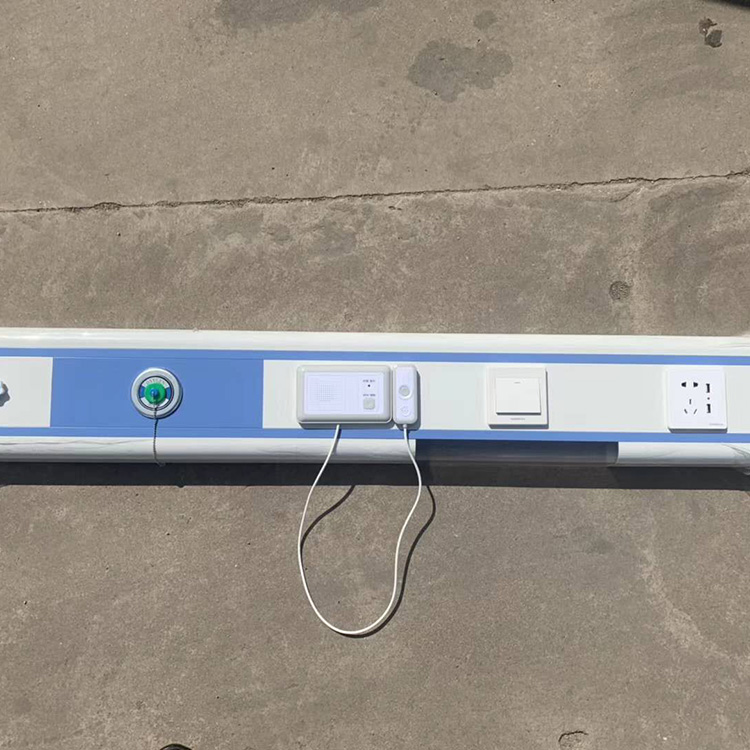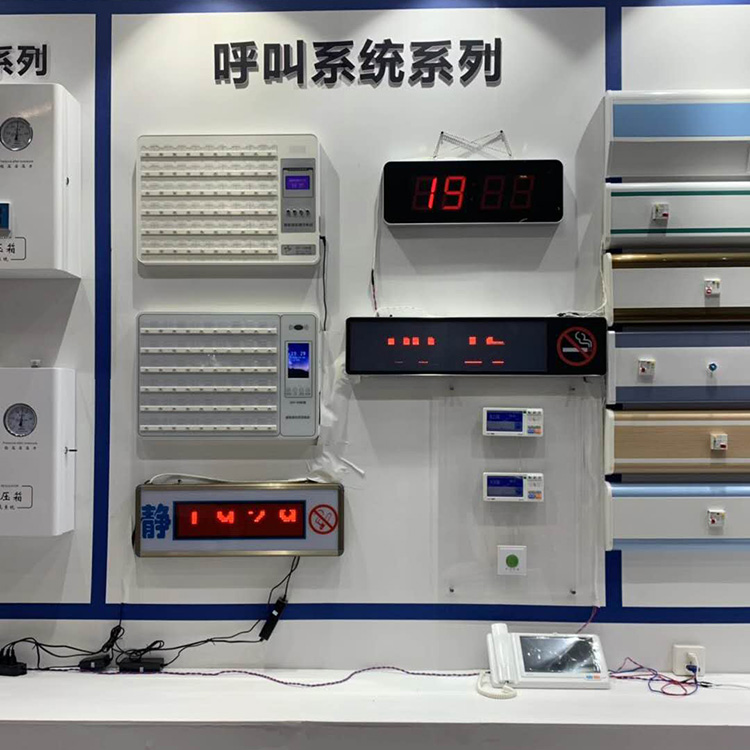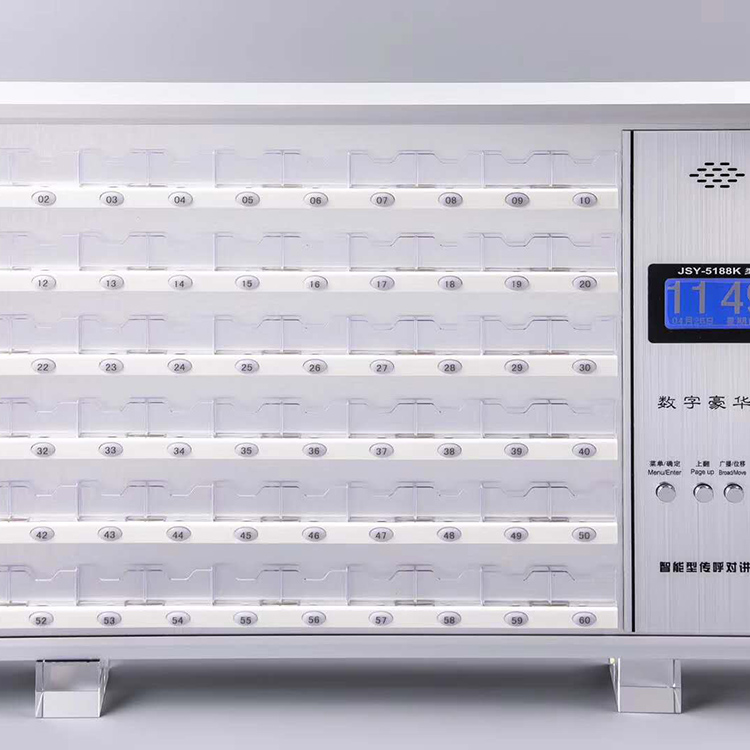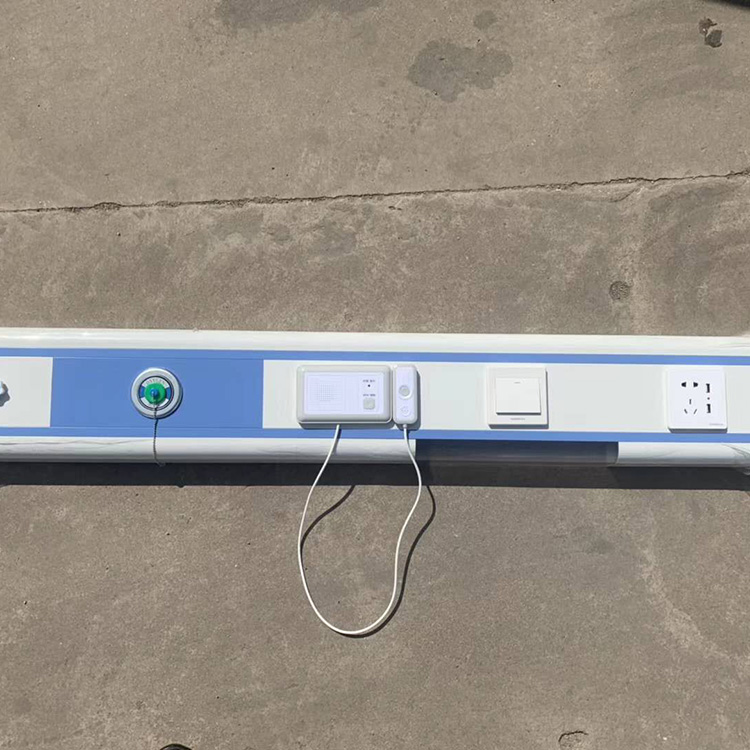

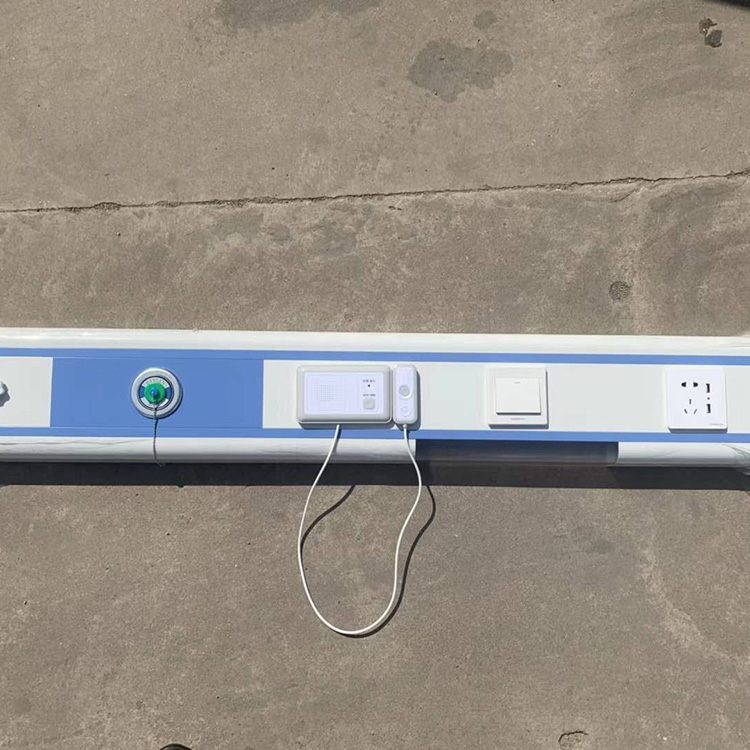
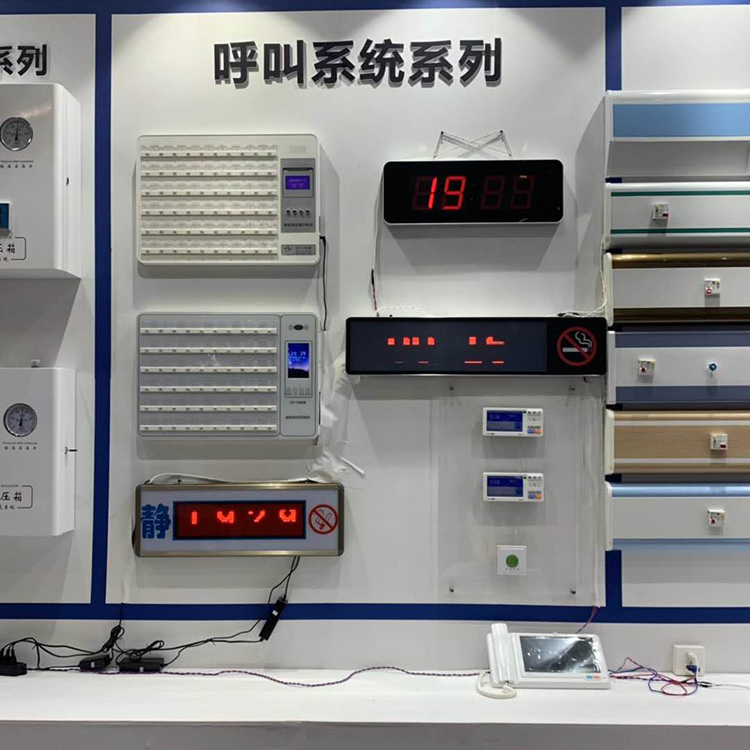
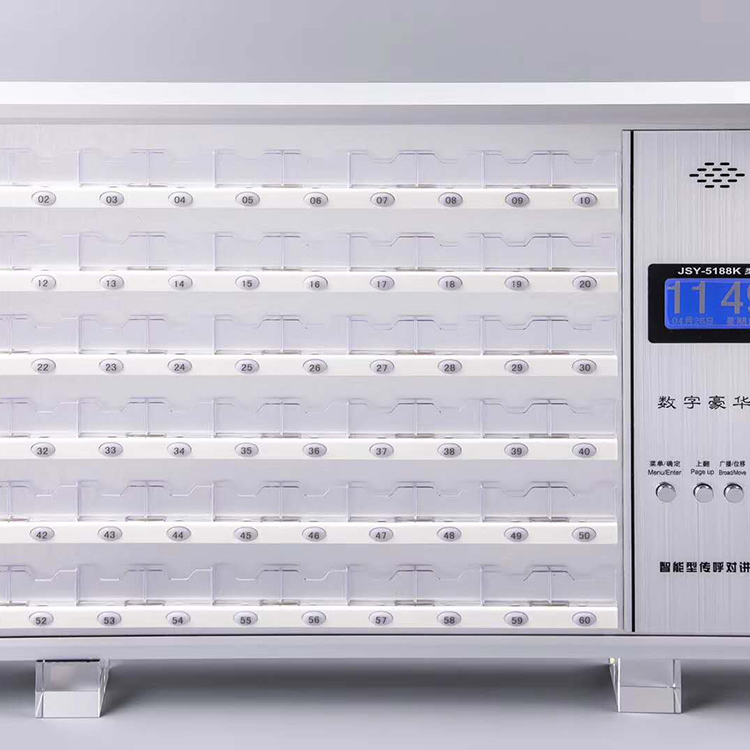















Hospitals are places for saving lives and helping the injured. In order to better serve the public and ensure their safety, it is necessary for hospitals to install bedside call devices. Place a pager at the head of each hospital bed. When a patient needs service, simply press the button on the pager, and the receiver will display the bed number and sound a prompt. Medical staff can use the prompt information to know the accurate bed to be served and provide corresponding services.
There are so many hospital wards that it is impossible for every room to be guarded by a manager. This not only takes time and effort, but also prevents patients from relaxing. After using the bedside pager in the hospital, place the host that receives the signal on the pager at the nurse station. When the patient needs help, press the call button. After the host receives the signal, medical staff can arrive as soon as possible, which not only facilitates the patient's use but also allows medical staff to understand the patient's situation.
As a receiving and transmitting device, the bedside pager in the hospital has a frequency that does not conflict with the medical equipment in the hospital and does not affect the normal use of other medical equipment. The receiver has a built-in anti mixing function for receiving channels: Hospitals generally have multi story wards, with each floor having a set of control centers or two floors sharing a set of control centers. The hospital call system will not generate inter floor call signals.