




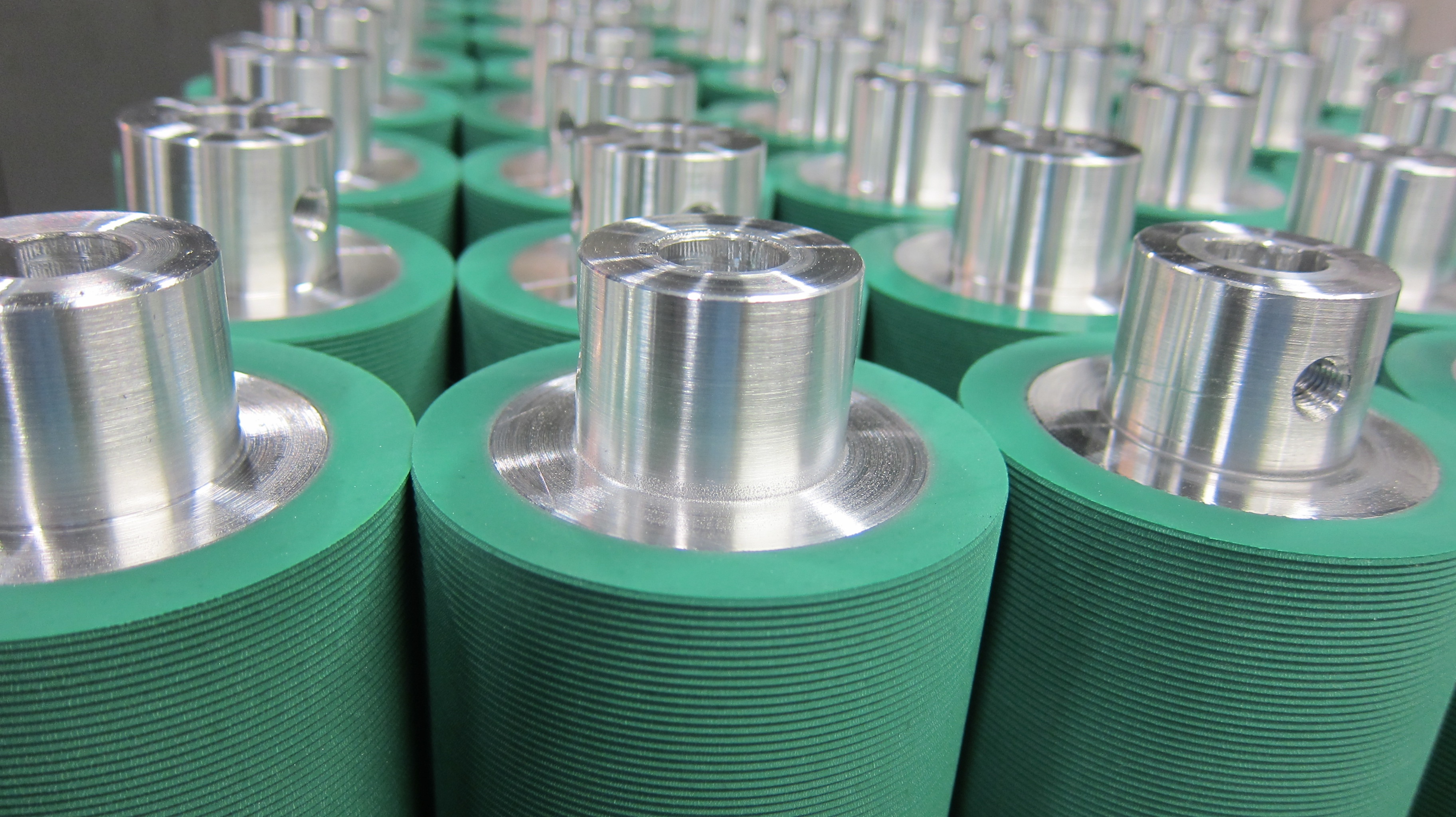
Polyurethane coated wheels and polyurethane friction wheels are actually the same! Just two different ways of saying polyurethane wheels are actually the same thing
Polyurethane wheels, as emerging industrial wheels, stand out among many types of wheel components and have become an important choice for mechanical design wheels. During the use of polyurethane wheels, the issue of friction between the wheel and the contact surface has received increasing attention due to differences in equipment and operating environments. This article provides a brief explanation of methods to increase and decrease friction for reference.
1、 How to increase the friction between polyurethane wheels and contact surfaces.
1. Reduce the hardness of polyurethane elastomer for polyurethane wheel components.
Polyurethane has a wide range of hardness, and if you want to increase the friction of the wheel, you can choose a lower hardness polyurethane elastomer for encapsulation while ensuring the load. The deformation of low hardness wheel components increases after compression, and the contact area between them and the contact surface also increases, resulting in an increase in the friction force of the rubber coated wheel.
2. Roll or hair treatment on polyurethane wheels.
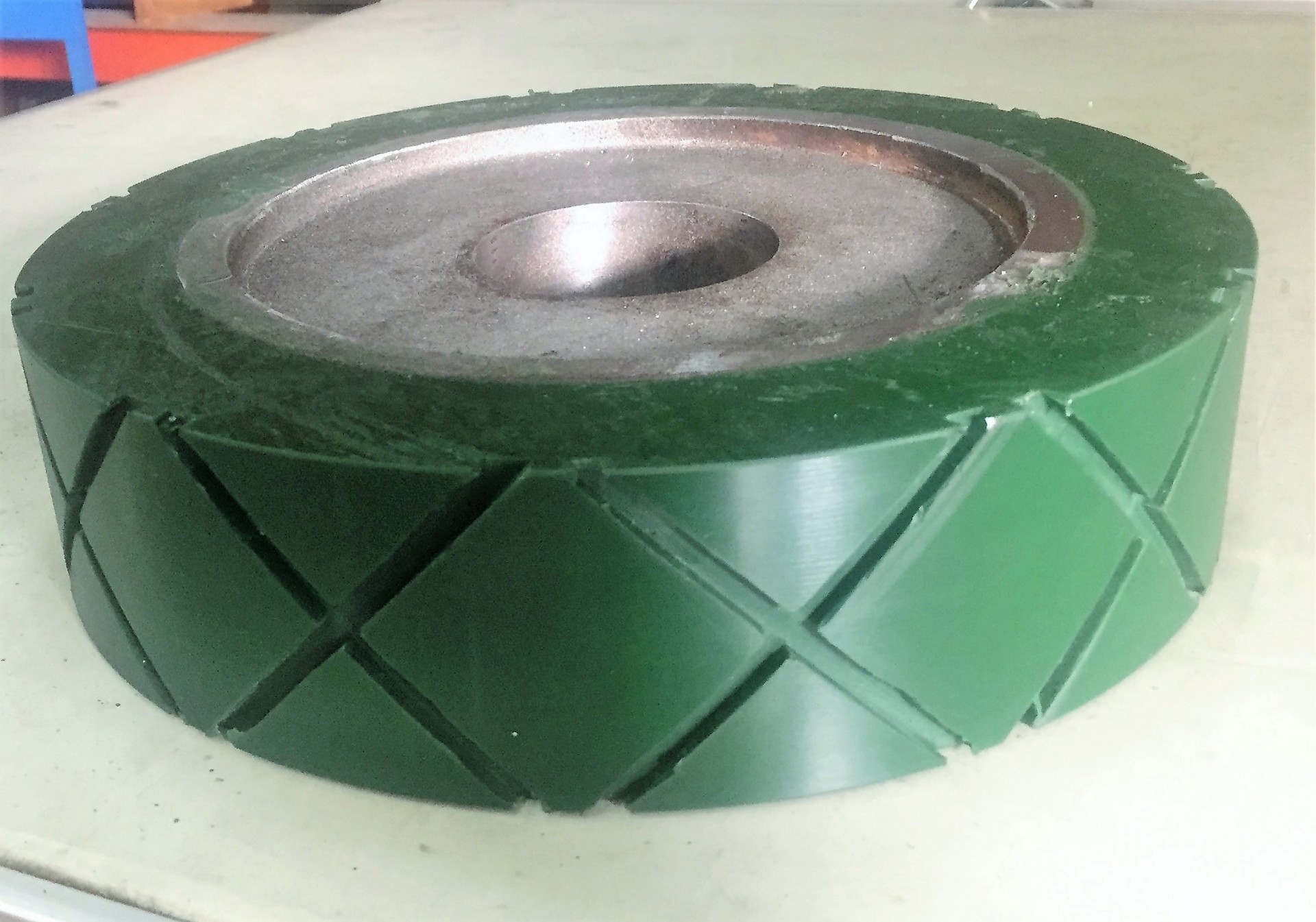
Increasing the roughness of the wheel surface can provide good friction and prevent slipping during use. At present, there are various ways to create patterns or hair on the surface of the wheel components. It is also possible to perform carving and other processing on the surface
3. Increase the width of the wheel to increase its direct contact area with the contact surface after compression.
After increasing the wheel width, the contact area between the wheel and the contact surface increases during use, and the frictional force also increases accordingly.
4. Directly increase the vertical load on the wheels (equipment pressurization).
By increasing the direct load of the equipment (some devices that use pressure springs can increase the spring pressure), the vertical load received by the wheel is increased, thereby increasing the deformation of the wheel and the friction force. (This method is suitable for situations where there is a large surplus of wheel load, and the critical ultimate load should be used with caution).
5. Select polyurethane raw materials with high adhesion between their molecules and contact surfaces to make finished wheels.
Polyurethane materials, as synthetic materials, have significant differences in their physical and chemical properties. The adhesion (stress) between different materials and the contact surface also varies. Choosing the appropriate polyurethane material can effectively increase the friction of the finished polyurethane wheel.
2、 How to reduce the friction between polyurethane wheels and contact surfaces.
1. Improve the colloid hardness of polyurethane wheel components to reduce their deformation after compression.
Corresponding to increasing friction, polyurethane materials with higher hardness can be chosen to reduce the friction of the finished wheel (currently, the hardness of higher materials can reach HA95). For specific hardness, please consult the wheel manufacturer.
2. Clean and polish the wheel mold to make the surface of the finished wheel smooth and slippery.
Cleaning and polishing molds can result in wheels with smooth tread surfaces, which has a good effect on reducing friction.
3. Reduce the width of the wheel to make the actual contact area with the contact surface smaller.
The wheel width decreases, the foundation area decreases under pressure, and the friction force decreases.
4. Reduce the vertical load on the wheels.
Reduce the vertical load of the equipment (the pressure spring also reduces the spring pressure), so that the deformation of the wheel under pressure decreases, and the friction force decreases accordingly.
5. Select polyurethane raw materials with relatively low adhesion between their molecules and contact surfaces to make finished wheels.
Choosing polyurethane materials with lower adhesion (stress) to the contact surface can also effectively reduce the friction of the finished polyurethane wheel.