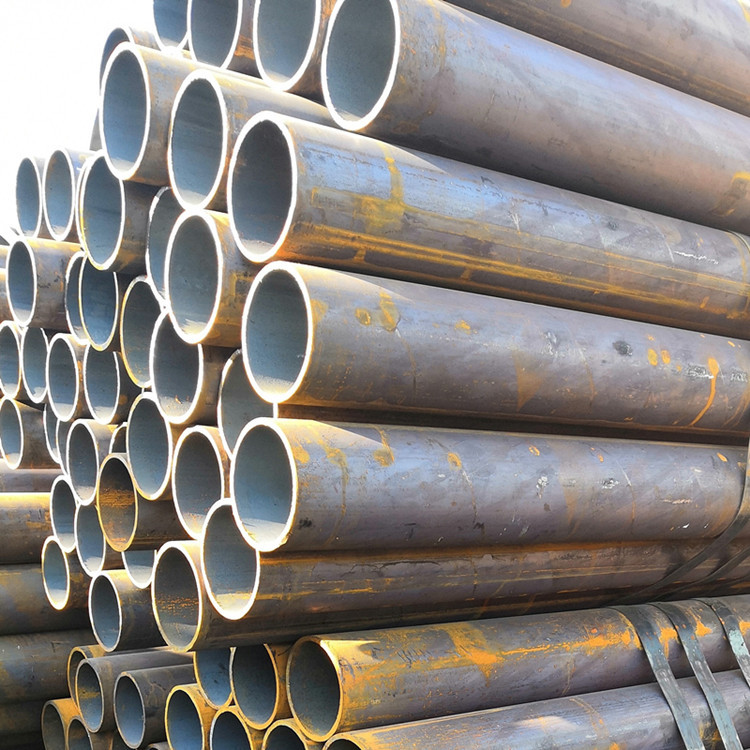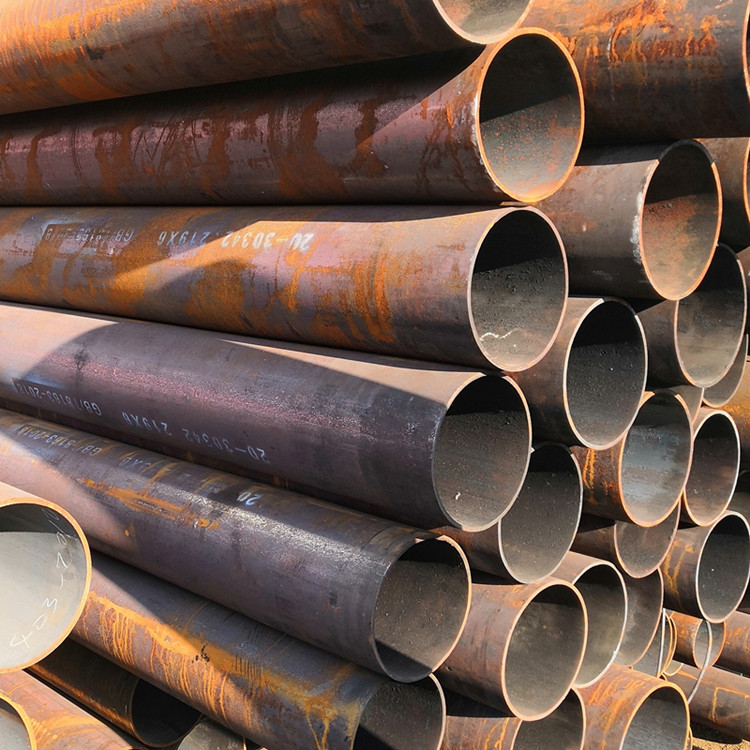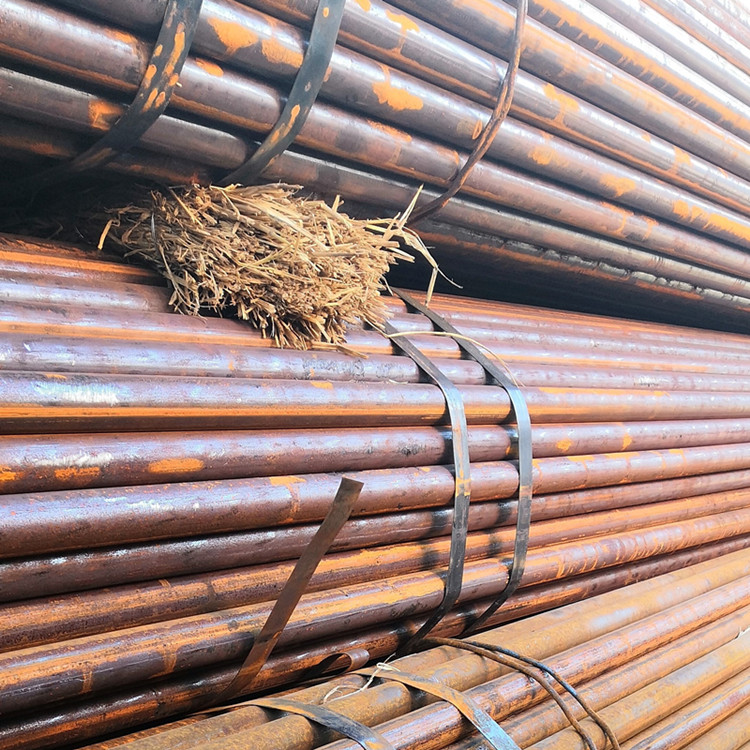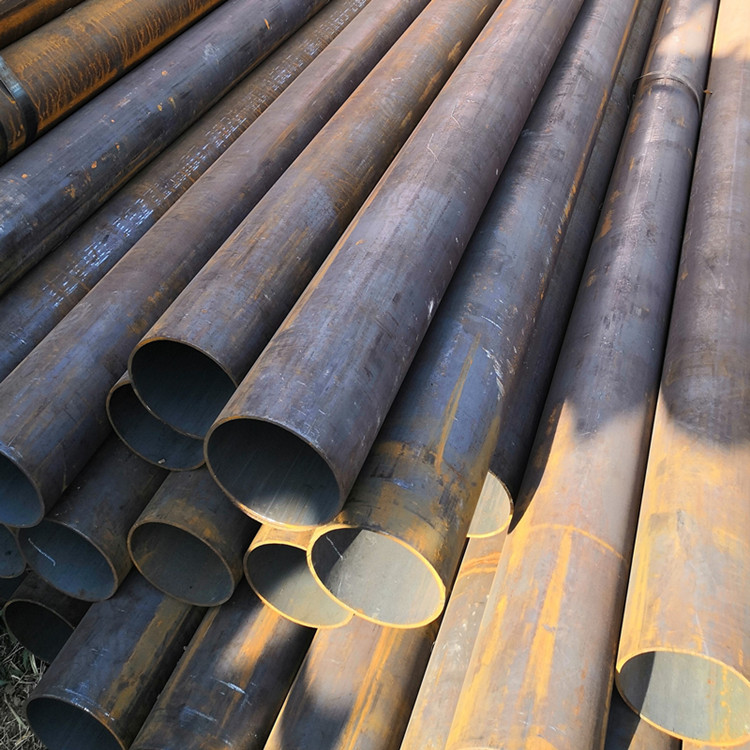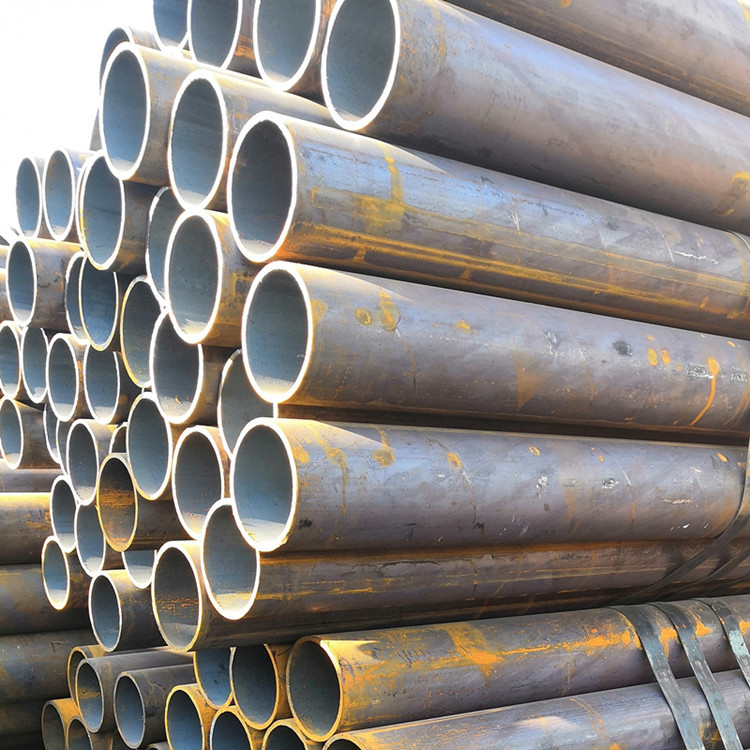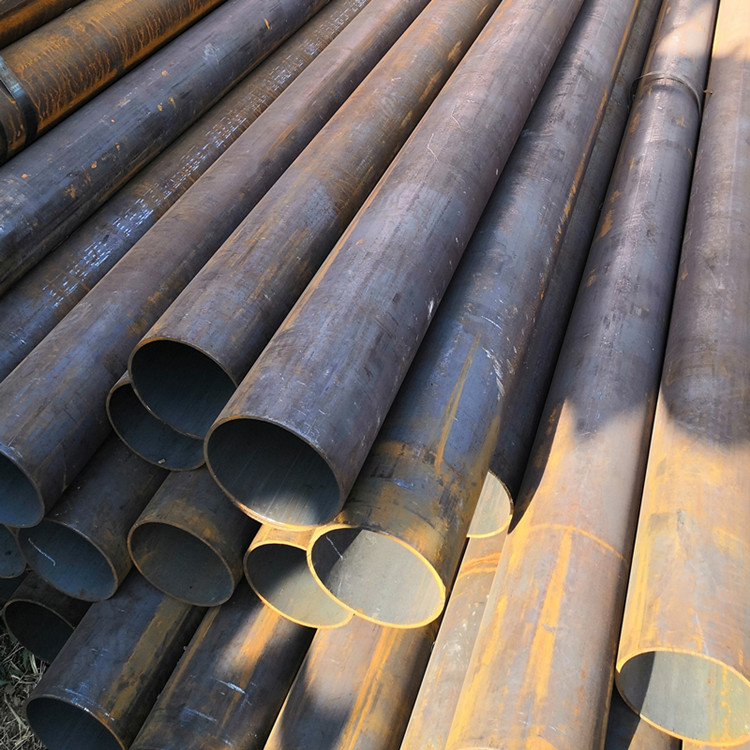

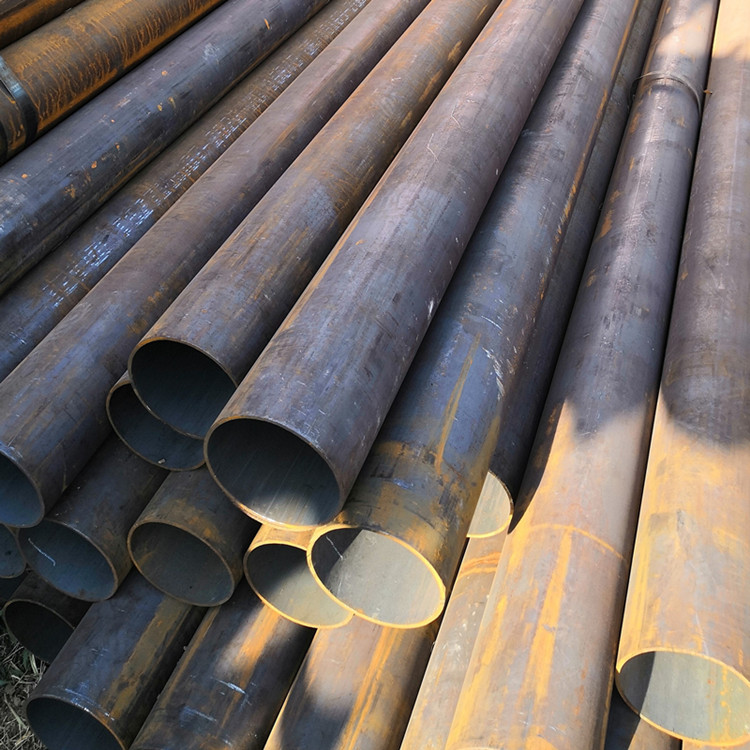
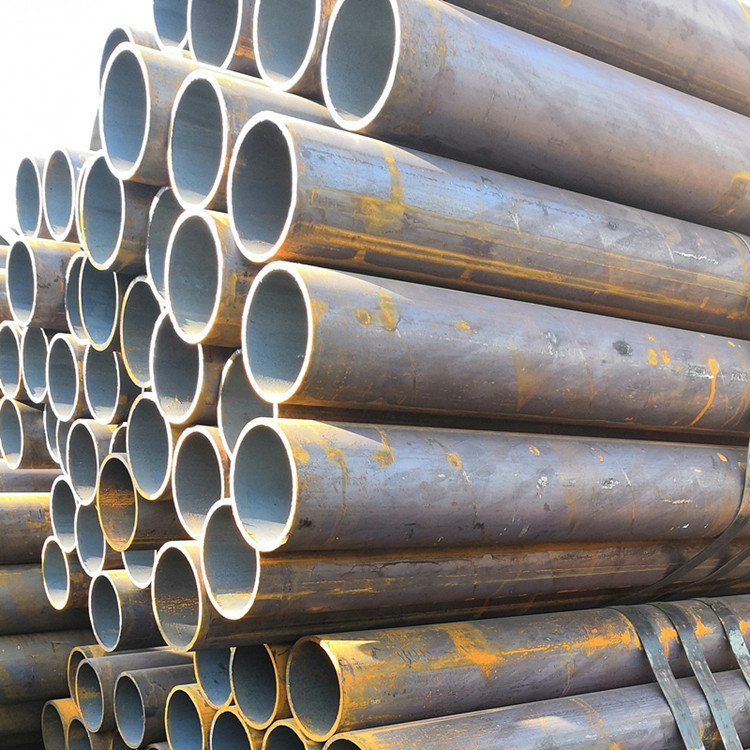
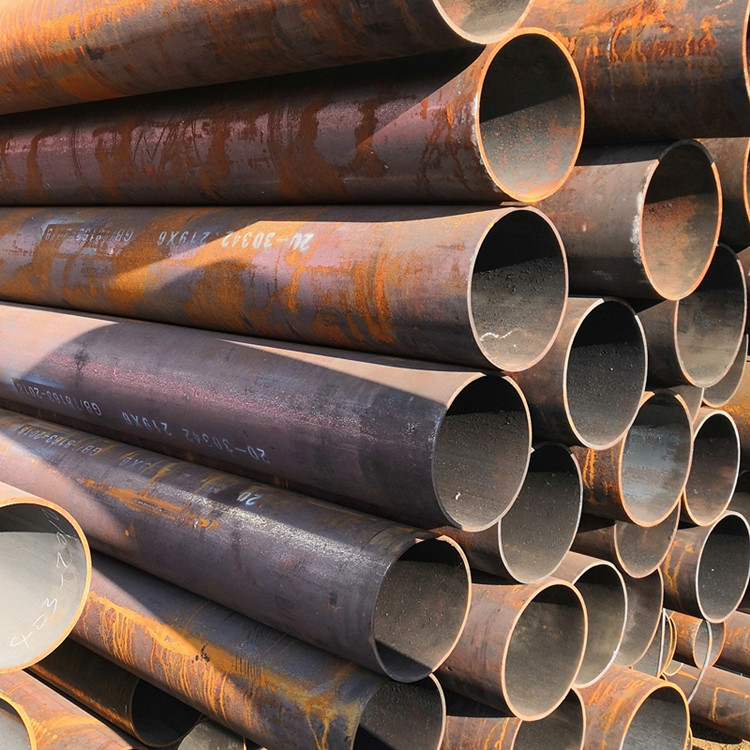















Seamless pipes have a wide range of applications. Seamless pipes for general use are rolled from ordinary carbon structural steel, low-alloy structural steel, or alloy structural steel, with high production capacity, mainly used as pipelines or structural parts for transporting fluids.
According to different purposes, there are three types of supply:
1. Supply according to chemical composition and mechanical properties;
2. Supply based on mechanical performance; c、 Supply according to hydraulic pressure test. Steel pipes supplied according to categories A and B, if used to withstand liquid pressure, also need to undergo hydrostatic testing.
3. There are various types of seamless pipes for specialized purposes, such as seamless pipes for boilers, seamless pipes for geology, and seamless pipes for petroleum.
Seamless steel pipes can be divided into hot-rolled pipes, cold-rolled pipes, cold drawn pipes, extruded pipes, etc. according to different production methods.
1. Classified by appearance, there are circular pipes and irregular pipes. In addition to square and rectangular pipes, there are also elliptical pipes, semi-circular pipes, triangular pipes, hexagonal pipes, convex pipes, plum blossom pipes, etc.
2. According to the different materials, they are divided into ordinary carbon structural pipes, low-alloy structural pipes, alloy structural pipes, stainless pipes, etc.
3. According to specific purposes, there are boiler pipes, geological pipes, petroleum pipes, etc.
technological process:
Tube blank - inspection - peeling - inspection - heating - perforation - acid washing - grinding - lubrication and air drying - welding head - cold drawing - solid solution treatment - acid washing - acid pickling and passivation - inspection - cold rolling - degreasing - cutting head - air drying - internal polishing - external polishing - inspection - labeling - finished product packaging
Manufacturing process:
Hot rolling, cold drawing, and hot expansion
According to different production methods, it can be divided into hot-rolled pipes, cold-rolled pipes, cold drawn pipes, extruded pipes, etc.
1. Hot rolled seamless pipes are generally produced on automatic pipe rolling units. The solid tube blank is inspected and surface defects are removed, cut into the required length, centered on the end face of the tube blank perforation, and then sent to the heating furnace for heating, and perforated on the perforation machine. During perforation, while continuously rotating and advancing, under the action of the rolling mill and the top, a cavity gradually forms inside the billet, called a capillary tube. Then send it to the automatic pipe rolling machine for further rolling. The whole machine has a uniform wall thickness and is calibrated by a sizing machine to meet the specifications. The method of producing hot-rolled seamless steel pipes using a continuous rolling mill.
2. If you want to obtain seamless pipes with smaller size and better quality, you must use cold rolling, cold drawing, or a combination of both methods. Cold rolling is usually carried out on a two roll mill, where steel pipes are rolled in a circular hole pattern consisting of a variable cross-section circular groove and a stationary conical top. Cold drawing is usually carried out on single chain or double chain cold drawing machines with a capacity of 0.5-100T.
3. The extrusion method involves placing the heated tube blank in a sealed extrusion cylinder, and the perforation rod and extrusion rod move together to extrude the extruded part from the smaller mold hole. This method can produce steel pipes with smaller diameters.