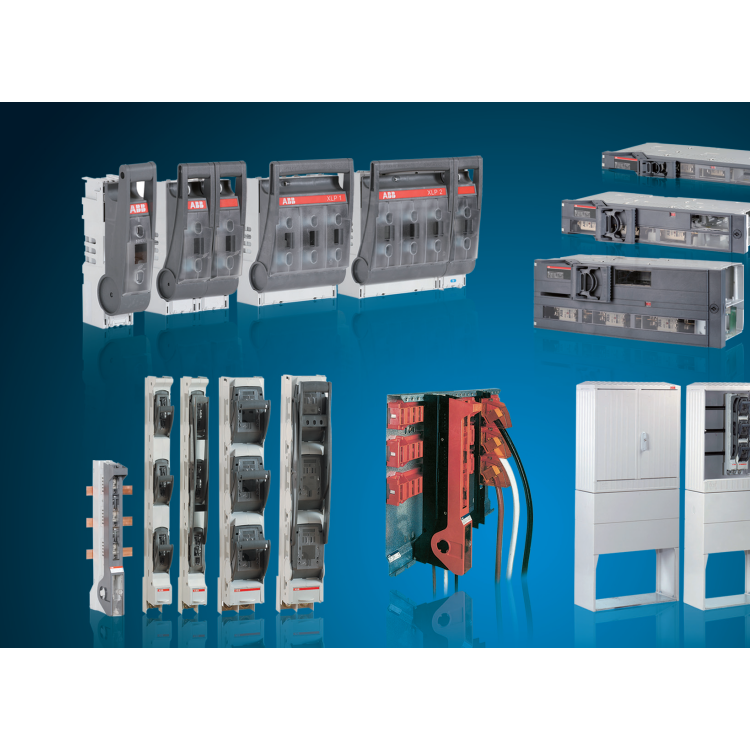

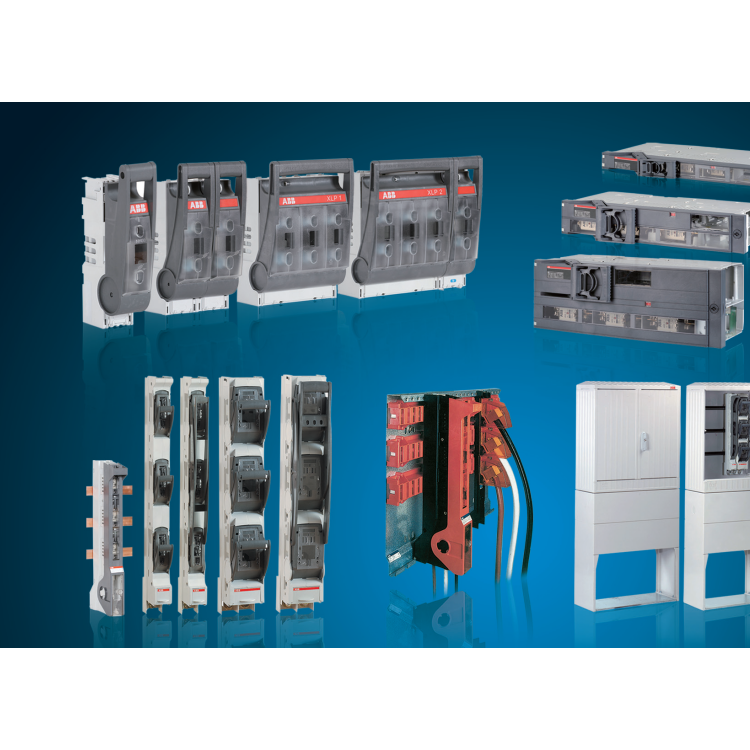








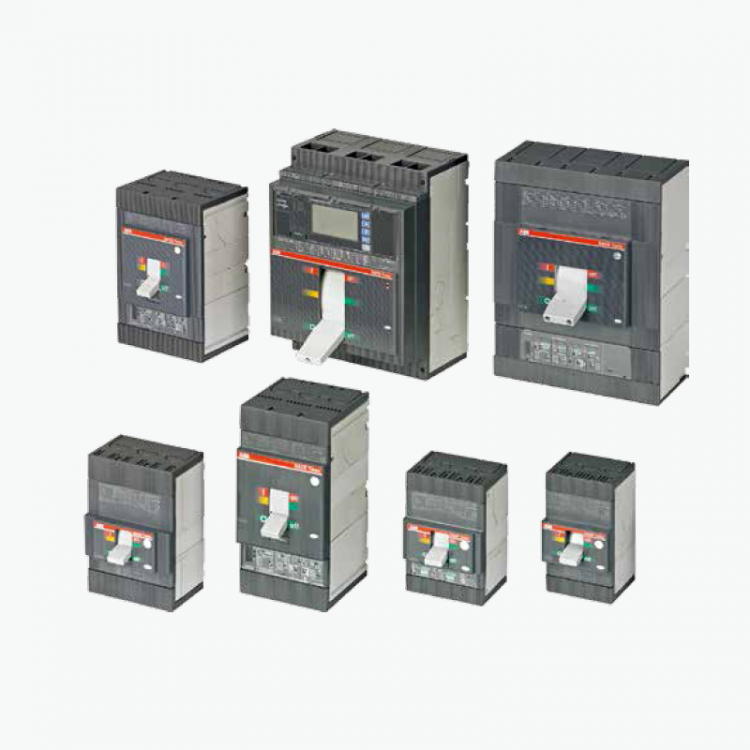
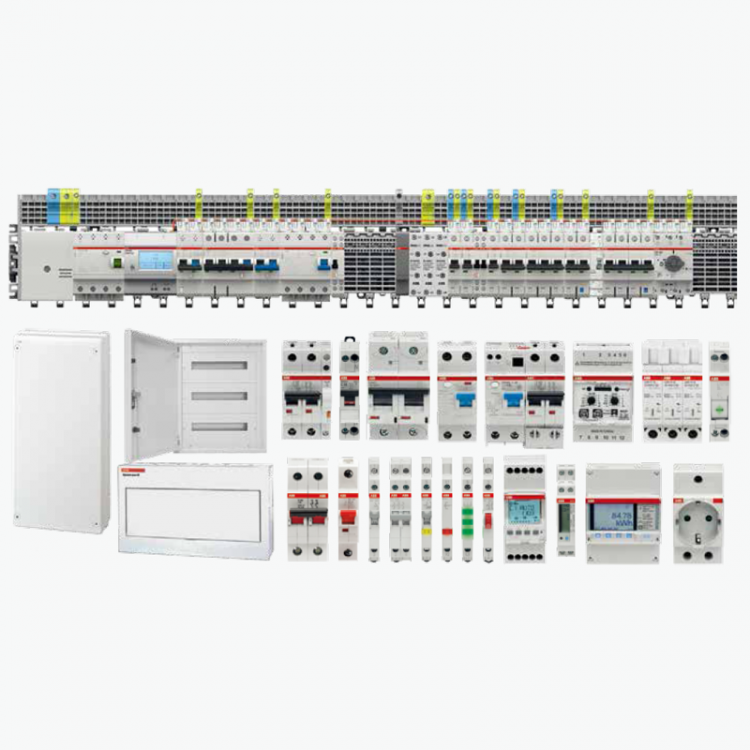
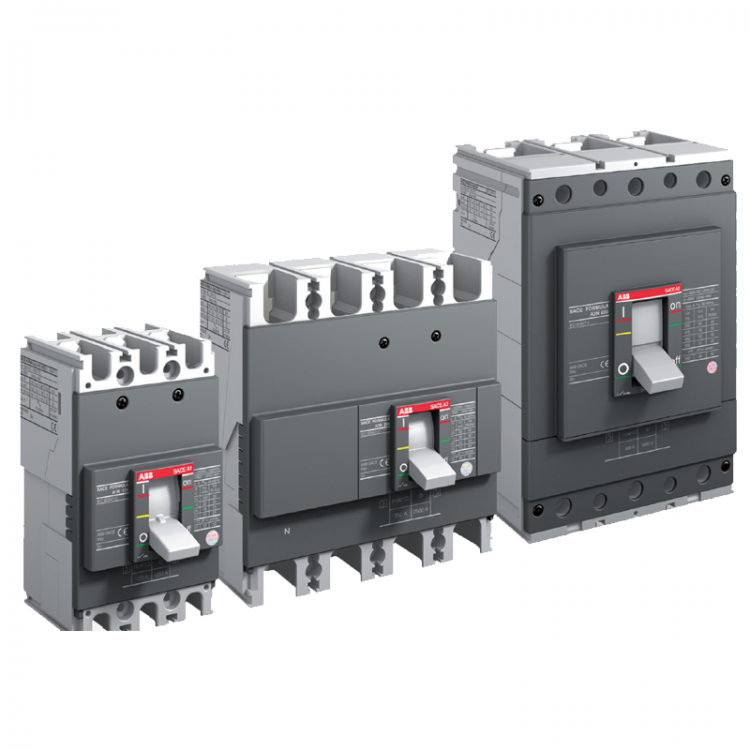
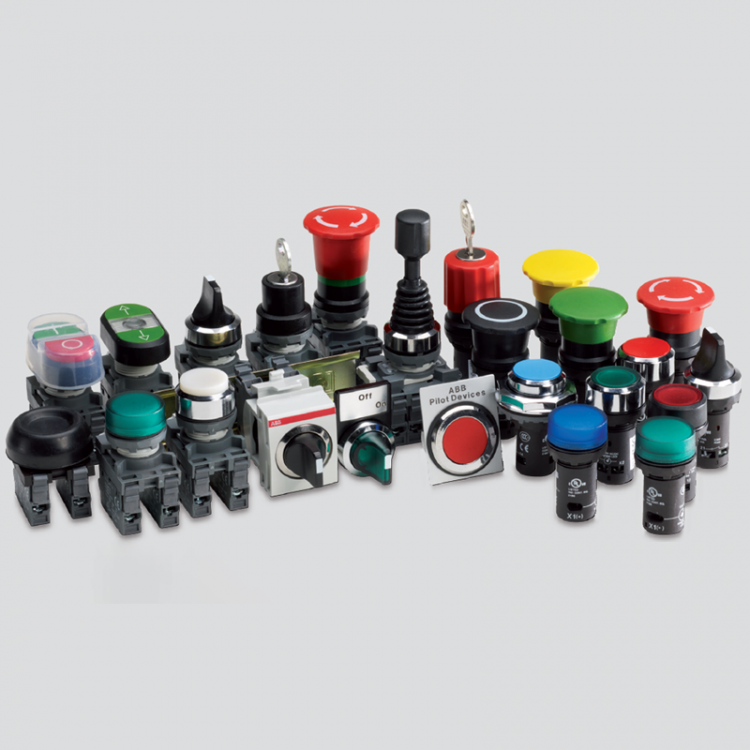
Fuses are an excellent short-circuit protection component, whether considering the larger allowable interrupting current (peak interrupting current) or energy values. The advantages of fuses are more pronounced with higher voltages and fault levels. The selection of fuses is straightforward, requiring no complex calculations or tools. Fuses can prevent "sudden widespread power outages" as only the fuses close to the fault point trip, leaving the upstream fuses unaffected. Therefore, fuses can provide selective protection. When the system needs increased power, the distribution system can be expanded without altering the existing structure. The fuse grouping ensures selective system protection, with a ratio of 1.6 : 1 to the rated current.
High cost-performance ratio:
The total cost of the fuse system is low. The fuse prices are affordable yet capable of withstanding high levels of fault and fault currents. Once the fuse assembly is in operation, only the fuse needs to be replaced. Since fuse replacement is simple and quick, using a fuse assembly can significantly reduce equipment downtime and maintenance time. Because the fuse elements are housed within a cylinder, the operation is unaffected by the surrounding environment. The protective characteristics are stable and reliable, remaining unchanged for years. The protection performance of the fuse on the network and equipment depends on the allowable energy during a short circuit (i2t). When the short-circuit current is high, the fuse offers superior protection compared to other solutions. As the fuse body is filled with quartz sand, it neither releases gas nor generates an arc during a short circuit. Therefore, it has a minimal impact on the power grid and offers a higher level of personnel safety protection.
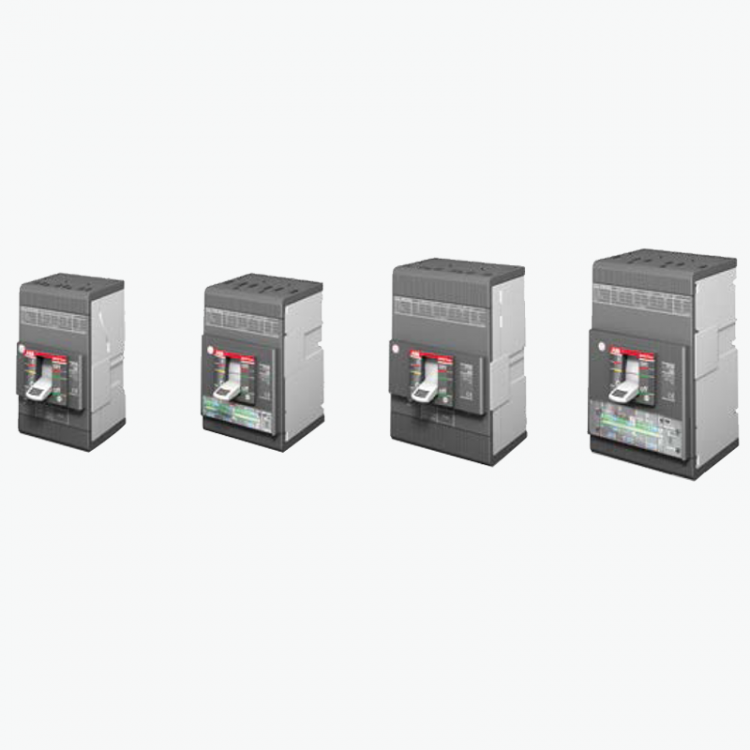
Circuit breaker protection function:
Simple and reliable
High performance at a competitive price
Easy and quick selection
No need for calculation tools
- When increased power is required, no alteration to the existing structure is necessary.
No active components
Fast response, short action time
- Arc Quenching Chamber Not Required
No gas is released during short circuit.