









Wall Billboard Safety Inspection and Certification Standards
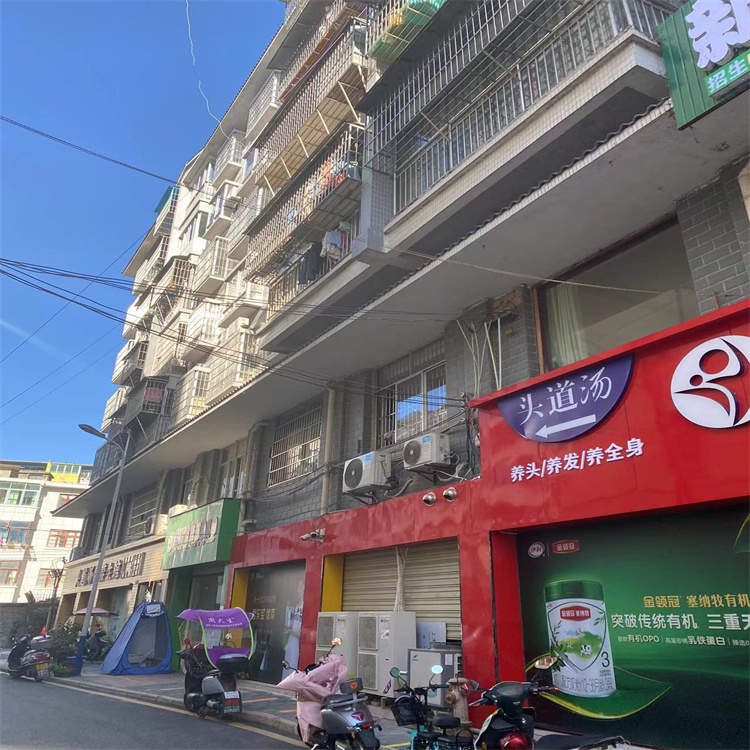
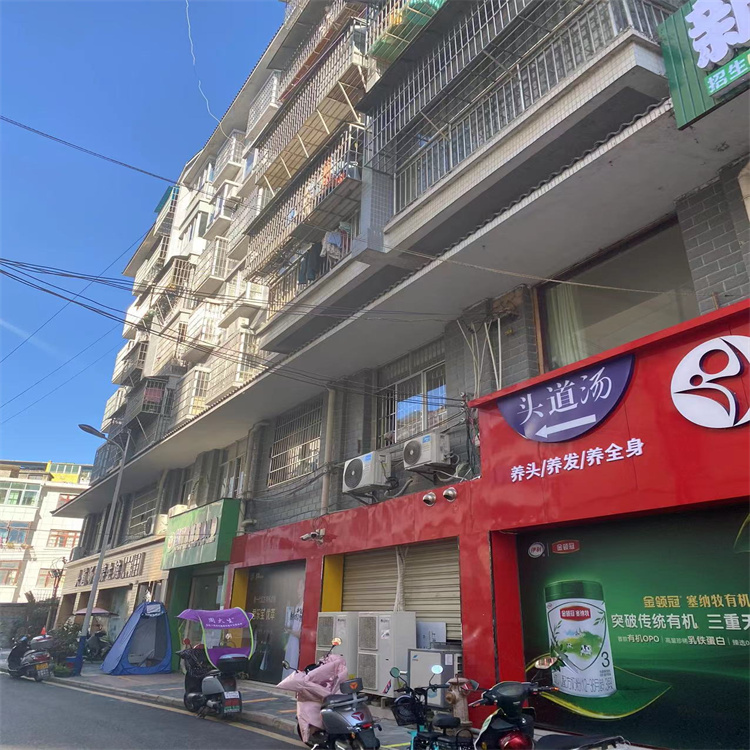
Using billboards for promoting products or businesses is a common practice now, offering abundant commercial information and promotional effects, while also adding color to the city and generating profits. However, when placing billboards, safety issues must be addressed. Only when the safety of billboards is given sufficient attention can the lives and property of the general public be guaranteed. Wall billboard inspections are urgently needed.
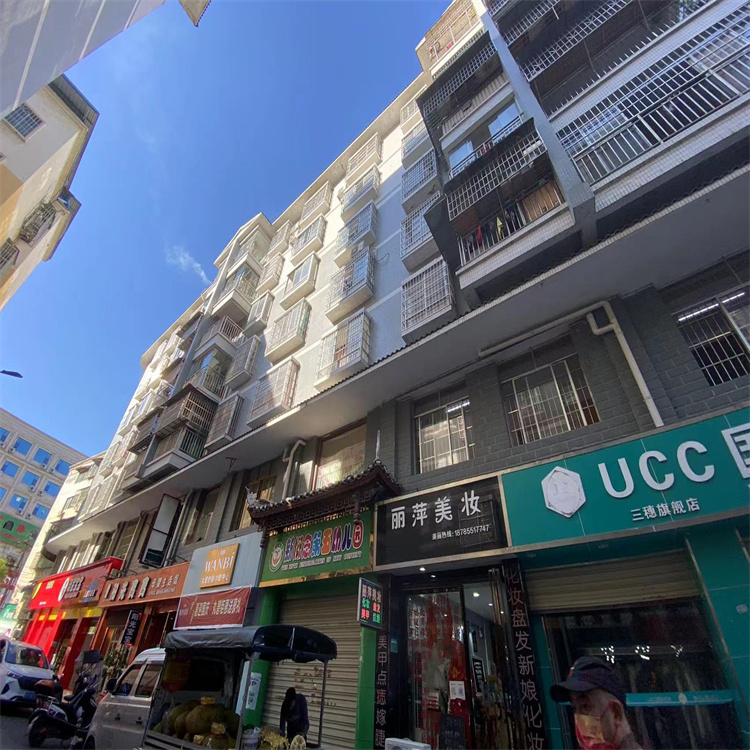
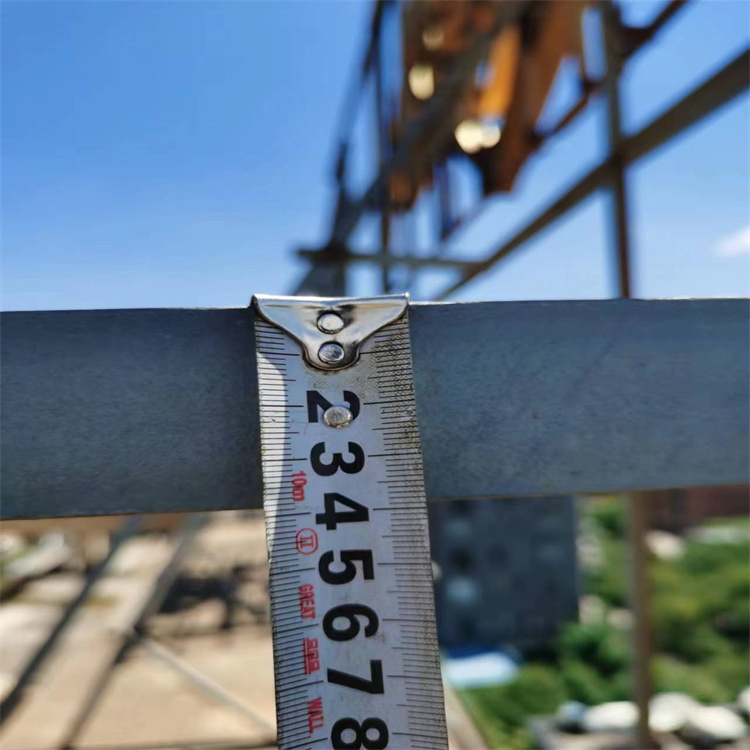
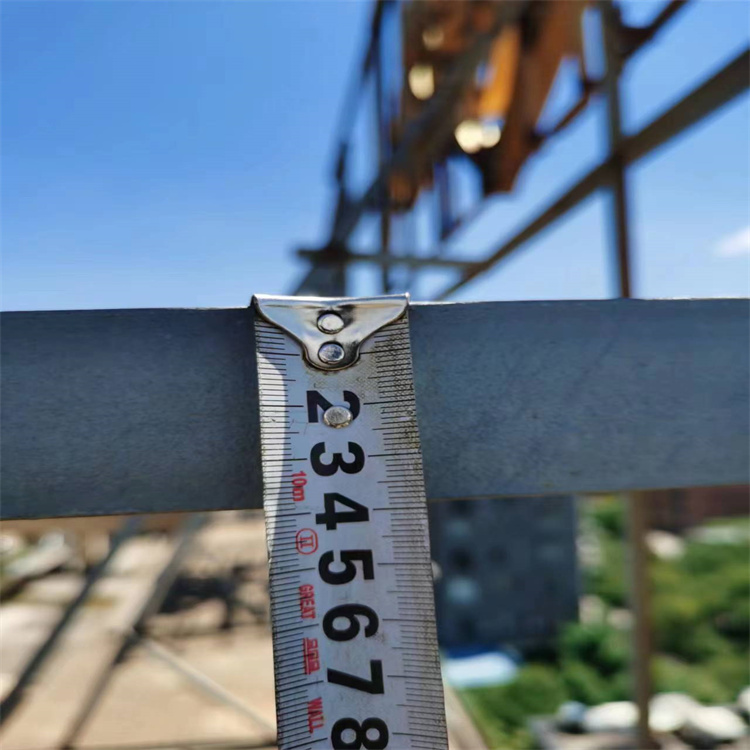
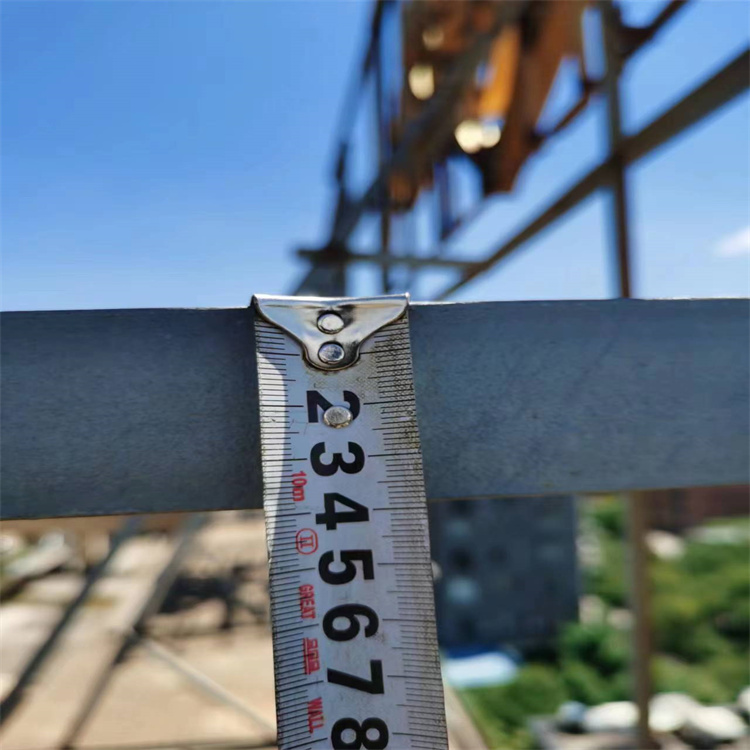
Through on-site inspection results and calculation analysis of the billboard, the following conclusions and recommendations are drawn regarding its current condition: (1) The geometric dimensions of the billboard's steel column wall thickness do not meet design requirements, but the calculated size is sufficient for use. (2) The paint on the billboard's components is peeling off, and there is significant rust. Rust removal measures should be taken, and anti-rust paint should be repainted. (3) For the missing nuts on the column foot anchor bolts and the loose connections, the missing nuts should be replaced and securely fastened to the anchor bolts. (4) The quality of the billboard's welds is poor, with under-welding, missing welds, and insufficient welds in many places. It is recommended to conduct a general inspection of the welds and take corresponding measures such as re-welding or filling. (5) The calculated strength and stress of some truss square tube members of the billboard do not meet the requirements for overall stability. It is recommended to take reinforcement measures, such as adding double angle steel or steel sleeve pipes. (6) Regular inspections and maintenance of the billboard are recommended.

Wall Billboard Safety Inspection and Certification Content:
1. Main steel frame section:
Connection status of the main steel frame of the section steel and the main structure of the house:
This section primarily inspects the connection joints and welds between the main steel frame of the section and the main structure of the building, checking for issues such as missing welds or slag. It also verifies if all components are free of rust.
⑵ Inspecting the welding seams between sections of steel and the rust and corrosion preventive paint. The inspection of this part is limited to the exterior only; the internal steel cannot be checked for rust. If inspection or testing is required, on-site sampling is necessary. On-site sampling is a destructive test that may cause localized damage to the main steel frame of the shaped steel. This can only be done if there is significant rust, thickness, or strength issues with the main steel frame of the shaped steel.