






Application Scope
1. Static-dissipative flooring for chemical, powder, server rooms, control centers, oil storage tanks, etc., as required.
2. Factory floors for computer, electronic, microelectronic, communication, printing, precision instrument manufacturing, instrument manufacturing, and precision machinery manufacturing companies.
Performance Features
High compressive and impact resistance, high strength, and good toughness.
2. Resistance value 105-109Ω, with durable anti-static performance.
3. The lacquer film is smooth and has a quality texture.
4. Easy to clean and resistant to stains.
Construction Techniques
1. Surface Treatment: Perform sanding, repairs, and dust removal based on the condition of the surface.
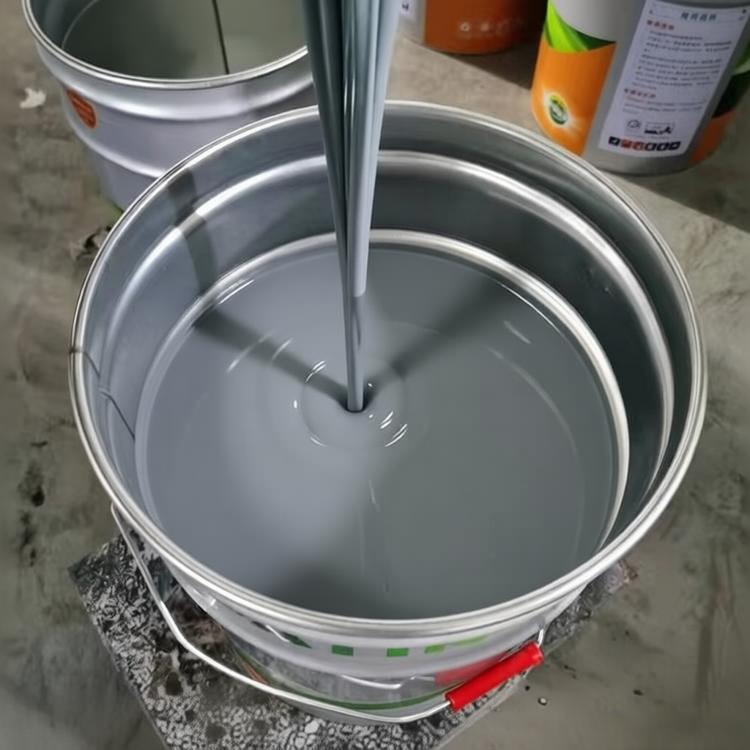
2. Anti-static Undercoat: Coated with a highly penetrative and adhesive anti-static epoxy undercoat for enhanced surface adhesion.
3. Anti-static Intermediate Coating: Mix the epoxy resin with an appropriate amount of quartz sand, and apply it evenly with a trowel in one to two coats.
4. Copper Foil Laying: Conductive copper foil is laid in a well pattern to effectively dissipate static electricity buildup and is grounded.
5. Static-Dissipative Mortar: Apply in the number of layers as required, ensuring a smooth surface without holes, and free of trowel marks and sanding marks.
6. Static Dissipative Topcoat: Self-leveling static dissipative topcoat (single coat) or rolled-on topcoat (double coat), with an average volume surface resistivity of 1X10^6 to 1X10^9 Ω. The finished floor is bright, clean, and uniformly colored, without hollow spots.
7. Completion of Construction: 24 hours before occupancy, 72 hours before re-loading.
Process Diagram