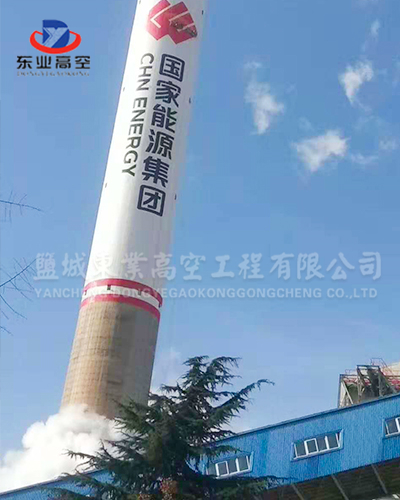
Chimneys are structures designed to provide ventilation for hot smoke or fumes from boilers, stoves, or fireplaces. Chimneys are typically vertical, or as close to vertical as possible, to ensure smooth gas flow and the intake of air for what is known as chimney combustion or the chimney effect. The space inside the chimney is called the flue. Chimneys can be found in buildings, steam locomotives, and ships.
The height of the chimney affects its ability to transport flue gases to the external environment due to the chimney effect. Additionally, in high-altitude areas, the dispersion of pollutants from the chimney can reduce their impact on the surrounding environment. Spreading pollutants over a larger area can lower their concentration and promote compliance with legal limits.
The primary function of the chimney is to exhaust smoke and gases, improving combustion conditions. High-rise buildings typically feature varying numbers of vertical shafts, including stairwells, ventilation ducts, air supply ducts, exhaust ducts, elevator shafts, and pipeline shafts. When indoor temperatures exceed outdoor temperatures, the less dense warm air rises naturally through these vertical passages. It escapes through gaps in doors and windows and various openings from the upper parts of the building. Cold outdoor air, being denser, enters from the lower levels to compensate. This creates the chimney effect. The chimney effect is a result of the combined action of thermal pressure due to the indoor-outdoor temperature difference and wind pressure from outside, with the former usually predominant. The thermal pressure is directly proportional to the air density difference caused by the indoor-outdoor temperature difference and the height difference between the intake and exhaust openings. This indicates that the greater the indoor temperature above the outdoor temperature and the taller the building, the more pronounced the chimney effect. It also suggests that the chimney effect in residential buildings typically occurs only during winter. Theoretically, the midpoint height of a building is considered the neutral zone, with rooms below the neutral zone drawing in air from outside and rooms above the neutral zone expelling air to the outside.