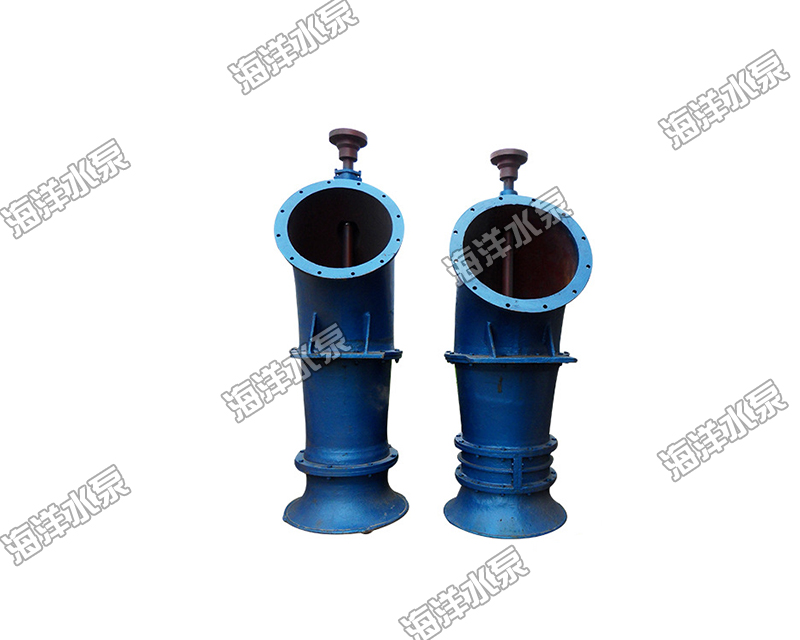









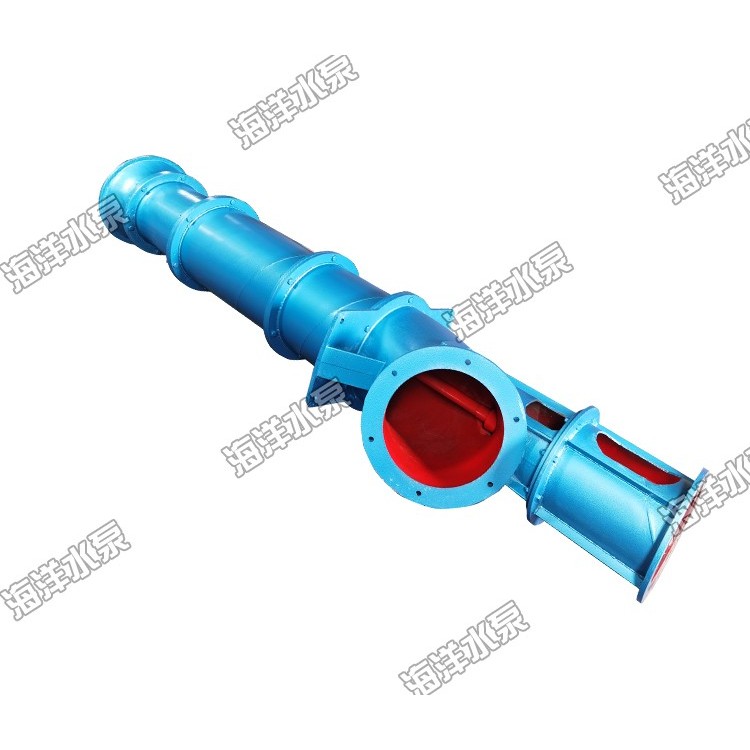


Vertical axial flow pumps are primarily used in the chemical industry, such as electroplating, electroplating equipment, exhaust towers, spray systems, coating, pickling, painting, photovoltaic, and PCB manufacturing and processing industries.
Features
Vertical axial flow pumps are made from various plastic steel materials such as PP+GF, CPVC, and PVDF, which are injection-molded to withstand most chemical substances, acids, and alkalis. Suitable for use in various acid and alkali liquid circulation, cooling, spray washing equipment, waste gas towers, etching machines, and wastewater treatment systems. They can operate without load, without being damaged by rotation. They feature a dry shaft seal design to protect the motor and prevent acidic gases from entering and damaging the bearing. Ideal for circulating and transporting non-electrolytic nickel and various special electroplating solutions. Explosion-proof motors can be used according to environmental requirements.
Pump installation
Inspect the pump shaft and drive shaft for any bending during transportation; if found, straighten them.
2. The installation elevation of the pump must comply with the specifications in the installation drawing to meet the requirements for cavitation margin and start-up.
3. A silt screen should be installed before the water enters the pool to prevent debris from entering the pump. The flow rate of water through the silt screen should not exceed 0.3 meters per second.
4. Before installing the pump, check the blade installation angle to ensure it meets requirements and there is no looseness.
5. After installation, check that all coupling nuts and base bolt nuts are tightened. When tightening the transmission and pump shaft nuts, pay attention to the threading direction.
6. The drive shaft and water pump shaft must be aligned on the same vertical line, with an allowable deviation less than 0.03 millimeters per meter.
7. It is not advisable to install a gate valve on the pump outlet pipeline. If one is present, it must be fully opened before starting up.
9. When using a check valve, install a balancing hammer to counterbalance the weight of the door cover, reduce the resistance to water flow, and make the pump operate more economically.
10. Lubricate the bearings of the transmission mechanism with grease. During maintenance, clean and remove the oil cavity, then refill it with grease, aiming for 1/2 to 2/3 of the cavity to prevent excessive bearing temperature rise during operation. Special attention must be given to ensure that rubber bearings are not exposed to any oils.