







Fermentation of grains to produce alcoholic beverages with a certain alcohol content is the process of winemaking. The raw materials and fermentation vessels are the two prerequisites for grain-based winemaking. Archaeological findings of winemaking utensils dating back over 5,000 years indicate that winemaking was a profession during the Yellow Emperor's era and the Xia Yu period, and its origins can be traced even further back. In ancient times, people may have first encountered certain naturally fermented wines and then imitated their production. Chinese scholars generally believe that winemaking was a well-developed industry during the Longshan Culture period. Different raw materials for winemaking require different microorganisms and fermentation processes. The essence of Chinese winemaking lies in the use of yeast. The method of making yeast recorded in "The Art of Agrarian Management" has been in use to this day, with some minor improvements made by later generations.
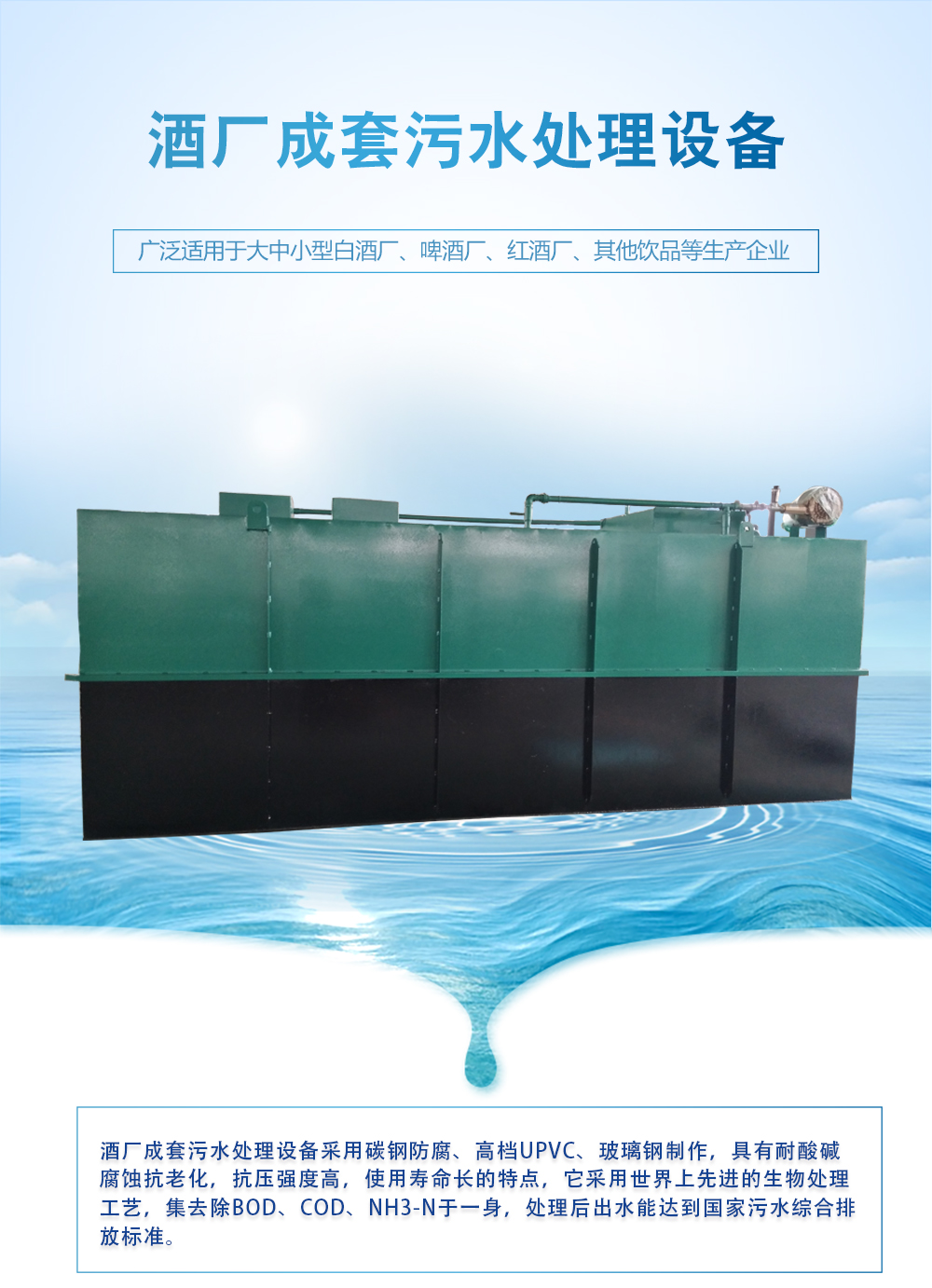
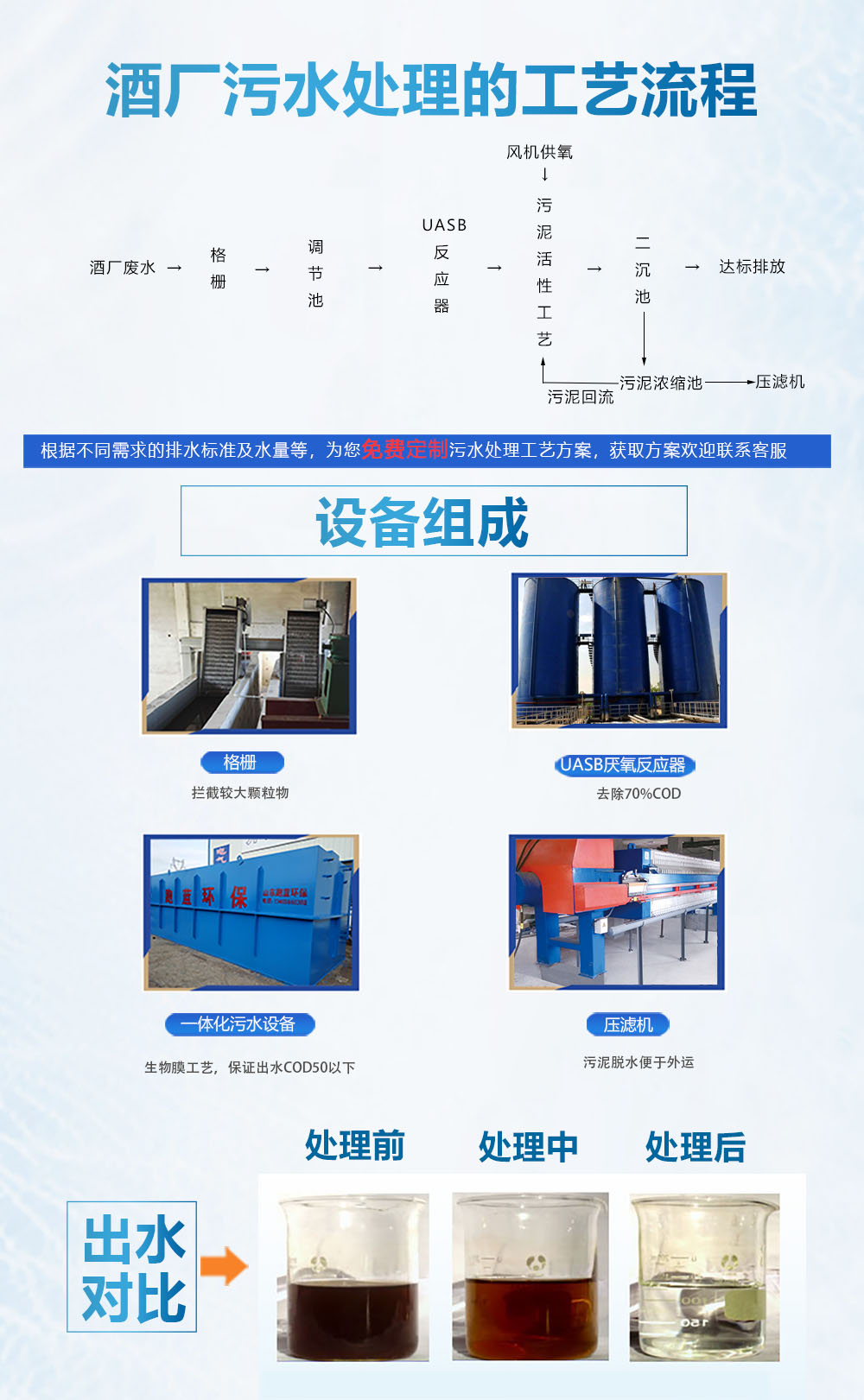
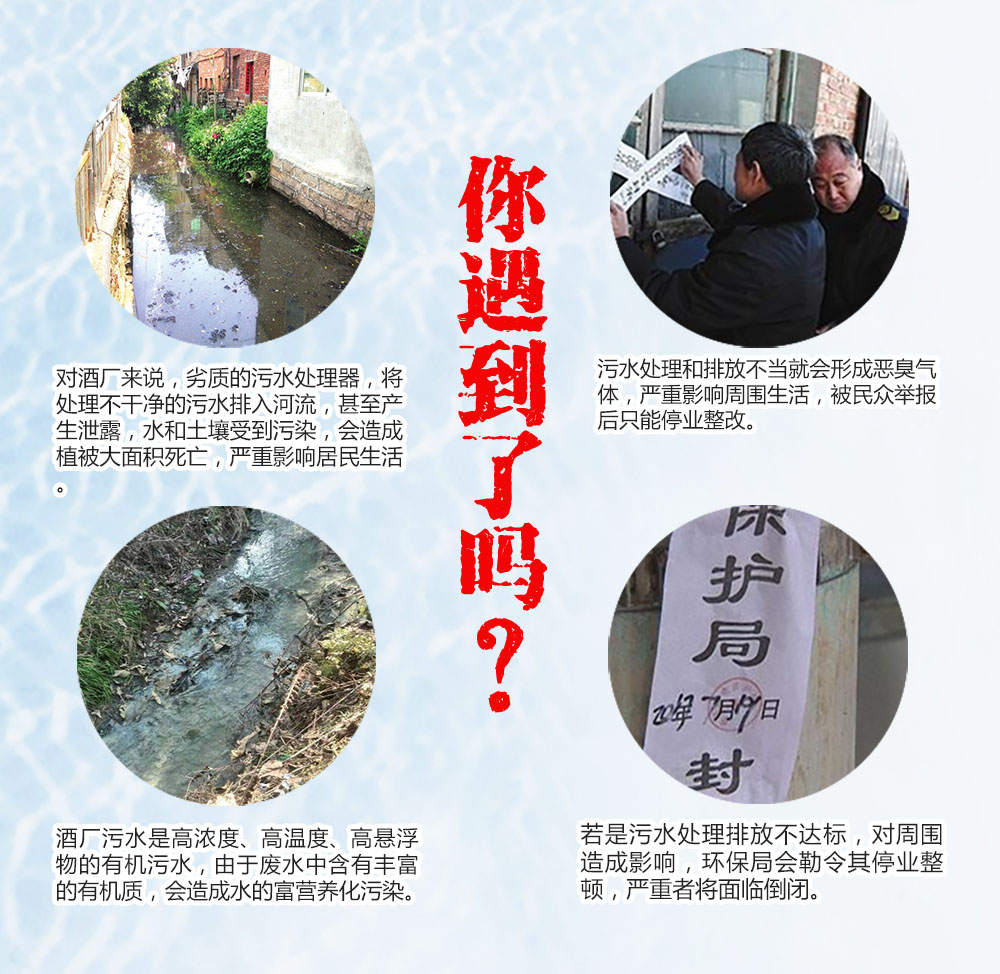
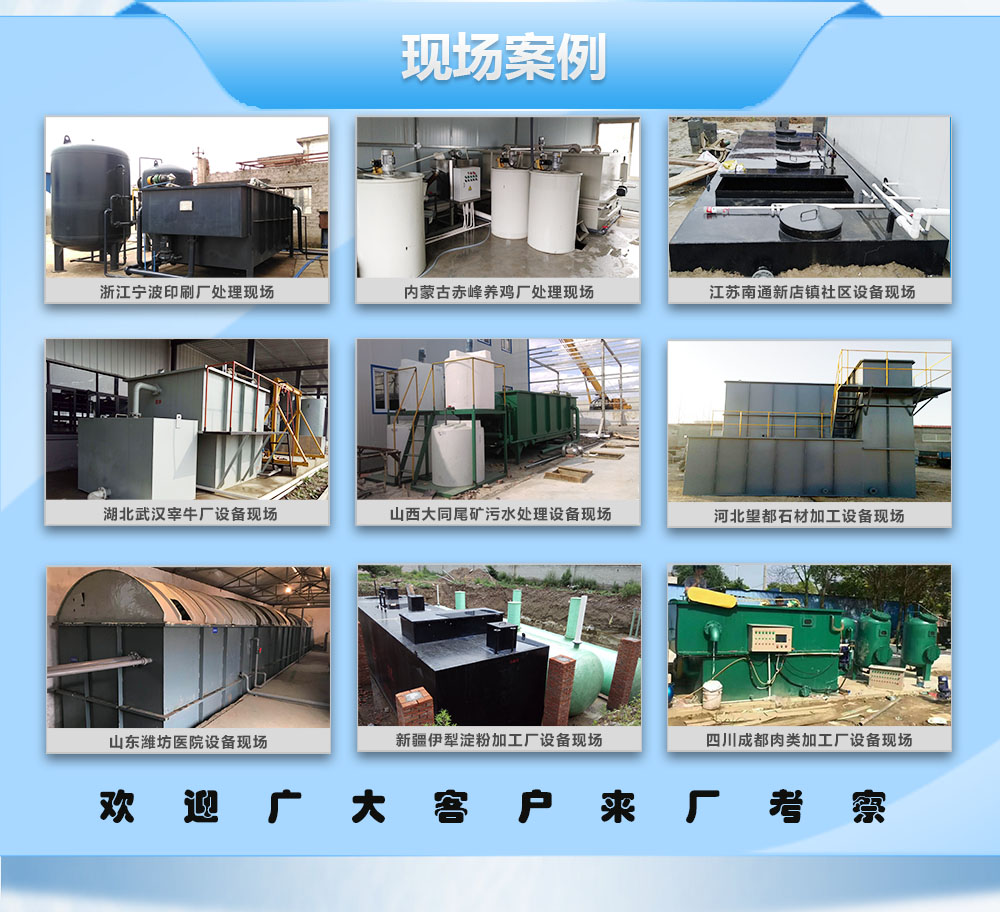
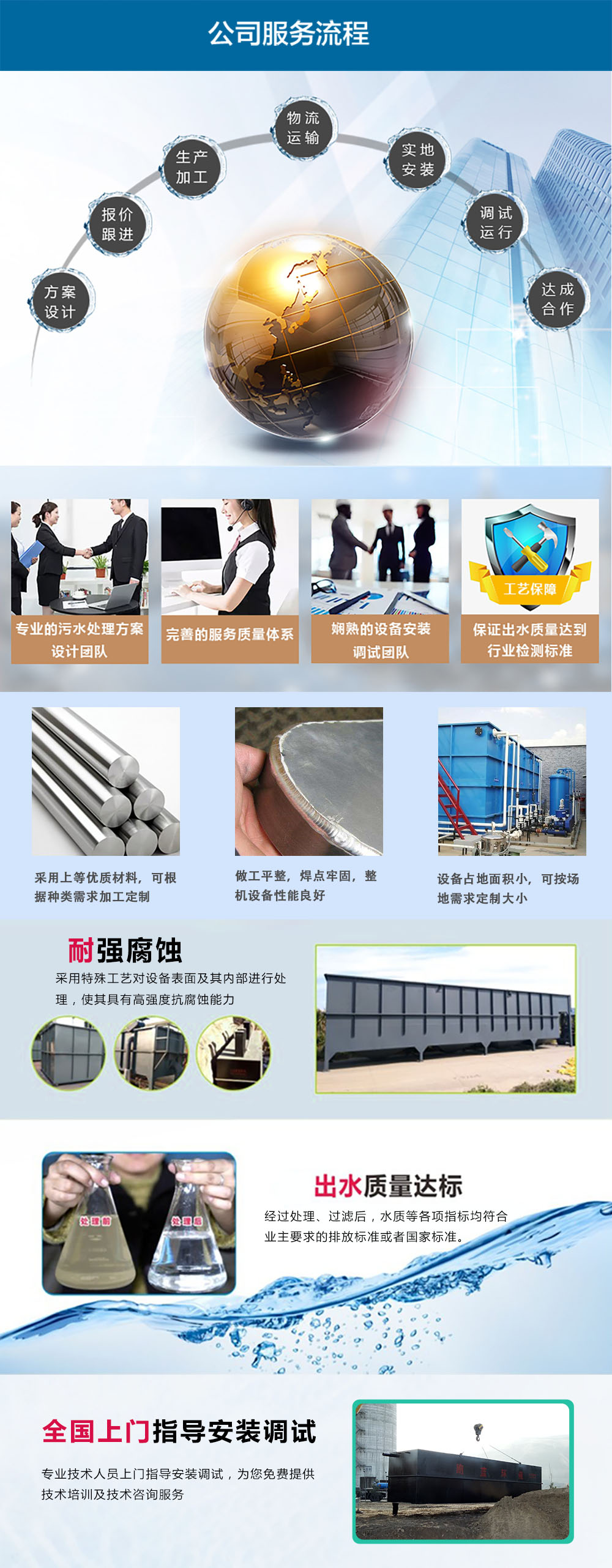
As breweries open one after another, the demand for winery wastewater treatment equipment has gradually surged with the market's development. The production of white liquor uses water as the medium, and the resulting wastewater can be divided into two parts. One part is high-concentration organic wastewater, including condenser bottom water, fermentation blind trench water, ground flushing water from the distillation section, seepage from underground wine cellars, sorghum flushing and soaking water during the "sorghum" and "coarse sand" processes. It is a colloidal solution with high organic matter and suspended solids, but this part of wastewater accounts for only 5% of the total wastewater discharge volume. The other part is low-concentration organic wastewater, including cooling water and cleaning water, which constitutes the main body of the wastewater.
Distillery wastewater characteristics:
Wine production generates wastewater of varying concentrations during the solid-state fermentation and distillation processes. The wastewater from wine production has high water quality concentrations and color intensity. The wastewater is highly biodegradable. Compared to large and medium-sized breweries, small breweries have characteristics such as low investment, small scale, low clean production levels, mixed wastewater discharge, high pollution generation per ton of wine, and severe pollution. The wastewater from small-scale wineries is complex in composition, primarily containing ethanol, pentanol, propanol, butanol, fatty acids, amino acids, esters, and aldehydes.