








Many buildings face environmental challenges today. With the continuous change in environments, many architects would consider steel structure buildings as the ones with better seismic performance.
The rural residential buildings with civil structures have poor seismic resistance, with 90% collapsing during the Wenchuan earthquake. Secondly, multi-story brick-concrete structures, mainly 6-10 stories, are common due to their large brick usage and high brittleness. Thirdly, there's the frame structure at the bottom, where the ground floor is framed. As street-side commercial outlets, they have spacious ground floors, with the upper two floors being brick-concrete structures. Due to the differing stiffness of the two materials, the bottom part, which is heavy on top and light on the bottom after an earthquake, is prone to collapse.
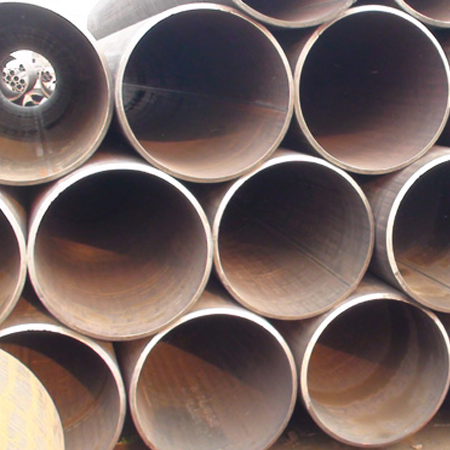
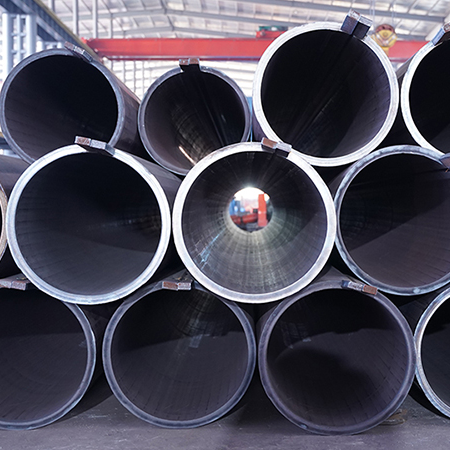
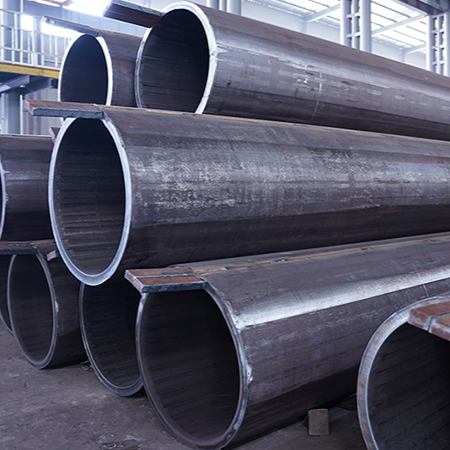
The frame structure is designed for seismic resistance and is commonly seen in buildings over 10 stories. Frame shear wall structures are better, and pure shear wall structures are even better. Another robust option is the steel structure.
It is widely known that steel structures offer numerous advantages, including high seismic performance, high degree of industrial production, short construction period, energy conservation and environmental protection, convenient transportation, rapid construction speed, and excellent ductility. Particularly, the ductility of steel structures can attenuate seismic waves, reducing the damage to buildings caused by earthquakes. Due to the outstanding advantages of steel structures, they account for approximately 50% of the total in countries like the United States, South Korea, and Japan. They are commonly used in buildings such as shopping malls and passenger stations, and are also widely employed in countries like Japan.