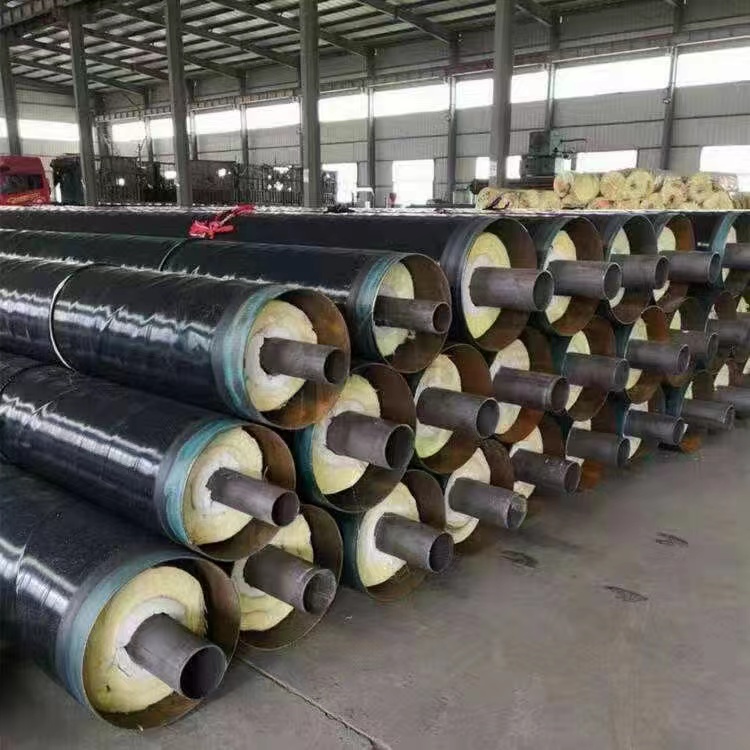

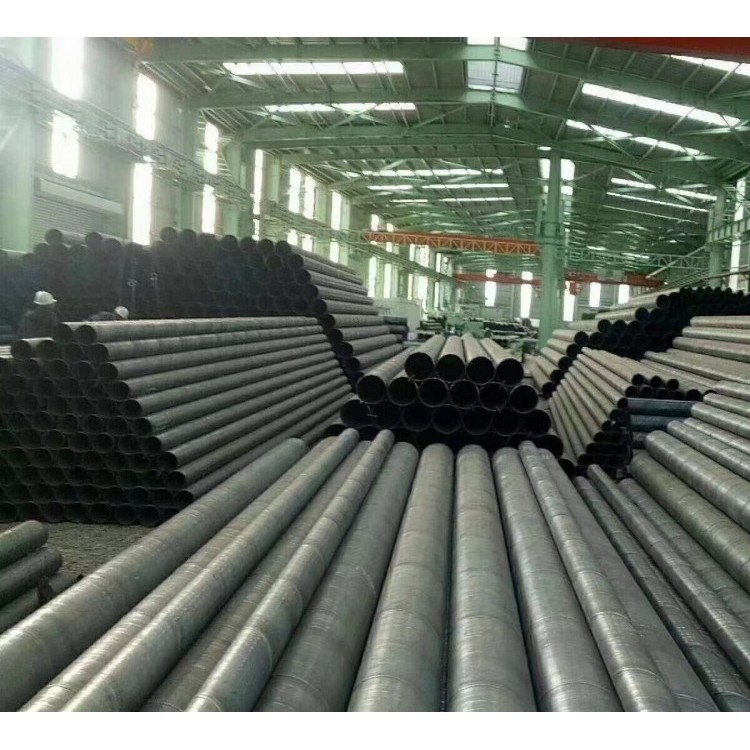


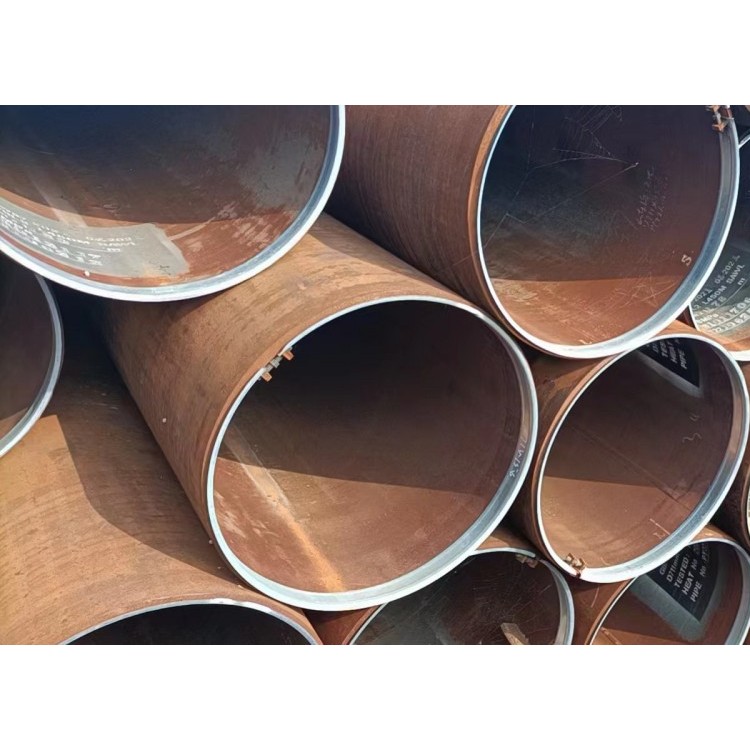













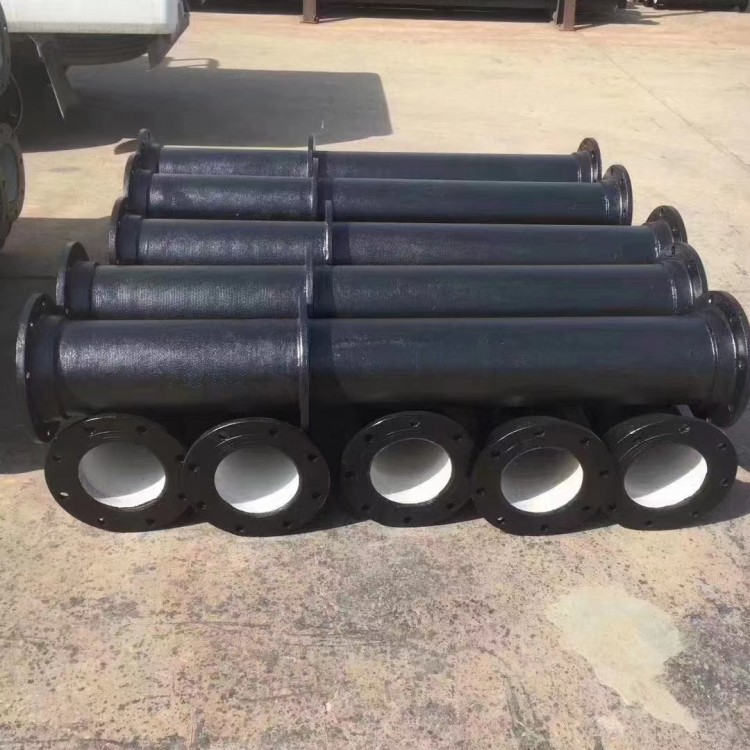
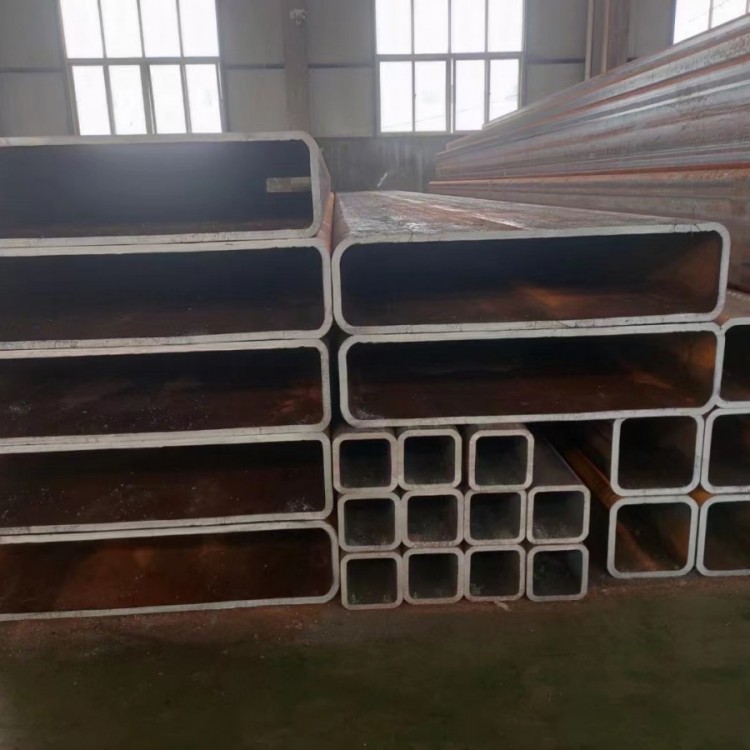
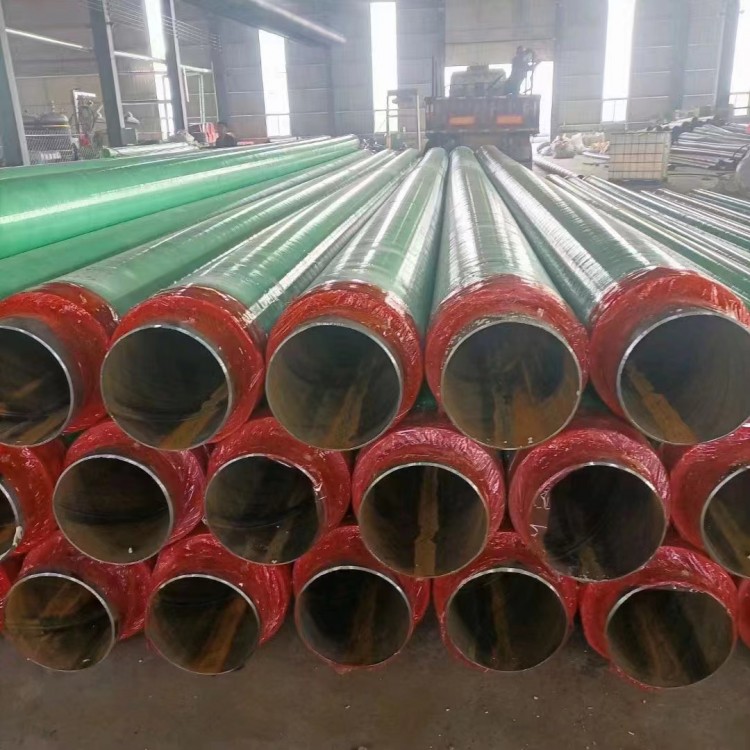
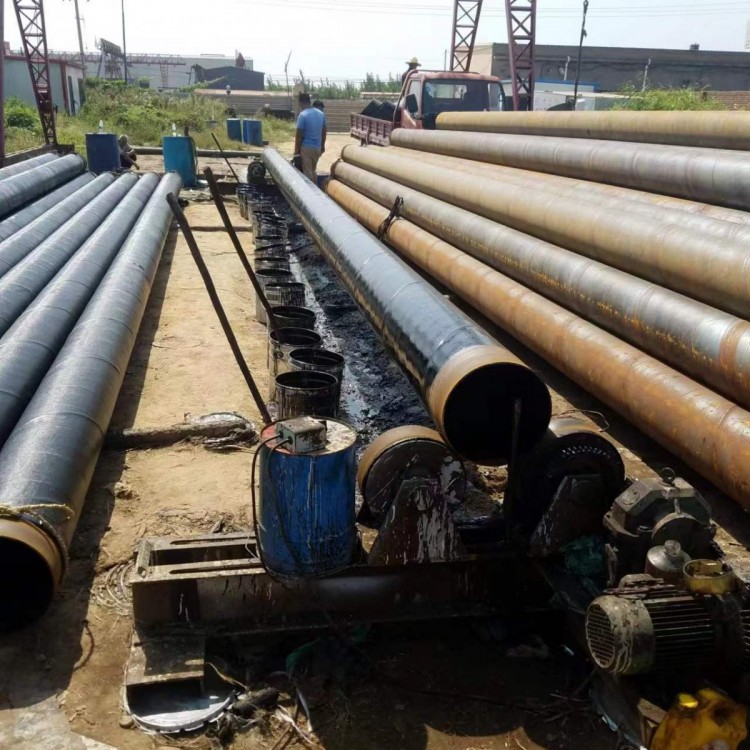
Spiral steel pipe scrap is divided into two types: internal and external. Internal scrap refers to the defective spiral steel pipes found within the foundry or foundry workshop; external scrap refers to defective spiral steel pipes discovered after delivery, typically only revealed during machining, heat treatment, or use, and causes much greater economic loss than internal scrap. To reduce external scrap, it is advisable for spiral steel pipes produced in batches to undergo trial heat treatment and rough processing before shipment, to identify potential defects in the spiral steel pipe factory as early as possible, so necessary corrective measures can be taken promptly.

Steel pipes are not only used for conveying fluids and powdered solids, exchanging thermal energy, manufacturing mechanical parts and containers, but they are also an economical type of steel. Using steel pipes to manufacture structural frameworks, columns, and mechanical supports can reduce weight, save 20-40% of metal, and enable factory-style mechanized construction. Manufacturing highway bridges with steel pipes not only saves steel and simplifies construction but also significantly reduces the area requiring protective coatings, saving on investment and maintenance costs.