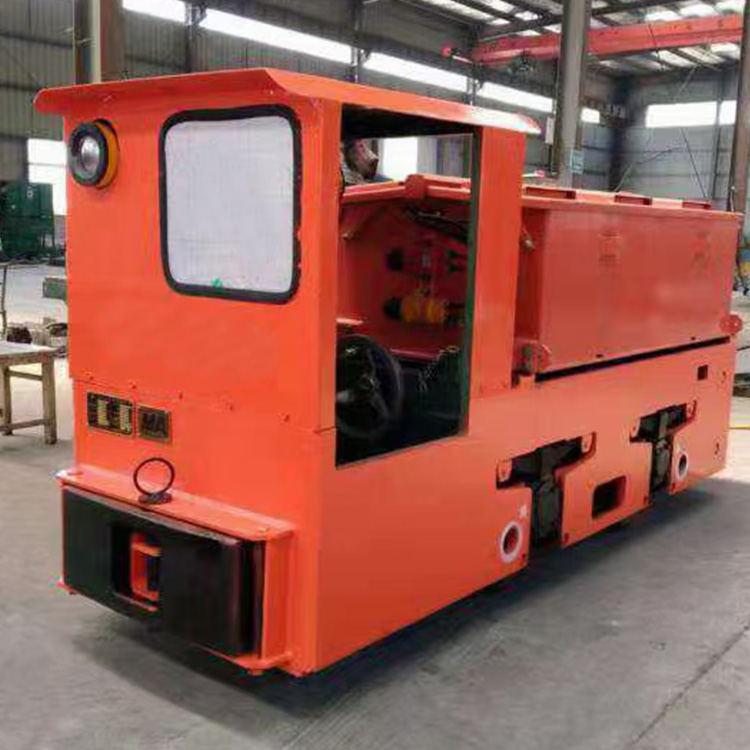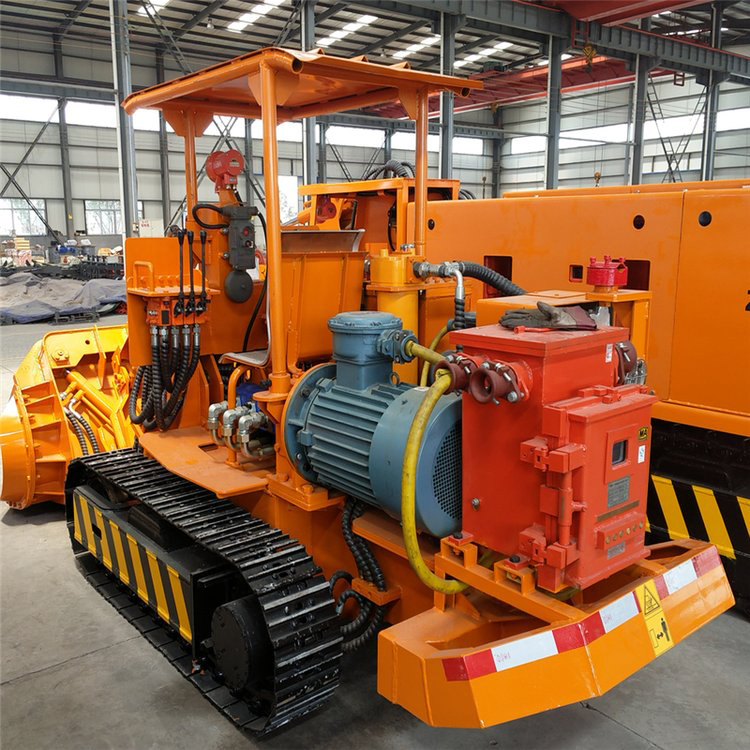


During engine start-up of the mining diesel locomotive, place the gear shift lever in neutral, pull the brake lever, and press the throttle pedal. For the first start-up of the mining diesel locomotive on duty, open the front hood, operate the hand oil pump until a normal fuel injection sound is heard. Turn on the main power switch, set the electrical switch lock to the start position, and do not exceed 10 seconds each time for starting. If it doesn't start on the first attempt, wait for a moment before trying again. After starting, rotate the switch lock to connect the ammeter. Observe the ammeter to ensure normal charging, check that the oil pressure of the locomotive is normal, and let the locomotive run at low speed for two to three minutes after starting to allow the temperature to rise and ensure all parts are properly lubricated (oil pressure not below 0.1MPa) before beginning to move. Press the clutch pedal, shift the gear shift lever into the required gear, and then pull the handle of the steering lever (push out for forward, pull in for reverse). If it's not engaged, release and then re-press the clutch pedal to re-engage. Generally, use 2nd gear for uphill or heavy loads, 3rd gear for medium-light loads or downhill, and 1st gear for full load or special conditions. Adjust the throttle, release the brake lever, and slowly release the clutch pedal to start the vehicle smoothly.
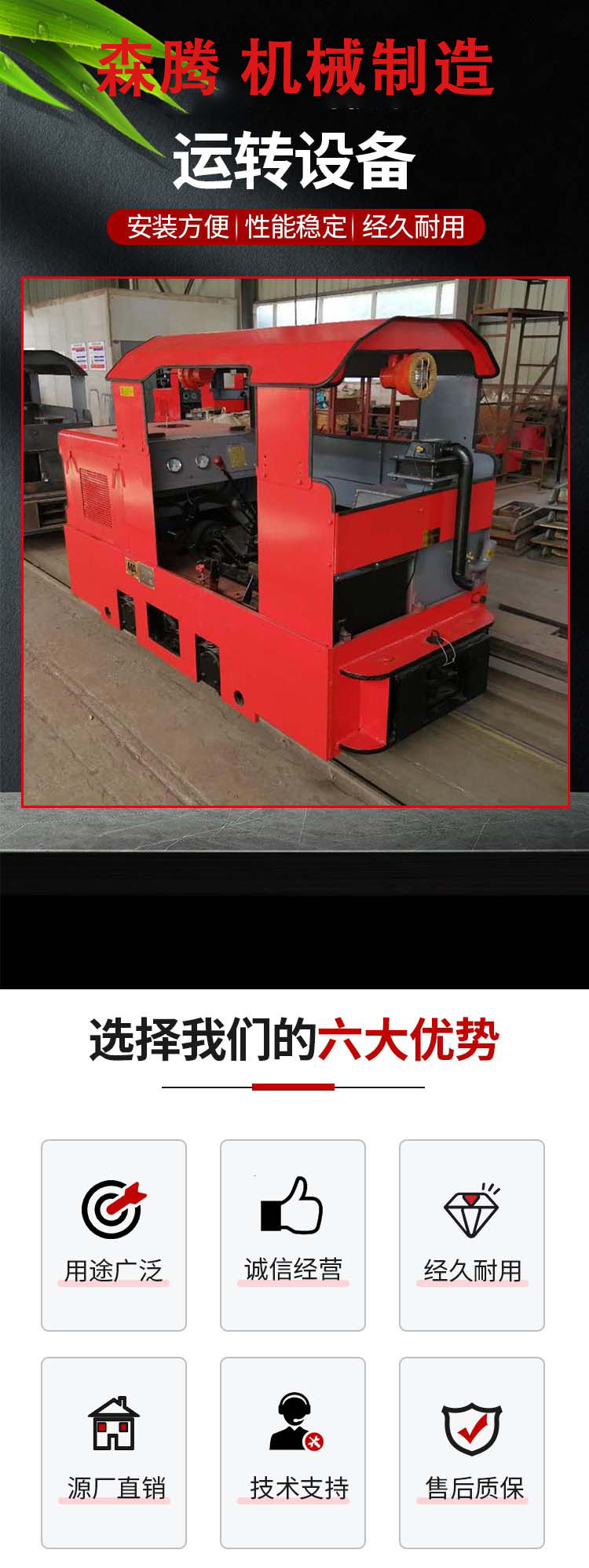
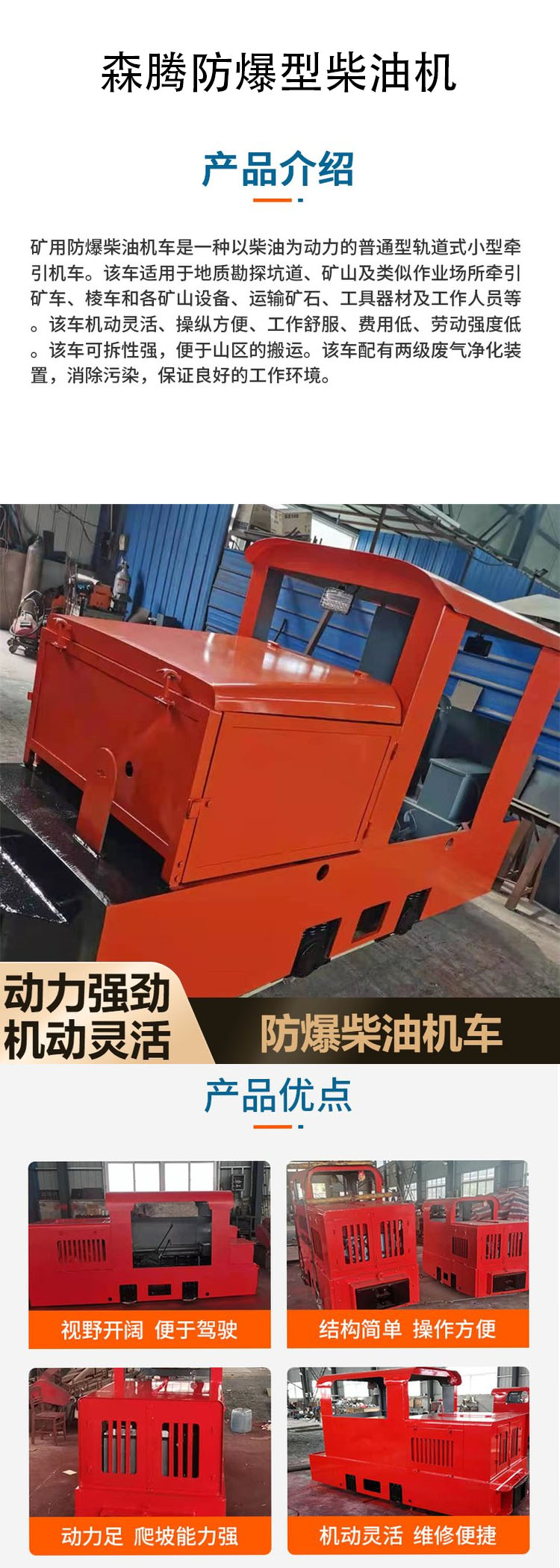
Features of Mining Diesel Locomotives
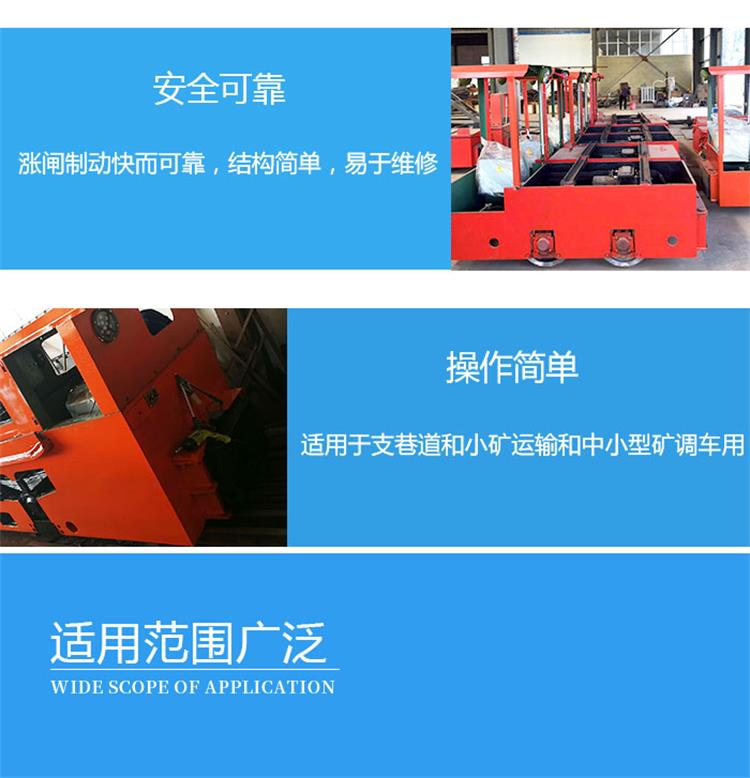
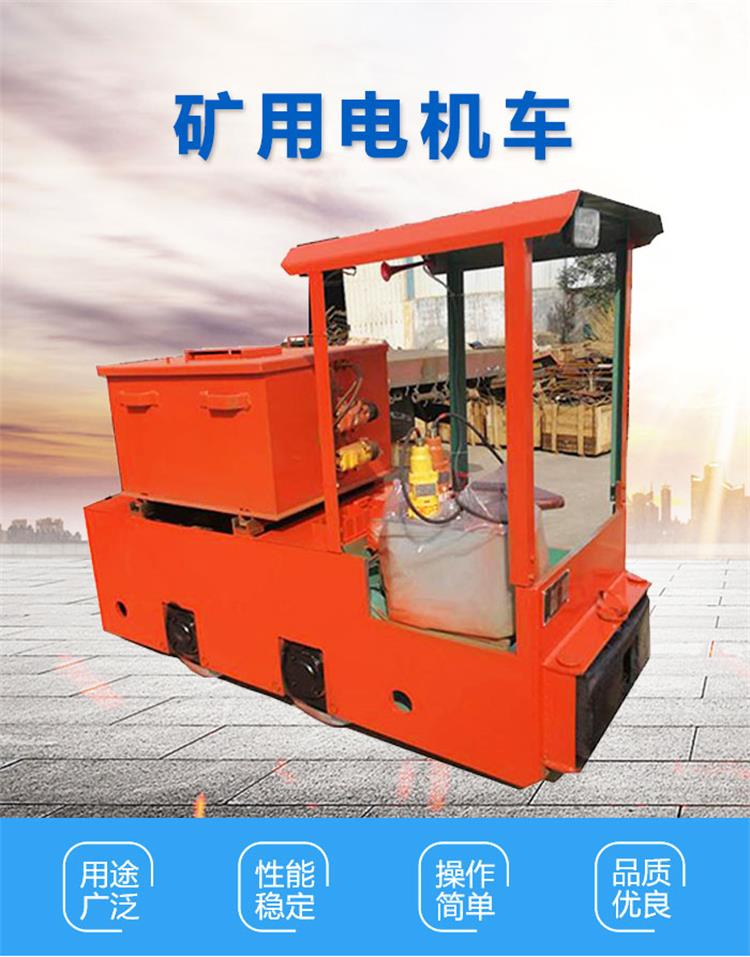
Diesel locomotives for mining are transport vehicles powered by diesel engines, offering greater flexibility and maneuverability compared to battery-powered locomotives. They do not require a traction grid, AC power, or charging equipment, making them cost-effective and easy to maintain.