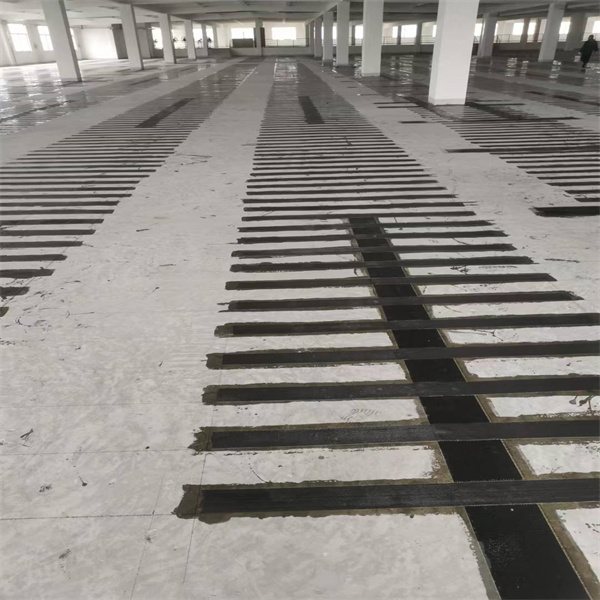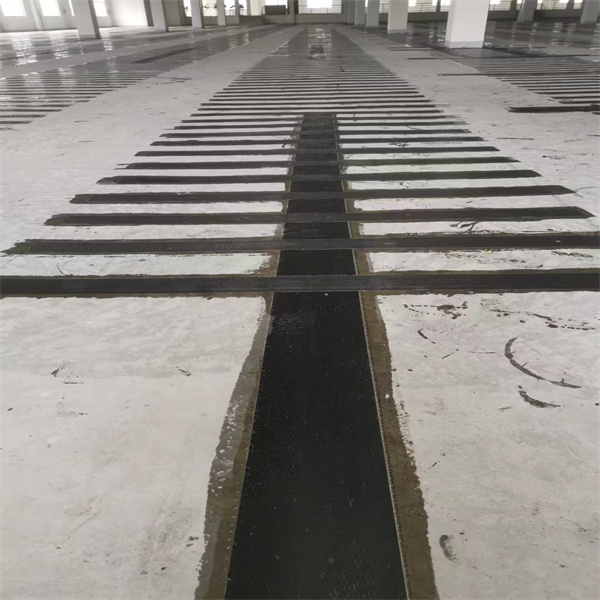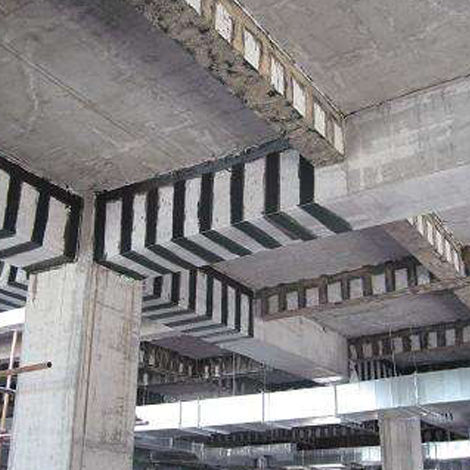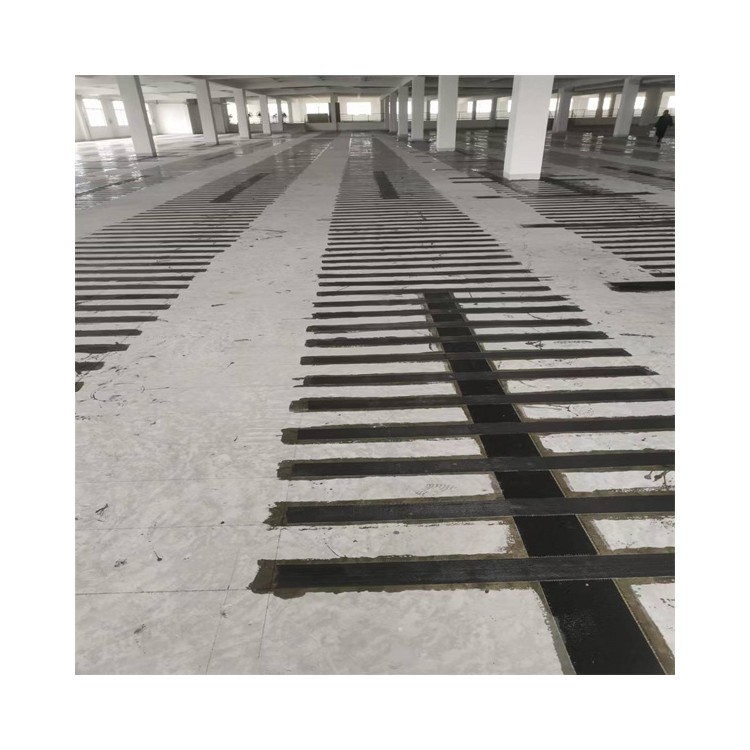


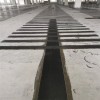
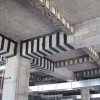













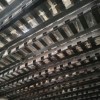
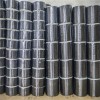
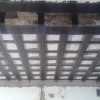
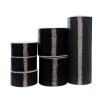
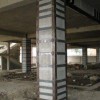
Carbon fiber reinforced repair technology is a new type of reinforcement method, primarily used for the reinforcement and repair of concrete structures. Compared to traditional methods of increasing the concrete cross-section or using steel-reinforced concrete, carbon fiber offers space-saving, easy construction, no need for on-site fixation facilities, easy quality control, and minimal increase in structural size and weight, as well as excellent corrosion and durability properties. Moreover, using this method can significantly extend the service life of buildings and reduce reinforcement costs. Therefore, carbon fiber, as a groundbreaking reinforcing material, has gained widespread popularity and attention.
Carbon Fiber Fabric Application Range:
Carbon fiber fabric, when used in conjunction with carbon fiber impregnated resin, forms carbon fiber composite materials. These are suitable for reinforcing concrete structures under bending, axial compression, large eccentric compression, and tensile conditions, as well as for reinforcing wooden structures. They effectively enhance the load-bearing capacity, seismic performance, and durability of the components. They serve as a good alternative solution for addressing the following engineering issues:
1. Increased load on the building structure
2. Change in engineering usage function
3. Material aging
4. Design value of concrete strength grade
5. Structural crack treatment
6. Repair and protection of components for operation in harsh environments.
7. Other Applications: A wide range of fields including sports equipment, industrial products, etc.
Guiyang 200g Carbon Fiber Fabric - Carbon Fiber Reinforcement Price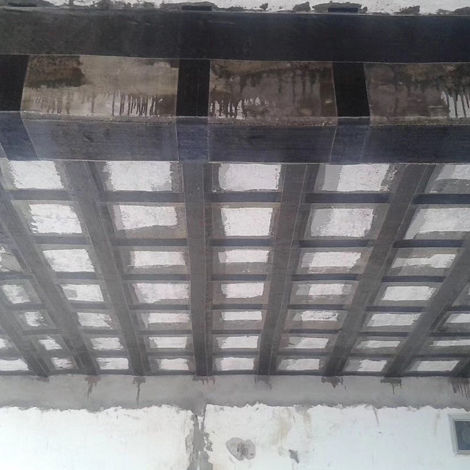
When it comes to reinforcement methods, the first that come to mind are steel bonding and carbon fiber reinforcement. Since the calculation principles, formulas, and limitations for both steel bonding and carbon fiber reinforcement are the same, once it's confirmed that a component can be reinforced with either, how can one quickly determine whether to use steel bonding or carbon fiber fabric reinforcement?
Considering the selection of solutions from aspects such as fundamental principles and material characteristics: (1) The elastic modulus of structural deformation carbon fiber fabric and steel plates is basically the same, but the tensile strength of carbon fiber fabric is 8 times that of steel plates. Therefore, when the building structure undergoes significant deformation, it is recommended to use the method of reinforcing with粘贴 carbon fiber fabric. If the deformation capacity is smaller and the bearing capacity of building components differs significantly, it is advisable to use steel plate reinforcement to reduce stress lag and ensure the full performance of the material.
(2) Reinforcement steel requires a larger cross-section for steel bonding reinforcement under the same reinforcement requirements, which can significantly enhance the structural stiffness. If both have the same bending strength, the deflection and crack width of the bonded steel reinforcement are smaller than those of the bonded carbon fiber reinforcement.
(3) If the structure is in a corrosion reinforcement environment, it is recommended to use carbon fiber fabric, as it has much better corrosion resistance than steel.
Foundation soil frost heave leads to widespread wall cracks. Generally, the higher the groundwater level and the lower the temperature, the greater the soil heave, and a certain part of the structure will be uplifted. Additionally, there are cracks caused by house construction, and cracks due to substandard construction quality, etc.
Which cracks affect the livability? How large does a crack need to be to affect the livability of a house?
"Cracks are not to be feared." Explained an inspector from the Construction Quality Supervision Station, according to regional regulations and under the construction techniques of that time, a certain degree of cracking is inevitable. Generally speaking, cracks do not affect the structure, but the shape, quantity, and width of the cracks should be controlled within a certain range to avoid affecting aesthetics and functionality. Since cracks can impact waterproofing effectiveness, and pursuing cracks beyond a certain width can affect the load-bearing capacity of the house, these factors all influence the durability of the building.
Imported Toray UT70-30, Asahi Carbon Fiber Fabric, Hiwin Carbon Fiber Reinforcement Adhesive, and Hilti Reinforcement Adhesive from Germany. Wholesale agents, COD (Cash on Delivery), please call for consultation and negotiation! Purchasing our materials includes technical guidance, construction plans, and qualifications. This information is valid for a long period. Supply nationwide with COD. Quality guaranteed, COD! Carbon fiber fabric supplied across all provinces, cities, and counties in China. Shipping fees are covered by our factory.
WeChat Official Account

Scan to follow Official Account