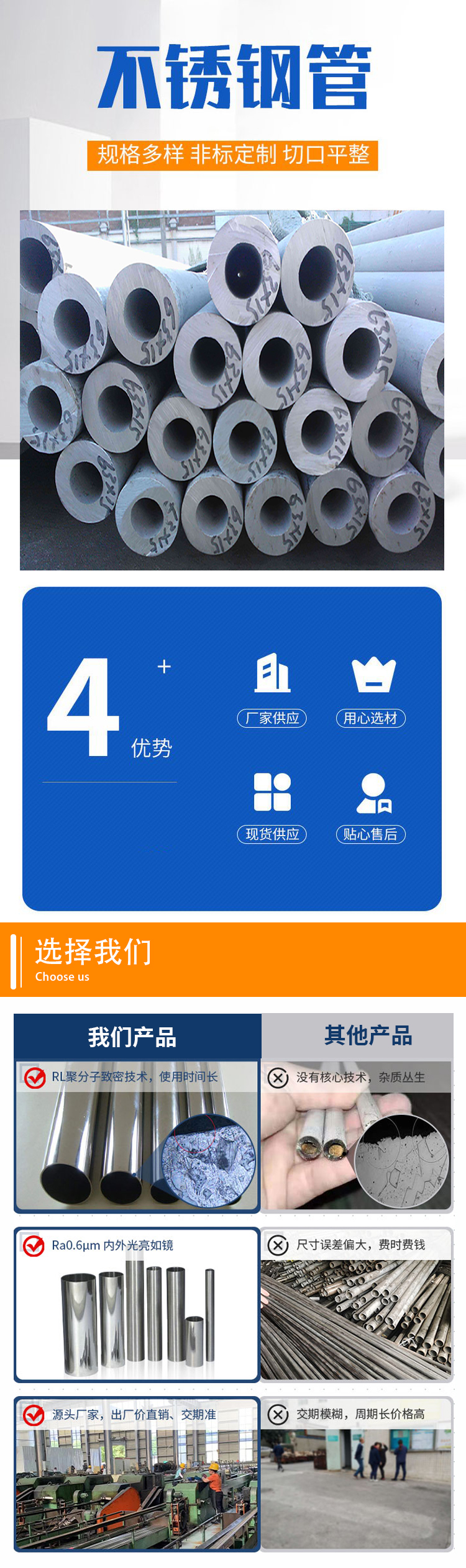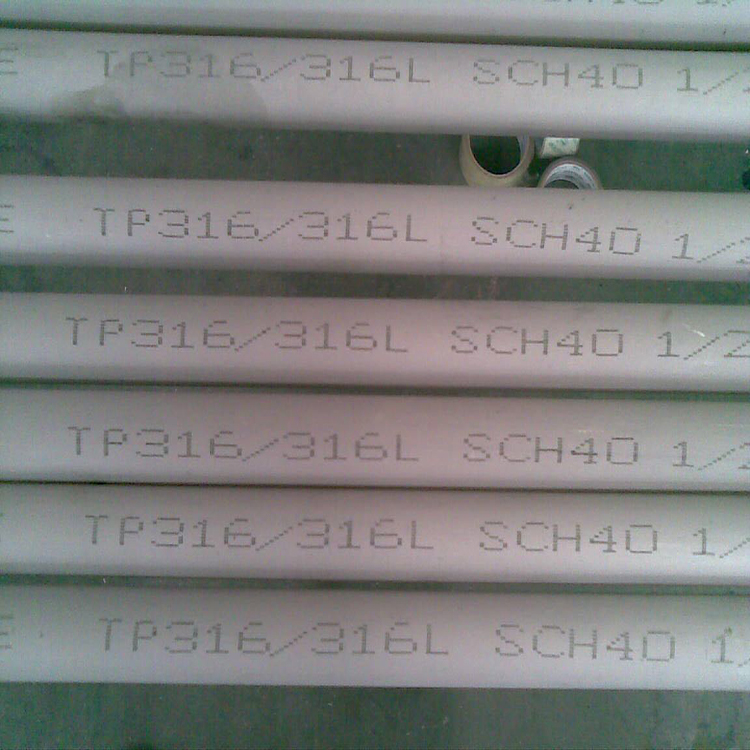
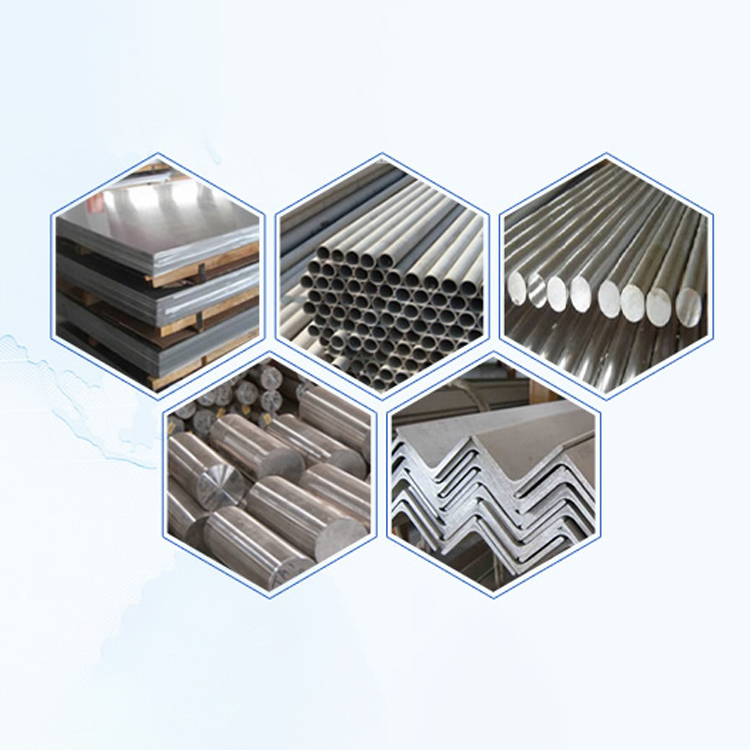


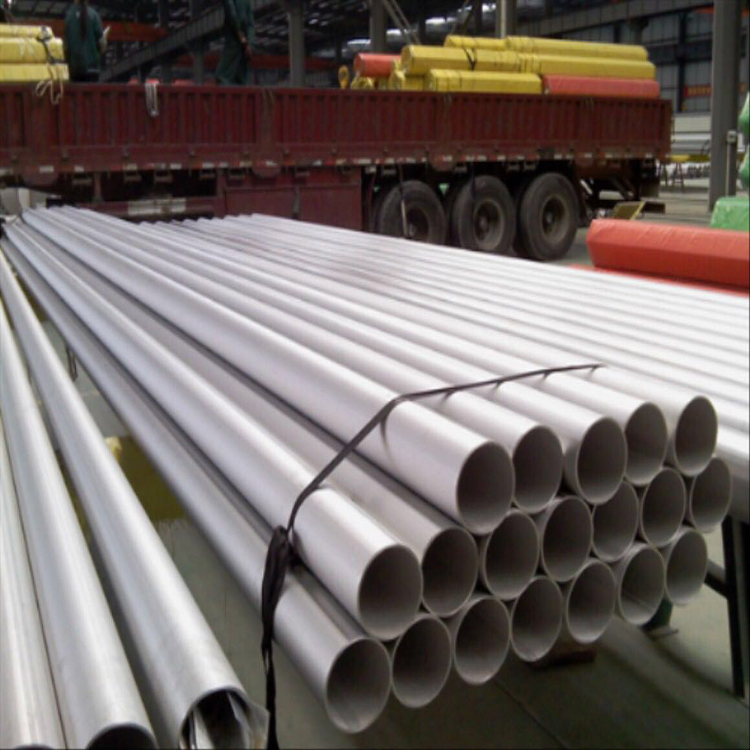
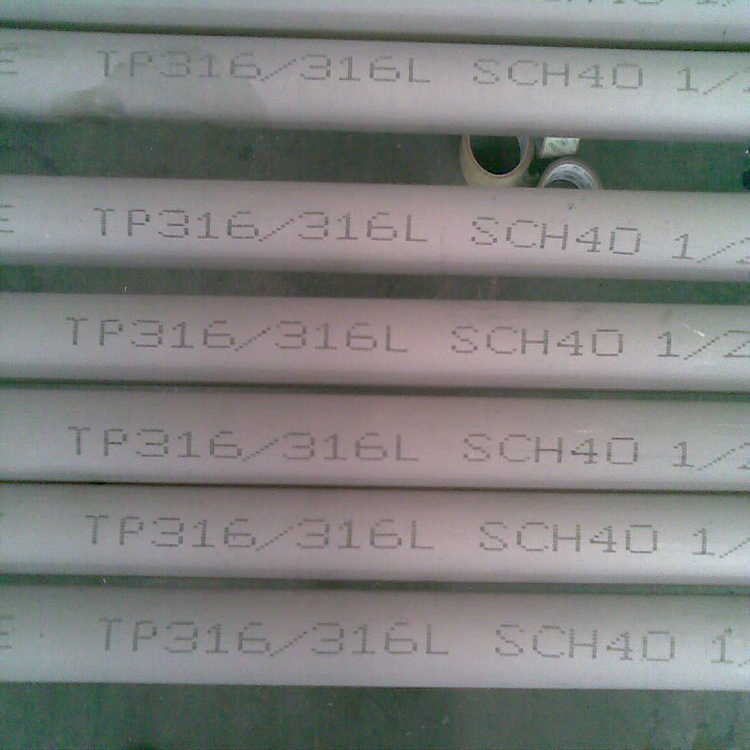
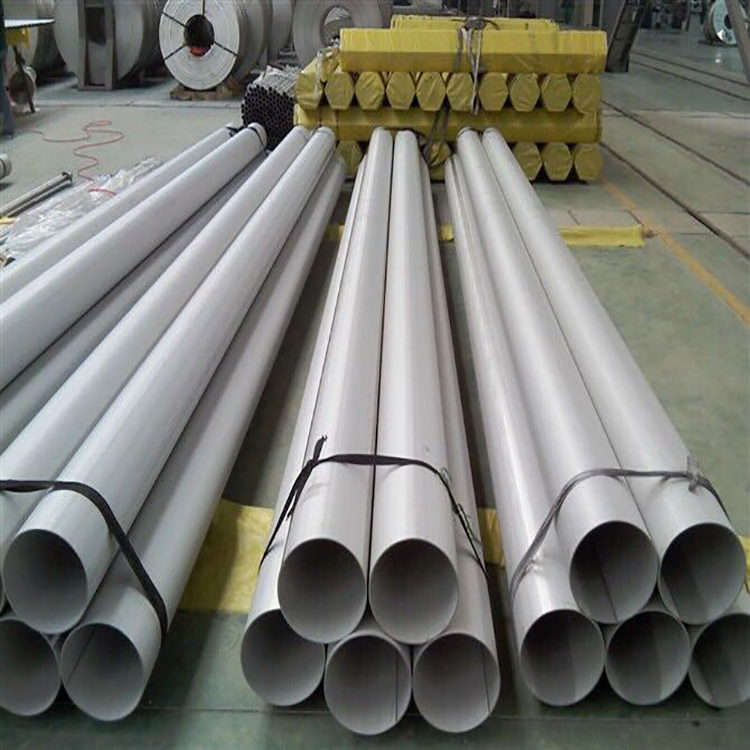







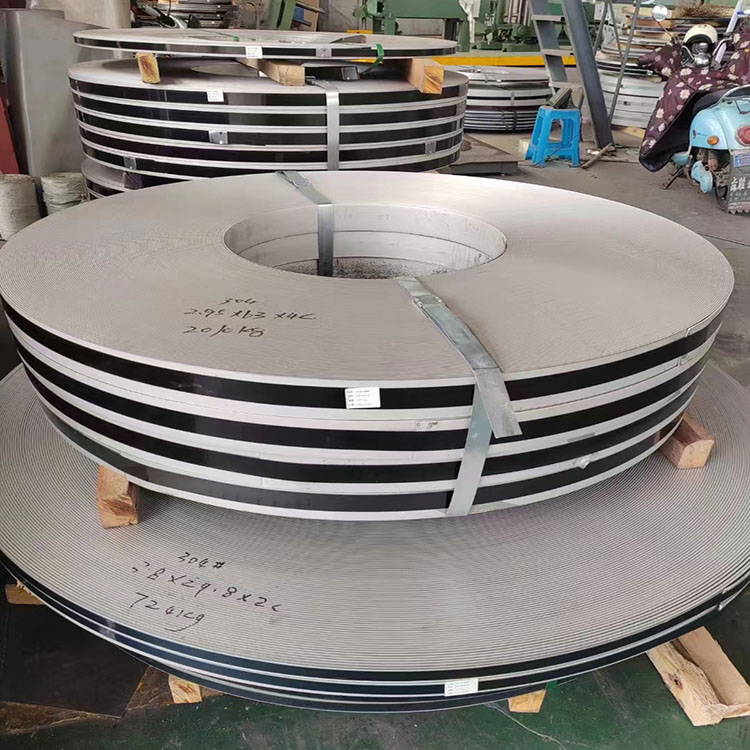

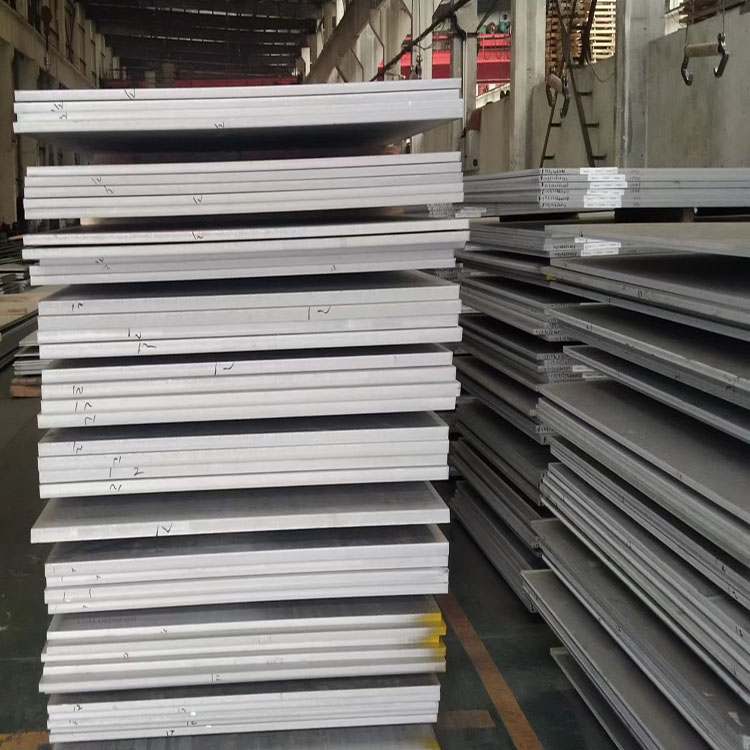
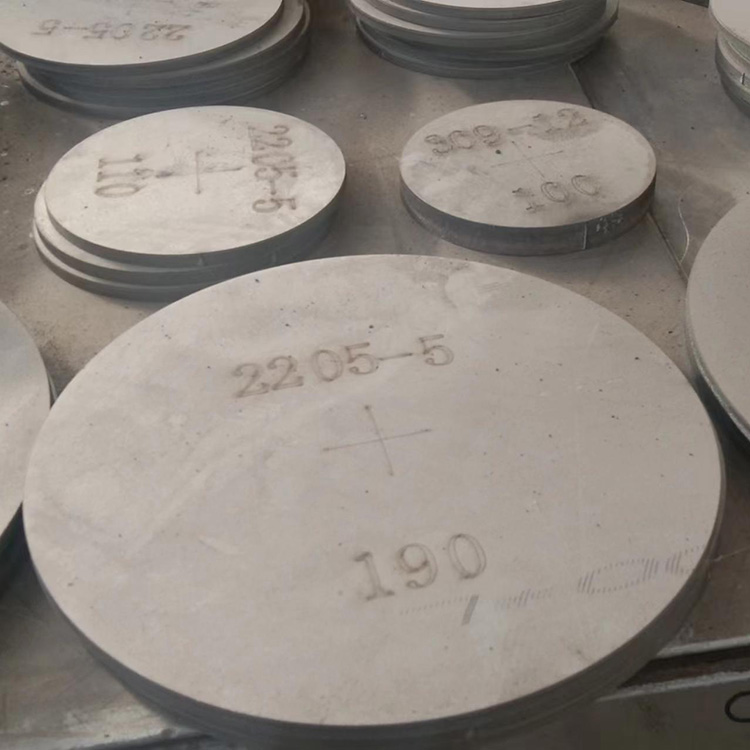
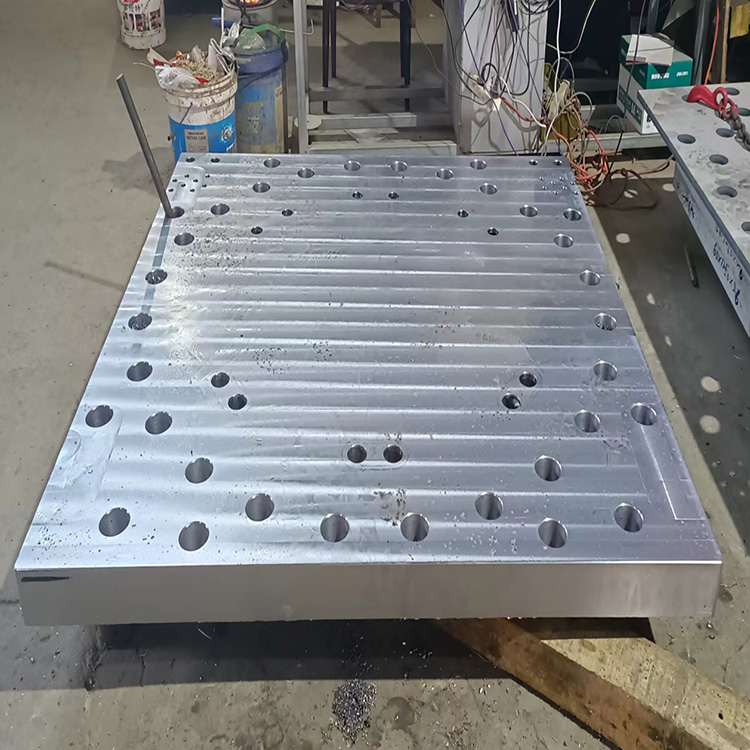
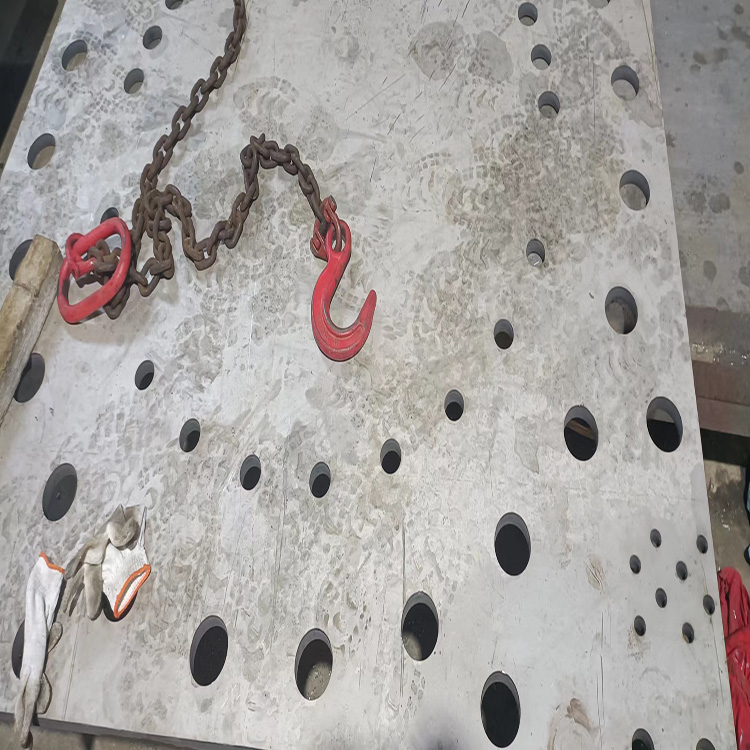
316 stainless steel tube is a hollow, long strip of round steel, primarily widely used in industrial pipelines for oil, chemical, light industry, and machinery instruments, as well as mechanical structural components. Additionally, with equal bending and torsional strength, it is lighter in weight, thus extensively used in the manufacturing of mechanical parts and engineering structures. It is also commonly used in the production of various conventional weapons, gun barrels, shells, etc. The high carbon content of 316 stainless steel tubes is 0.03%, suitable for applications where annealing is not possible after welding and where high corrosion resistance is required. 316 and 317 stainless steels (the properties of 317 stainless steel are listed below) are molybdenum-containing stainless steels. This steel type overall outperforms 310 and 304 stainless steels, and has a wide range of applications under high-temperature conditions when the concentration of sulfuric acid is below 15% and above 85%. 316 stainless steel plates, also known as 00Cr17Ni14Mo2, offer superior corrosion resistance compared to 304 stainless steel, and exhibit good corrosion resistance during the production processes of pulp and paper. The 316 stainless steel's resistance to carbide precipitation is better than that of 316 stainless steel, and can be used within the aforementioned temperature range.