

















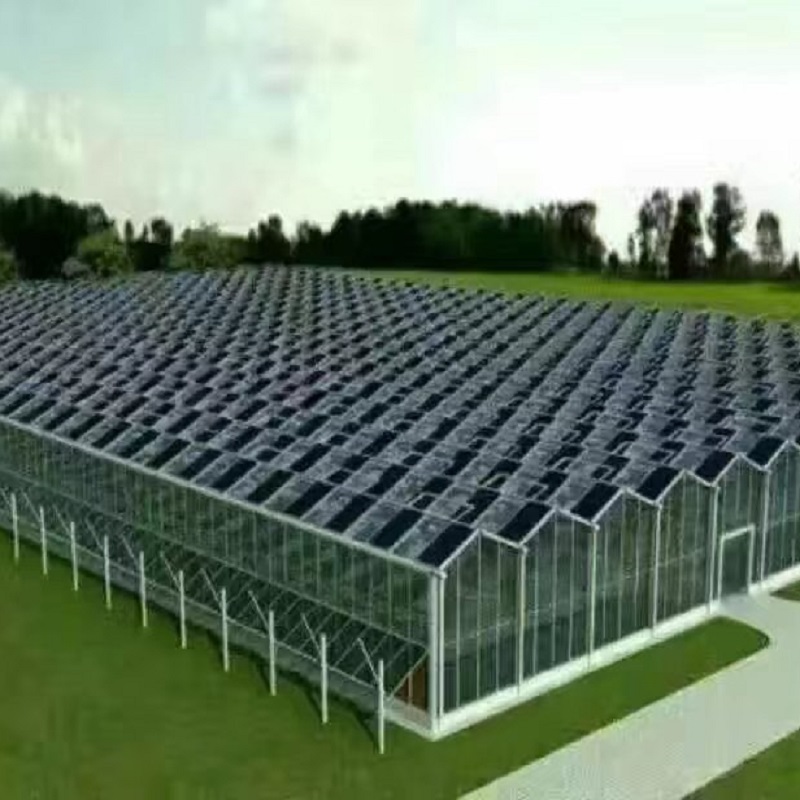
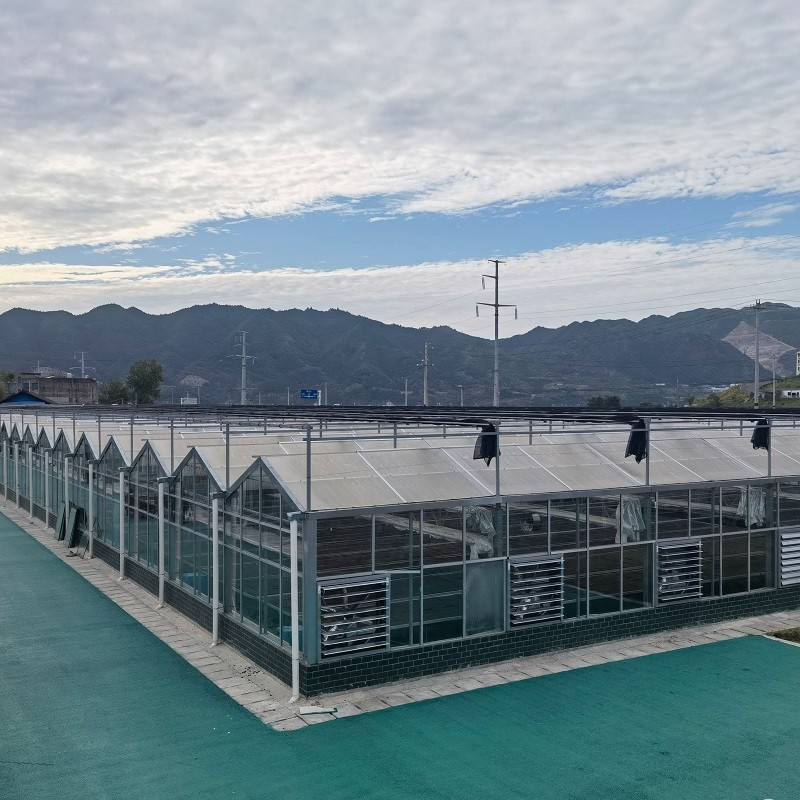
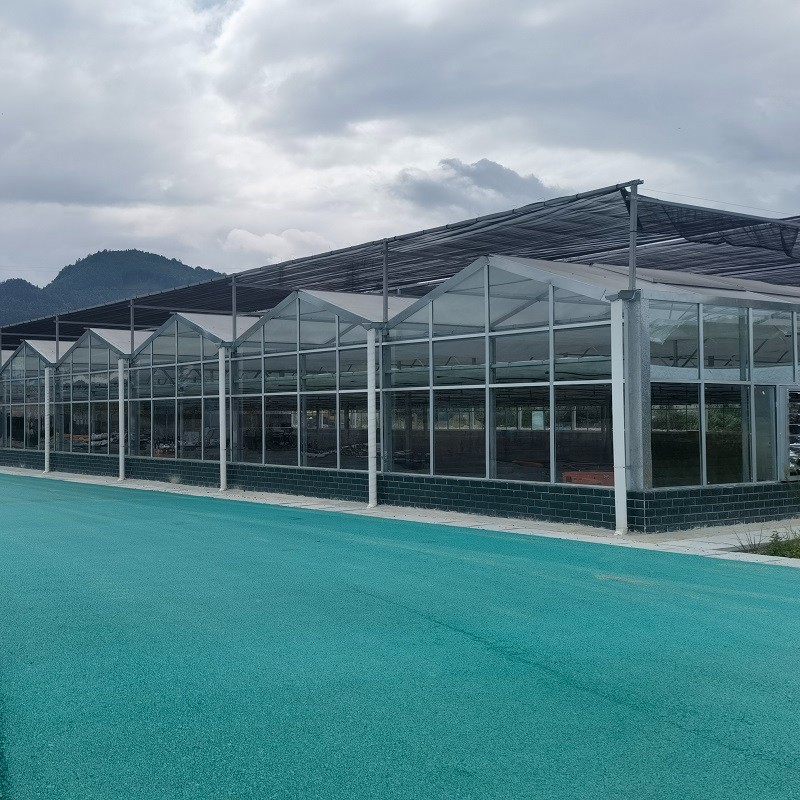
Glass greenhouses are a type of greenhouse, designed to transmit light and retain heat (or warmth). They are facilities for planting plants. So, what is the principle behind their heat retention? Follow the editor to find out.
Insulation Principle of Glass Greenhouses: The sun's radiation, primarily shortwave, passes through the greenhouse glazing materials into the greenhouse, causing the indoor temperature to rise. This heat then becomes longwave radiation, which is blocked by the greenhouse coverings, leading to accumulated heat inside and an increase in indoor temperature. This phenomenon is known as the "greenhouse effect." By utilizing the greenhouse effect, greenhouses can create a suitable environment for plant growth during cold seasons when outdoor cultivation is not feasible, by raising the indoor temperature. This method aims to achieve off-season crop production and increase crop yields.


















