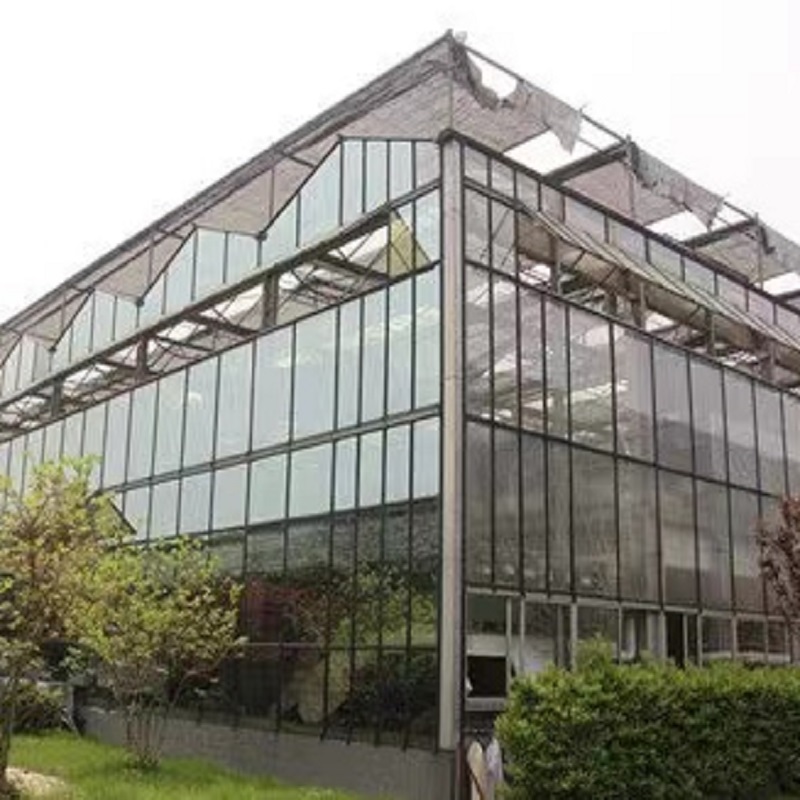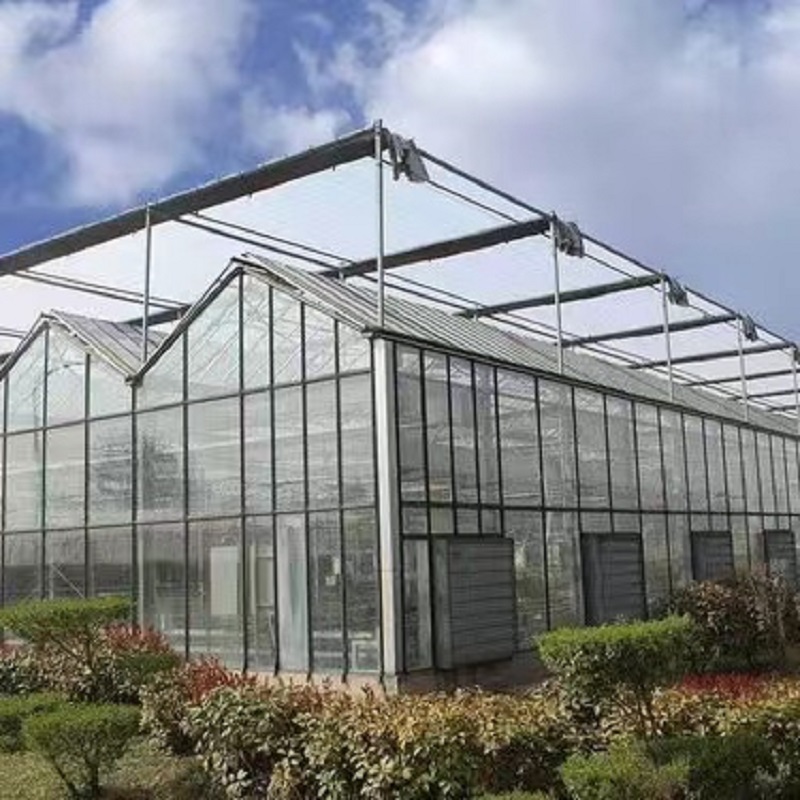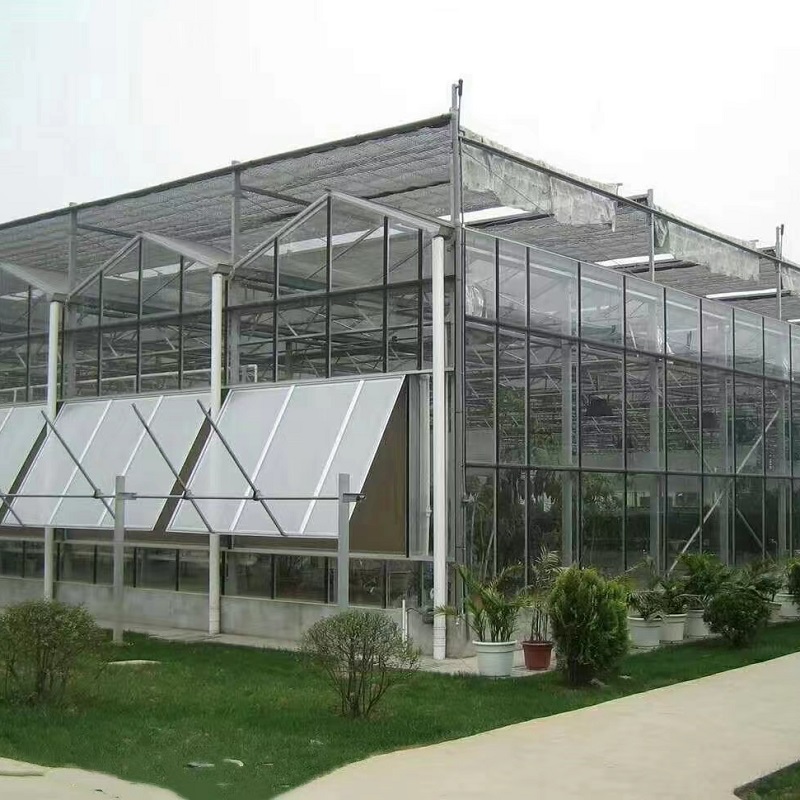











Glass greenhouses are a type of greenhouse, designed to transmit light and retain heat (or warmth), serving as facilities for planting plants. So, what is its principle of heat retention? Follow the editor to take a look.
The Insulation Principle of Glass Greenhouses: The sun's radiation, primarily short-wave radiation, passes through the greenhouse glazing materials into the greenhouse, causing the indoor temperature to rise and transform into long-wave radiation. This long-wave radiation is then blocked by the greenhouse covering materials, leading to the accumulation of heat indoors and an increase in indoor temperature. This process is known as the "greenhouse effect." By utilizing the "greenhouse effect," greenhouses can create a suitable environment for crop growth during cold seasons when outdoor growth is not suitable, by raising the indoor temperature, thereby achieving off-season crop production and increasing crop yields.