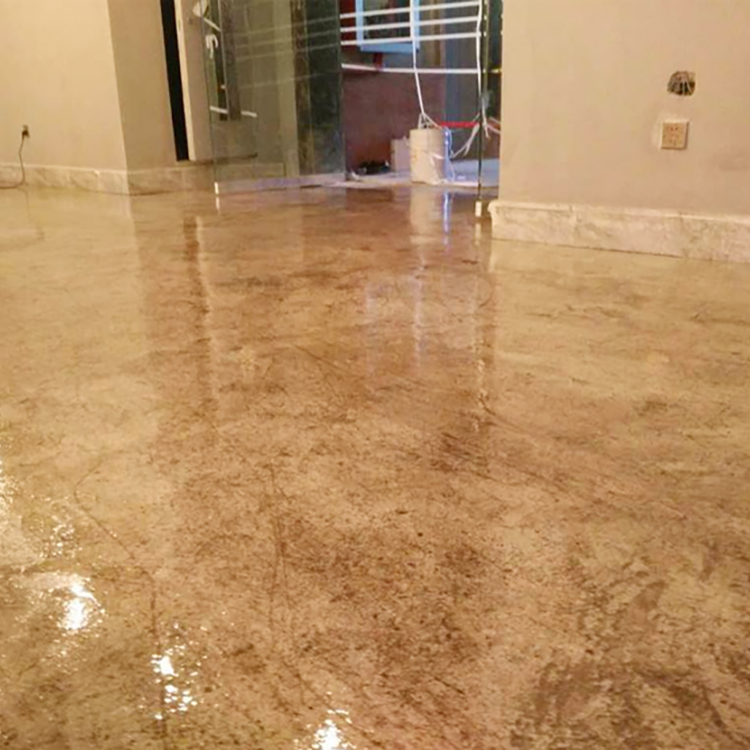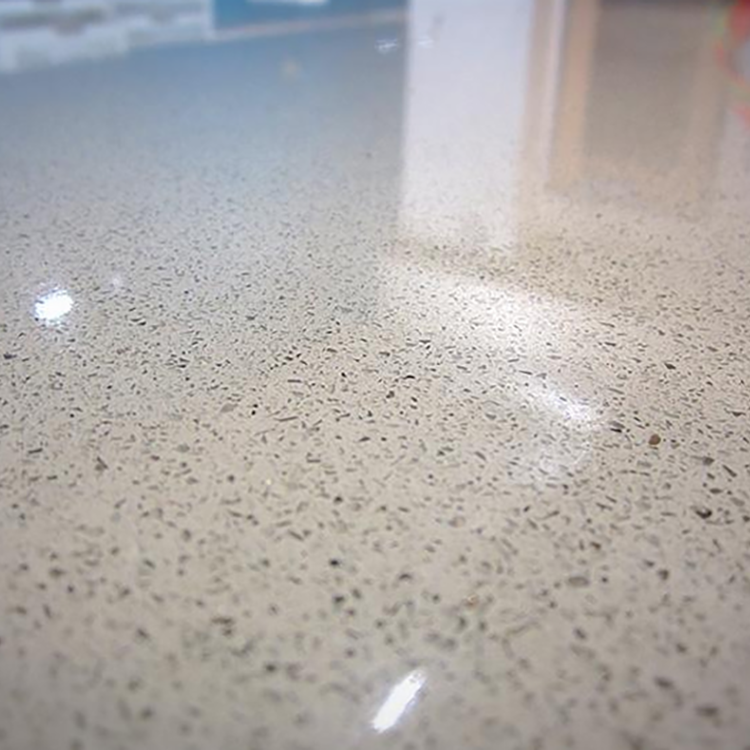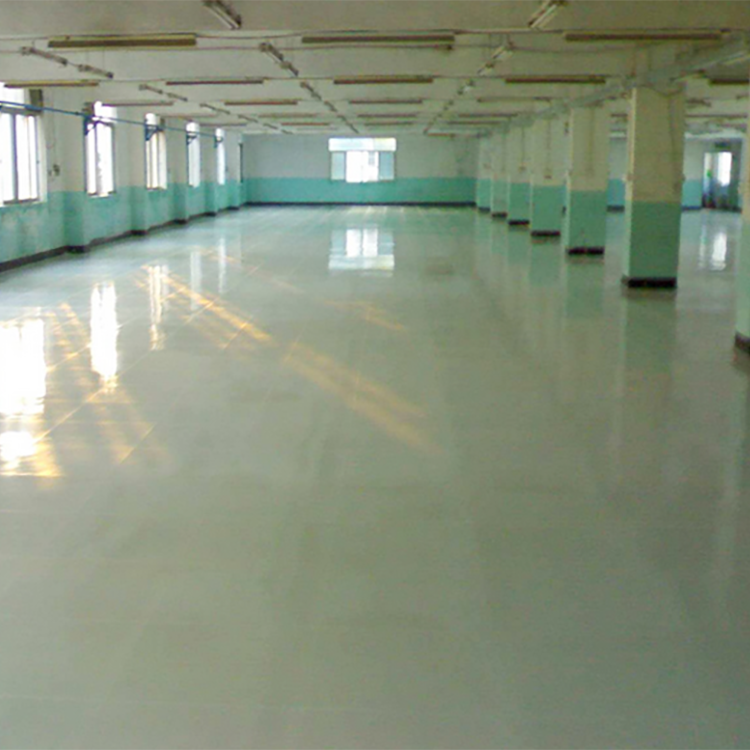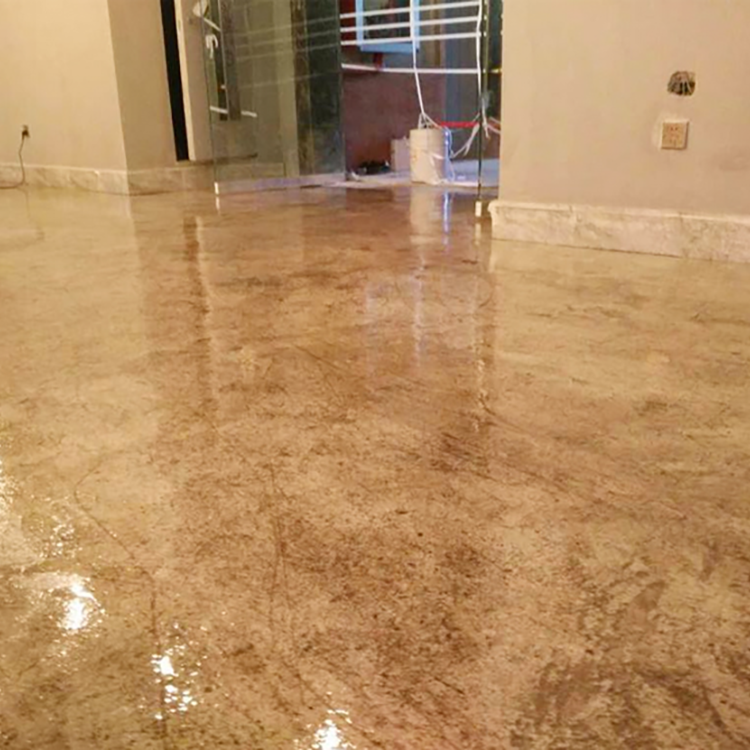

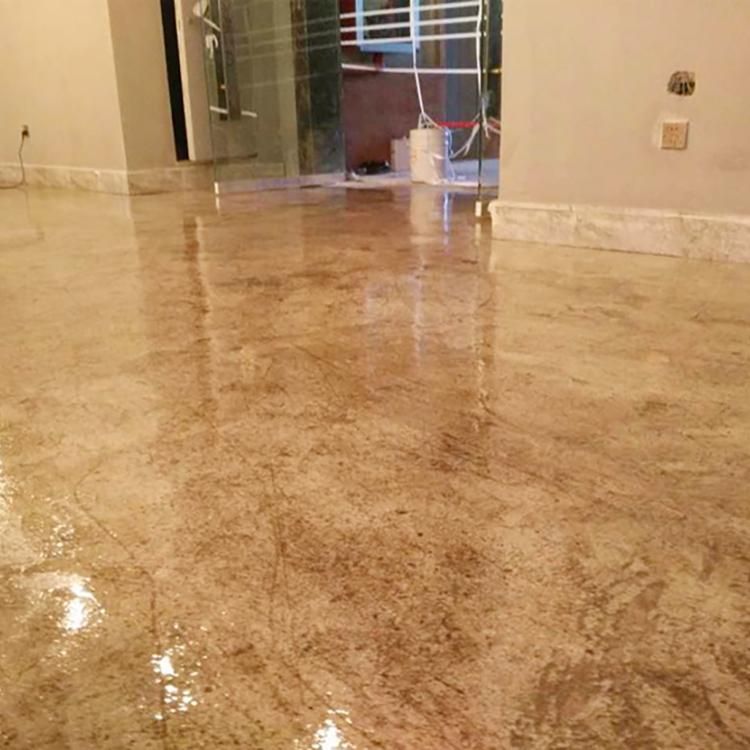
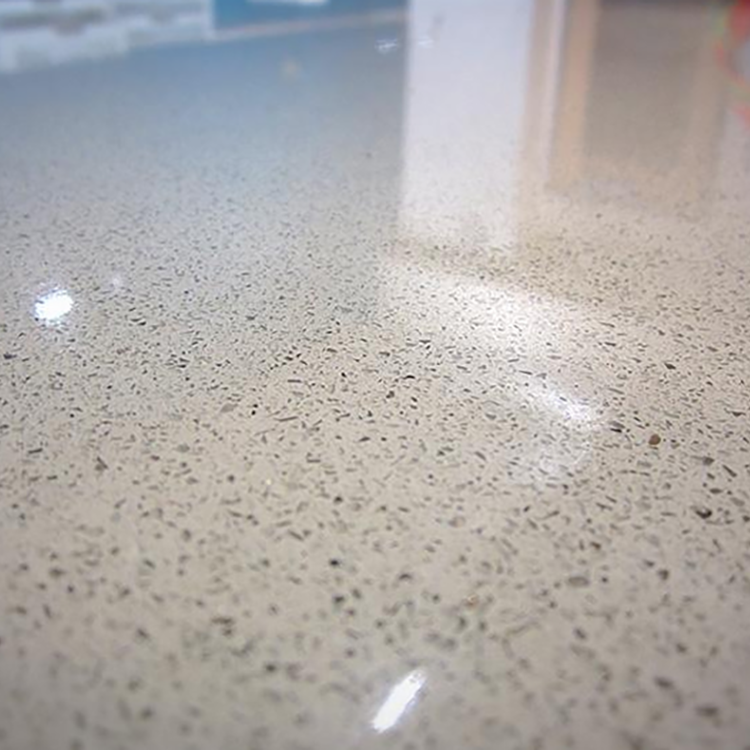
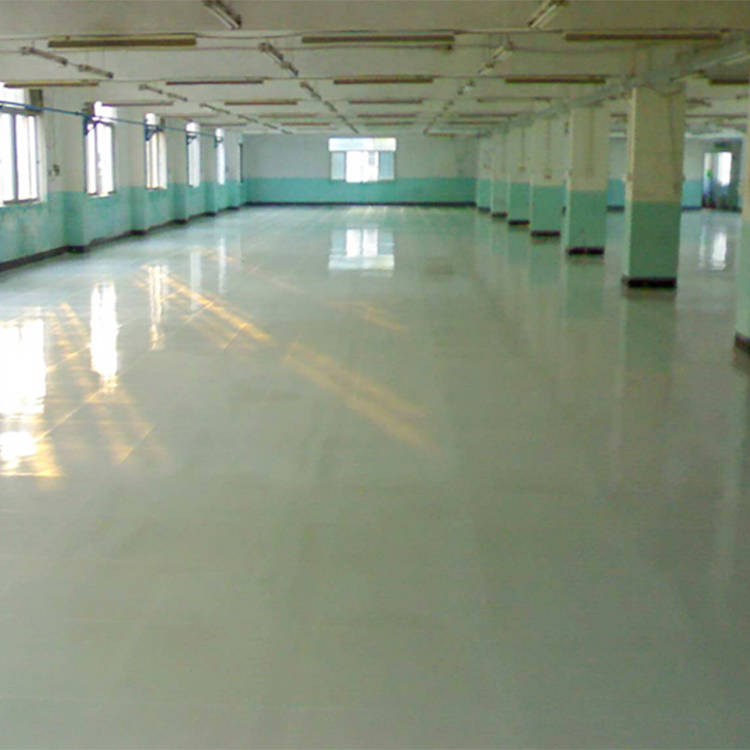








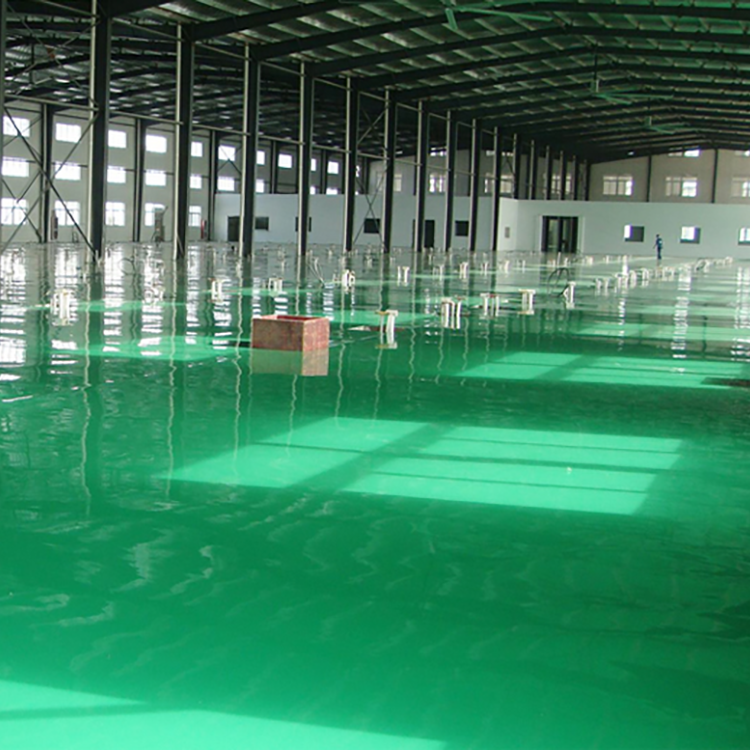
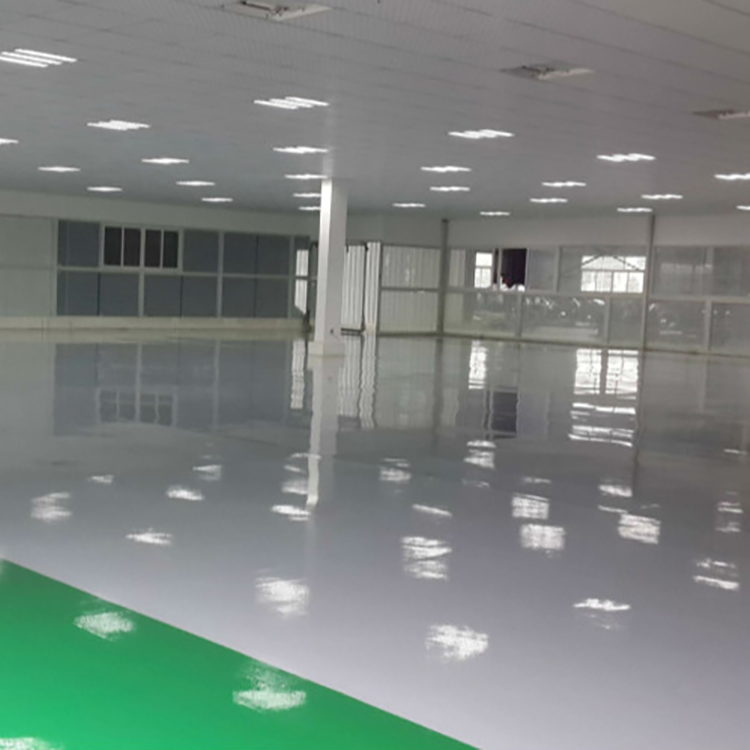
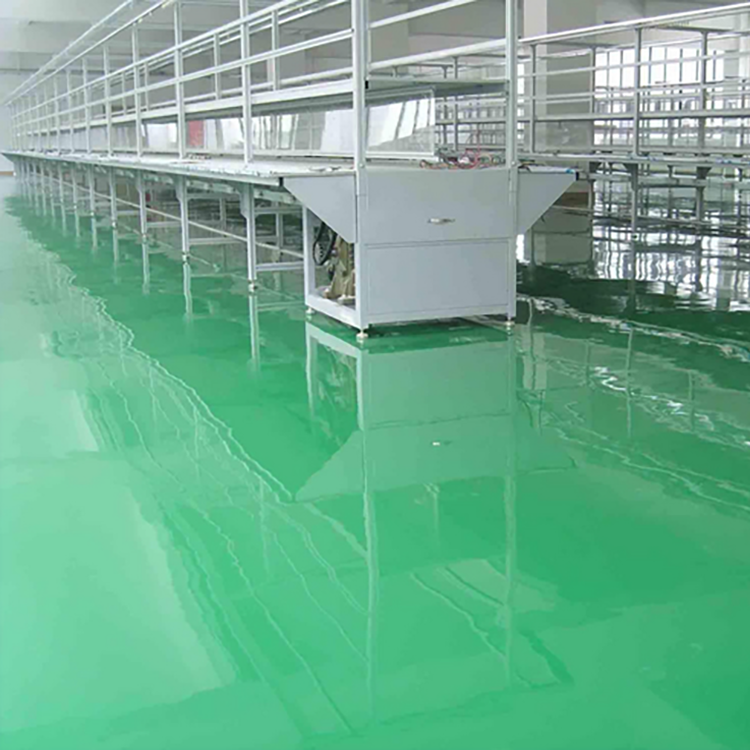
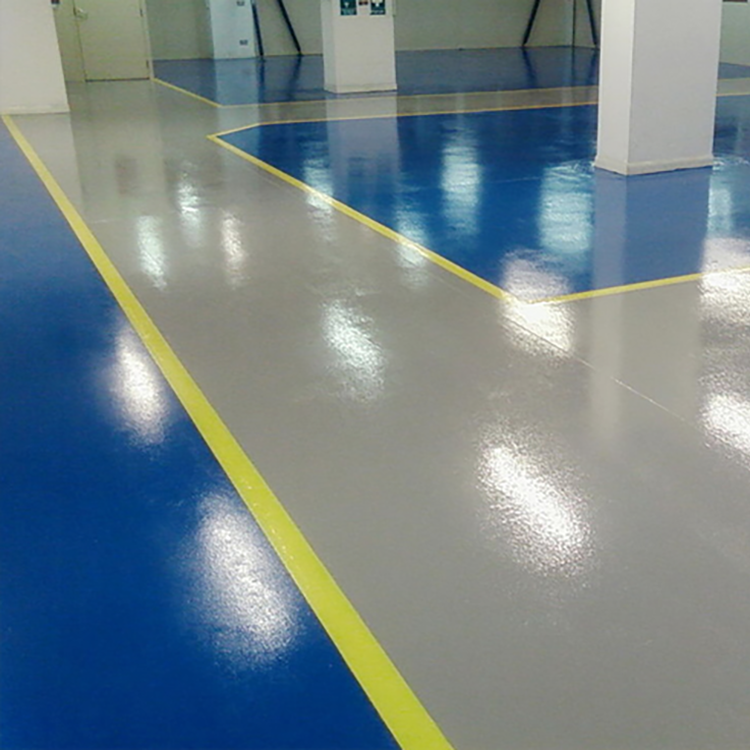
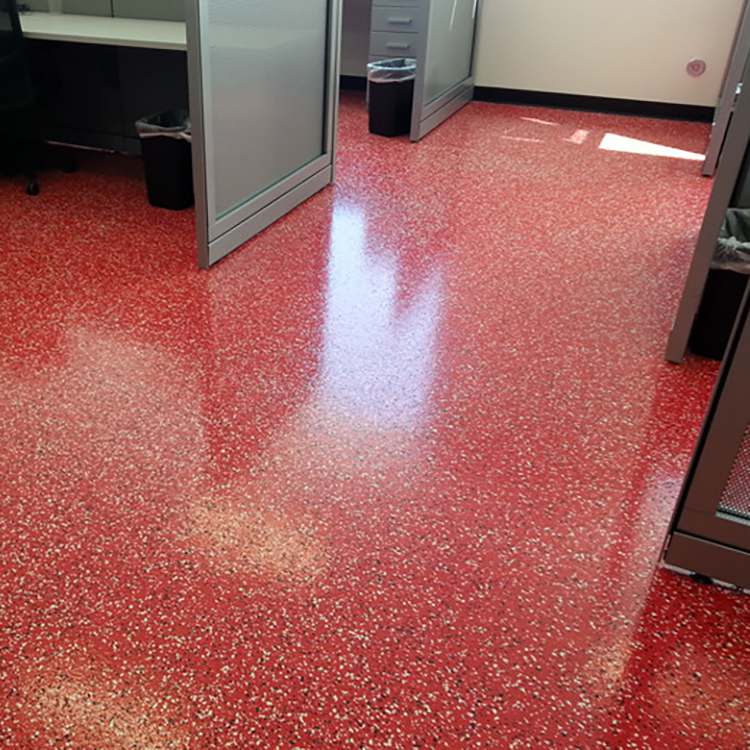
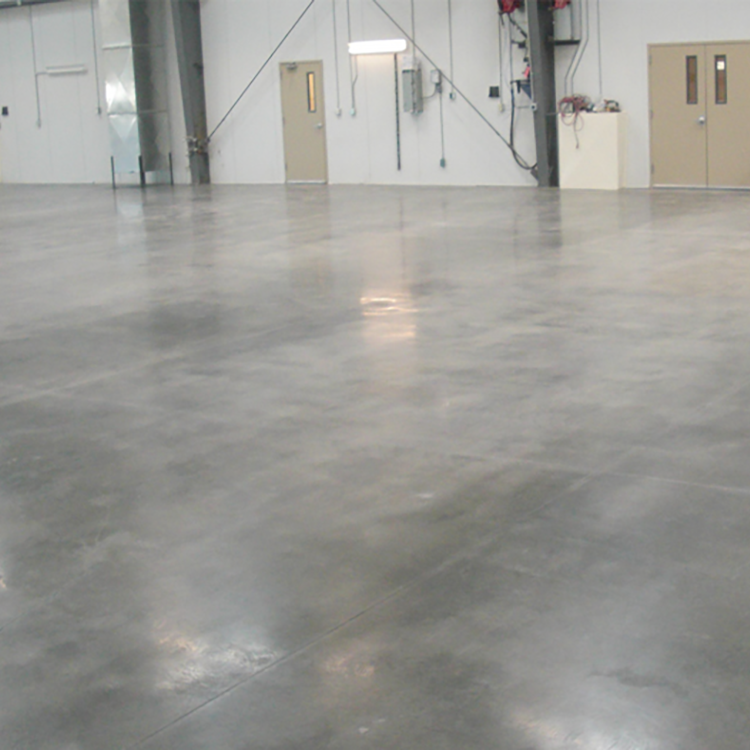
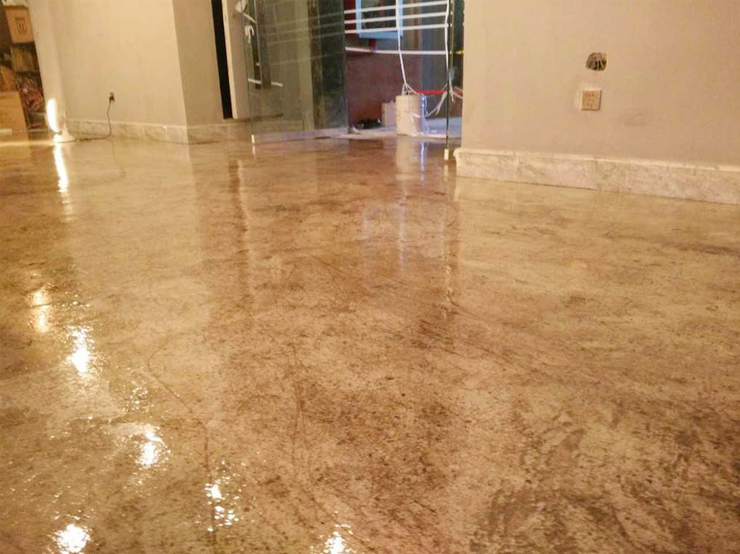
Ancient art flooring series is widely applicable to concrete and cement surfaces. Typical applications include indoor large malls, supermarkets, banks, office buildings, bars, cafes, residential areas, clubs, ports, bus stations, parking lots, squares, pedestrian streets, courtyards, and hotels, among various indoor and outdoor settings with high requirements for ground and wall colors. It can also be used on various cement products such as artificial cultural stones and garden rocks.
Flooring Application:
The floor slab is the part of the ground floor that contacts the soil layer, bearing the loads of the ground floor. It is required to have certain strength and rigidity, as well as moisture-proof, water-resistant, thermal insulation, and wear-resistant properties. The ground layer is closely related to the outdoor area of the building. It is essential to handle the relationship between the floor slab, platforms, steps, and the perimeter area of the building, ensuring a clear and harmonious junction between the building and the site.
The flooring is suitable for high-sanitation requirements areas such as ground surfaces, food processing plant floors, lab building floors, machine room floors, etc.; as well as for floors that require resistance to impact, corrosion, and abrasion, such as underground parking lots, factory warehouses (areas with forklifts), etc.
Flooring engineering refers to specialized ground construction projects designed to meet a variety of subsequent uses. The classification of flooring by type is straightforward, starting from "use requirements" and mainly including:
1. Adaptable to high-impact and abrasion-resistant requirements for roadways, parking lots, logistics warehouses, etc.
2. Requirement for anti-oil leakage on the ground of machine processing workshops.
3. Requirements for chemical resistance in the media of chemical production.
4. Requirements for preventing static charge accumulation on the floors of computer control rooms, flour production dust, textile industry fiber dust, fuel oil storage, and flammable and explosive hazardous goods warehouses.
5. Cleanroom flooring requirements for electronic component manufacturing, food processing, and precision machinery assembly areas.