
















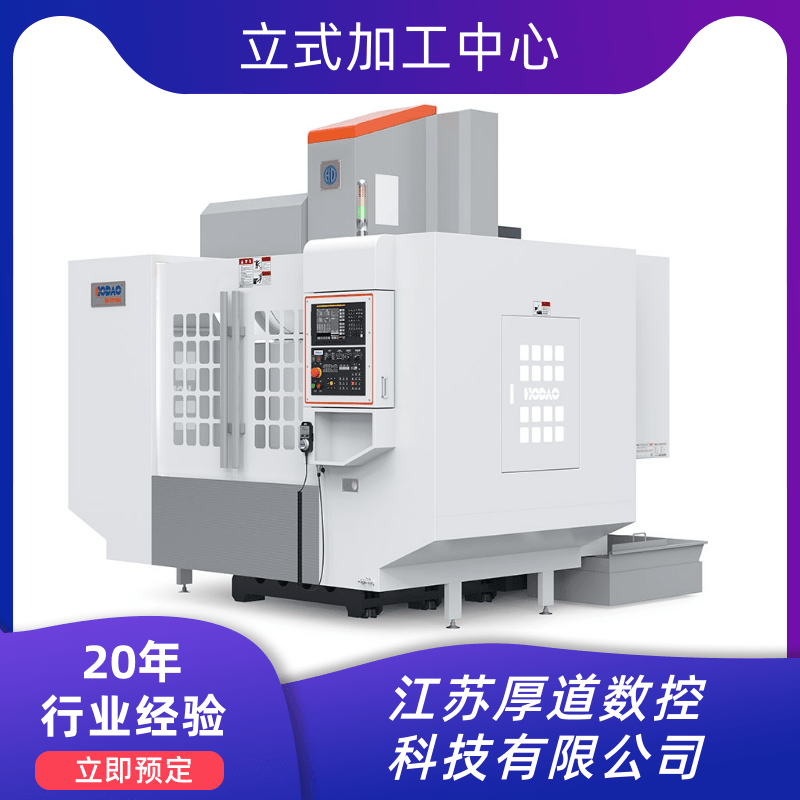
A vertical machining center refers to a machining center where the main spindle axis is vertically arranged relative to the worktable, primarily used for processing plate-like, disc-like, mold, and small shell-like complex parts. The vertical machining center can perform operations such as milling, boring, drilling, threading, and cutting threads. It is typically a three-axis two-link machine, capable of achieving three-axis three-linkage. Some models can be equipped with five-axis or six-axis control. The height of the vertical machining center's column is limited, which reduces the processing range for box-like workpieces, a drawback of this type of center. However, the workpiece clamping and positioning are convenient; the tool path is easy to observe, and program debugging and measurement are facilitated, allowing for timely issue identification and shutdown or modification. The cooling conditions are easy to establish, with cutting fluid directly reaching the tool and work surface. The three coordinate axes align with the Cartesian coordinate system, providing a直观 and consistent view with the drawing perspective, making chip removal and fall easy to avoid surface damage. Compared to corresponding horizontal machining centers, it has a simpler structure, occupies less space, and is more affordable.
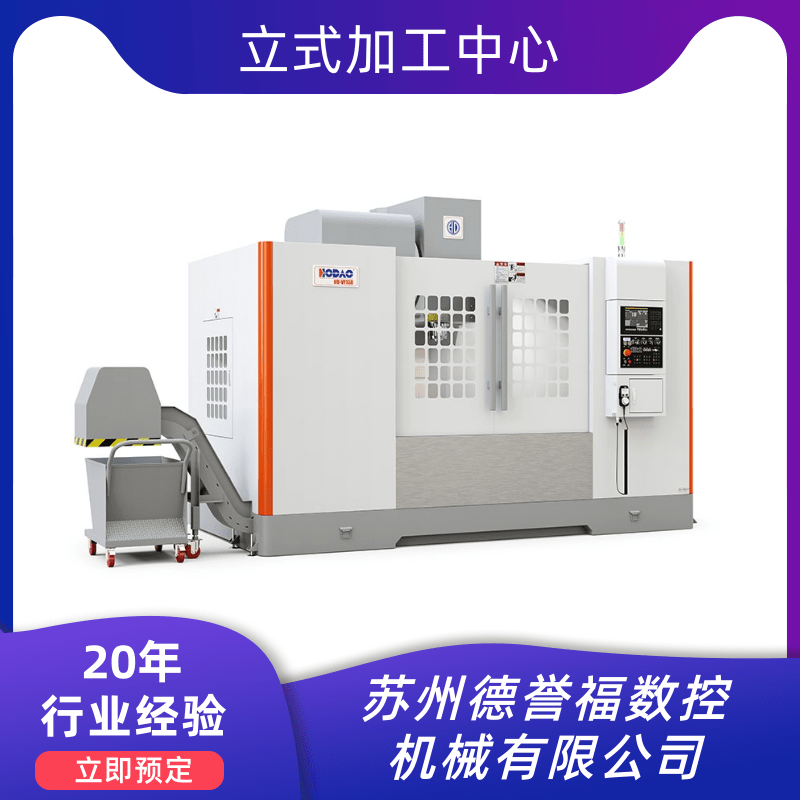
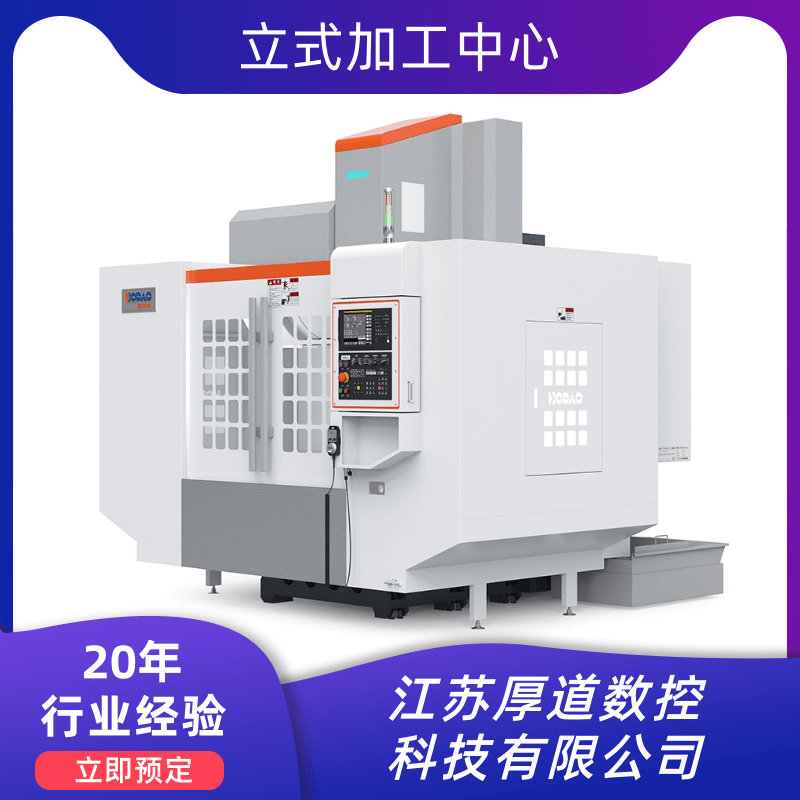
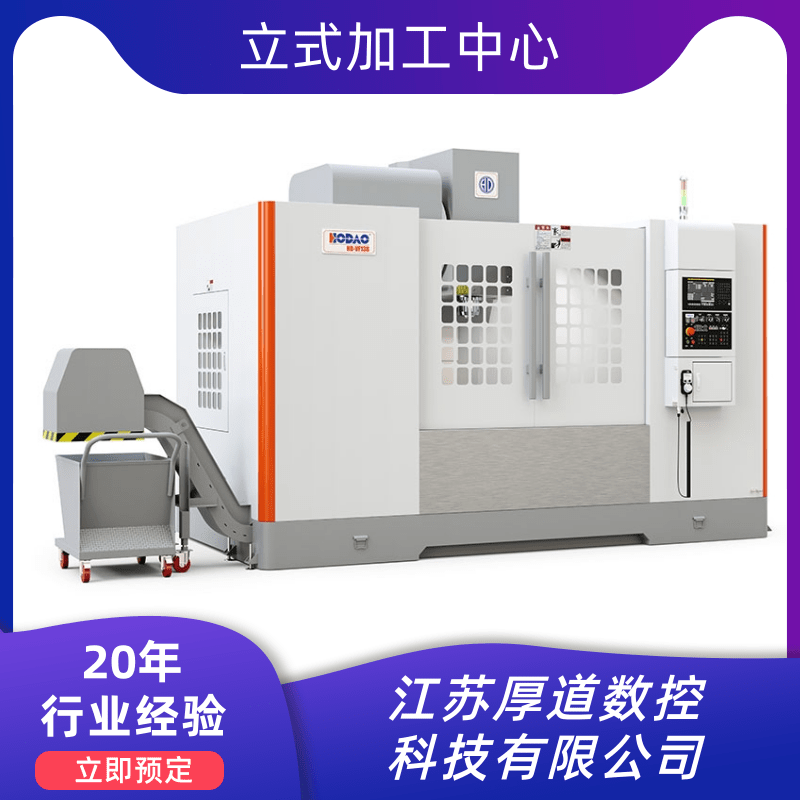
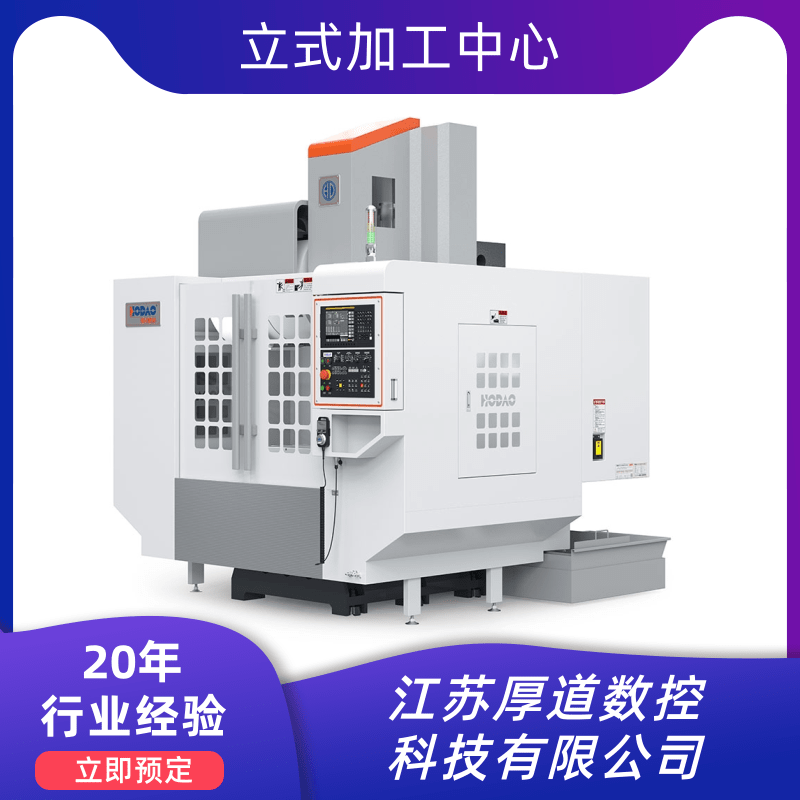
Five-axis CNC machine tools, gantry CNC machine tools, high-speed machining centers, vertical machining centers, horizontal machining centers, laser cutting machines, vertical and horizontal lathe-milling machines, 3-axis measuring instruments, dedicated to CNC machinery for 20 years.


















