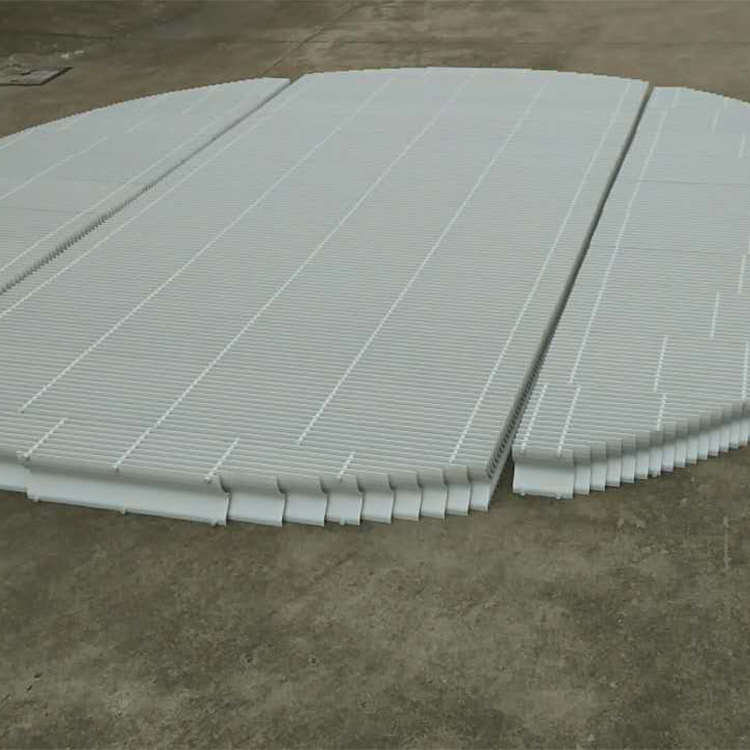






XPS (extruded polystyrene) is also known as expanded polystyrene foam.
Made from polystyrene resin, along with other raw materials and polymers, this rigid foam plastic board is manufactured by heating, mixing, and injecting a catalyst, followed by extrusion and molding. XPS features an ideal closed-cell honeycomb structure, which provides low water absorption (virtually impermeable to water), low thermal conductivity, high compressive strength, and resistance to aging (virtually no decomposition under normal use). Widely used for insulation and heat preservation in building facades, roofs, floors, ground, and ceilings, this product is an ideal green and environmentally friendly building material for the new generation. Compared to traditional high-density polystyrene materials, it significantly improves energy-saving in terms of compressive strength, insulation, and resistance to moisture vapor penetration, making it an ideal material for energy-saving and environmental protection in the construction industry.
Performance Features
Excellent thermal insulation properties
High thermal resistance, low linear expansion, and low expansion ratio; its structure features a closed cell rate of over 99%, creating a vacuum layer to prevent air flow and heat dissipation, ensuring long-lasting and stable insulation performance. Compared to the 80% closed cell rate of foam polyurethane, the advantage is self-evident. Practical evidence shows that a 20mm thick XPS extruded insulation board has the same insulation effect as a 50mm thick expanded polystyrene or a 120mm thick cement perlite. Therefore, this material is the preferred choice for current building insulation.
2. High-compression resistance
Due to the unique structure of XPS boards, they offer high compressive strength and excellent impact resistance. Depending on the model and thickness of the XPS, the compressive strength can reach above 150 to 700 Kpa. They can withstand various ground loads in systems, and are widely used in ground heating projects, expressways, airport runways, square ground, large cold storage, and vehicle interior insulation and thermal insulation fields.
3. Water-repellent and moisture-resistant properties
Water absorption rate is a crucial parameter in evaluating thermal insulation materials. Once the thermal insulation materials absorb water, their insulating properties decrease. In low temperatures, the absorbed water tends to freeze, damaging the material's structure, thereby reducing the boards' compressive and insulating performance. Due to the non-absorbent molecular structure of polystyrene, the board's molecular structure is stable and gapless, solving issues such as water leakage, penetration, frost formation, and condensation that other materials may encounter.
4. Lightweight and easy to use
The fully closed-cell foamed chemical structure and the honeycomb physical structure of XPS boards confer them with lightweight and high-strength properties, making them easy to cut, transport, and less prone to damage, with convenient installation.
5. Good stability and corrosion resistance
Long-term use shows no aging, decomposition, or production of harmful substances. Its chemical properties are stable, and it does not degrade due to water absorption or corrosion, maintaining its performance in high-temperature environments. According to available information, XPS extruded insulation boards produced by domestic large manufacturers have a lifespan of around 60 years, still demonstrating excellent performance, without decomposition, mold formation, or volatile toxic substances.
6. Product Environmental Performance
The environmental performance of XPS boards primarily depends on the blowing agent. Currently, most domestic manufacturers use CO2 as a catalyst, although some factories have been using Freon. After testing by relevant national departments, it is found to have stable chemical properties, does not emit harmful substances, and is harmless to humans. The production materials are eco-friendly, producing no industrial pollution. This product is categorized as environmentally friendly building materials.
Application Range
Roof insulation for buildings, steel structure roofing, building wall insulation, building ground moisture control, square ground surfaces, ground frost heave control, central air conditioning ventilation ducts, etc.