
















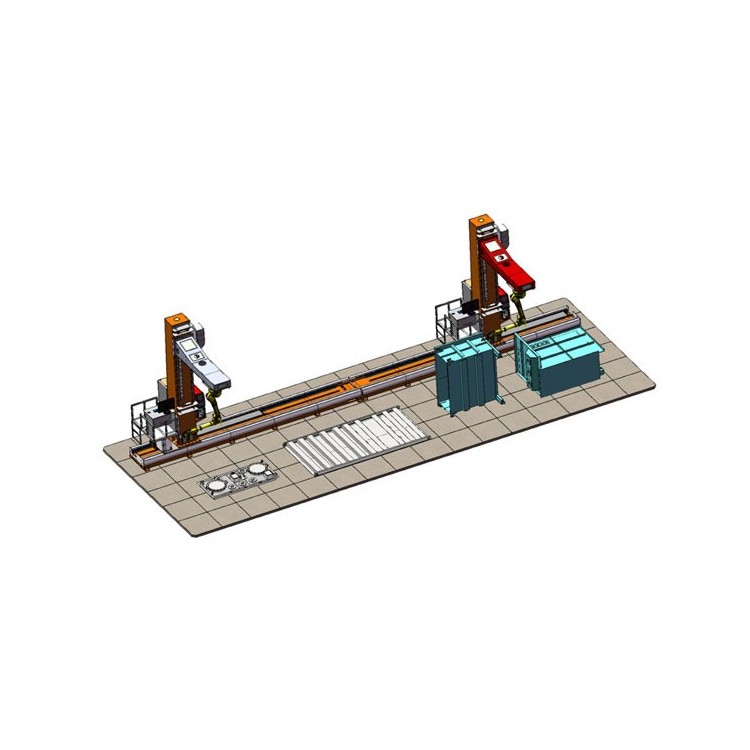


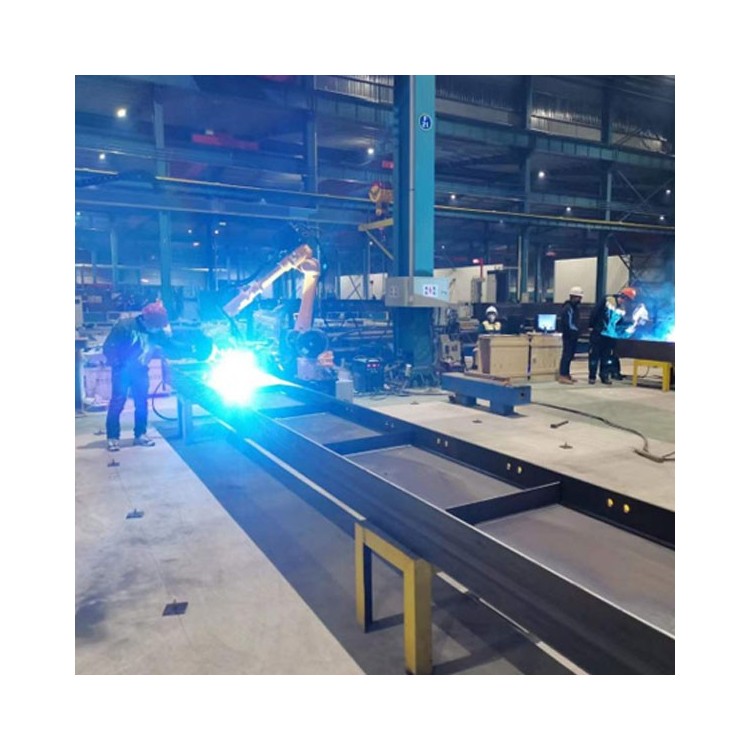
Domestic stamping robots are increasingly showcasing their advantages in applications on mechanical presses, hydraulic presses, pneumatic presses, and other forging equipment. Stamping robots are being widely adopted in the stamping industry, and with the continuous development and refinement of stamping robot technology, they are poised to bring about a significant transformation in the field.
Pressing Robot Features
Low cost, payback in half a year. A robot arm typically costs around $60,000-$100,000, with variations in axes and brands affecting the price. The initial cost can be substantial, but when spread over time or months, it's roughly equivalent to six months' wages for an employee.
2. No salary payments, high efficiency. Of course, press robots do not require salary payments and operate with exceptional efficiency, significantly reducing error rates compared to manual labor. Reduces dependence on manual skills. In China, there is a high proportion of general workers, and a strong reliance on manual skills. As society progresses, the manufacturing industry must continuously become more technologically advanced and efficient. The substitution of press robots for manual labor will also reduce this dependence on manual skills.
3. Suitable for replacing manual labor in hazardous tasks. In certain stamping fields, many processes are highly dangerous. The principle of the stamping industry involves using the weight of the press to carry out production, and manual operation poses a significant risk. With the operation of stamping robots, the boss's concerns are alleviated, otherwise, a severed hand or finger could result in compensation costs of 300,000 to 400,000 yuan.
4. Extended operating hours. The facility operates 24/7, whereas human labor requires rest periods.


















