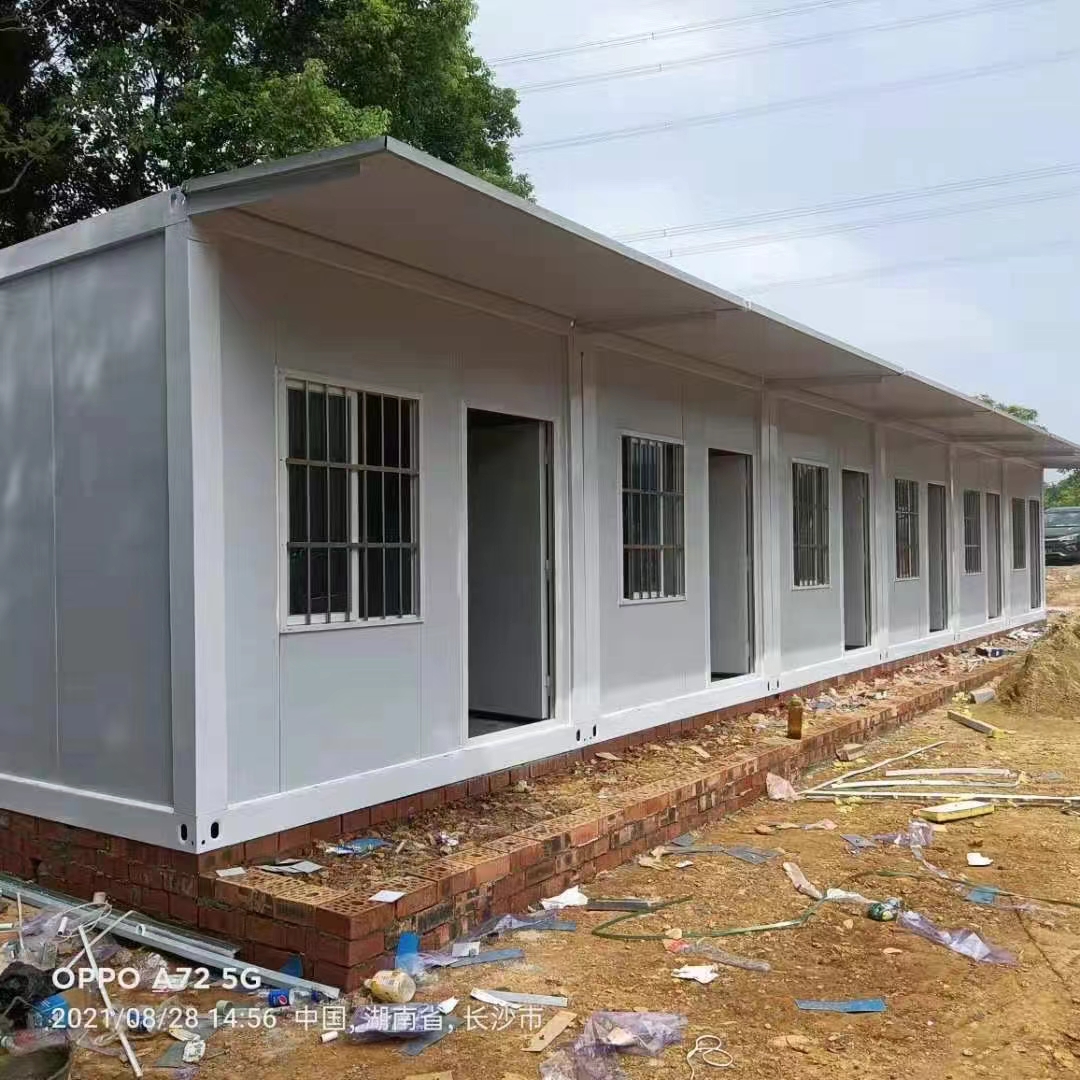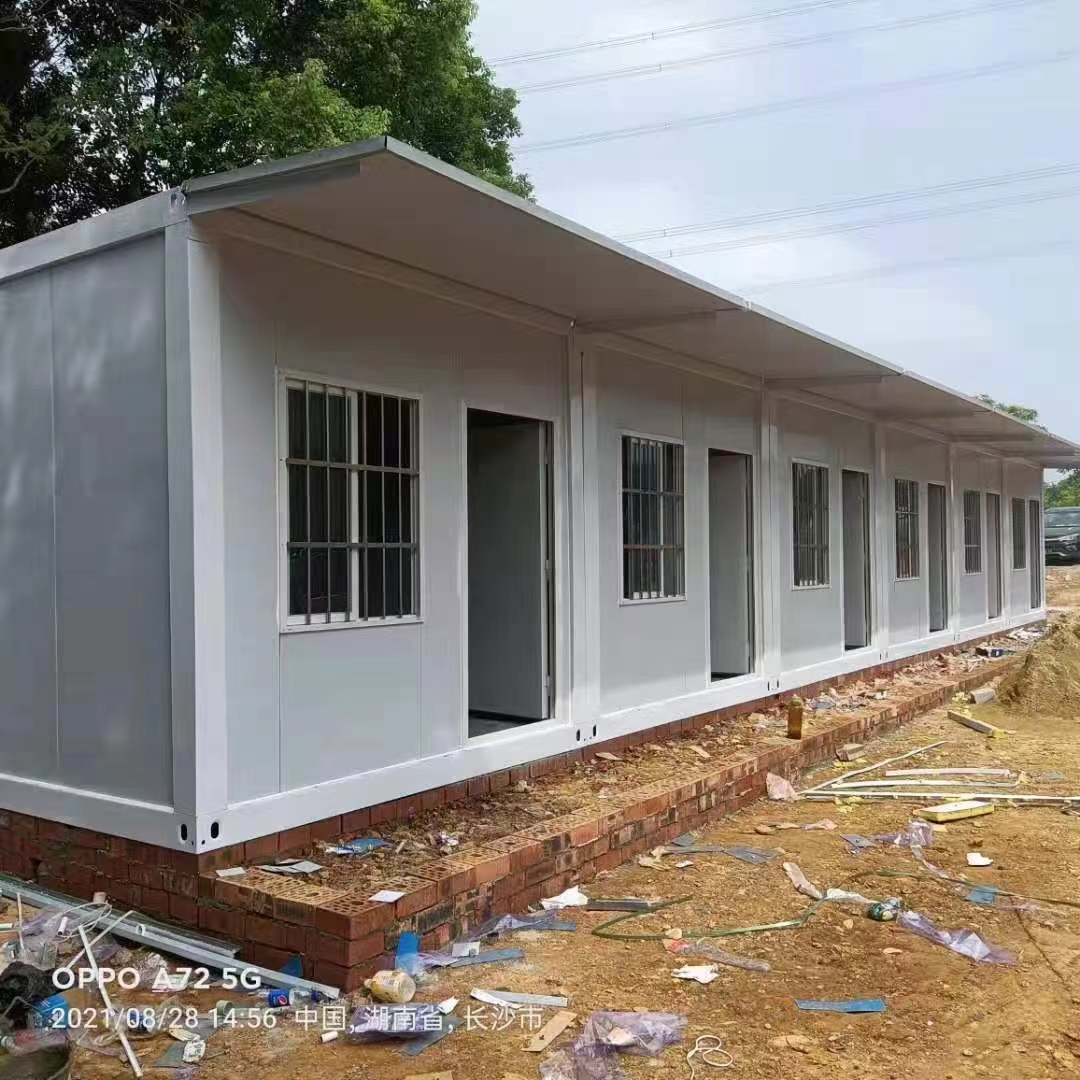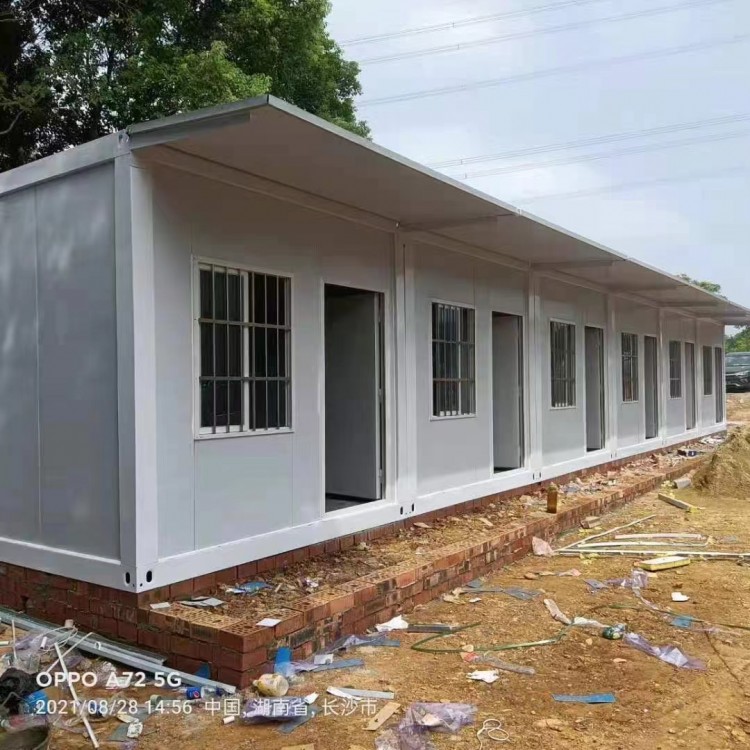



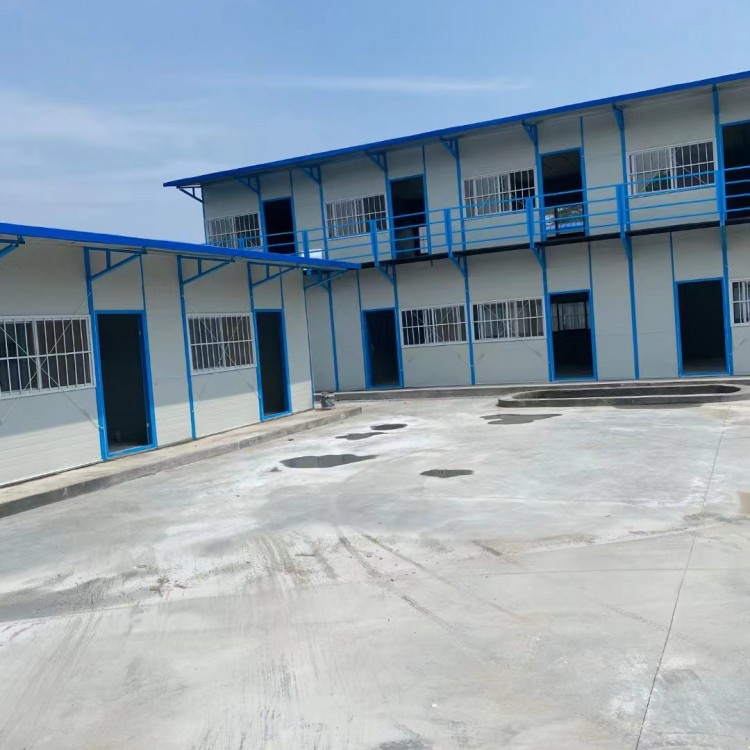










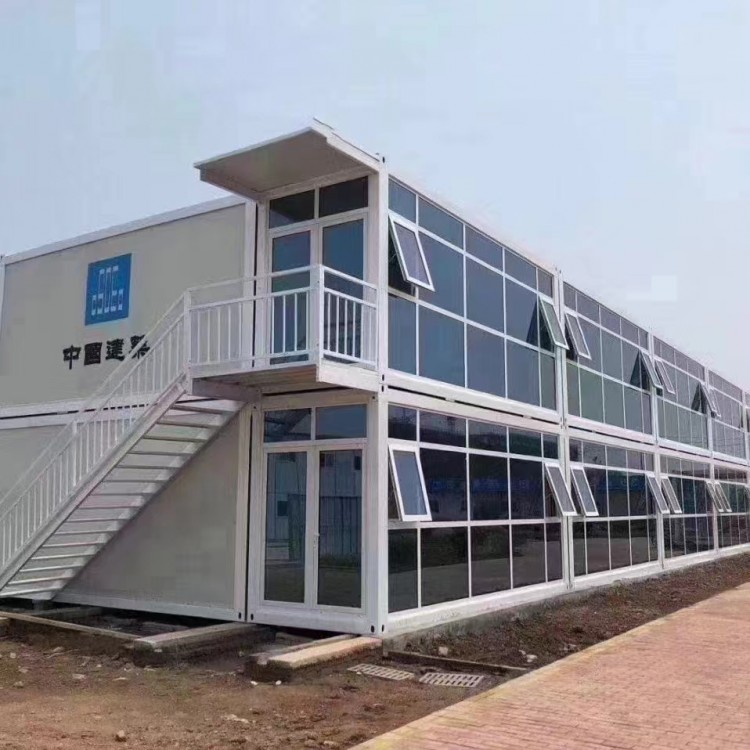
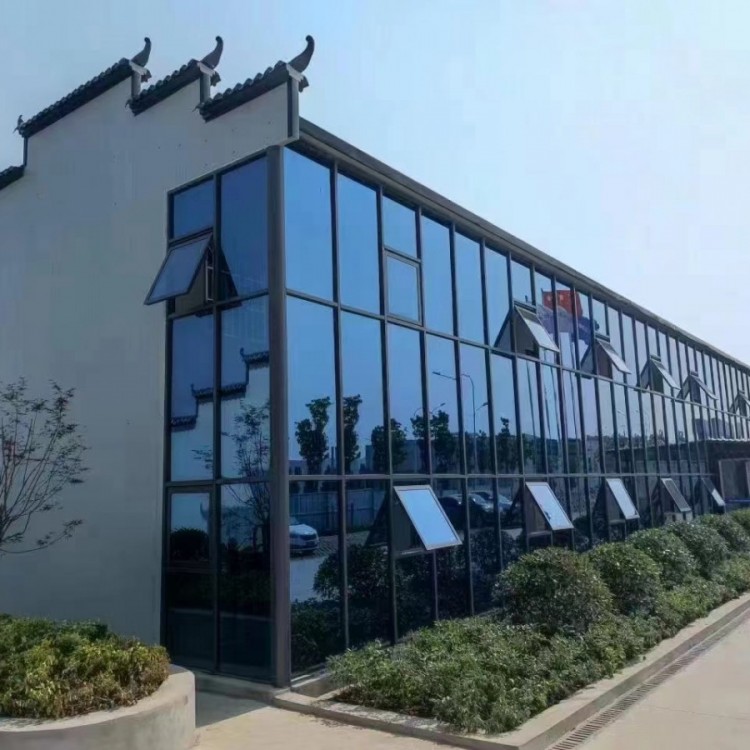
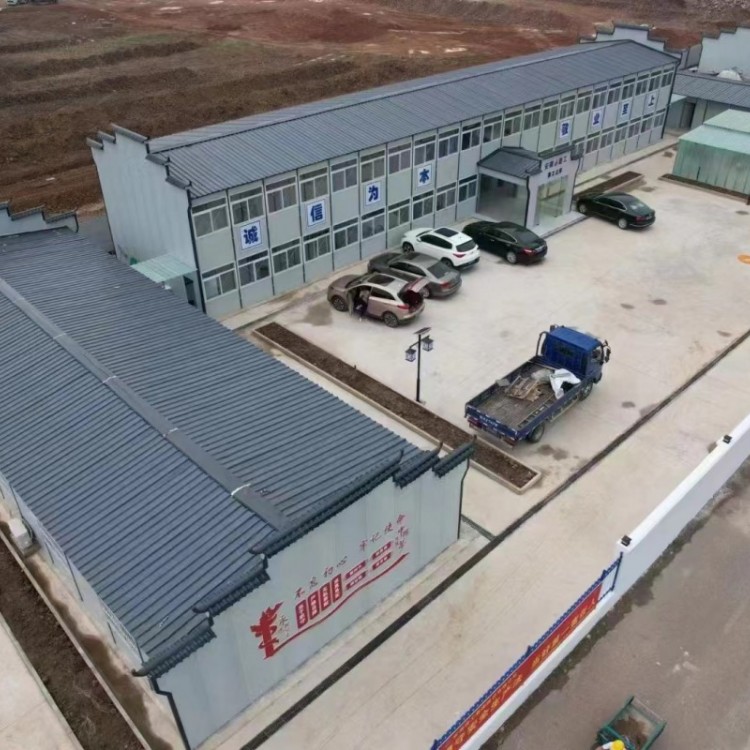
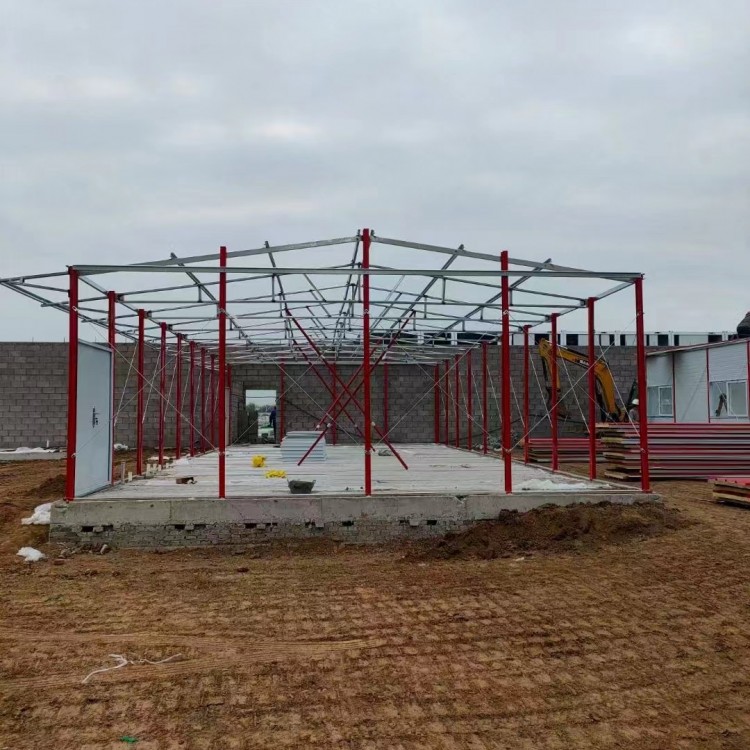
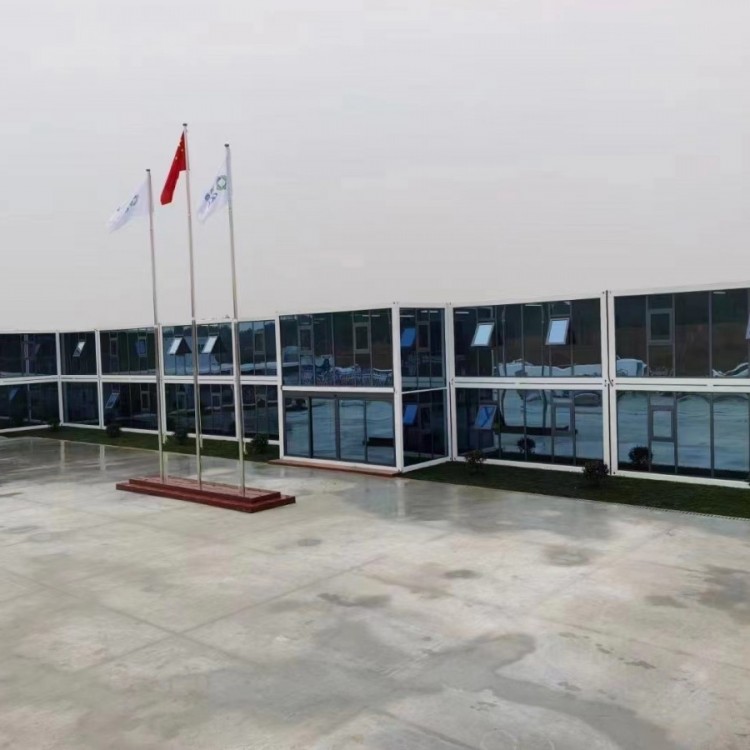
Quick Assembly Container, also known as "Quick Assembly Container" or "Rapid Assembly Container," is a type of mobile container. It is mainly composed of frames and wall panels, secured with screws, requiring no welding, making installation and dismantling extremely quick and convenient. This design allows Quick Assembly Containers to be widely used in various settings such as construction sites, office buildings, reception halls, residential homes, tool sheds, and warehouses.
Modular design is used for quick assembly containers, allowing units to be rapidly assembled without the need for bricklaying or concrete pouring, common in traditional construction, significantly reducing construction time. Additionally, with the adoption of container structures, quick assembly containers feature standardized dimensions and structures, facilitating transportation and relocation. They can be moved either as a whole or in sections using container cranes or trucks, accommodating the needs of various sites.
Additionally, quick assembly containers offer advantages such as good load-bearing capacity, high stability, attractive appearance, wind and shock resistance, and excellent thermal insulation. The frames are made of steel structures, the walls are lined with fire-resistant rock wool boards, and the floors are made of magnesium oxide boards. All materials are integrated and modularly produced, with unified specifications and appearance. The service life of quick assembly containers is typically around 20 years, and they are all made from environmentally friendly and recyclable materials.
However, as a temporary architectural structure, fast-fit containers are difficult to provide long-term residential and office environments. Additionally, poor craftsmanship at the joints can easily lead to issues like water leakage and air seepage, thereby affecting its lifespan.
Overall, container pooling offers widespread application prospects due to its convenience, speed, low cost, and reusability, especially in scenarios requiring quick assembly and disassembly. However, it's important to be aware of its limitations as a temporary structure and potential issues that may arise during use.