






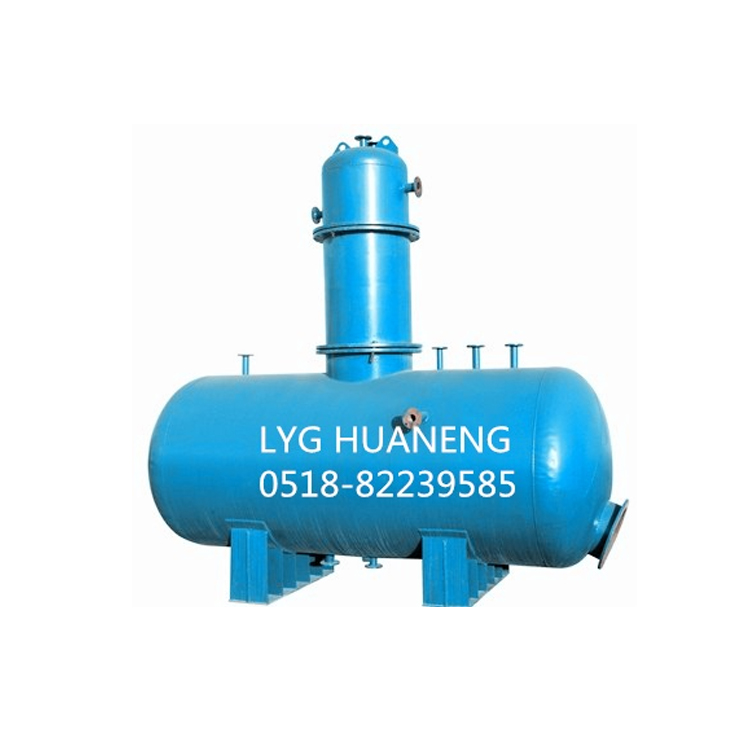
I. The Purpose of Heat Accumulators
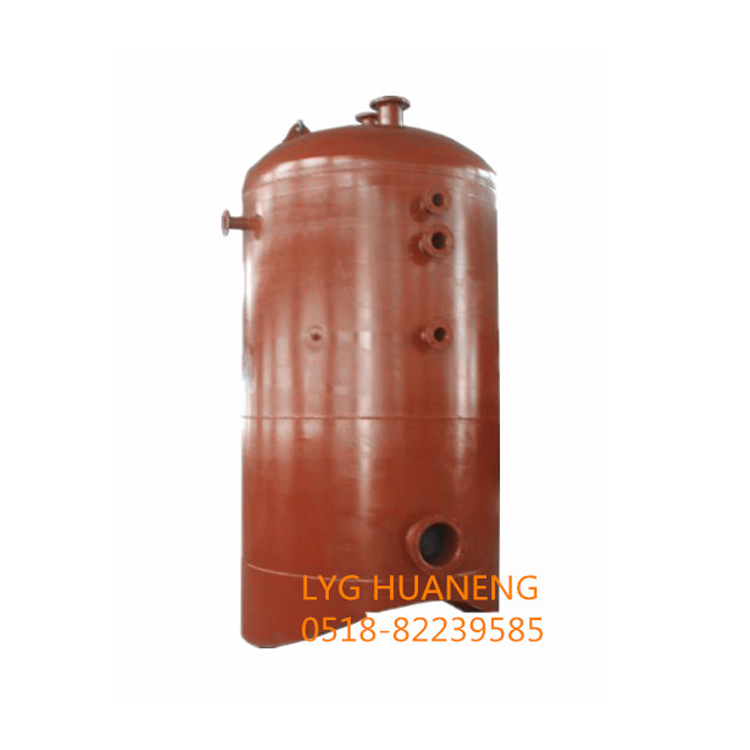
Regenerative heater, also known as steam accumulator, is a steam vessel that uses water as the heat storage medium. It is an efficient energy-saving and emission-reduction device that enhances the reliability and economic efficiency of steam usage. The steam accumulator has a wide range of applications, including steel, metallurgy, textile dyeing and finishing, chemical fiber, pulp and papermaking, brewing, food processing, and power generation industries.
Steam accumulator is suitable for the following situations:
Heating systems with significant fluctuations in steam load.
2. Steam consumption systems with significant fluctuations
3. Systems with intermittent fuel supply or significant flow fluctuations for heating:
4. Require storage of steam for on-demand heating systems.
5. Steam for heating systems and insulation for equipment.
Section II: Structure Forms of Heat Storage Units:
The steam heat storage units are typically horizontal and used in conjunction with boilers. The outer body of the storage unit is insulated, and the cylinder contains a steam distribution system, branch pipes, and steam nozzles, with a circulating cylinder surrounding the nozzles. Pressure gauges, water level indicators, and automatic control valves are mounted externally. The cylinder is equipped with steam inlet and outlet ports, an inlet water pipe opening at the bottom, and a manhole.
Section 3: Features of the Heat Storage Equipment:
The cylinder of the steam accumulator is 90% filled with saturated water, with a steam space above. When the boiler's evaporation exceeds the steam demand, the excess steam enters the accumulator to heat the stored water (saturated water), and the steam also condenses within. As a result, the pressure in the accumulator rises. When the steam demand exceeds the boiler's evaporation, the stored water (saturated water) in the accumulator boils due to the drop in pressure, providing steam to maintain the boiler load constant. The entire process is automatically controlled by a set of regulating valves. The greater the pressure difference between the boiler and steam demand pressures, the more heat the accumulator can store, and it
The steam accumulator is suitable for industrial boiler systems and can be selected according to different conditions.
Section 4: Ordering Instructions for Heat Storage Units:
Select the model and quantity based on the steam boiler's installed capacity, rated working pressure, and the system's maximum steam demand and pressure, or determine the selection by calculating parameters through thermal balance using the 24-hour steam supply load curve chart.
V. Specifications of Common Thermal Storage Heaters: