









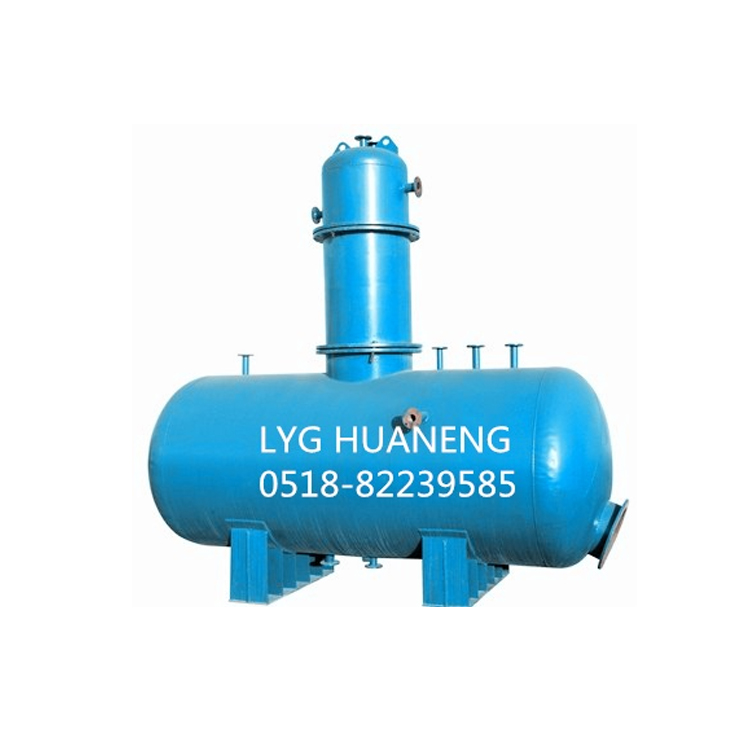
I. Flash Vaporization Principle:
When water is heated under atmospheric pressure, 100 degrees Celsius is the highest temperature liquid water can reach at that pressure. Further heating does not increase the water's temperature but only converts it into steam. The heat absorbed by water during its升温 to the boiling point is called "sensible heat," or "saturated water sensible heat." The heat required to convert saturated water into steam at the same atmospheric pressure is called "latent heat."
However, if water is heated under pressure, its boiling point will be higher than 100 degrees, requiring more latent heat. The higher the pressure, the higher the boiling point and the greater the heat content. As pressure decreases, some latent heat is released, and this excess heat is absorbed as latent heat, causing some water to "flash" into steam.
Section II: The Function of the Flash Vessel:
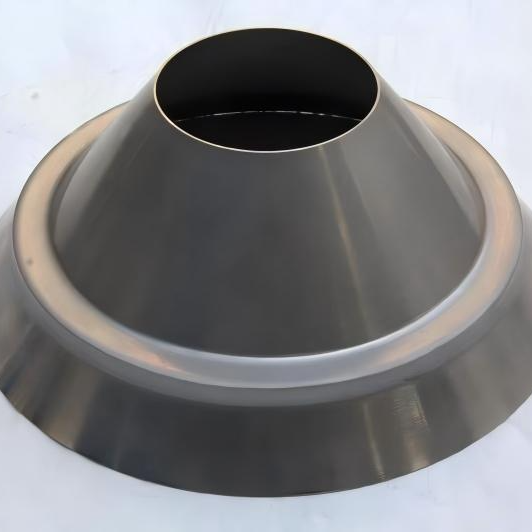
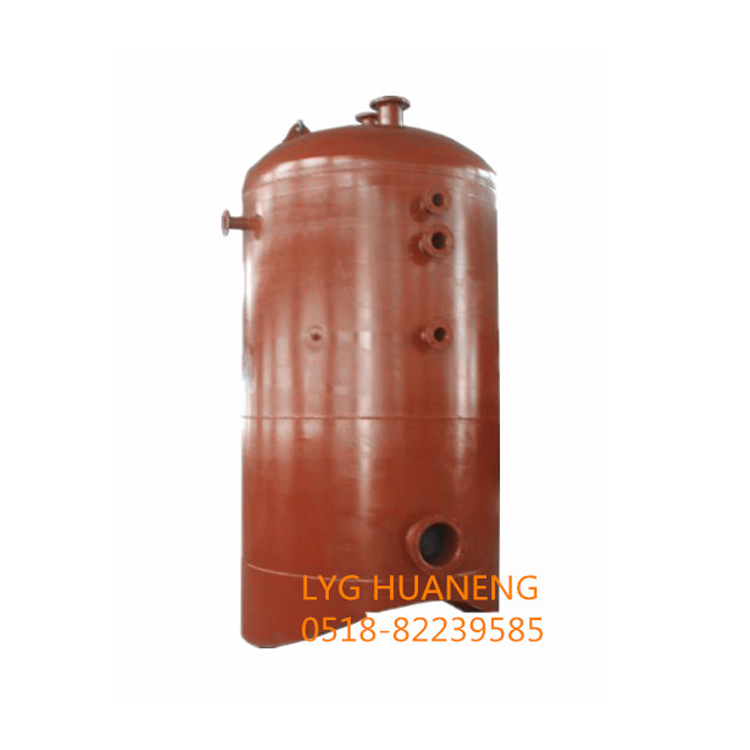
Flash steam occurs when superheated water at high pressure enters a vessel at lower pressure, causing a sudden drop in pressure and transforming some of the water into saturated steam and water under the vessel's pressure. During the transfer of high-pressure, high-temperature condensate, pressure changes convert the condensate into secondary steam. This secondary steam is recovered through a flash steam drum, providing steam for low-pressure equipment, effectively reducing energy waste. The flash steam drum employs a spinning technology, effectively separating the secondary steam and condensate entering the drum.
Section 3: Standard Specifications: