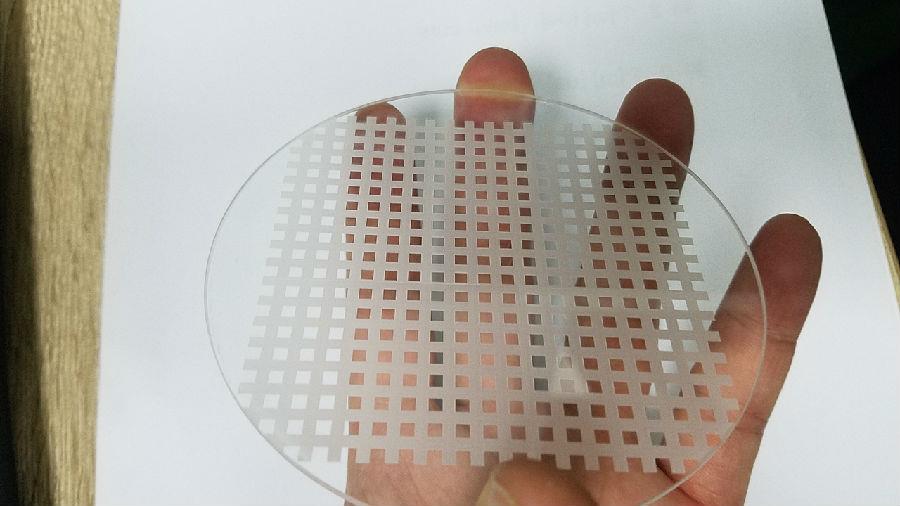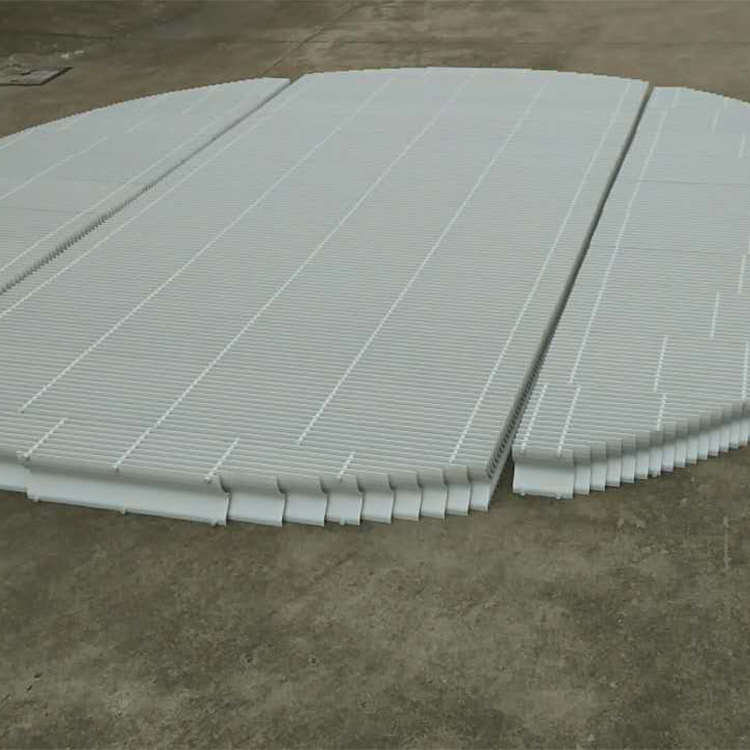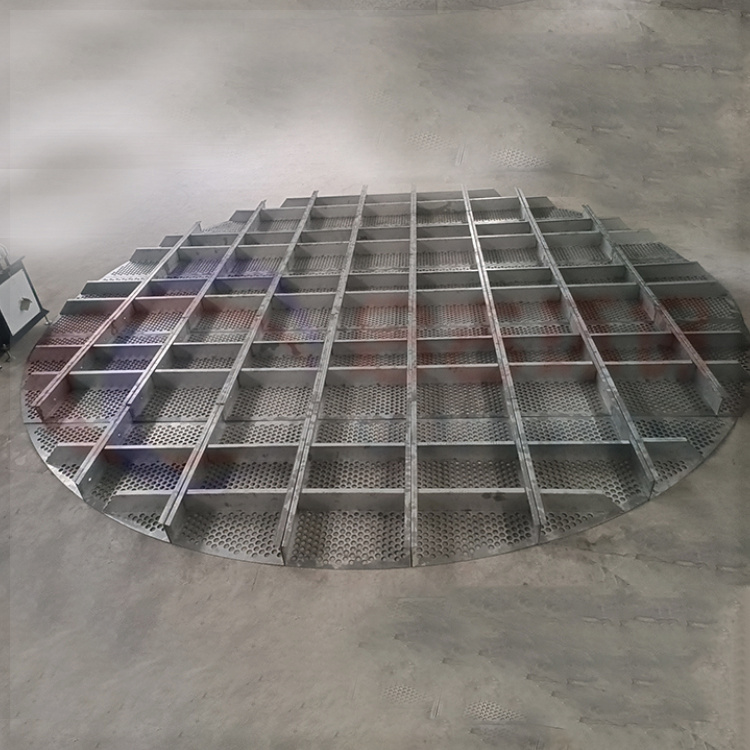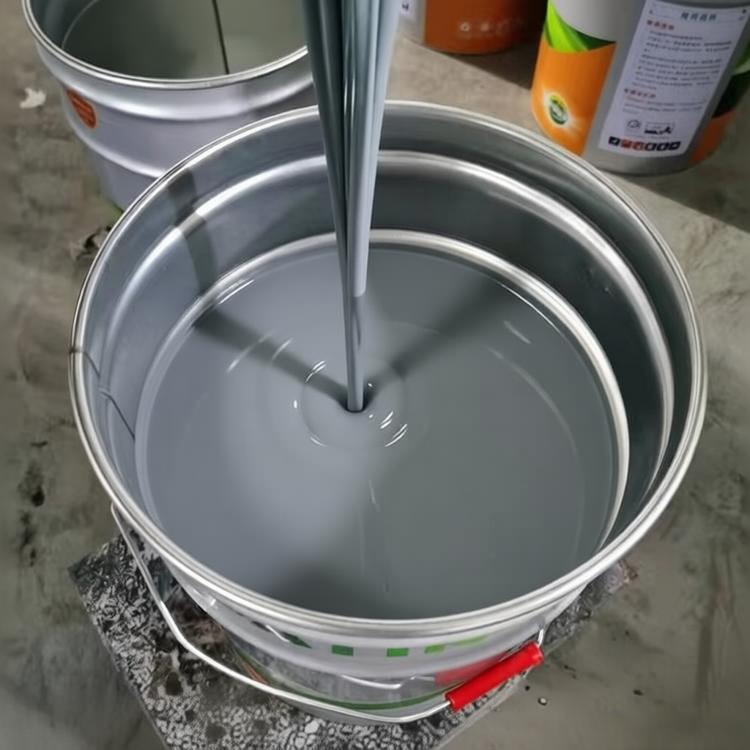


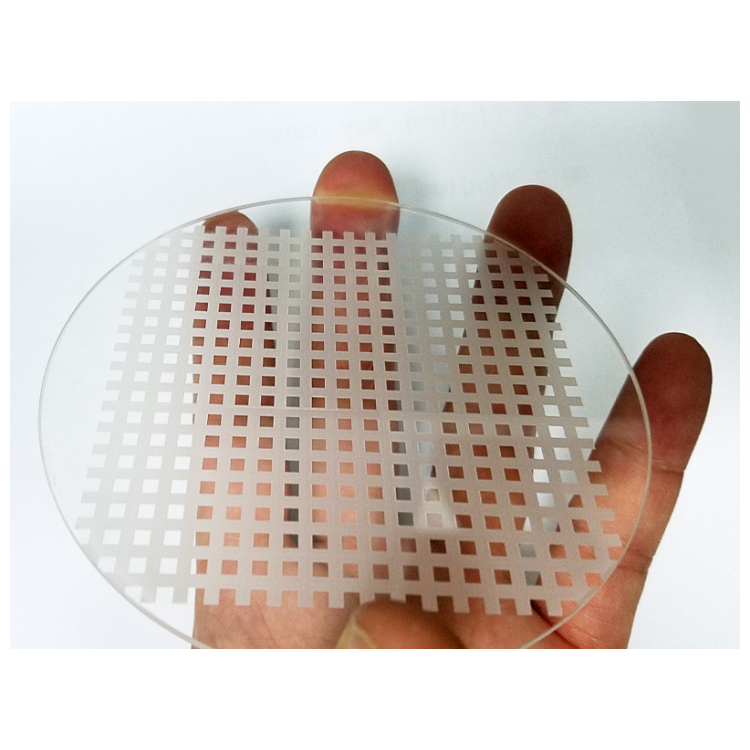












Glass etching is a traditional method of glass surface treatment, but processes like surfacing, thermal spraying, and electrobrush plating often fail to meet the demands of modern industry. For instance, metal parts sensitive to temperature can reach extremely high surface temperatures, causing deformation or cracking, affecting dimensional accuracy and normal operation, and in severe cases, leading to shaft breakage. While electrobrush plating has no thermal effects, the coating thickness cannot be too thick, leading to severe contamination and limited applications. Currently, Western countries have developed on-site surface treatment methods for high polymer composite materials to address the drawbacks of these traditional methods, with the Fushilin technology system being one of the more mature options. The comprehensive properties of the material, along with its advantage of being machinable at any time, not only fully meet the requirements and precision of the repaired parts but also reduce the impact and vibration the equipment experiences during operation, extending its service life. As the material is variable, it deforms and absorbs external forces when impacted, expanding or contracting with the bearing or other components, maintaining a tight fit and reducing wear. For large equipment wear, on-site repairs can also be performed using "molds" or "matching parts" to repair damaged equipment, avoiding overall disassembly and ensuring maximum component fit dimensions, meeting the production and operation requirements of the equipment, extending its service life, and ensuring continuous safe production for the enterprise. In domestic surface treatment applications, high polymer composite materials have also played an increasingly important role.