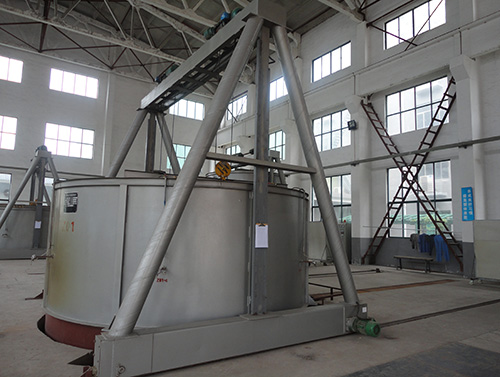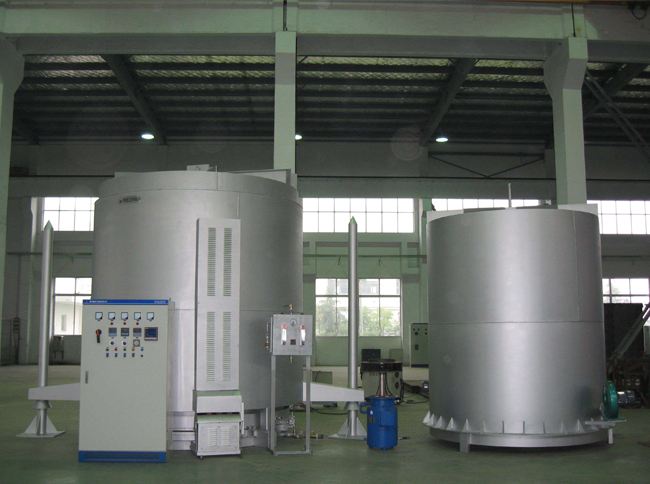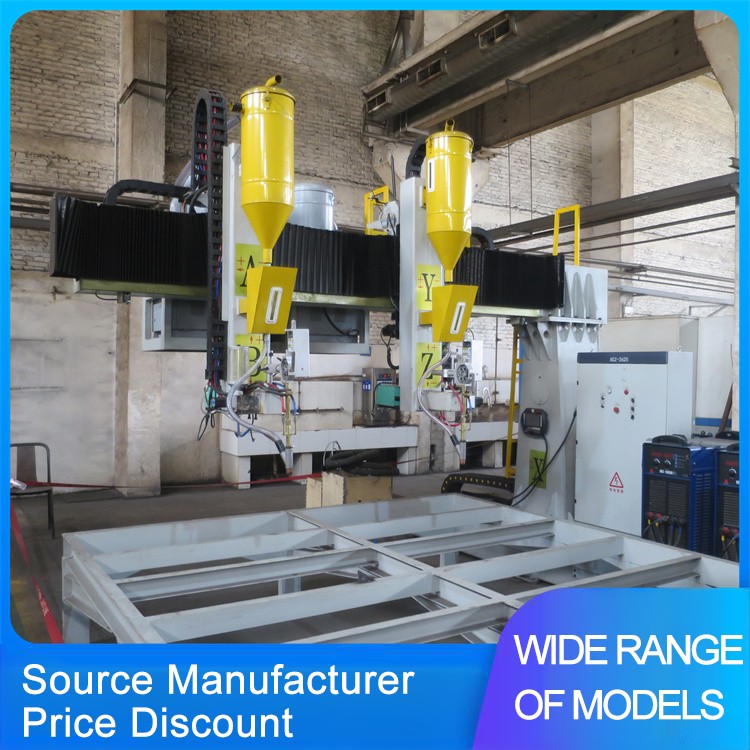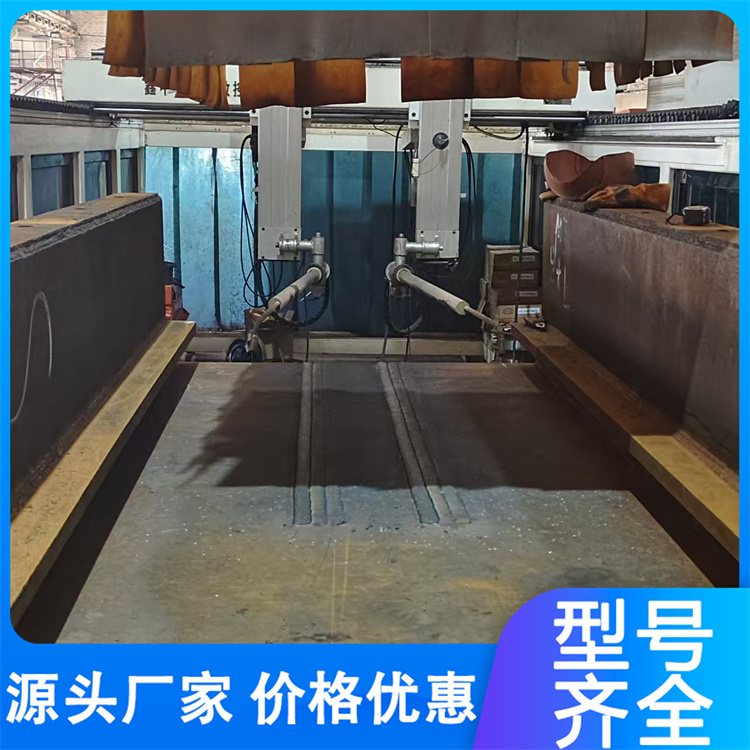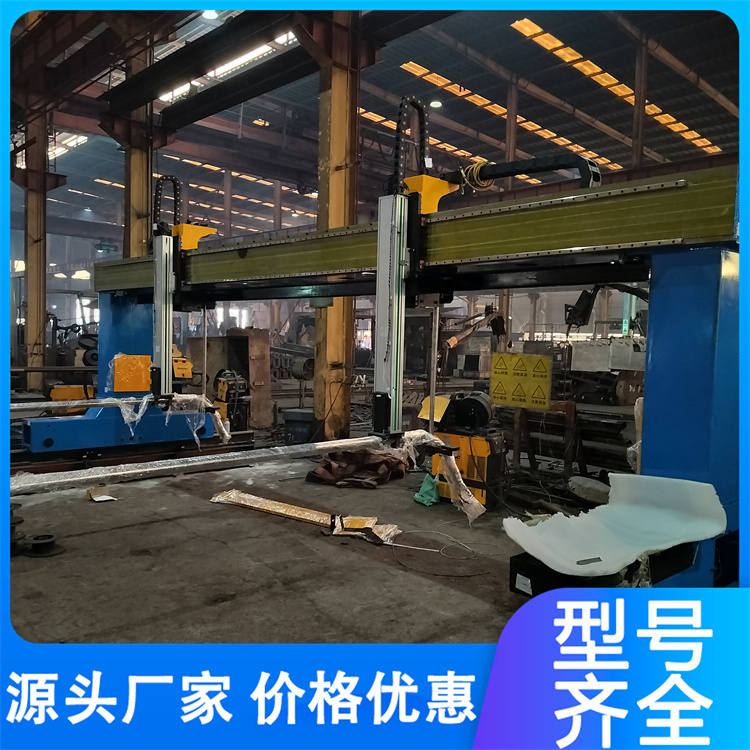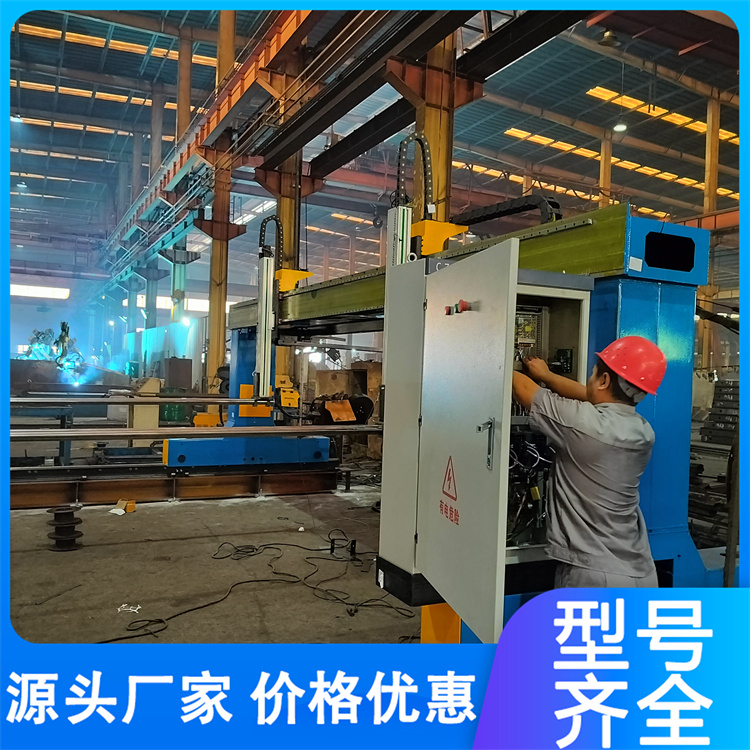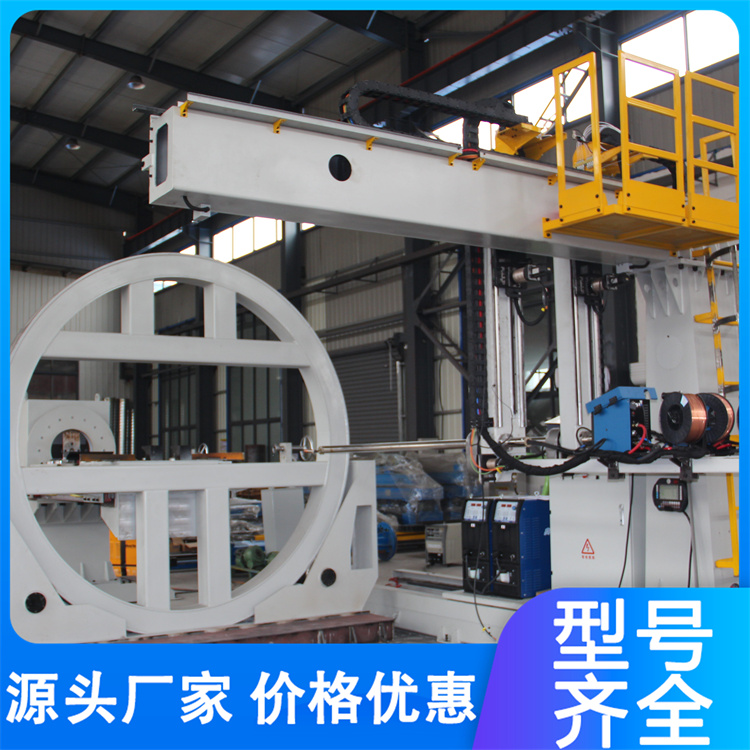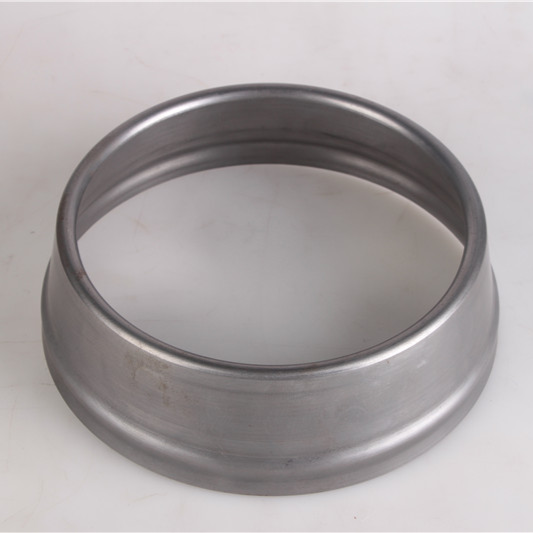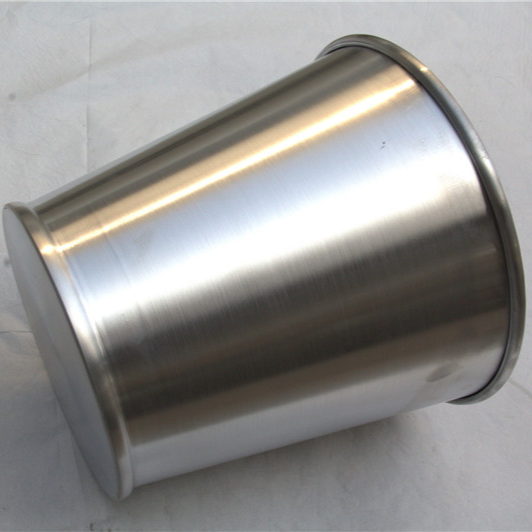






The hood type tempering furnace has 2 furnace platforms, 2 inner covers, and 1 heating cover per set of annealing furnaces. One cooling hood and one furnace platform are used for heating and insulation, while the other furnace platform is used for cooling and unloading. Alternating heating of two furnace platforms with the same heating hood can save energy consumption and achieve continuous production.
This equipment adopts a heat-resistant stainless steel cover and a strict seal between the furnace table, which isolates the workpiece material from the outside air. During the heating, insulation, and cooling processes, it is always under high-purity nitrogen and gas protection, so that the annealed material maintains a bright and oxidation free surface. In addition, due to the presence of high-strength convection fans in the furnace, the atmosphere inside the furnace forms a strong convection cycle, promoting uniform furnace temperature. The temperature difference at each point in the furnace can be controlled within ± 3 ℃, thereby enabling the annealed material to obtain uniform and consistent physical and mechanical properties.
Advantages:
1、 Adopting a full fiber furnace like structure, it has excellent energy-saving performance, saving 30% energy compared to brick resistance furnaces of the same specifications, and doubling the heating rate;
2、 The furnace body can be easily moved away through the workshop lifting mechanism, exposing the loading and unloading platform.
3、 Using a top mounted crane to remove the upper cover facilitates equipment maintenance and repair, and improves the lifespan of the furnace.
4、 The hood type electric furnace can use multiple furnace bases alternately, improving productivity and saving investment.
Annealing process of hood type tempering furnace
A. The determination of heating rate of steel mainly depends on the magnitude of its thermal conductivity. The carbon content and alloy content in steel have a significant impact on heat conduction. If their content is high, the thermal conductivity is low, and the heating speed should be slightly slower to avoid uneven organization and performance caused by large temperature differences between the inside and outside. The heating speed is generally unrestricted from room temperature to 400 ℃. According to the principle of crystallization process, there is no significant change in the internal structure of the strip steel from room temperature to 400 ℃. The elongated grains during the rolling process have just recovered and have not yet formed recrystallization. Therefore, the faster the heating rate of the steel in this range, the better. The strip steel is heated from 400 ℃ to the insulation temperature, and the heating speed has a significant impact on the performance and surface quality of the strip steel. It is generally stipulated that the heating rate should be between 30-50 ℃/h. During the period when the strip steel is heated from 400 ℃ to below the insulation temperature of 723 ℃, it is in the stage of recrystallization formation. Therefore, the heating rate must be controlled within this temperature range.
B. The determination of insulation temperature and insulation time. The recrystallization temperature of steel is not a fixed temperature, but is related to the internal structure of the strip steel. In actual production, the recrystallization temperature is selected according to the product within the range of 570-720 ℃. The insulation temperature and insulation time are mainly determined based on product standards, technical conditions, and the thickness of steel grade and strip steel. The insulation time and temperature are also related to the weight of the coil and the thickness of the steel strip. If the coil is heavy and the steel plate is thick, the insulation temperature will be high and the insulation time will be long. For steel and thin gauge strip steel that are prone to interlayer bonding defects, the insulation temperature can be appropriately lower and the insulation time can be shorter.
C. Bright annealing is necessary to ensure that the strip steel has no decarburization or oxidation. The key issue in preventing oxidation of annealed steel coils is to ensure that the pressure inside the protective cover meets the process requirements. In addition, it is necessary to carefully handle both cold and hot blowing. The purpose of cold blowing and hot blowing is to use protective gas to drive away the air in the inner cover and the oil, gas, and moisture brought in by the steel coil. The function of hot blowing is not only to further remove residual gases in the inner cover, but more importantly, to drive away and blow away all harmful substances such as oil fumes and water vapor generated by the emulsion brought by the plate coil, in order to avoid contaminating the surface of the steel plate and reducing its surface quality.