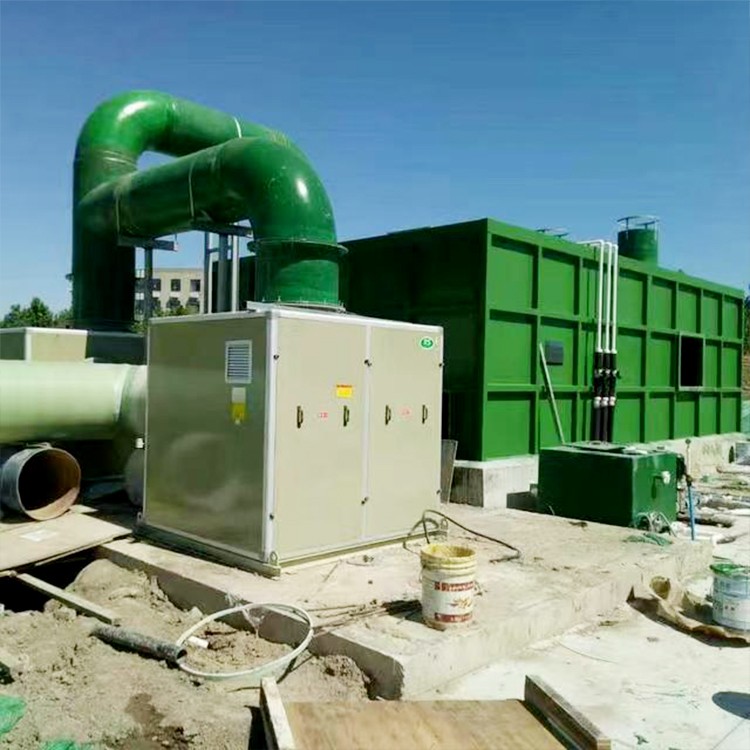
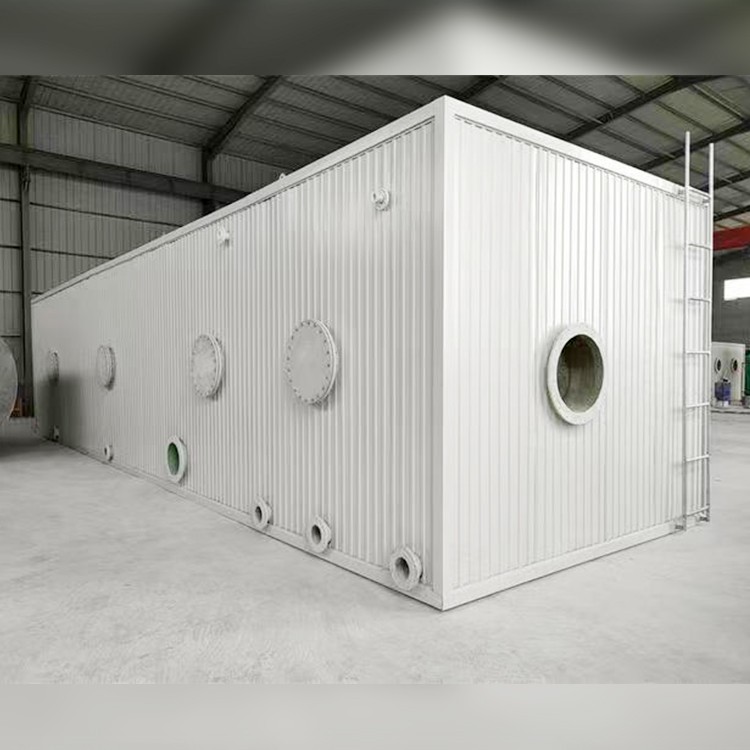
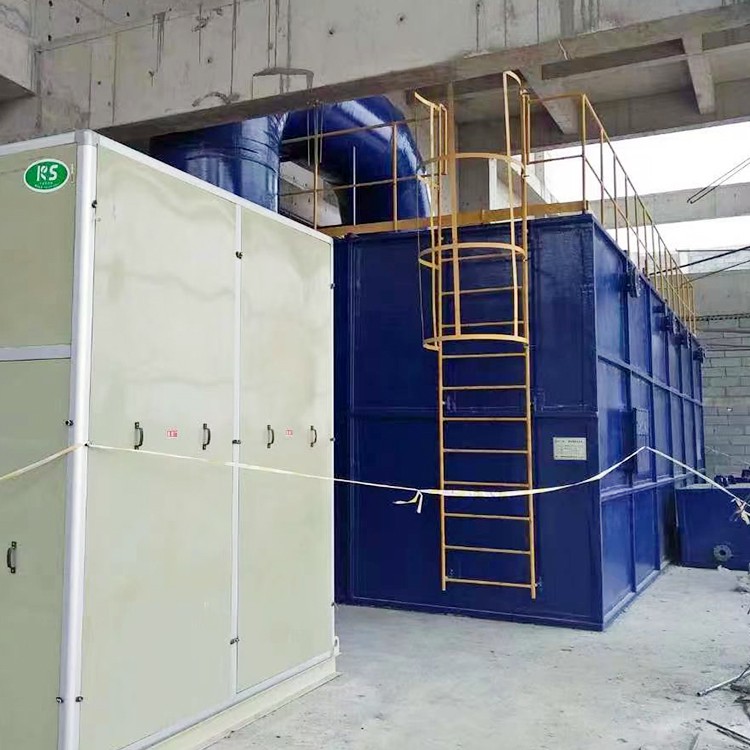










Odor control equipment is used to address odor issues from sources such as wastewater treatment plants, landfills, farms, and chemical factories. Common odor control equipment includes:
Bio-filtration odor removal: Utilizes microorganisms on the surface of media to degrade odor substances, a common method for odor control.
Activated Carbon Adsorption: Odor removal through the adsorption of odor substances by activated carbon, suitable for the treatment of certain organic odor substances.
Photocatalytic Deodorization: Utilizes ultraviolet or visible light to activate catalysts for decomposing odor substances, featuring a compact space requirement.
Chemical Spray: Directly spray oxidizers or neutralizers onto the odor source, converting odor substances into harmless materials.
Catalytic Oxidation: Utilizing a catalyst to accelerate the reaction of odor substances, converting the odor substances generated from incomplete combustion of organic waste gases into harmless gases.
These deodorizing equipment can be used individually or in combination to enhance their deodorizing effectiveness. When selecting the appropriate deodorizing equipment, factors such as the source of the odor, its composition, and concentration should be considered, and an optimized design should be tailored to the specific situation.