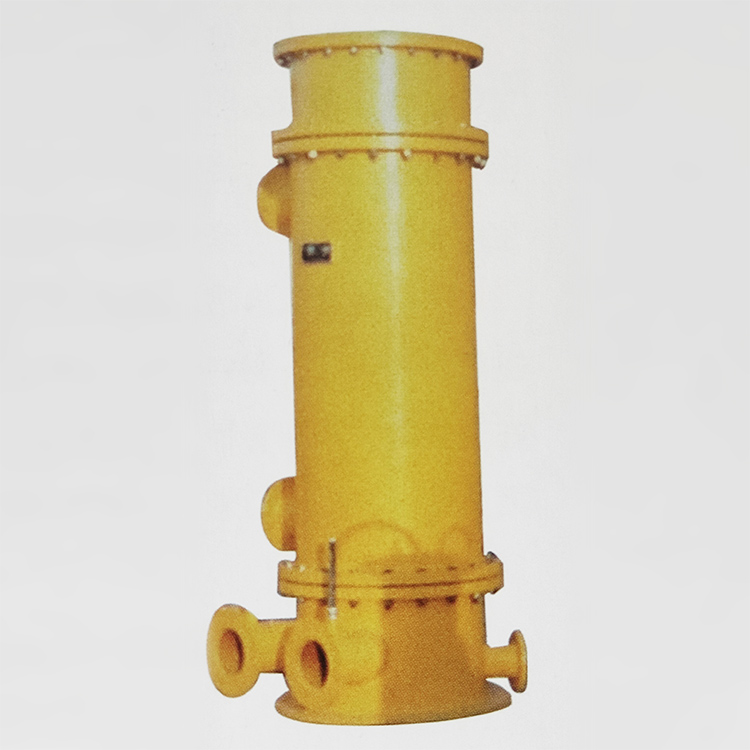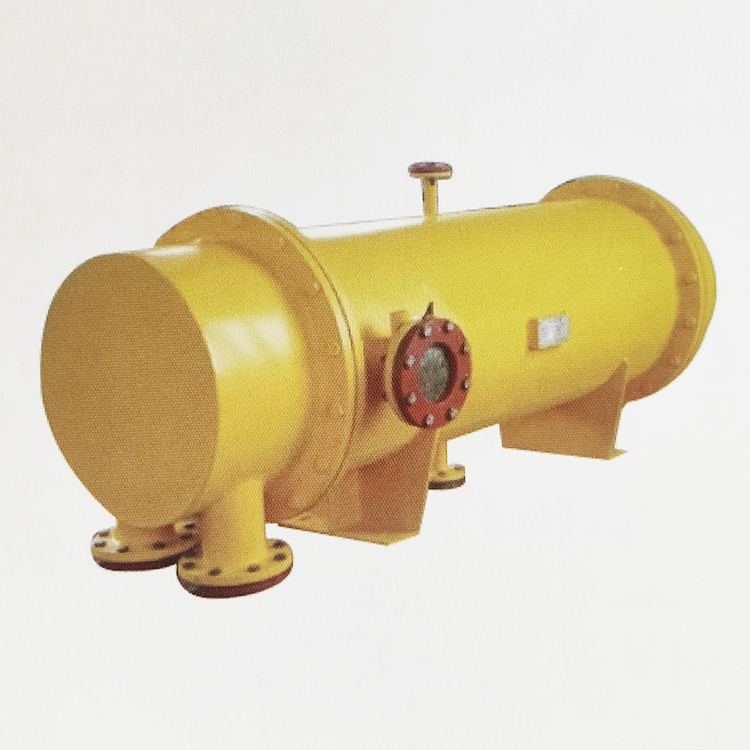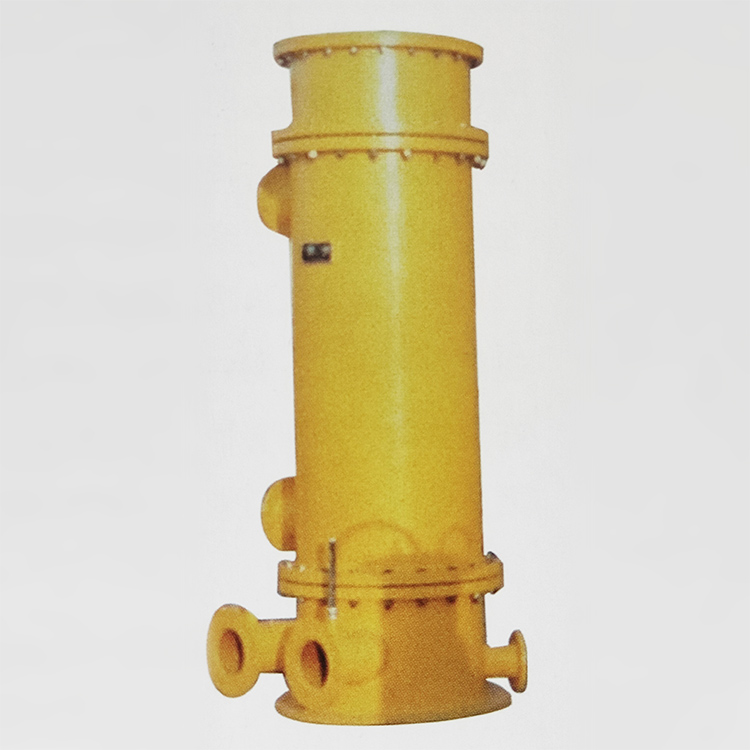




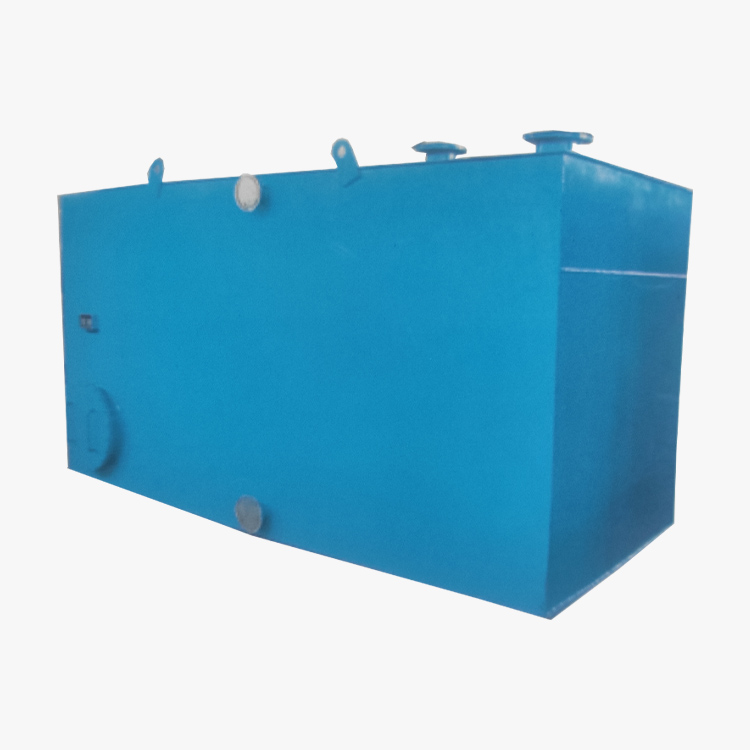
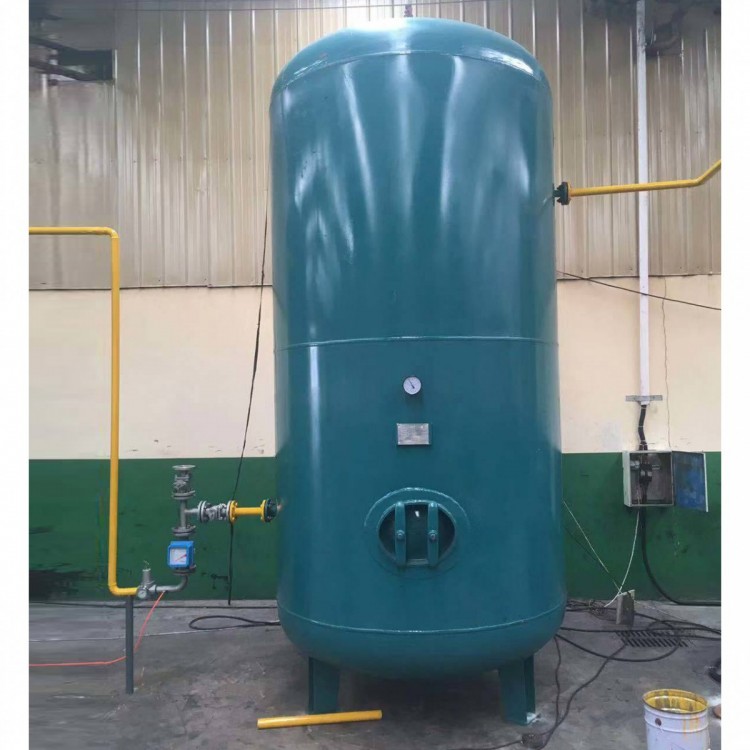
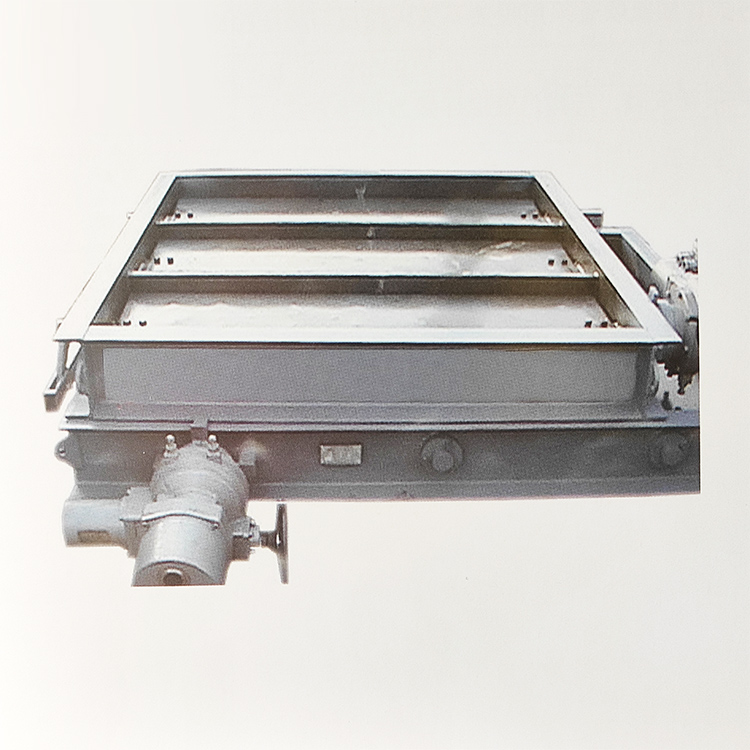
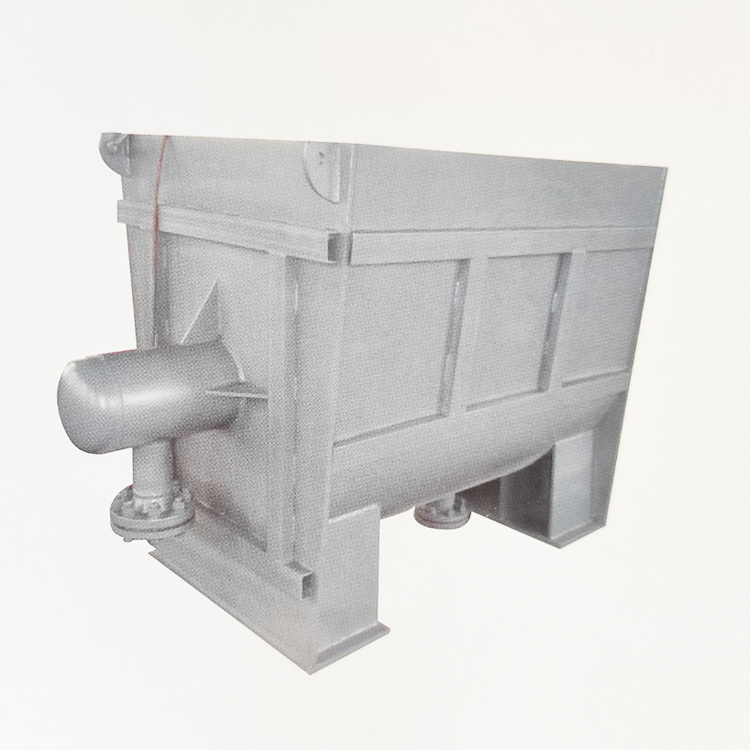
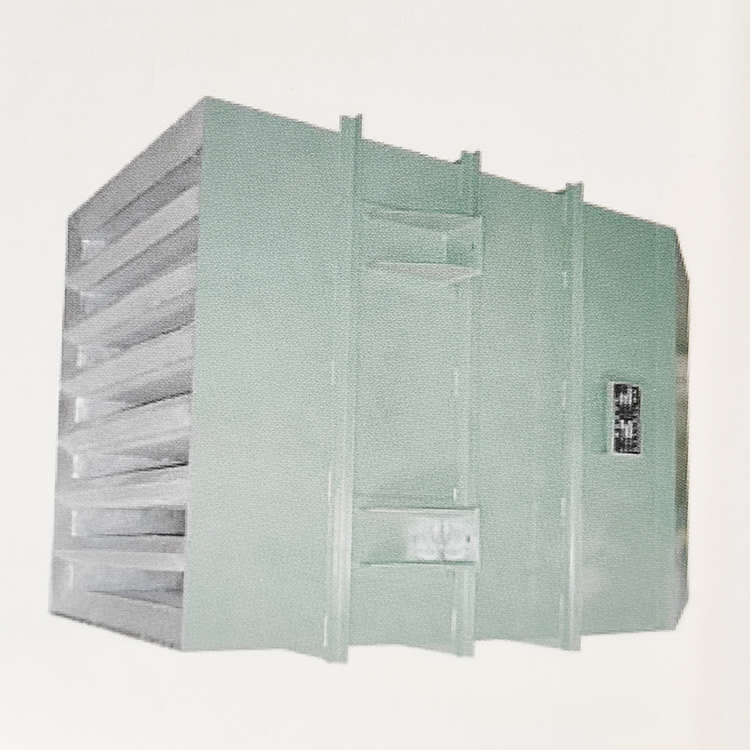
The LY type oil cooler is a widely used oil cooling equipment in the power system. By utilizing this equipment, it enables heat exchange between two liquid mediums with a certain temperature difference, thereby achieving the purpose of lowering oil temperature and ensuring the normal operation of electrical equipment.
I. Application
The LY type oil cooler is a widely used oil cooling equipment in the power system. It enables heat exchange between two liquid mediums with a certain temperature difference, thereby reducing oil temperature and ensuring the normal operation of power equipment. It is mainly used for cooling lubricating oil in equipment, cooling oil in variable speed systems, transformer oil, and the oil systems of steam turbines and coal millers, as well as for the circulating cooling of these systems.
Section 2: Structural Format
The installation types are vertical and horizontal; cooling tube types include smooth tube and enhanced heat transfer tube; and cooling tube materials are copper and stainless steel. Select appropriately based on different applications and performance requirements.
Section 3: Product Features
1. Heat exchanger tubes can be made of thin-walled stainless steel pipes with a thickness of 0.5-0.7mm, which enhances overall heat exchange performance. Under the same heat exchange area, the overall heat transfer coefficient is increased by 2.121-8.408% compared to copper pipes.
2. The piping material can be made of copper or stainless steel alloys such as TP304, TP316, TP316L, which provide high hardness and significantly improve the wall thickness of the pipe, thus offering excellent resistance to high-temperature steam impact and vibration.
3. The use of stainless steel pipes, due to their smooth inner walls, reduces the thickness of the boundary layer flow bottom, thereby enhancing heat exchange and improving the anti-scaling performance.
4. To relieve welding stress, all stainless steel tubes are heat treated at a high temperature of 1050℃ under protective gas.
All stainless steel pipes undergo a pressure differential leak test, with a gas pressure test up to 10MPa, with no pressure drop for 5 minutes.
6. Post-usage of stainless steel pipe, exhibits strong resistance to chloride ions and is cost-effective in equipment construction.