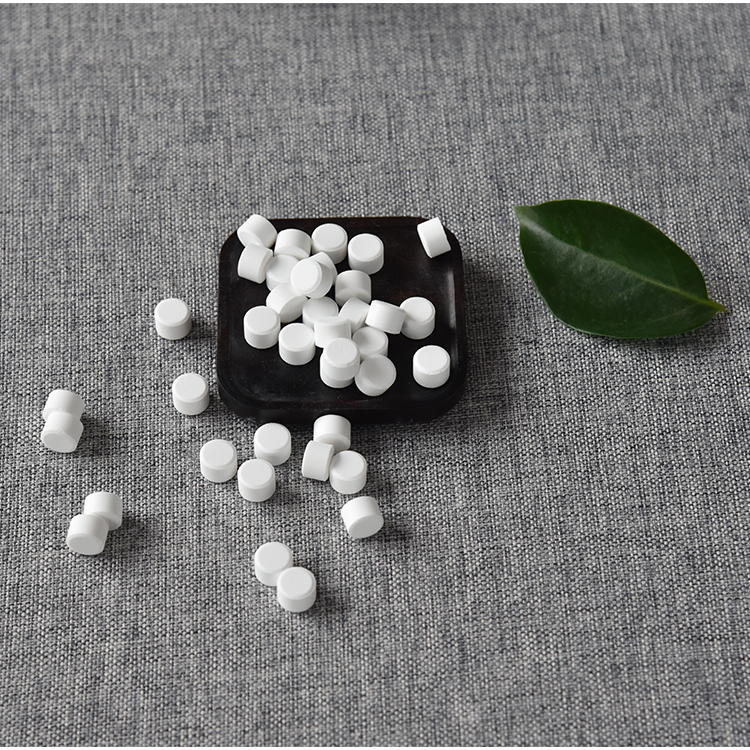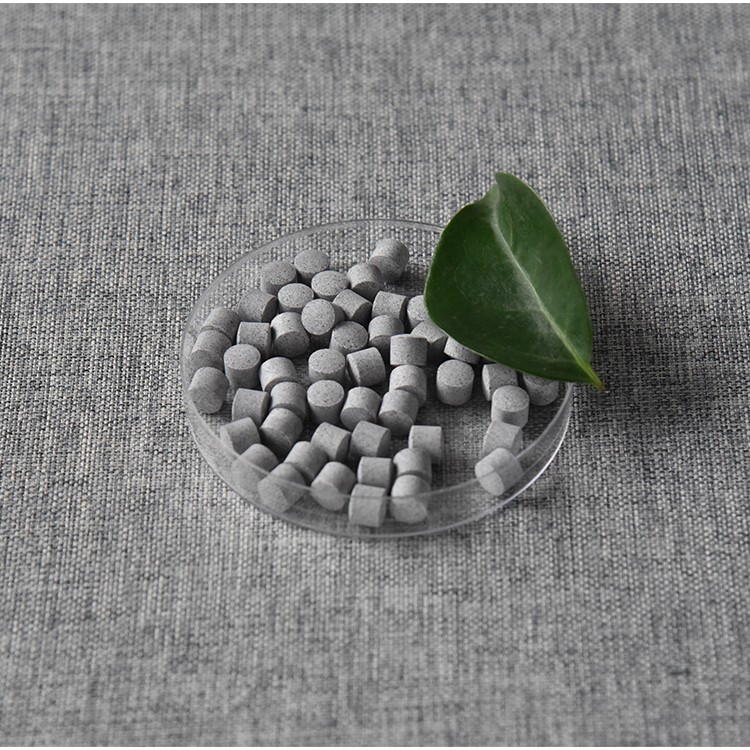













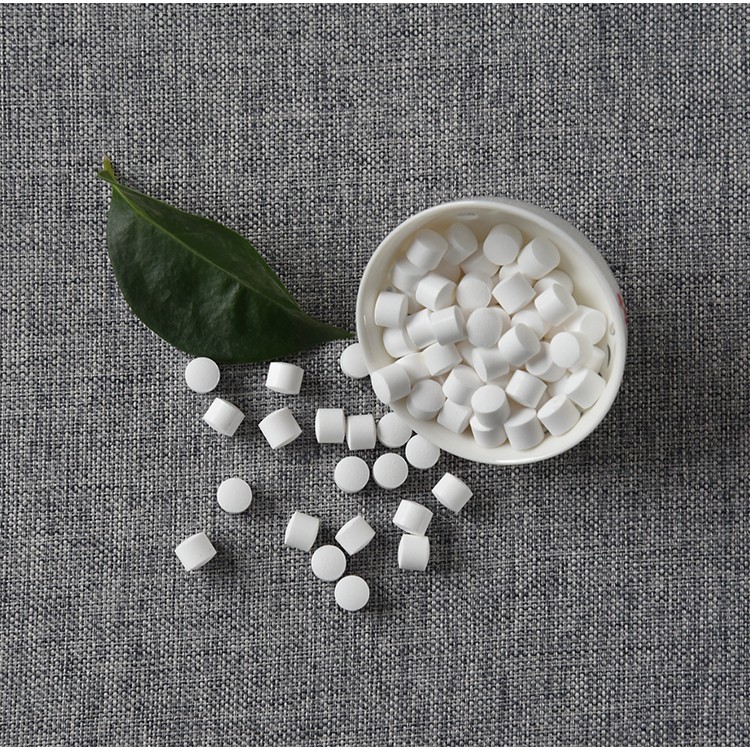
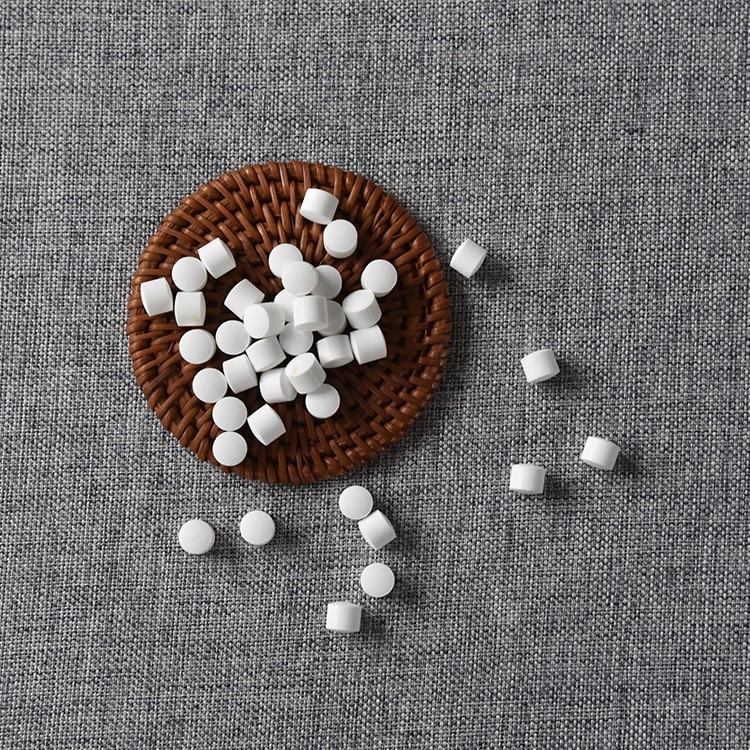

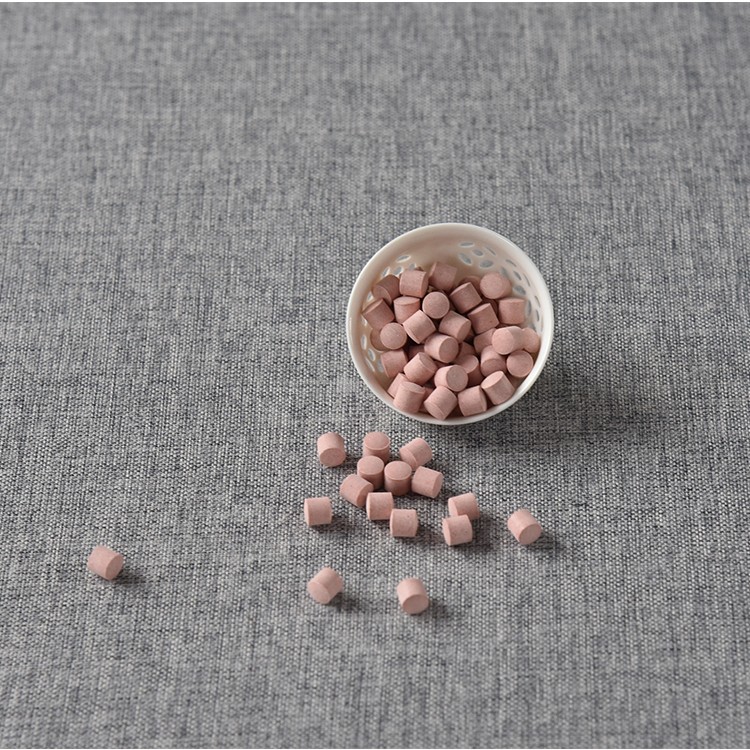
Granular oxygen for aquaculture, as a method of aeration in modern fish farming, is increasingly becoming a preferred choice for many farmers to enhance dissolved oxygen levels in water and ensure the well-being of aquatic life. This granular oxygen releasing agent designed for the farming environment releases oxygen slowly and continuously underwater, thanks to its unique physical and chemical properties, addressing issues such as uneven oxygen distribution and short duration associated with traditional aeration methods.
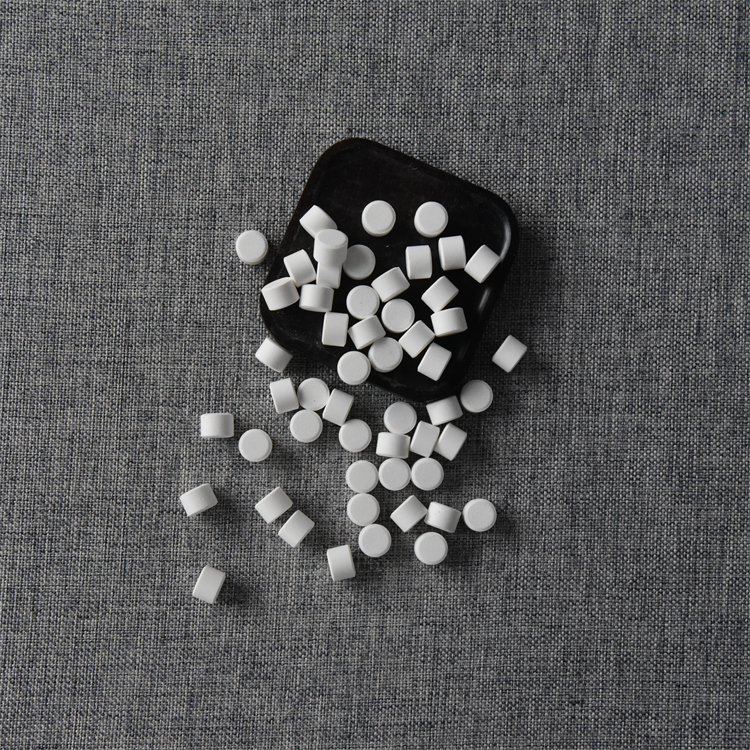
In aquaculture intensive areas, particularly under high-density farming models, dissolved oxygen levels in the water often fail to meet the growth requirements of aquatic organisms, leading to hypoxia stress responses and affecting farming profitability. The introduction of oxygen granules for aquaculture not only significantly increases dissolved oxygen levels in the water but also, thanks to its slow-release properties, maintains stable dissolved oxygen levels, providing a more suitable living environment for aquatic life.
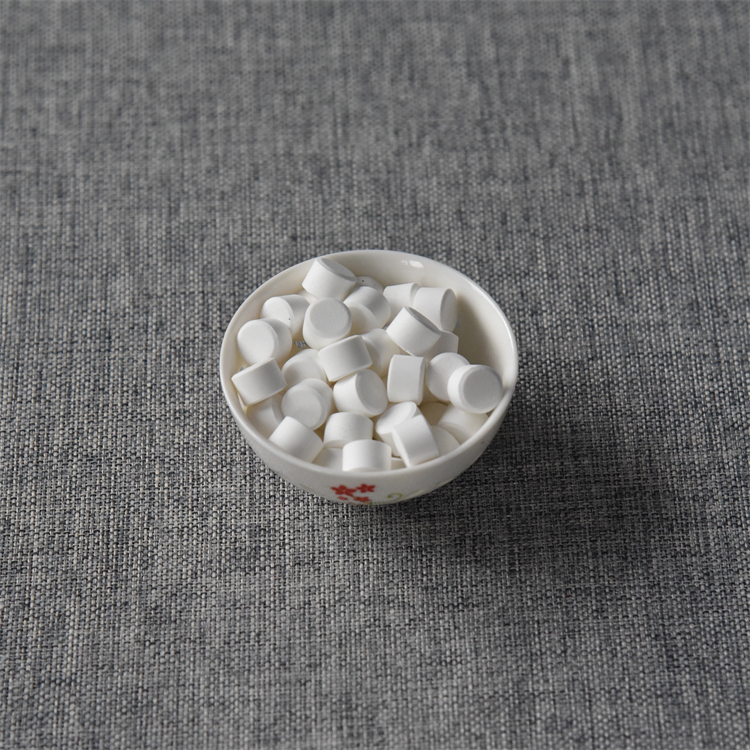
Additionally, the use of granular oxygen for aquaculture is quite convenient. Farmers only need to disperse it appropriately in the ponds based on the density of the stock and the water conditions. It's easy to handle, doesn't require additional equipment, significantly reducing aquaculture costs and enhancing work efficiency. Moreover, the eco-friendly nature of the granular oxygen is commendable as it does not produce harmful substances during use, being environmentally friendly and aligning with the concept of sustainable aquaculture.
In summary, oxygen granules for aquaculture, with their efficiency and convenience, demonstrate significant potential and value in the field of aquaculture. They not only enhance the dissolved oxygen levels in the aquaculture water, ensuring the growth of aquatic organisms, but also optimize management and boost the profitability of aquaculture, making them an essential tool for modern aquaculture.