


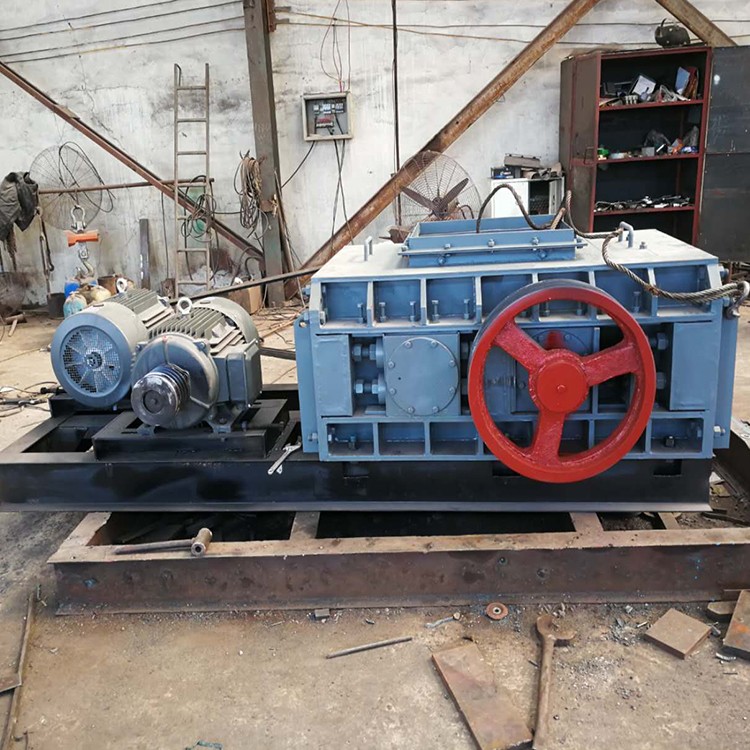
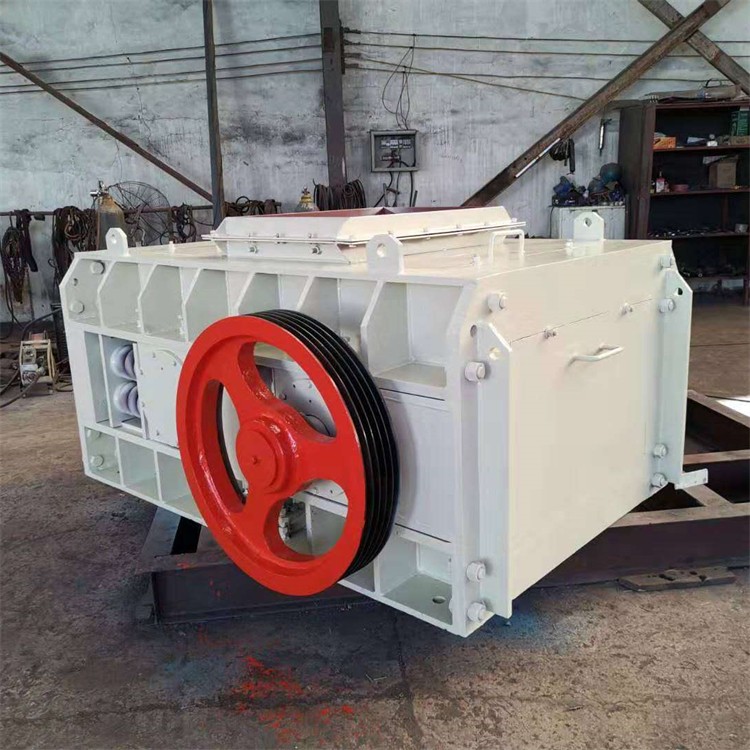















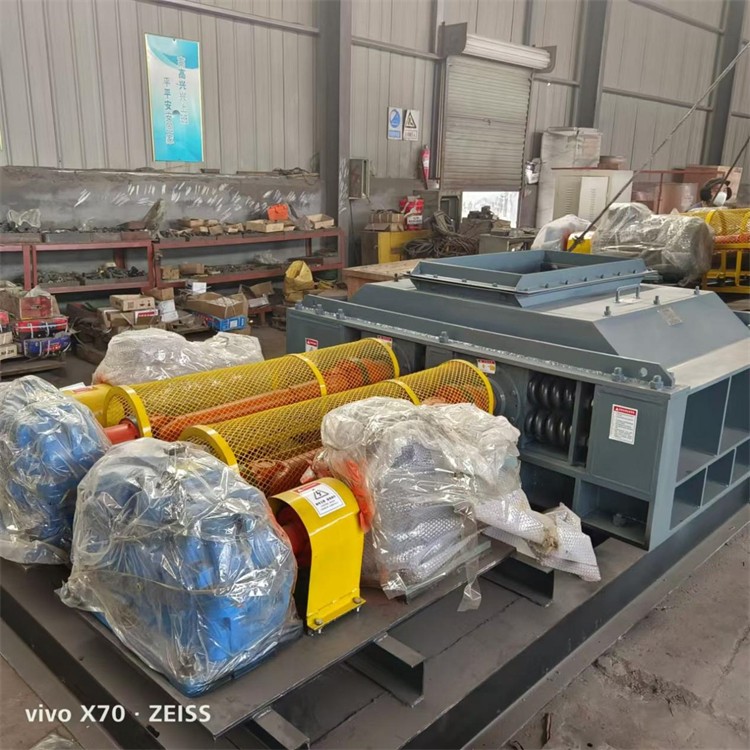


Double-Roller Crusher Main Components and Functions
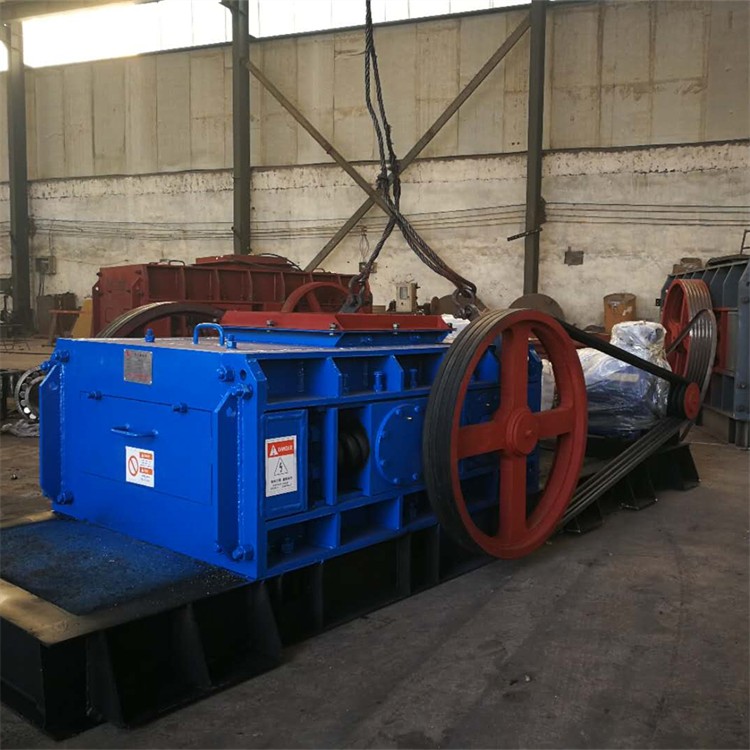
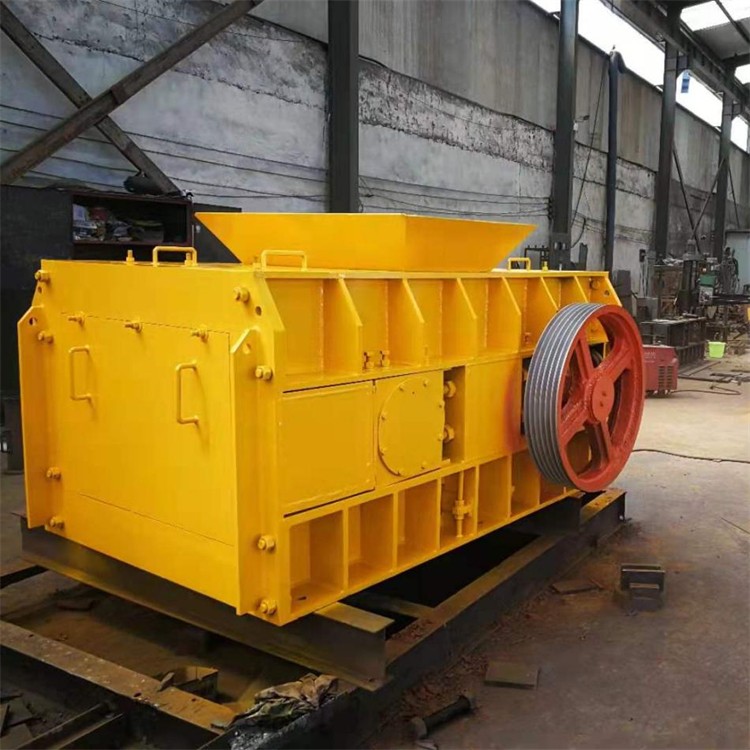
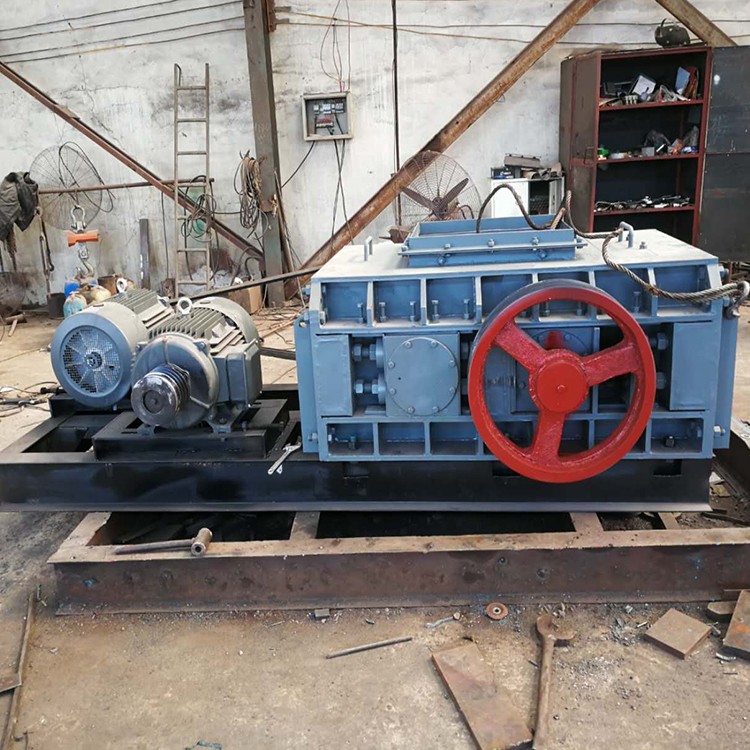
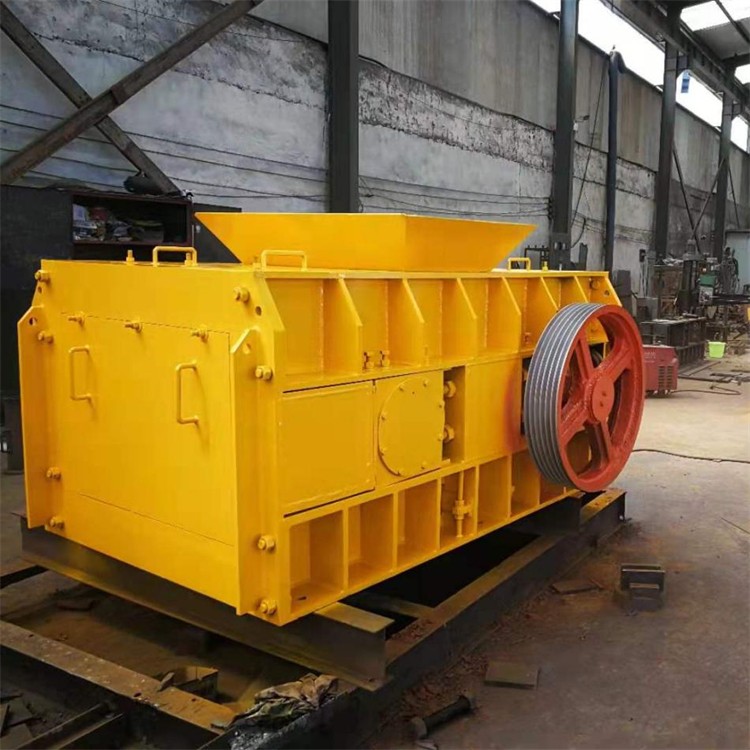
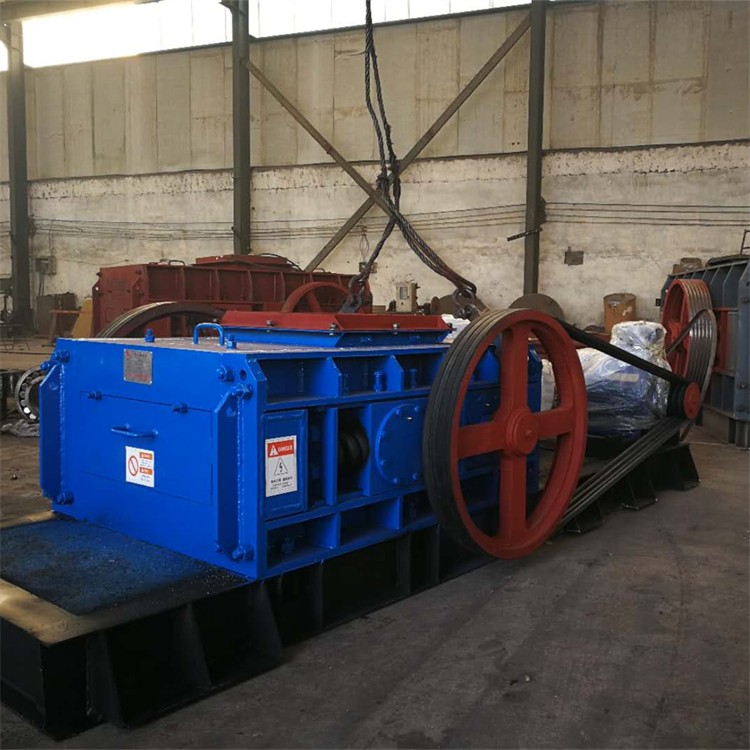
Crushing Rollers: Consist of two rolls rotating in opposite directions parallel to a horizontal shaft, serving as the main working mechanism of the ore crushing machine. One roller's bearing is movable, while the other's is fixed. The crushing roller is composed of a shaft, hub, and roller skin, with the roller skin coming into direct contact with the ore and requiring frequent replacement. Typically made of high-manganese steel or special carbon steel for their excellent wear resistance.
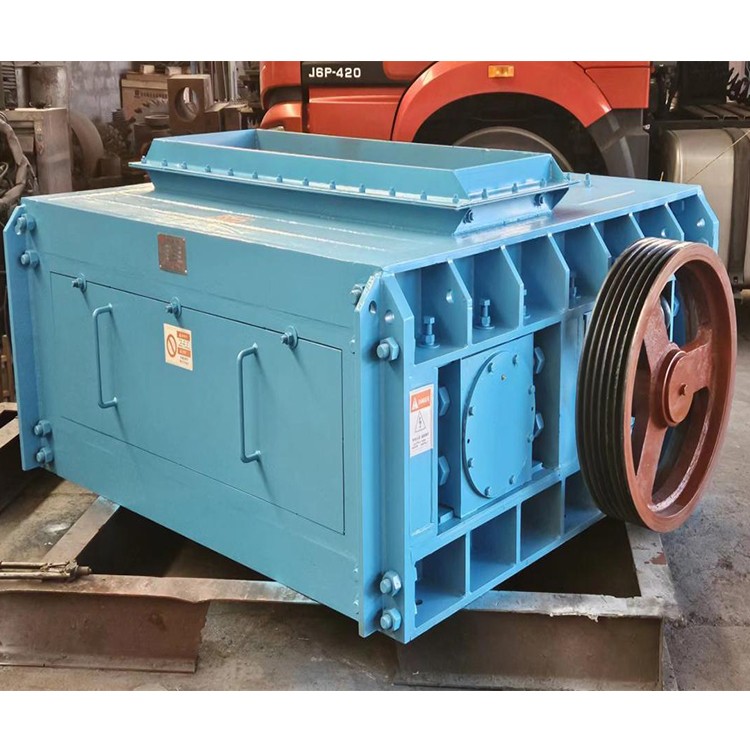
Adjustment Device: Used to adjust the gap between the two crushing rolls (i.e., the discharge opening). This can be achieved by adding or removing shims between the roller bearings, or by utilizing a worm gear adjustment mechanism to control the particle size of the crushed product.
Spring safety device: Plays a crucial role in the normal operation and overload protection of the ore crushing machine. During normal operation, the spring balances the forces between the two rolls, maintaining the gap at the discharge mouth, ensuring uniform particle size of the product. When the machine encounters non-crushable objects, the spring is compressed, forcing the movable crushing roll to move laterally, increasing the width of the discharge mouth, thereby preventing damage to the machine.
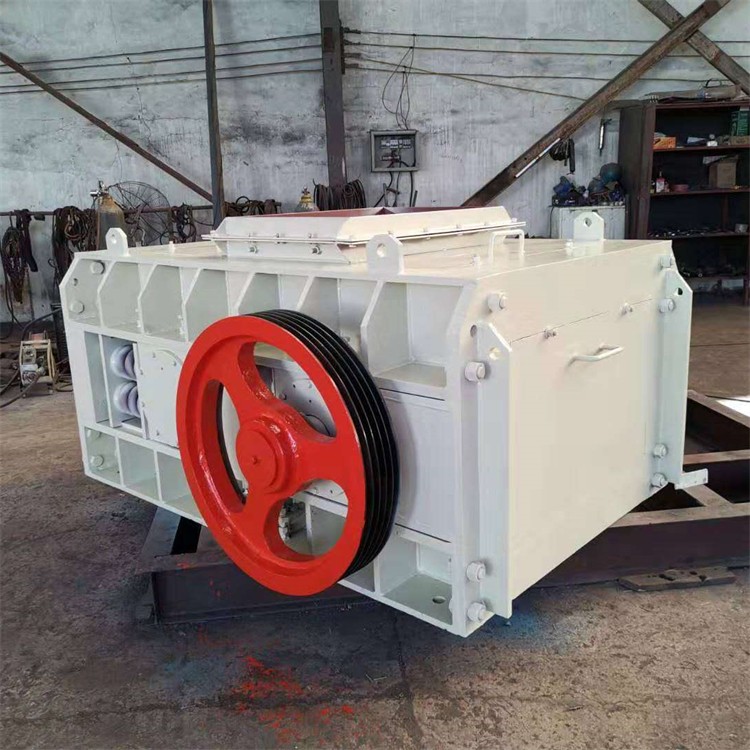
Transmission Device: Driven by two electric motors via a V-belt (or gear reducer) and a pair of long-toothed gears, the two crushing rollers rotate in opposite directions.
Rack: Generally made of cast iron, it can also be constructed from steel sections welded or riveted together. The rack structure must be sturdy.